New Orleans
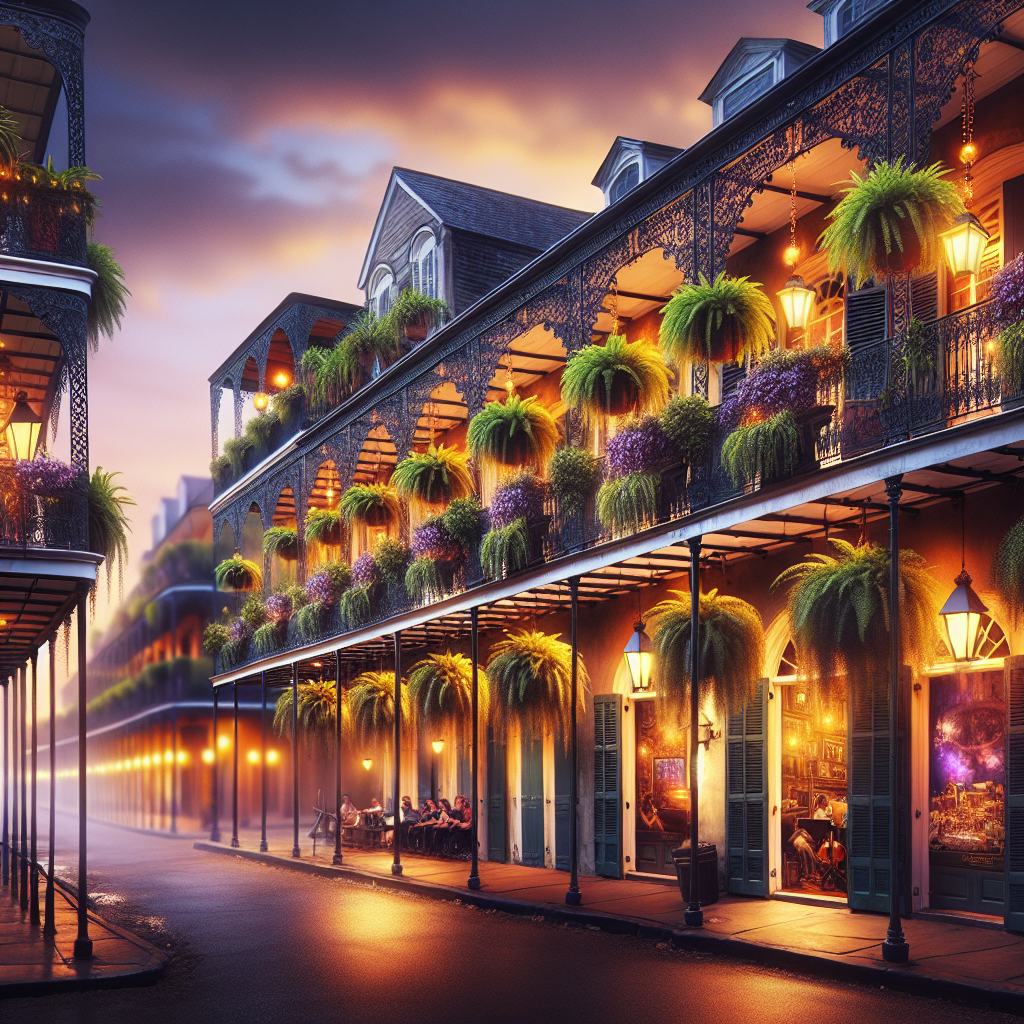
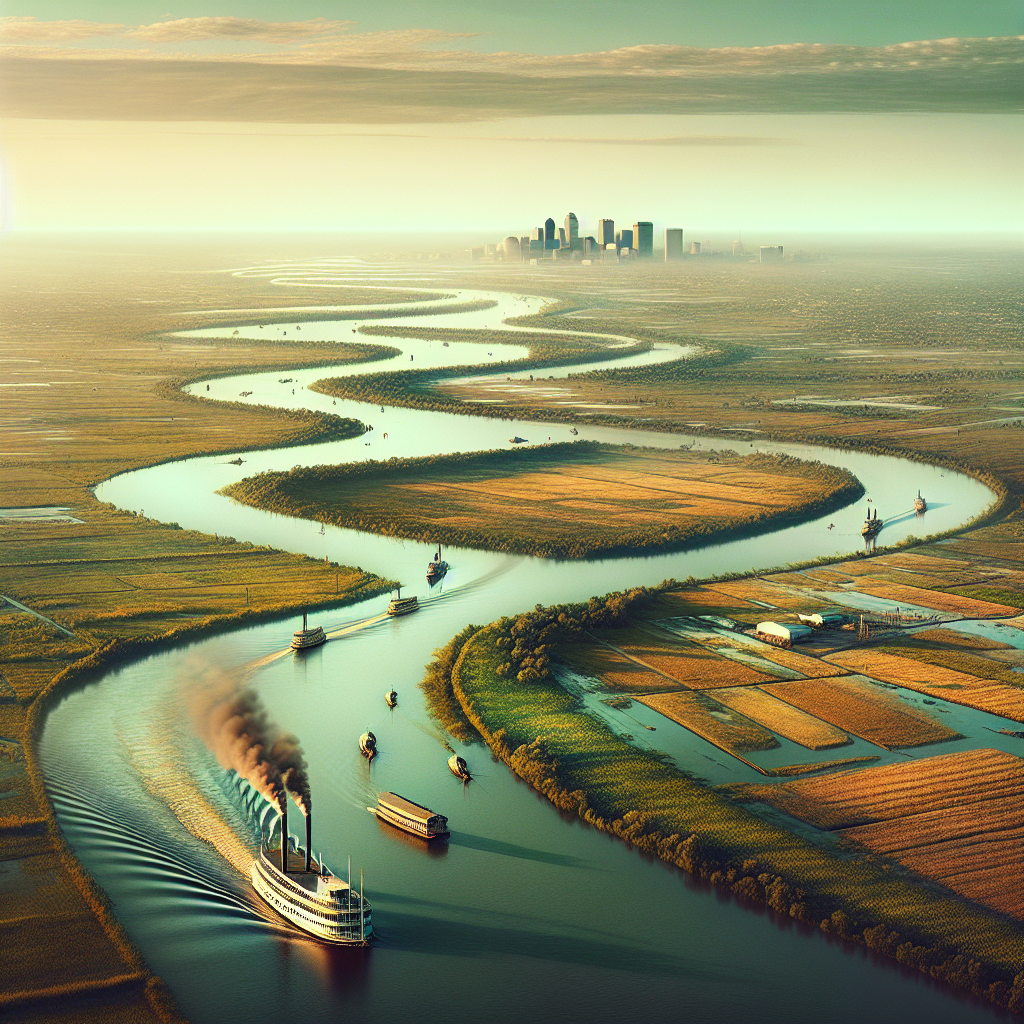
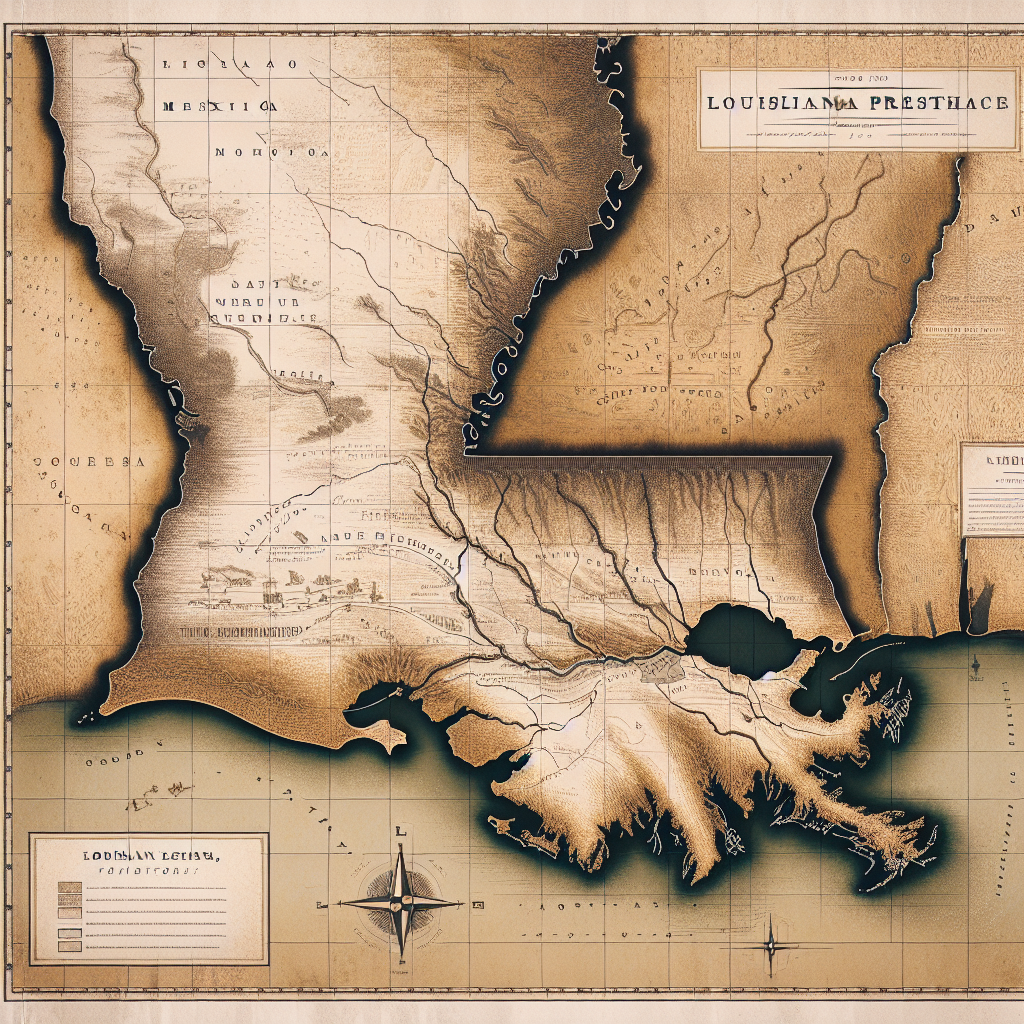
New Orleans was founded by the French in 1718, transferred to Spain in 1762, returned to France in 1800, and sold to the United States in 1803 as part of the Louisiana Purchase — all before it had been American for three years. That sequence of colonial overlords left a legal, architectural, culinary, and linguistic inheritance unlike anywhere else in North America. The city that grew from that foundation became the largest and wealthiest in the antebellum South, its economy built on the cotton and sugar produced by enslaved people on the surrounding plantations and traded through a port that handled more cargo than any other in the country. Congo Square, where enslaved people gathered on Sundays to maintain African musical and cultural traditions, was the seedbed of an American art form that would eventually circle the globe.
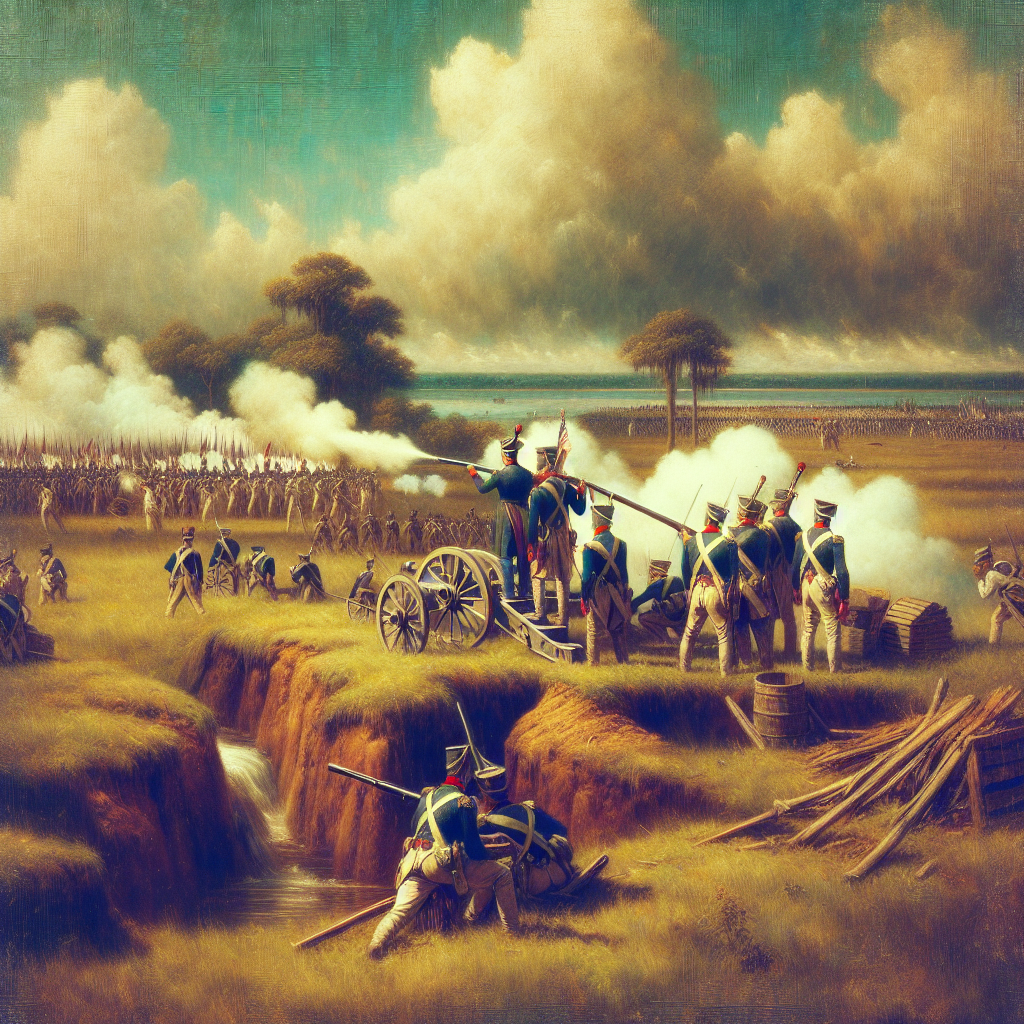
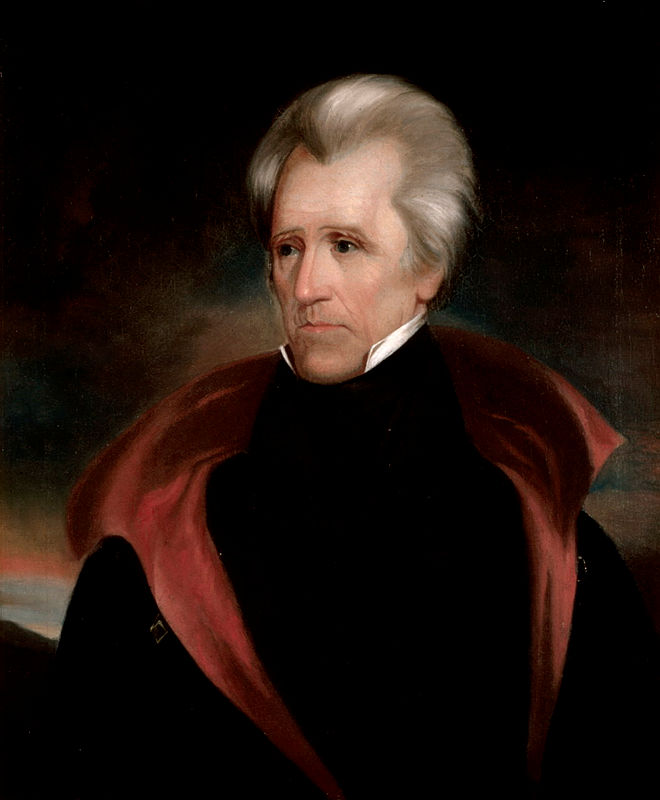
The Battle of New Orleans, fought on January 8, 1815, was the most lopsided American military victory of the 19th century — Andrew Jackson's force of frontier fighters, free Black soldiers, Choctaw warriors, and Jean Lafitte's pirates destroyed a British army twice its size in roughly 30 minutes, suffering 71 casualties against British losses of more than 2,000. The battle was fought two weeks after the peace treaty ending the War of 1812 had been signed in Ghent, before the news arrived by ship. It changed nothing diplomatically and made Andrew Jackson a national hero, which changed everything politically.
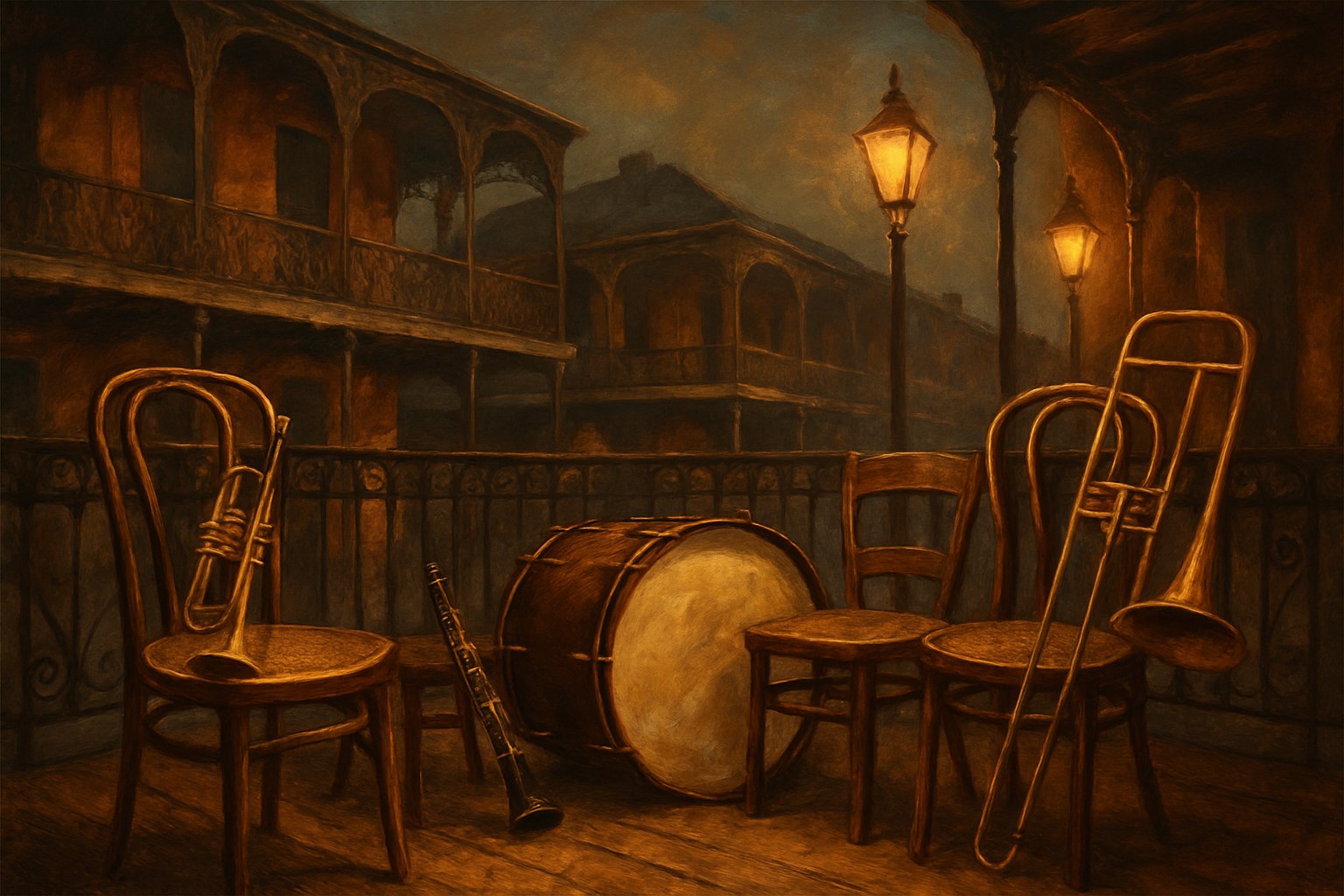
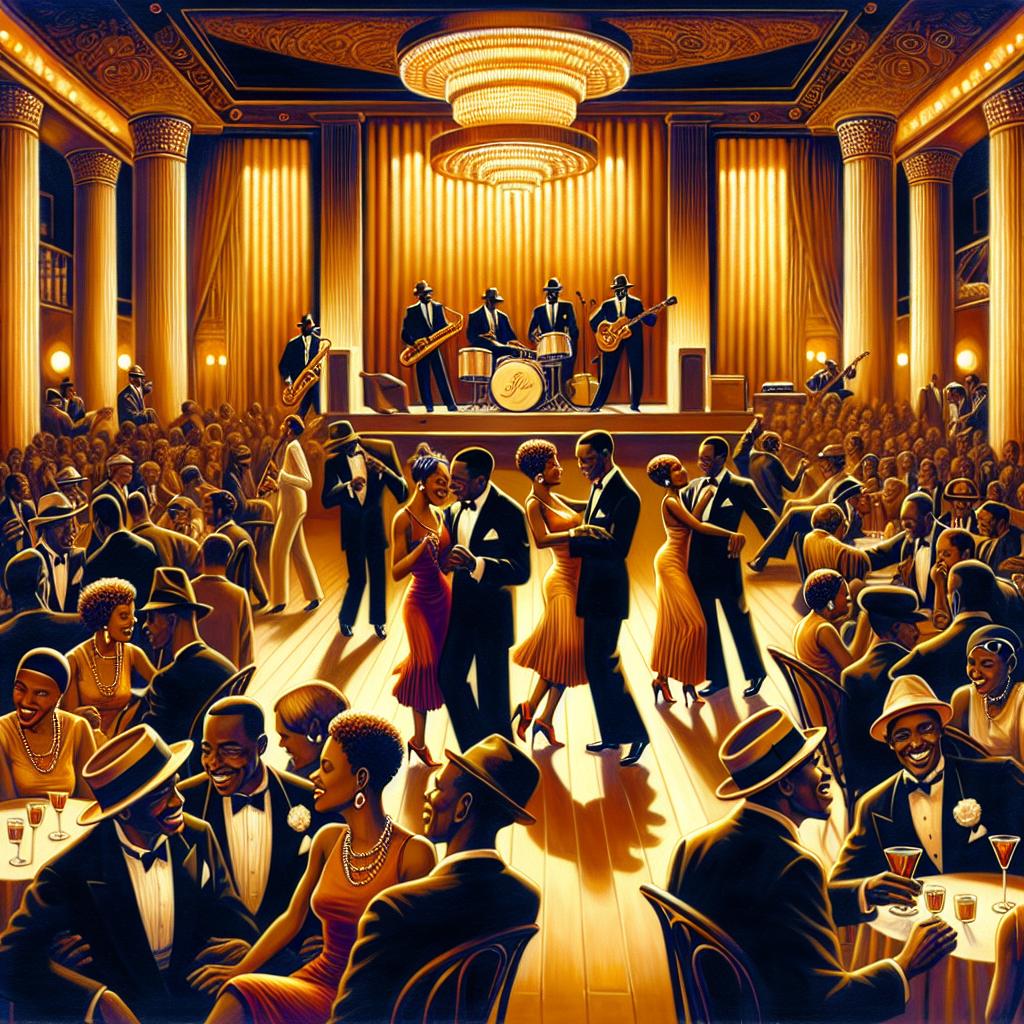
New Orleans gave the world jazz. The music that emerged from the convergence of African rhythmic traditions, European harmonics, Creole culture, and the specific geography of a port city full of sailors, prostitutes, gamblers, and musicians in the neighborhood of Storyville — where prostitution was legal and live music was in constant demand — was unlike anything that existed before. Louis Armstrong, born in New Orleans in 1901, carried it out of the city and across the world. Hurricane Katrina made landfall on August 29, 2005, and the catastrophic failure of federally built levees flooded 80 percent of the city, killing more than 1,800 people and exposing with brutal clarity the degree to which the United States had decided which of its citizens were expendable. The city rebuilt, partially and unevenly, and the music never stopped.

| Founded | 1718 (French) |
| Colonial history | French → Spanish → French → U.S. (1803) |
| Population | ~383,000 (city); ~1.3 million (metro area) |
| Battle of New Orleans | January 8, 1815 |
| Jazz origin | c. 1890s–1910s, Storyville and Congo Square |
| Hurricane Katrina | August 29, 2005; >1,800 deaths; 80% of city flooded |
| Notable native | Louis Armstrong (1901–1971) |
| Years | 1718 |
| Location | New Orleans, Louisiana |