The Burning of Washington
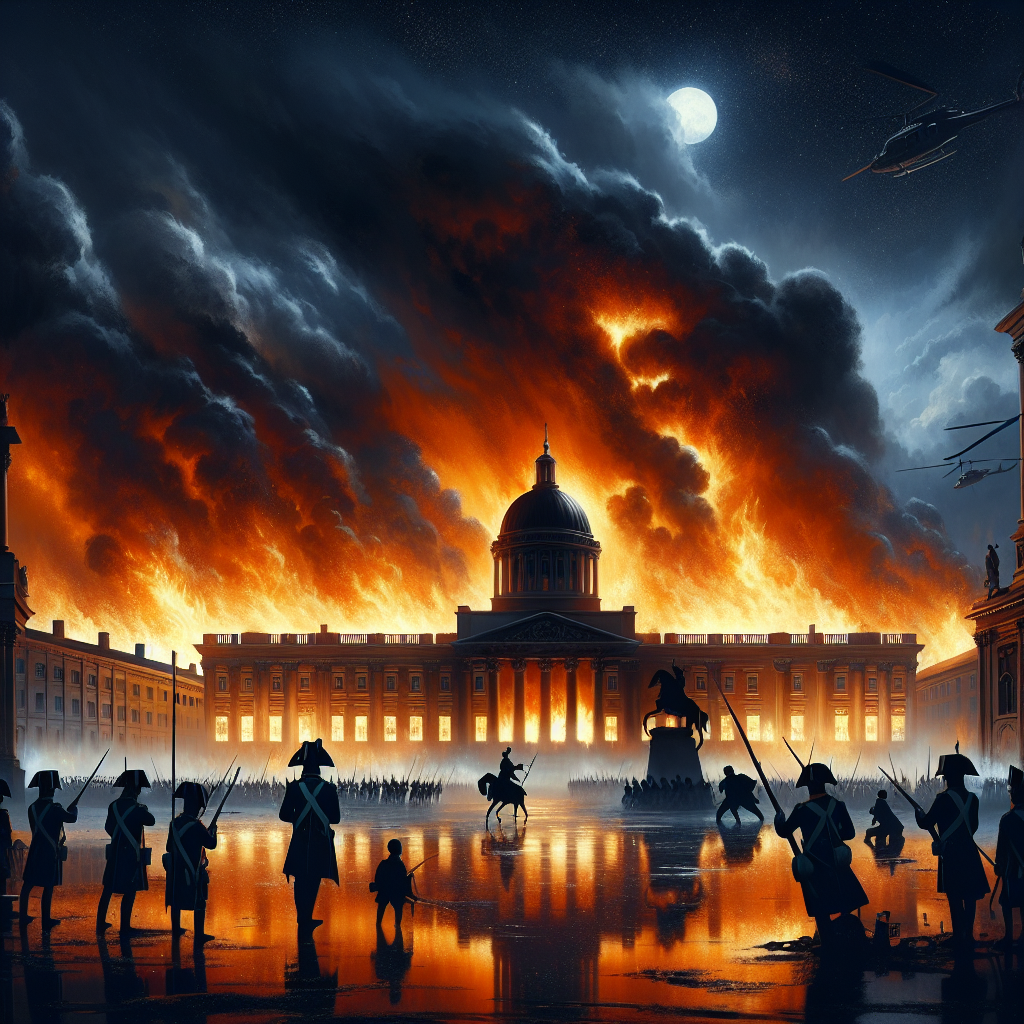
On the evening of August 24, 1814, British forces under General Robert Ross marched into Washington, D.C., and set fire to the United States Capitol. They moved next to the White House — then called the President's House — where they found a dinner table set for 40 guests. President Madison had fled hours earlier. The soldiers ate the meal, then burned the building. Before the night was over, the Capitol, the White House, the Treasury, the War Department, and the Navy Yard were all on fire. It was the most humiliating night in American military history, and it had been almost entirely avoidable.
American forces at the Battle of Bladensburg on August 24 — the engagement protecting the capital — fled so quickly it was mockingly called the Bladensburg Races. The War of 1812 had been going badly for the United States almost from its opening, and British veterans freed from the Napoleonic Wars had been landing in Chesapeake Bay for weeks. Secretary of State James Monroe, moonlighting as a battlefield scout that morning, had mispositioned the American defensive line through amateur military instincts. The one exception to the rout was a naval battery under Commodore Joshua Barney that held its ground until surrounded.
First Lady Dolley Madison remained at the White House until British forces were within sight, directing staff to save the silver, Cabinet documents, and the Gilbert Stuart portrait of George Washington — carefully unscrewed from its frame, not dramatically slashed as legend has it. The occupation lasted 26 hours before a violent thunderstorm drove the British out; a tornado spawned by the burning buildings may have caused more damage than the retreat. Congress briefly considered moving the capital entirely. The War ended five months later in the stalemate Treaty of Ghent. Andrew Jackson's victory at New Orleans — fought two weeks after the treaty was signed — gave Americans a narrative of eventual triumph to paper over the memory of the burning.
| Date | August 24–25, 1814 |
| Conflict | War of 1812 |
| British commander | General Robert Ross |
| Buildings burned | Capitol, White House, Treasury, War Department, Navy Yard |
| U.S. disaster at | Battle of Bladensburg, August 24 |
| British occupation | ~26 hours |
| Dolley Madison saved | Cabinet documents, silver, Gilbert Stuart portrait of Washington |
| Historical distinction | Only foreign occupation of Washington in American history |
| Date | August 24–25, 1814 |
| Location | Washington, D.C. |