American National Symbols, Explained
A country assembled from many peoples and spread across a continent had to invent the symbols that would stand for it. The United States did so deliberately, fixing a flag and a seal while it was still fighting for its life, and adding emblems ever since — a bird, a song, a personification, a cracked bell, a statue, a string of holidays. Most Americans absorb this vocabulary of nationhood before they can name a single founder.
This guide gathers the major national symbols and explains where each came from and how its meaning has shifted. It runs from the flag and the anthem, through the emblems of the republic and its great monuments, to the oaths and holidays that mark the civic year. Each entry links to a full account.
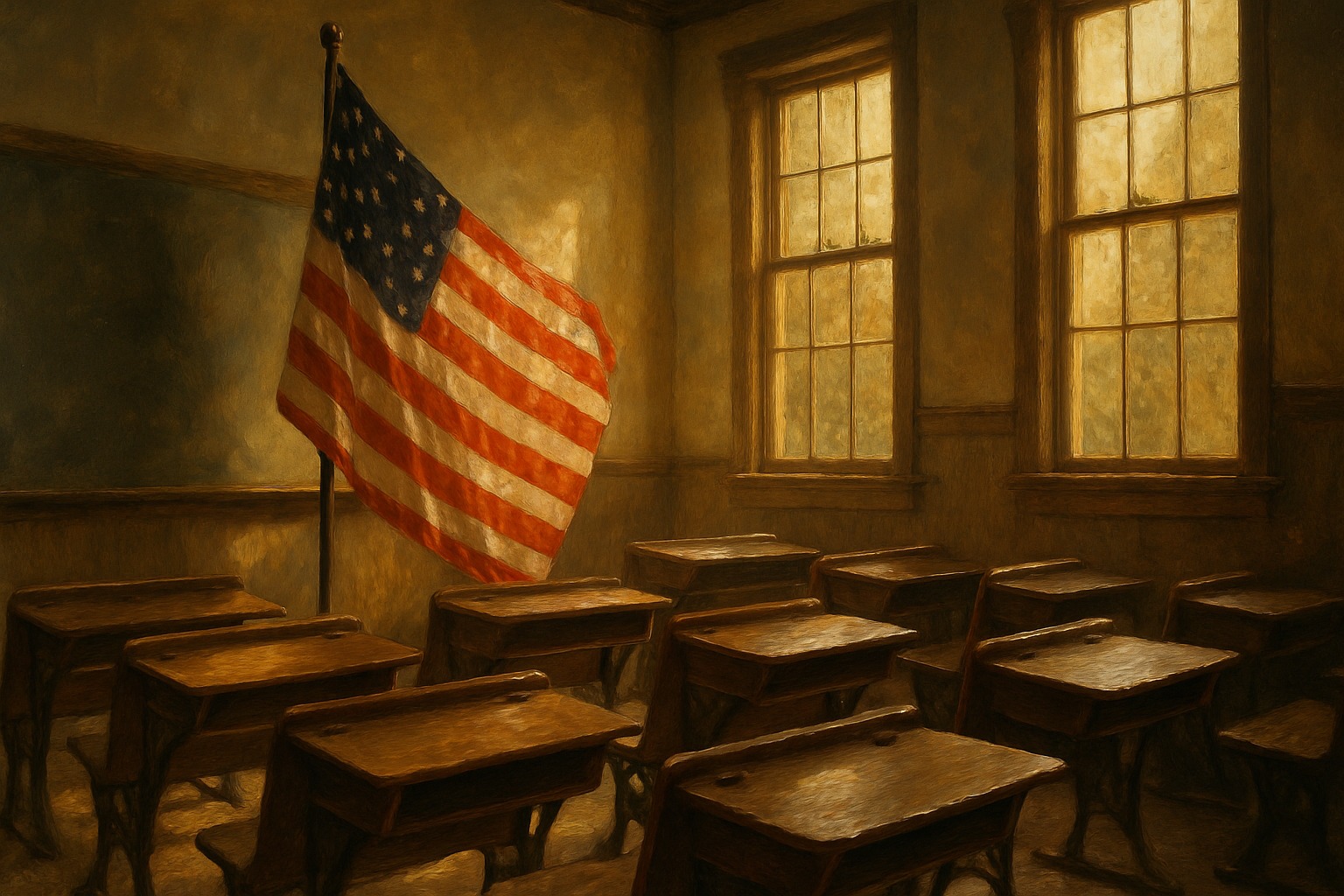
The two symbols Americans encounter most often are bound to each other. The flag was fixed by Congress in 1777 and has gained a star with every state; the anthem was written in 1814 by a man watching that same flag survive a night's bombardment. Together they open ball games and ceremonies, and together they have become the country's most frequent stage for both patriotism and protest. These entries cover the banner and the song.

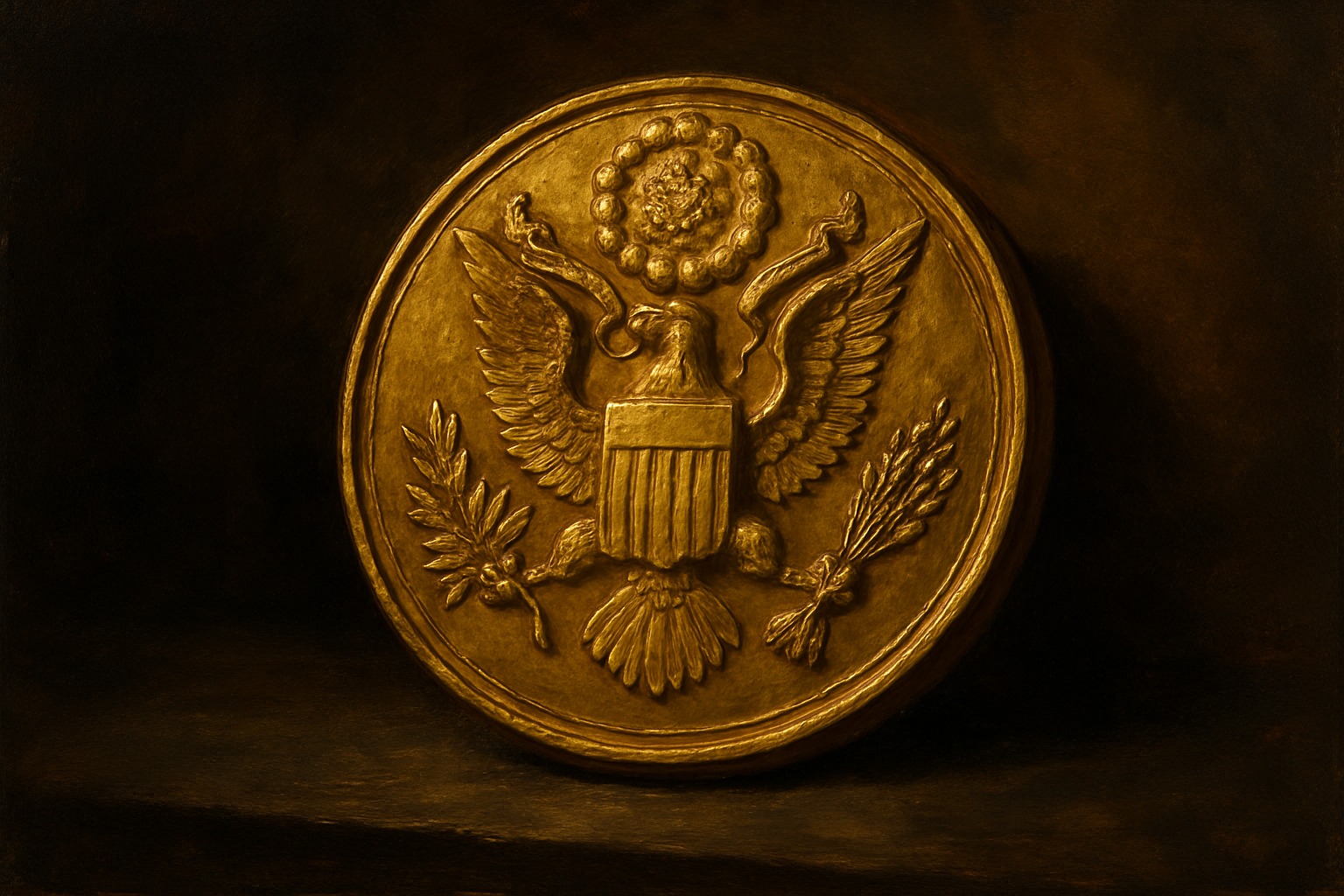
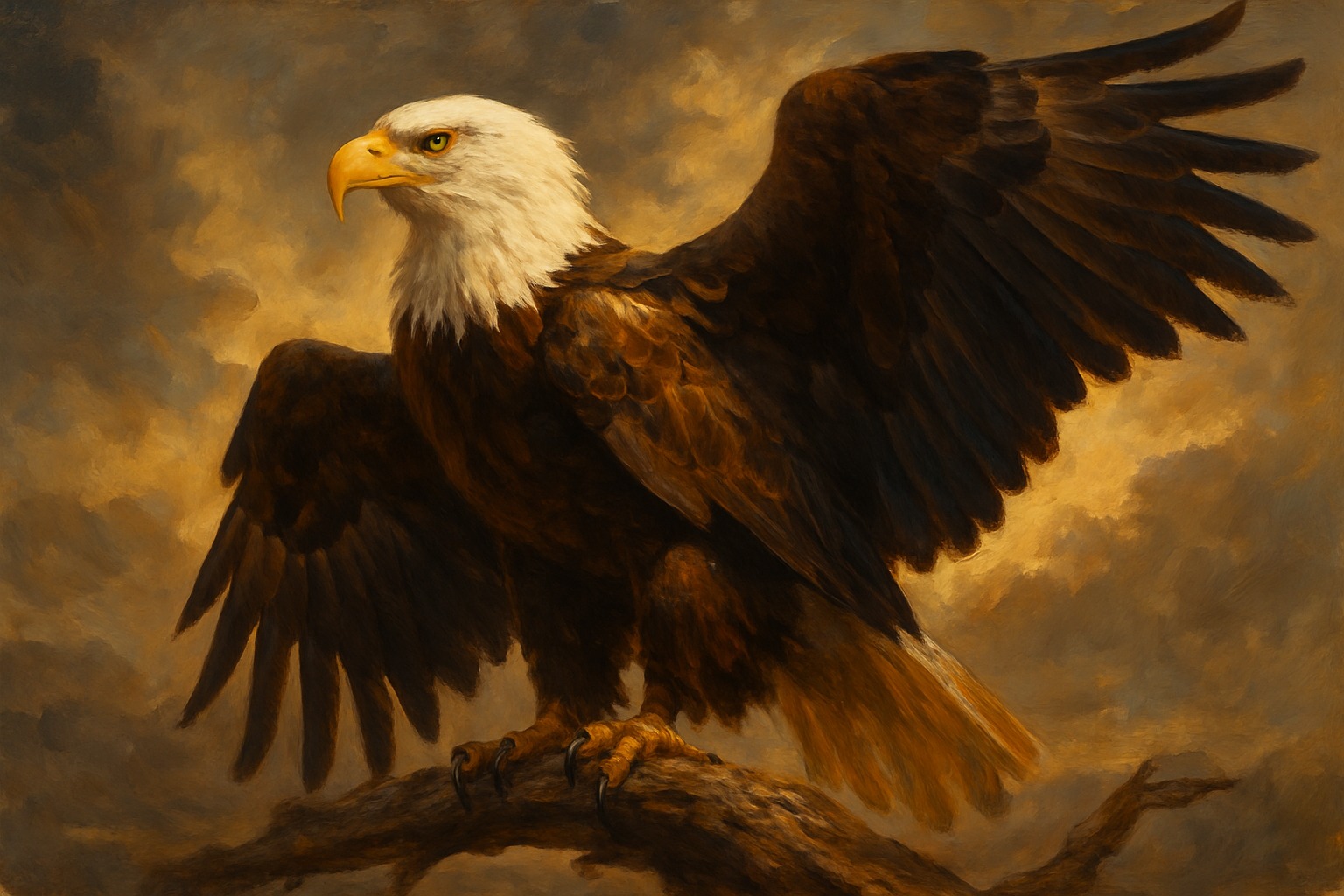
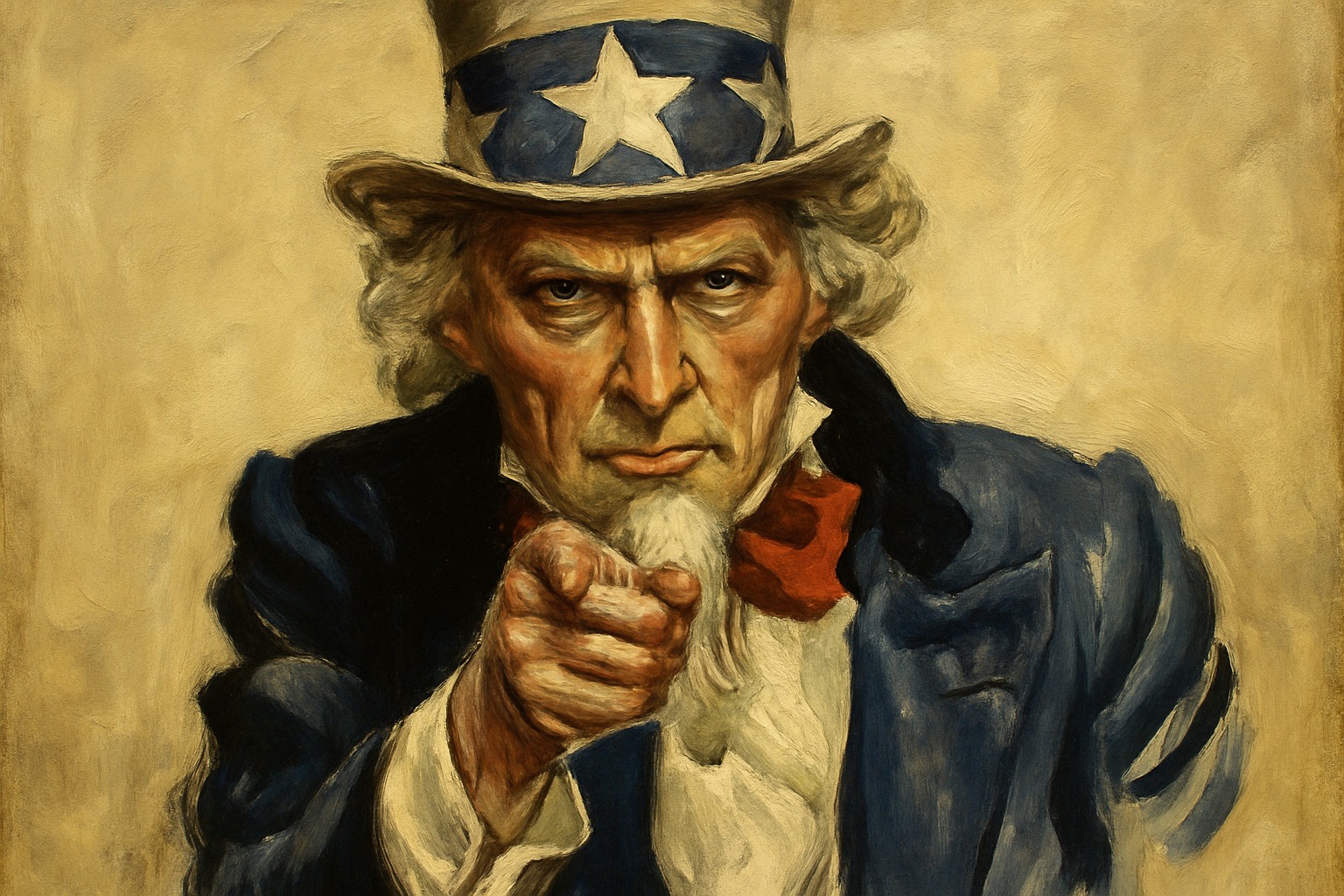
Beneath the flag sits a deeper layer of official emblems, most of them chosen at the founding. The Great Seal, adopted in 1782, gave the nation its eagle and its motto; the bald eagle became the living symbol of American strength; and Uncle Sam grew from a wartime joke into the human face of the government itself. These entries cover the emblems that represent the republic in law and in caricature.
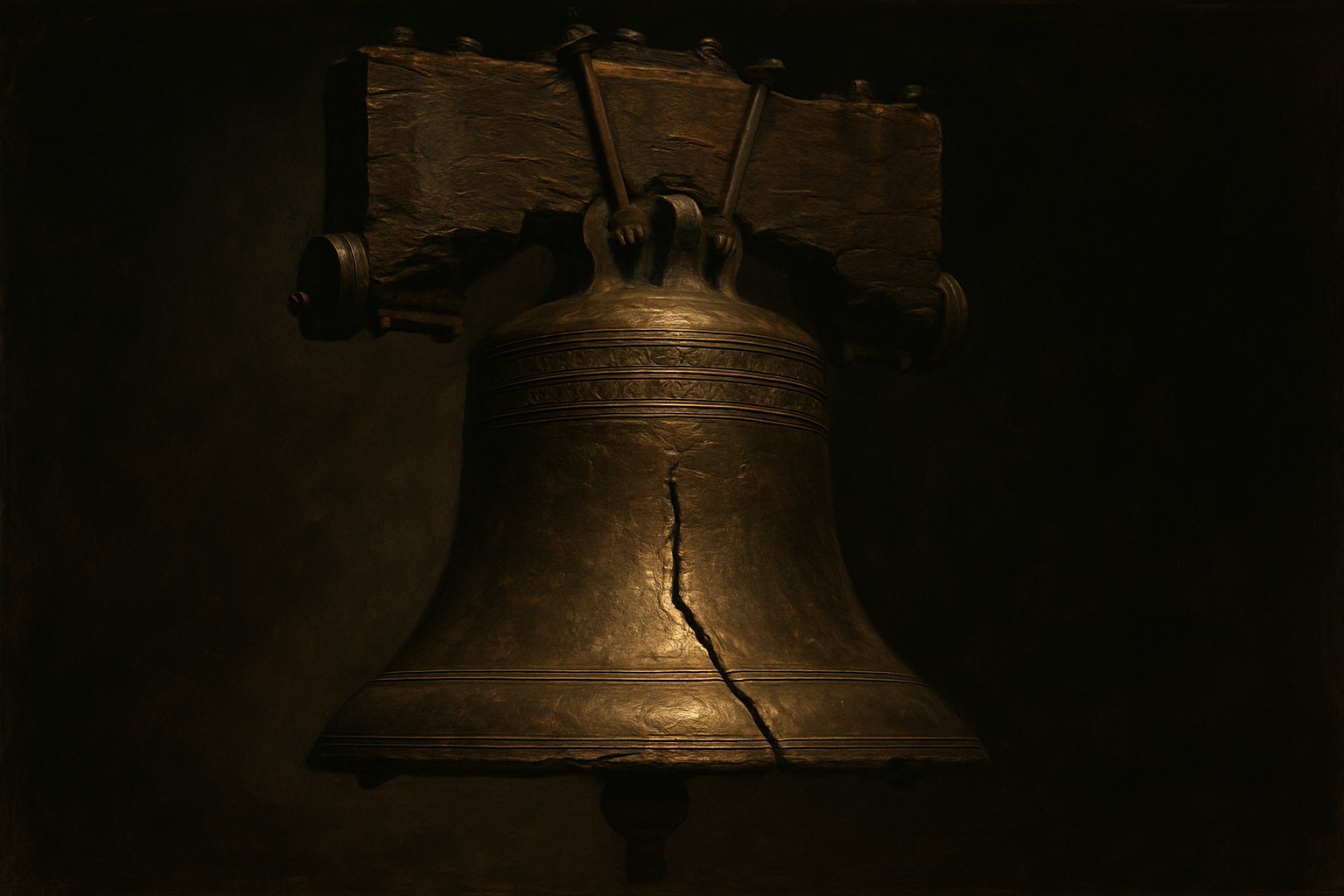
Some symbols are places you can stand before. The Statue of Liberty greeting ships in New York harbor, the cracked Liberty Bell in Philadelphia, and the colossal faces on Mount Rushmore each turned an idea about the nation into something monumental and physical. These entries cover the great American icons set in copper, bronze, and granite.


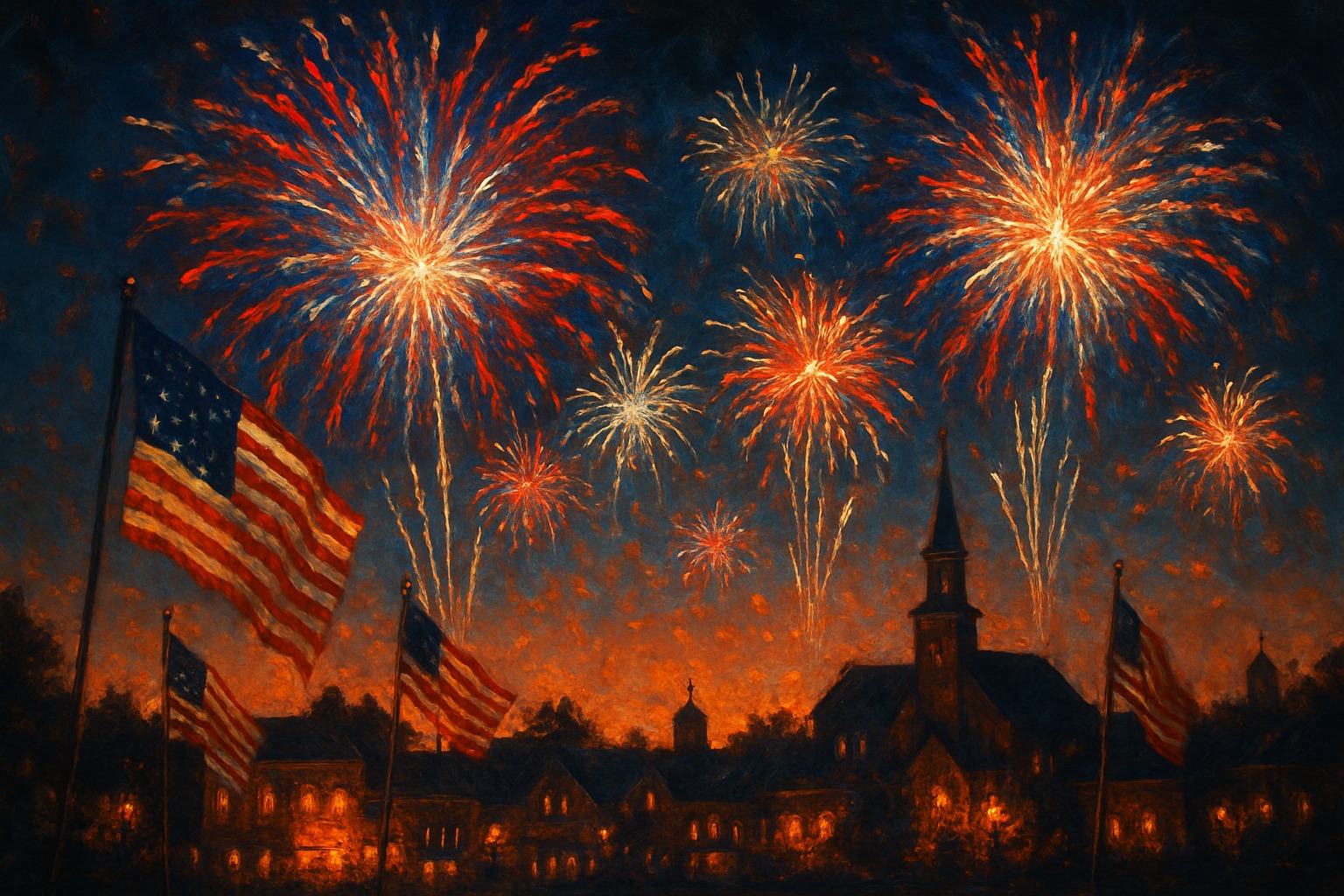
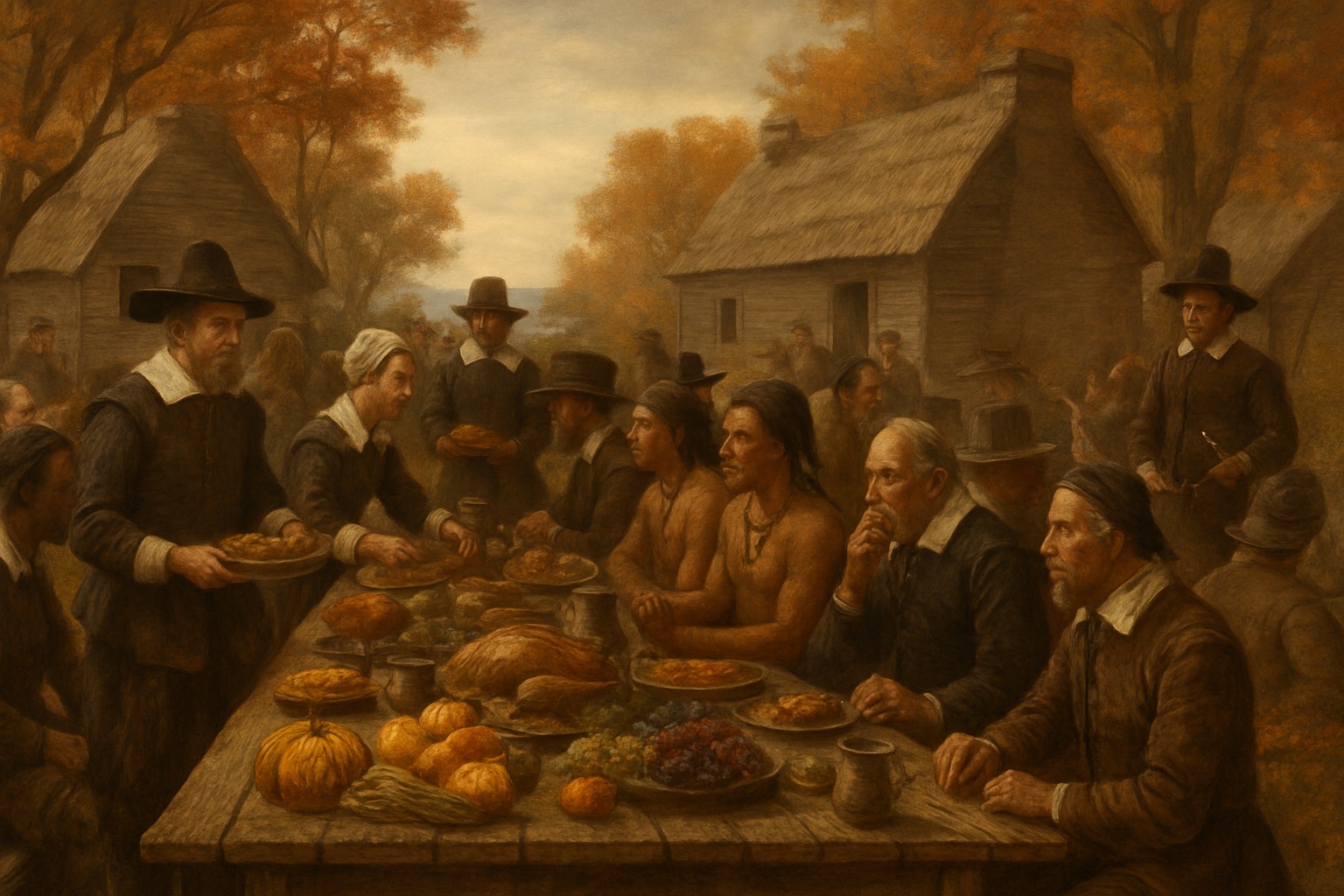
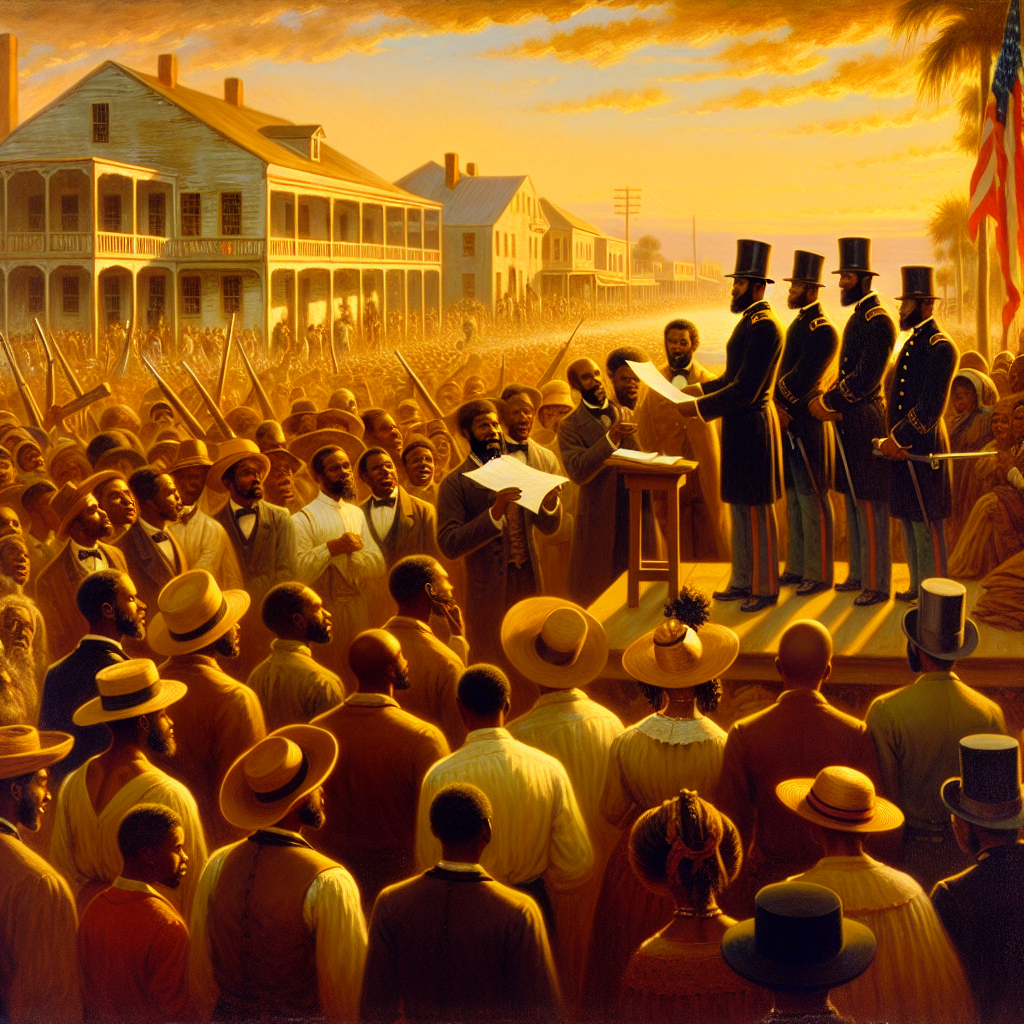
A nation is also held together by what it says and what it celebrates. The Pledge of Allegiance scripts a daily oath of loyalty, while the great holidays — the Fourth of July, Thanksgiving, and now Juneteenth — mark the civic year and tell the country a story about its own origins and ideals. These entries cover the words and days through which Americans rehearse their nationhood.
Several symbols trace back to the same founding moment — read the guide to the Declaration of Independence and the story of the Founding Fathers who chose them.