Labor Day
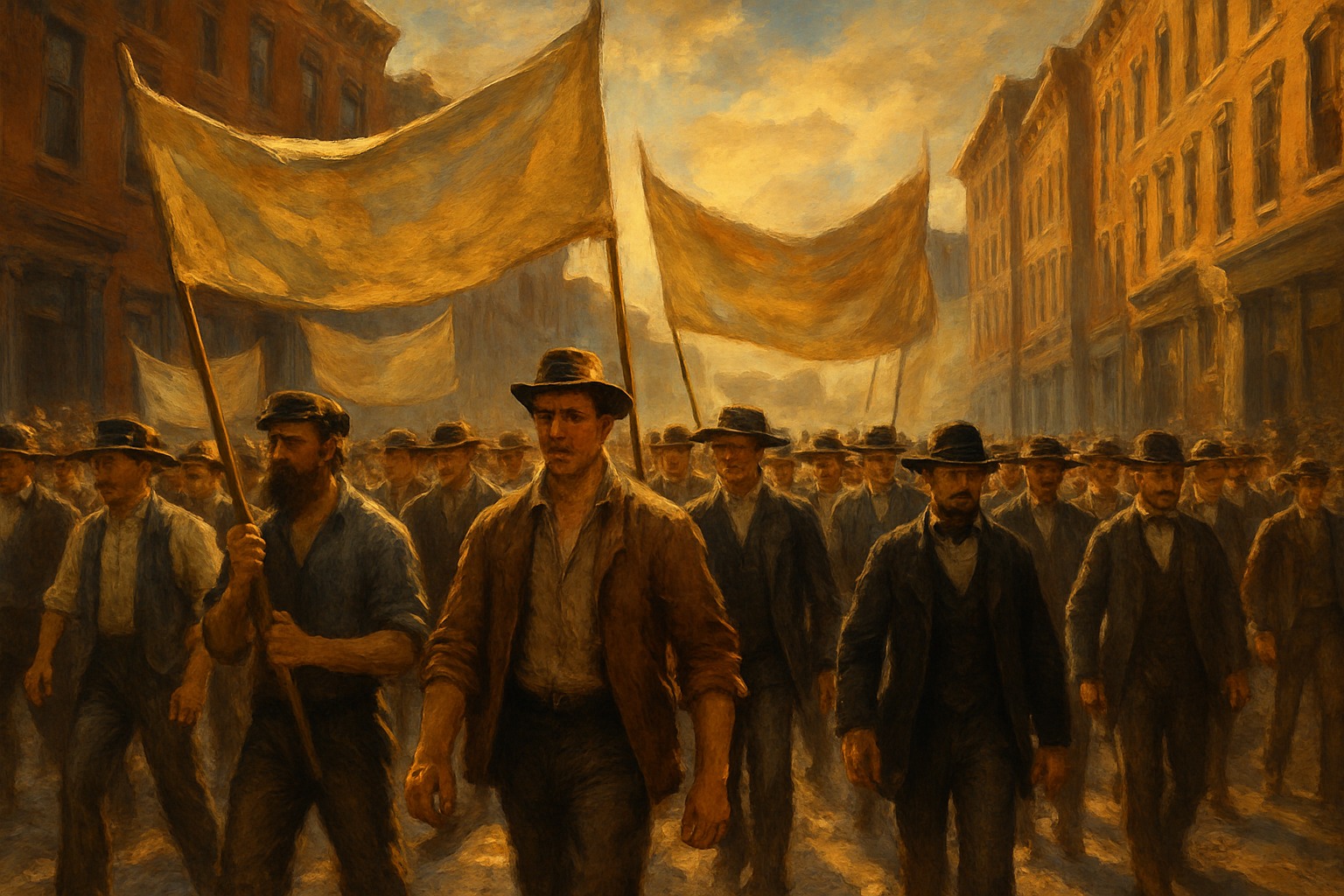
Labor Day, the first Monday in September, is the American holiday dedicated to the achievements of working people. It grew directly out of the labor movement of the late nineteenth century, when unions, fighting for shorter hours and better pay, sought a day to honor the worker and to demonstrate their growing strength. The first Labor Day was a parade organized by unions in New York City in 1882.
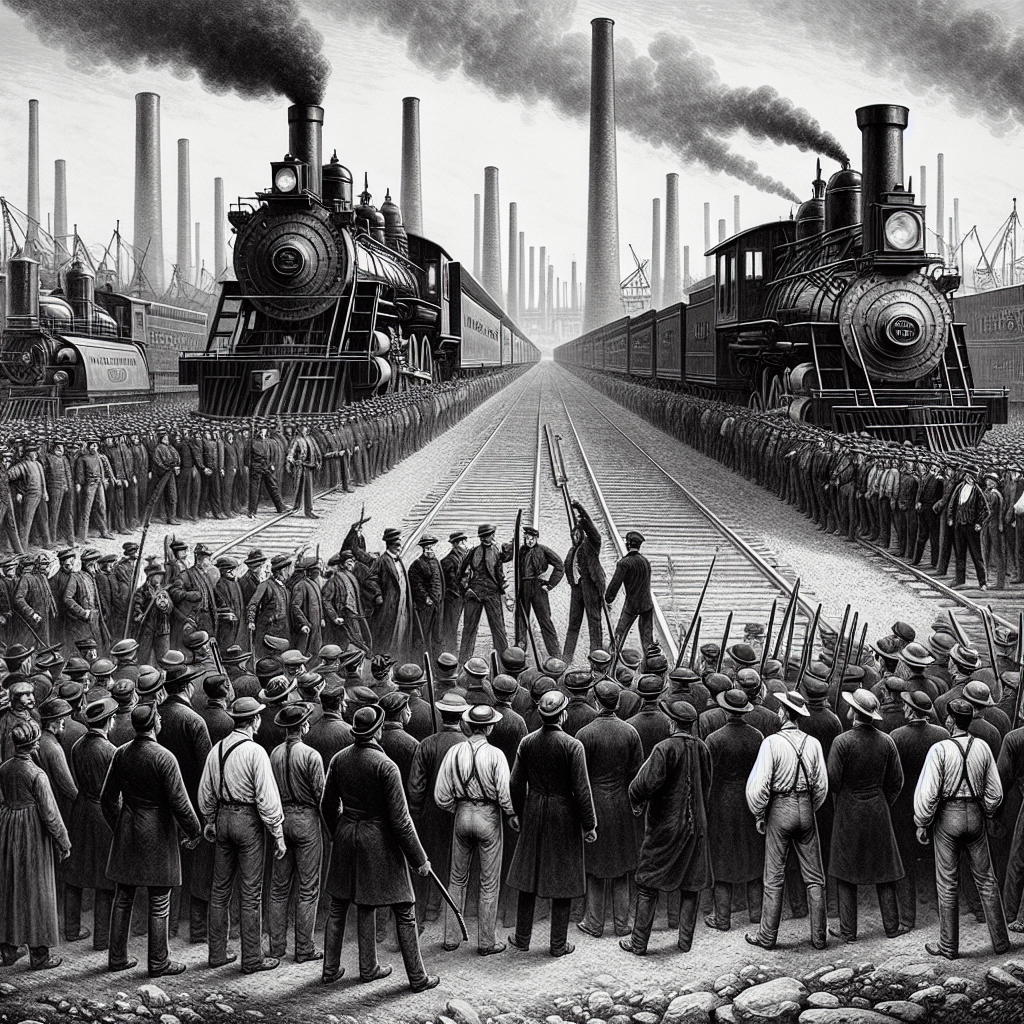
The idea spread through the 1880s as states began to recognize the holiday. Its national adoption came in the shadow of conflict. In 1894 the Pullman Strike, a nationwide railroad walkout, was crushed by federal troops, and several workers were killed. Seeking to mend relations with American labor, President Grover Cleveland and Congress made Labor Day a federal holiday that same year, just days after the strike ended.
The United States deliberately placed its workers' holiday in September rather than on May 1, the International Workers' Day observed in much of the world. May Day had become associated with the 1886 Haymarket affair in Chicago and with socialism and radicalism, and American officials preferred a September date free of those connotations — a distinctly American labor holiday.
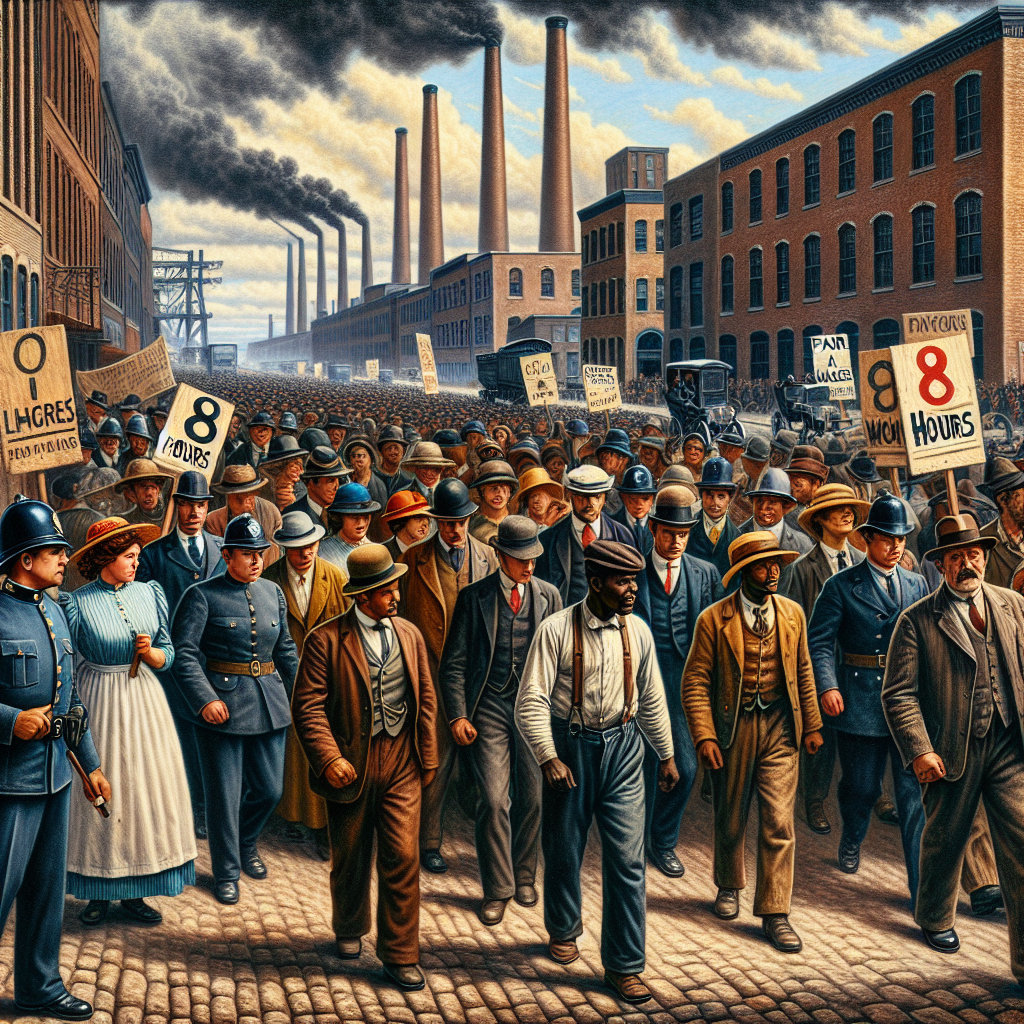
Over time the holiday's political edge softened into a celebration of the end of summer, marked by cookouts, sales, and a long weekend before the school year. But its origins remain in the union halls and parades of the Gilded Age, a reminder that the eight-hour day and the weekend were not gifts but victories won by organized labor.
| Observed | First Monday in September |
| Honors | American workers and the labor movement |
| First Held | New York City parade, 1882 |
| Federal | Made a national holiday in 1894 |
| Not May 1 | Kept separate from radical-tinged May Day |
| Date | Since 1882; federal 1894 |