Fort McHenry
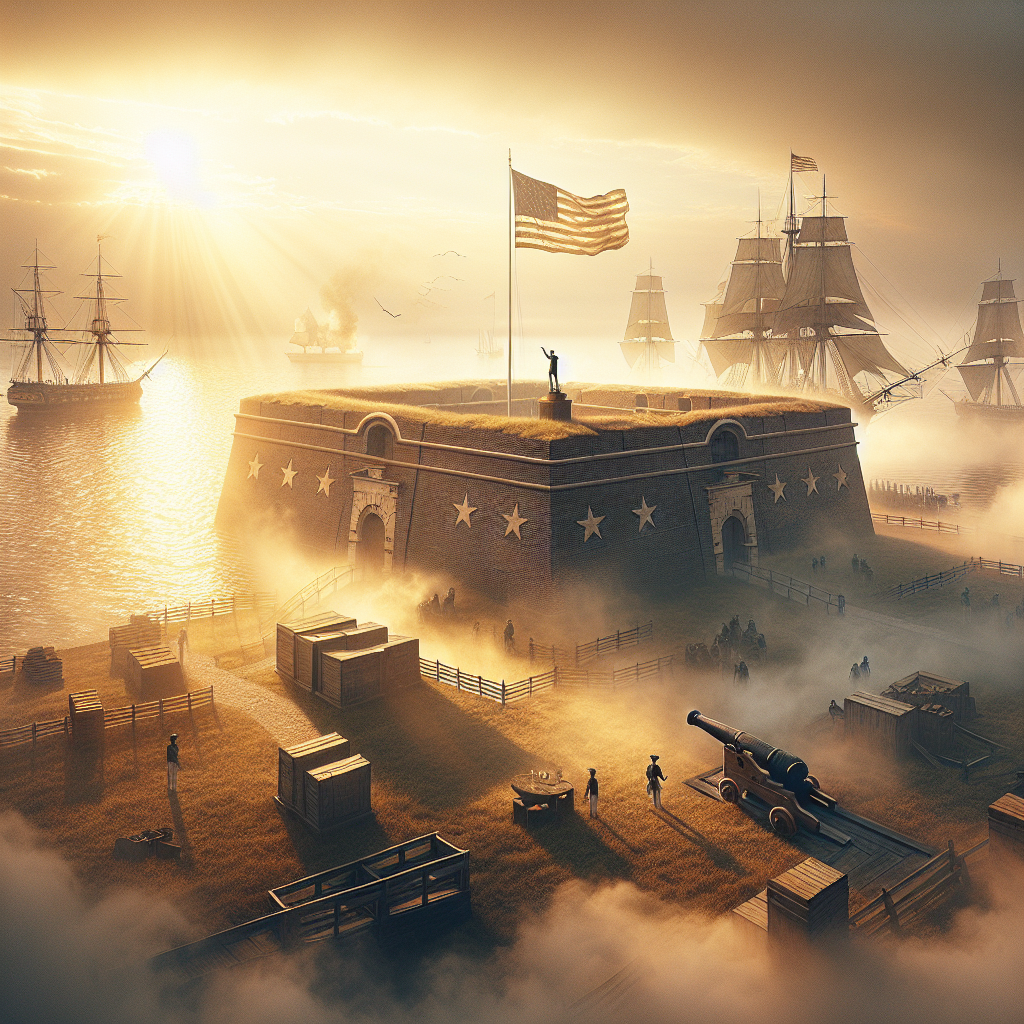
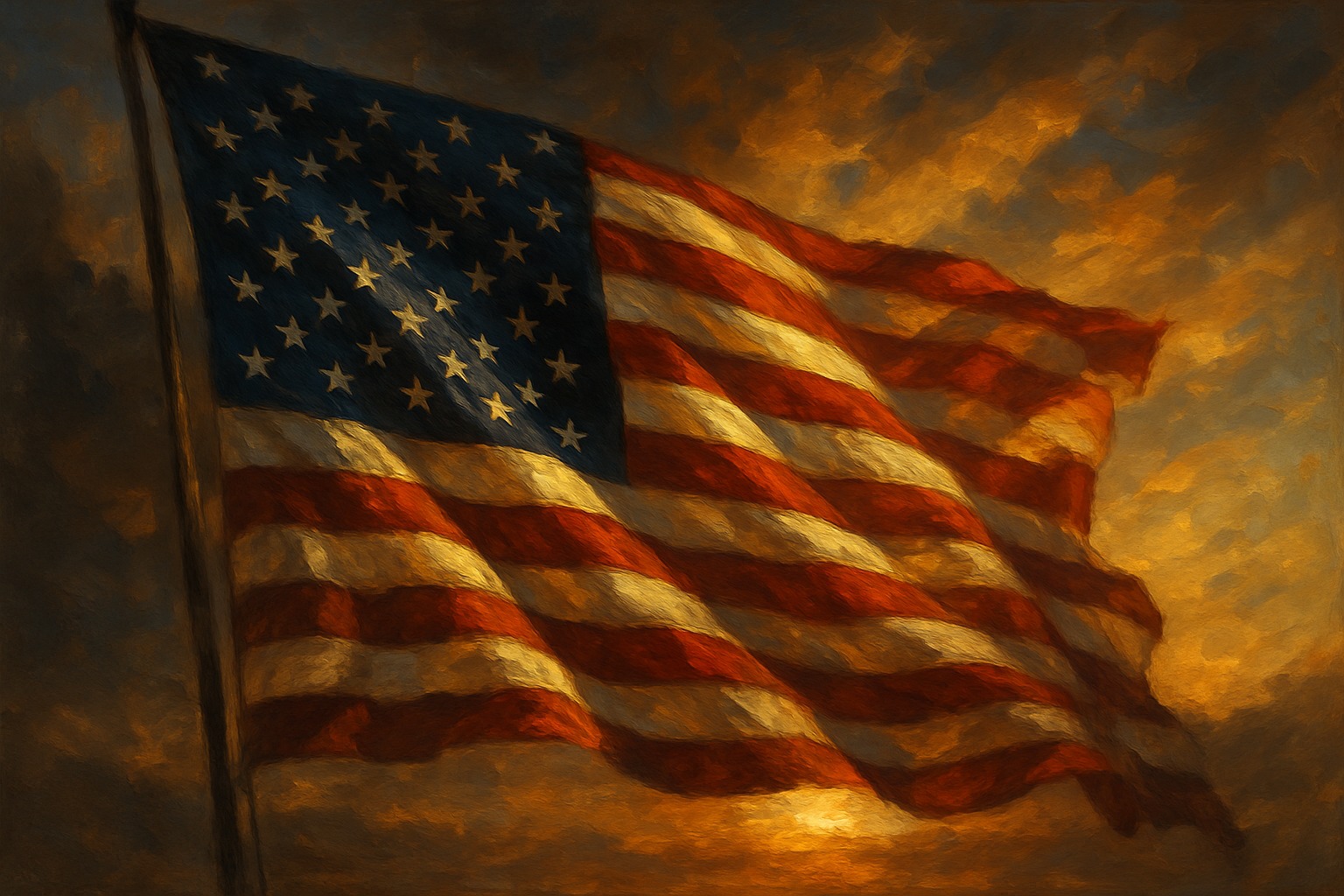
On the morning of September 14, 1814, a Washington lawyer named Francis Scott Key stood on the deck of a British naval vessel in Baltimore Harbor — he had come under a flag of truce to negotiate a prisoner exchange — and watched the sun rise over Fort McHenry to reveal the American flag still flying above it. The British fleet had bombarded the fort for 25 hours with rockets and cannon fire. The fort had not surrendered. Key pulled an old letter from his pocket and began writing on the back. The result, set to the tune of a popular British drinking song, became "The Star-Spangled Banner."
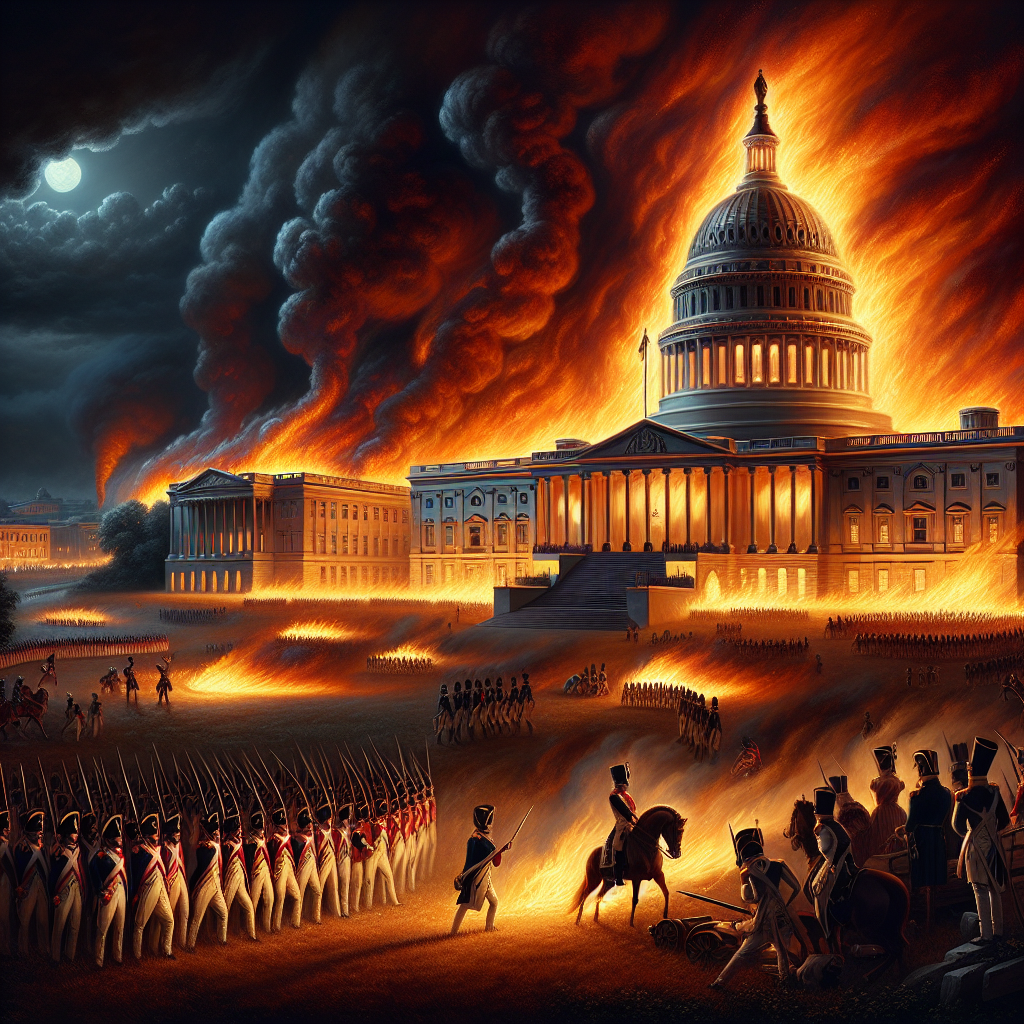
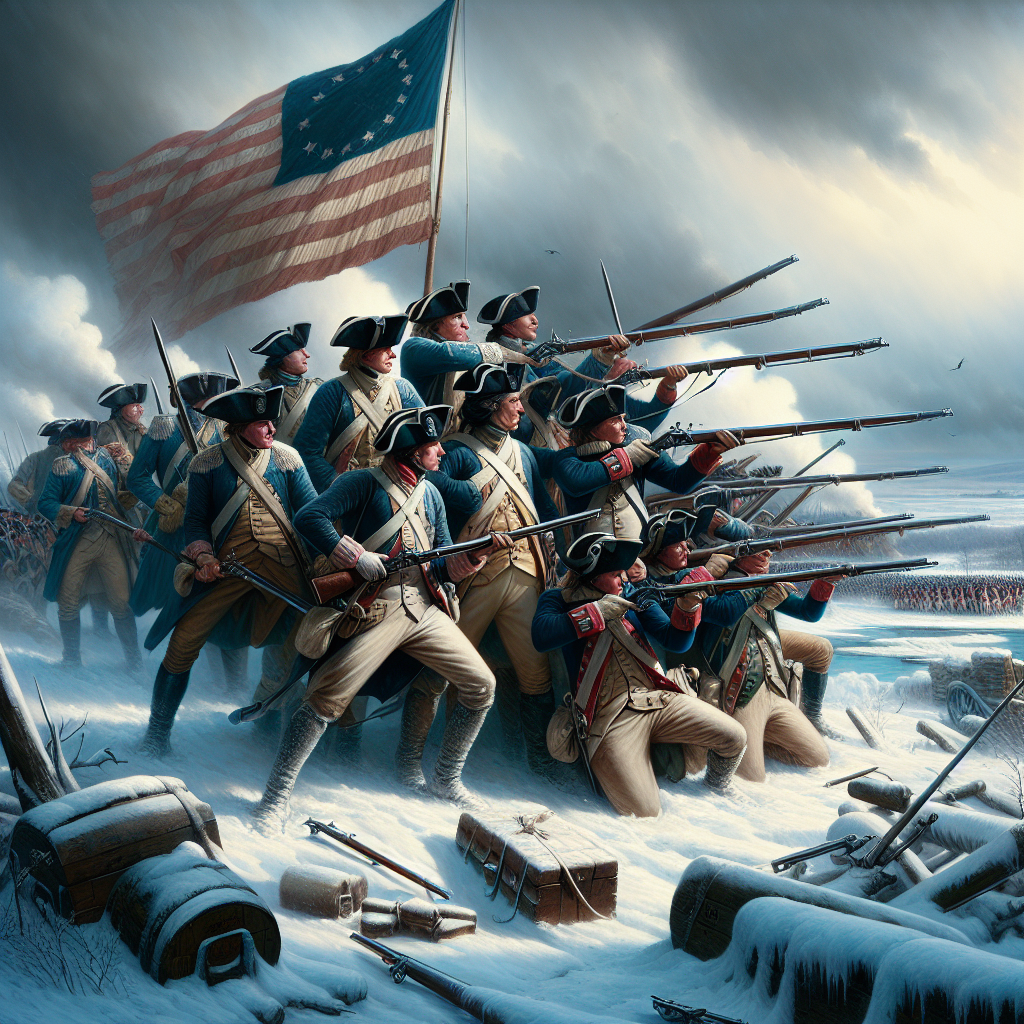
Fort McHenry had been built in the 1790s to defend Baltimore, then one of the most important ports in the young republic, and the British understood that taking it meant taking the city. The September 1814 attack came three weeks after British forces had burned Washington — the White House, the Capitol, the Treasury — and the psychological moment could hardly have been more fraught. Major George Armistead commanded roughly 1,000 defenders who endured approximately 1,800 shells and rockets over 25 hours while being unable to effectively return fire. Their orders were to hold. They held.
The battle was part of a broader British campaign in the Chesapeake that failed at Baltimore after succeeding so dramatically at Washington, and the combination — the capital burned, Baltimore held — produced something close to what Saratoga had produced in 1777: a near-disaster reframed as proof of national resilience. The flag that flew over Fort McHenry that morning — 30 by 42 feet, sewn by Mary Pickersgill — survives today in the Smithsonian Institution's National Museum of American History, frayed and enormous and irreplaceable. Fort McHenry became a National Monument and Historic Shrine in 1925, the only site in the country to hold that precise dual designation.

| Location | Baltimore, Maryland — Patapsco River harbor |
| Constructed | 1798–1803 |
| Battle Date | September 13–14, 1814 |
| Commander | Major George Armistead |
| Bombardment | Approximately 1,800 shells and rockets over 25 hours |
| Result | British attack repulsed; Baltimore saved |
| National Anthem | "The Star-Spangled Banner" — written by Francis Scott Key; adopted by Congress, 1931 |
| Date | September 13–14, 1814 |
| Location | Baltimore, Maryland |