Veterans Day
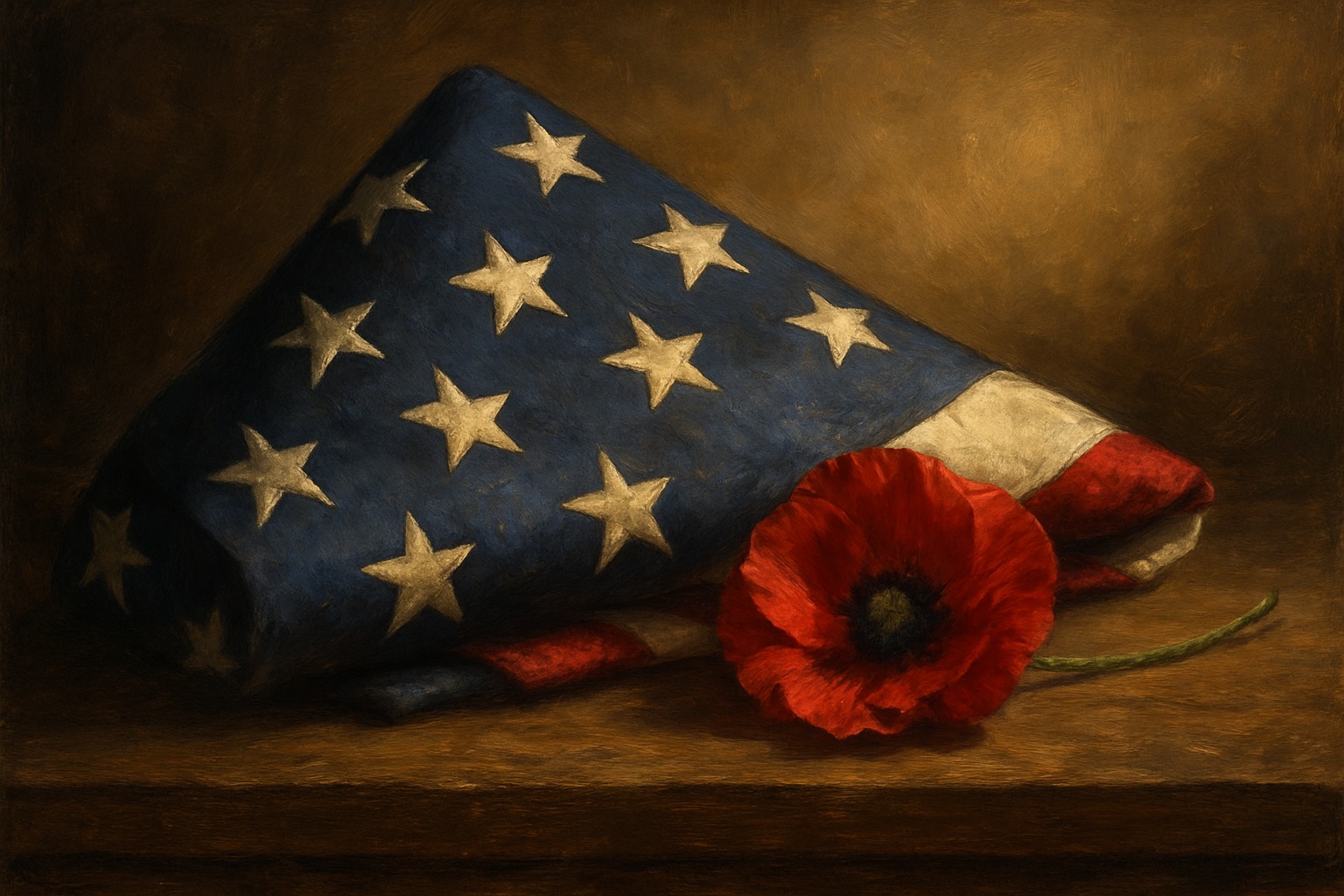
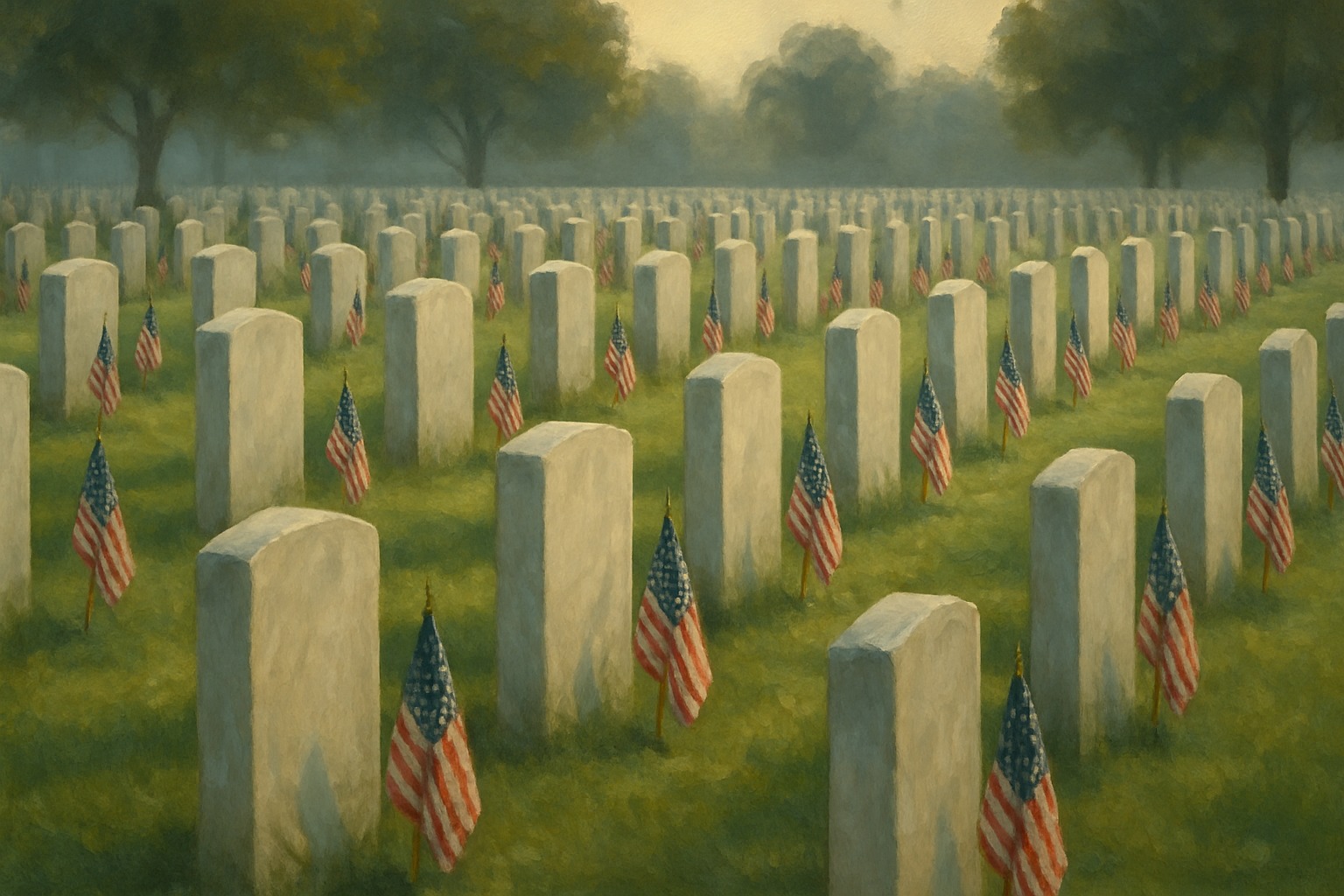
Veterans Day, observed each November 11, honors all Americans who have served in the armed forces, living and dead. It is the counterpart to Memorial Day: where Memorial Day mourns those killed in war, Veterans Day thanks every veteran for their service. The date is fixed — it does not move to create a long weekend — because the day itself carries historical meaning.
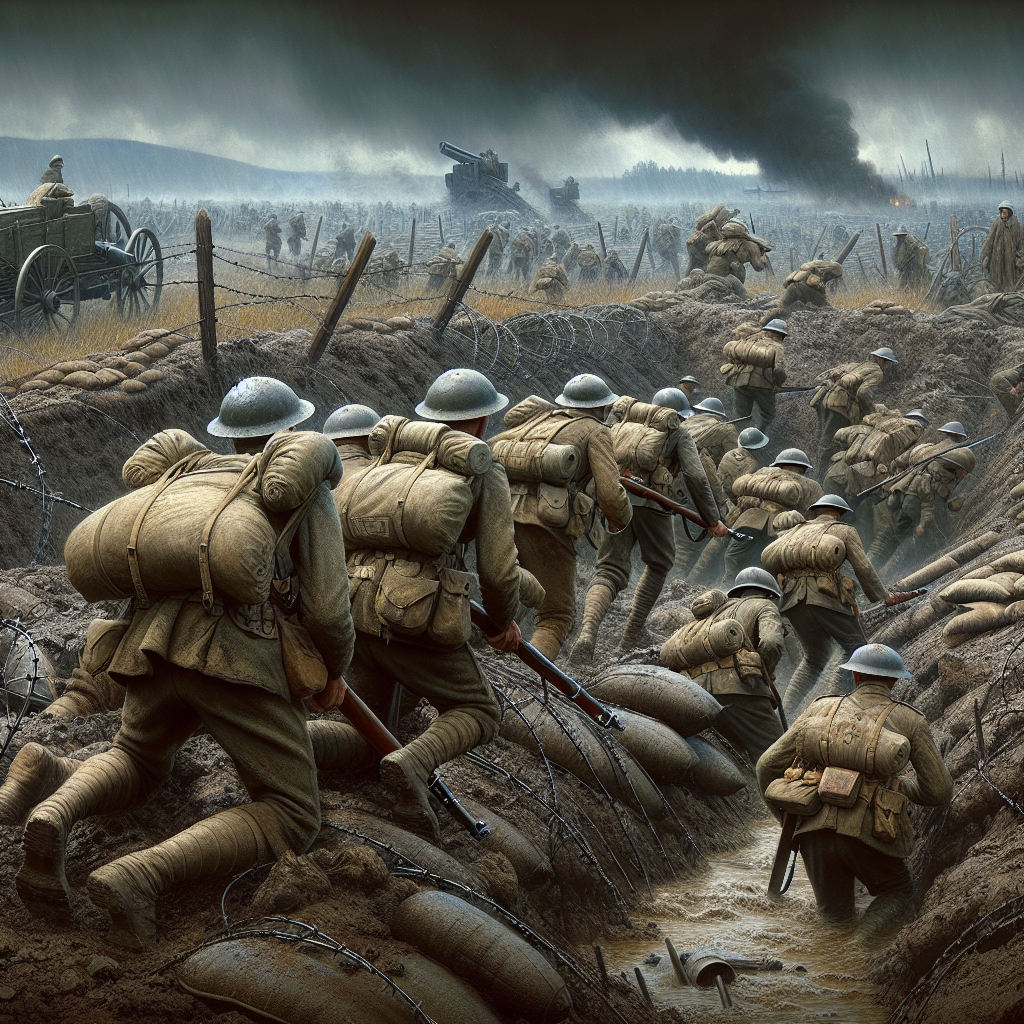
That meaning comes from the end of the First World War. The fighting stopped at the eleventh hour of the eleventh day of the eleventh month — 11 a.m. on November 11, 1918 — when an armistice took effect. The following year President Woodrow Wilson proclaimed November 11 as Armistice Day, a commemoration of the war's end and of the sacrifice it had demanded. Congress made it a legal holiday in 1938.
After the United States fought the Second World War and the Korean War, the holiday's focus widened. In 1954, at the urging of veterans' groups, Congress changed the name from Armistice Day to Veterans Day so that it would honor American veterans of all wars, not only those of World War I. A brief experiment in the early 1970s moved the date, but the change was unpopular and November 11 was restored in 1978.
November 11 remains a day of parades, ceremonies, and a wreath-laying at the Tomb of the Unknown Soldier at Arlington. It is observed in many other countries as Armistice Day or Remembrance Day, often marked by a red poppy worn in memory of the war dead — a shared inheritance of the 1918 armistice that first gave the day its date.
| Observed | November 11 |
| Honors | All who served in the armed forces |
| Origin | Armistice Day, ending WWI on Nov. 11, 1918 |
| Renamed | Became "Veterans Day" in 1954 |
| Vs. Memorial Day | Honors the living; Memorial Day, the dead |
| Date | Since 1919 (Armistice Day) |