Memorial Day
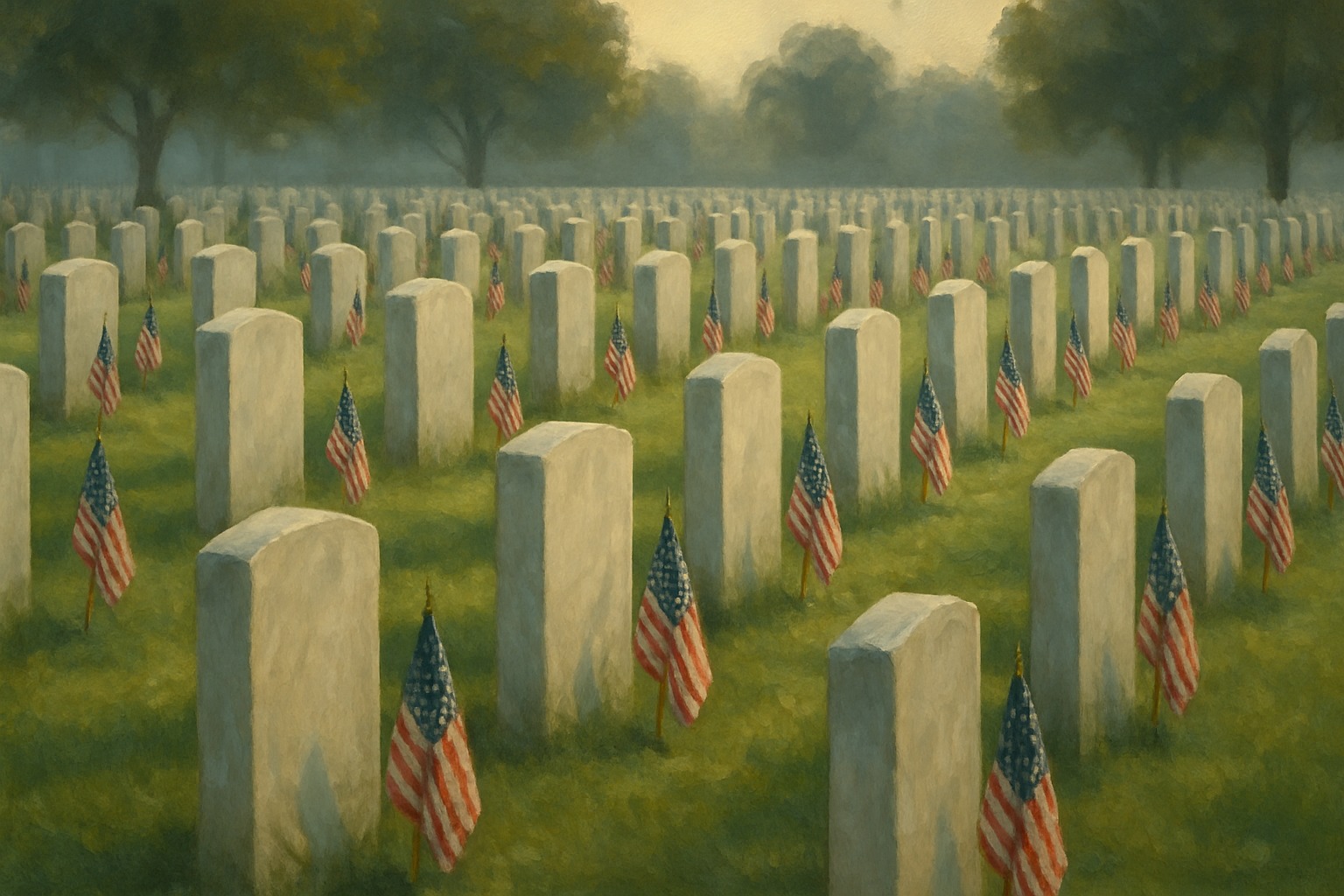
Memorial Day, observed on the last Monday in May, is the American holiday set aside to honor the men and women who died in the nation's military service. It is distinct from Veterans Day, which honors all who served: Memorial Day is for the dead. Across the country the day is marked by visits to cemeteries, the laying of flags and wreaths on graves, parades, and a national moment of remembrance.
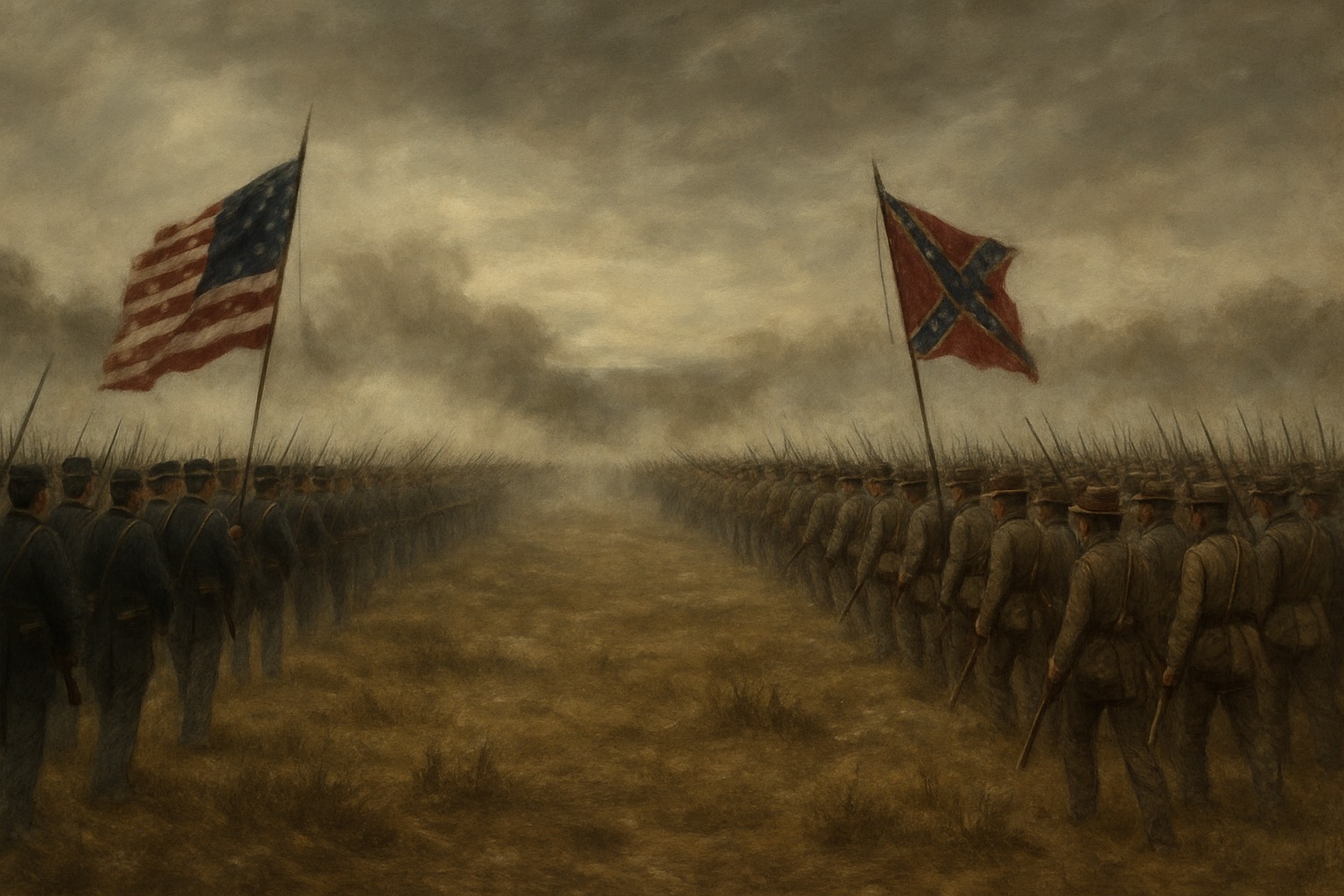
Its roots are in the Civil War, the deadliest conflict in American history, which left hundreds of thousands of graves to be tended. In the years after 1865, communities North and South held springtime ceremonies to decorate the graves of the fallen with flowers. In 1868 General John A. Logan, head of a Union veterans' organization, called for a national "Decoration Day" on May 30 to honor the Union dead, and the observance spread.
For decades it was known as Decoration Day and focused on the Civil War's dead. As the United States fought in the World Wars and beyond, the holiday broadened to honor the dead of all American wars, and the name "Memorial Day" gradually replaced the older title. In 1971 a federal law moved it to the last Monday in May, creating the three-day weekend that now unofficially marks the start of summer.
That dual identity — solemn remembrance and summer kickoff, complete with cookouts and sales — has long drawn comment, and in 2000 Congress established a "National Moment of Remembrance" at 3 p.m. local time to refocus the day on its purpose. At Arlington National Cemetery, the president lays a wreath at the Tomb of the Unknown Soldier, the holiday's most enduring ritual.
| Observed | Last Monday in May |
| Honors | Americans who died in military service |
| Origin | Decoration Day, 1868, after the Civil War |
| Renamed | Gradually became "Memorial Day" |
| Ritual | Wreath at the Tomb of the Unknown Soldier |
| Date | Since 1868 (Decoration Day) |