America's Worst Disasters in History

A disaster is not only a death toll. It is a stress test of the systems a society has built — its building codes, its levees, its hospitals, its airport security, its trust in government. The worst catastrophes in American history each exposed a weakness that had gone unexamined until the moment it failed, and the response often mattered as much as the event. A factory fire in 1911 rewrote the nation's labor laws; a hurricane in 2005 revealed how thin the federal safety net had worn; a pandemic in 1918 was so traumatic that the country half-forgot it for a century, until another plague forced the memory back.
This guide gathers the deadliest and most consequential disasters in the American record and explains what each one broke and what it built. It runs in four groups — the natural catastrophes of fire, flood, and storm; the industrial and technological failures that came with the machine age; the epidemics that overwhelmed medicine and public health; and the acts of terror and mass violence that turned ordinary days into national wounds. Each entry links to a full account. Read together, they trace a hard lesson the country has relearned again and again: the damage is rarely just the weather or the bomb, but the gap between the danger and the preparation.
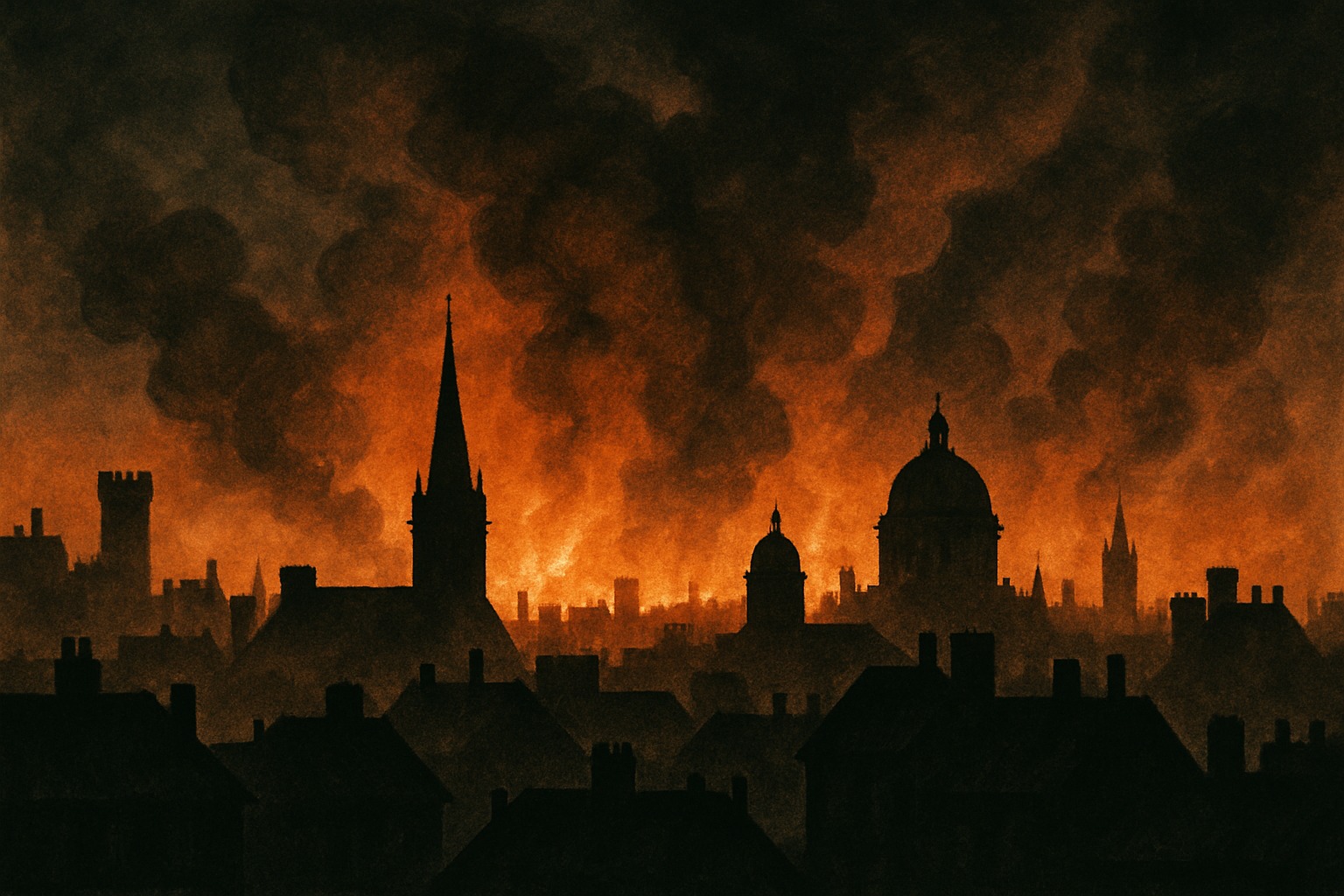
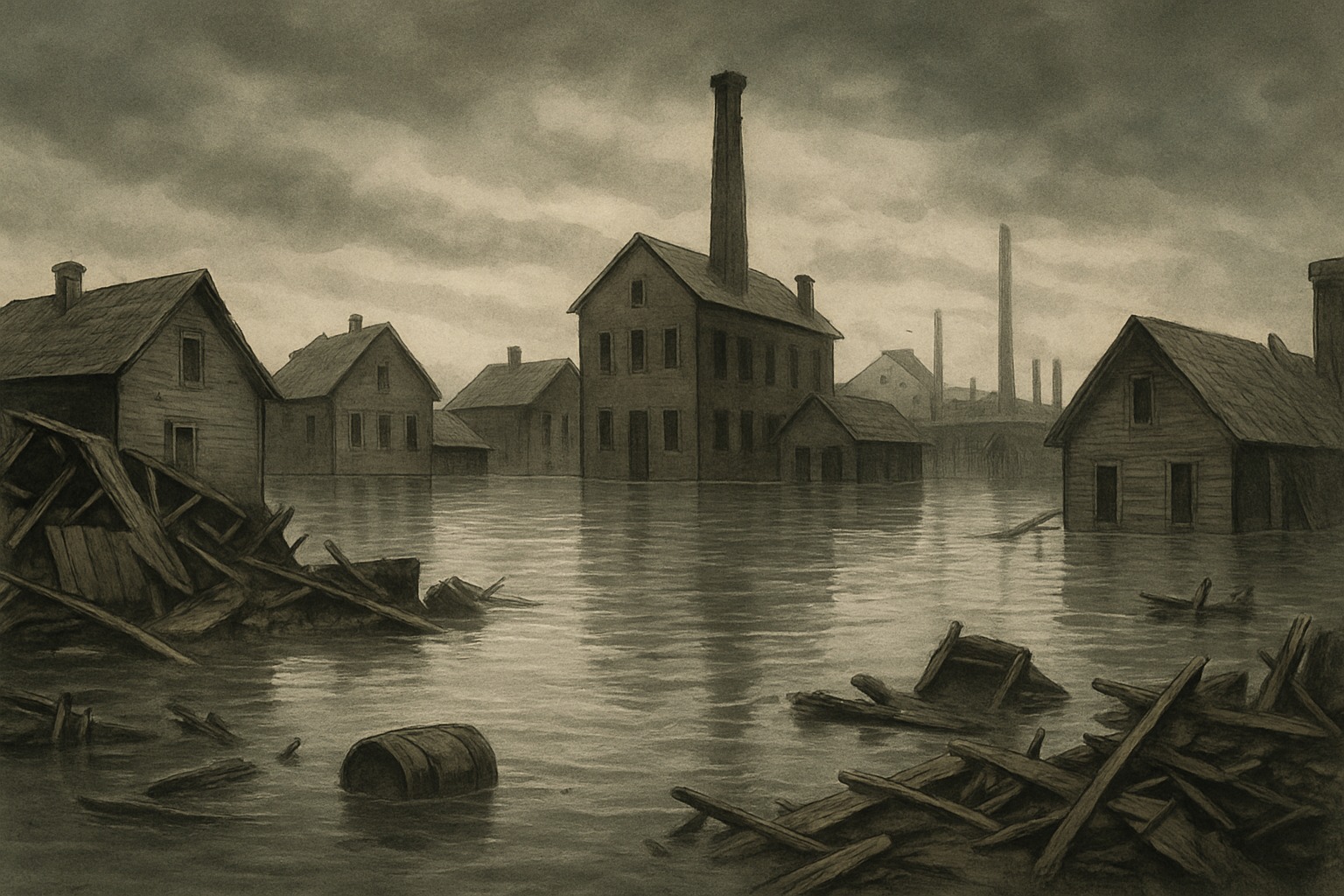
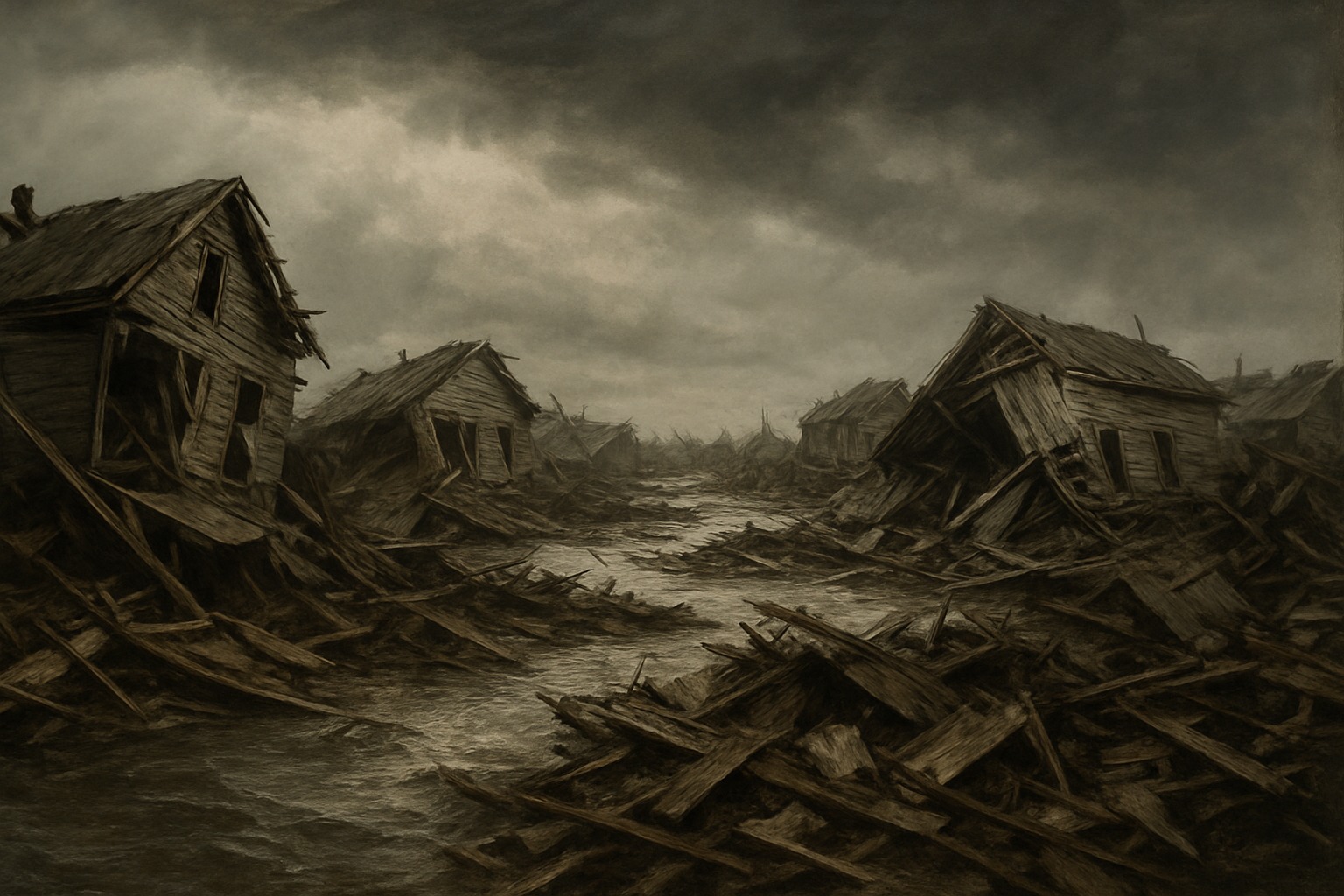
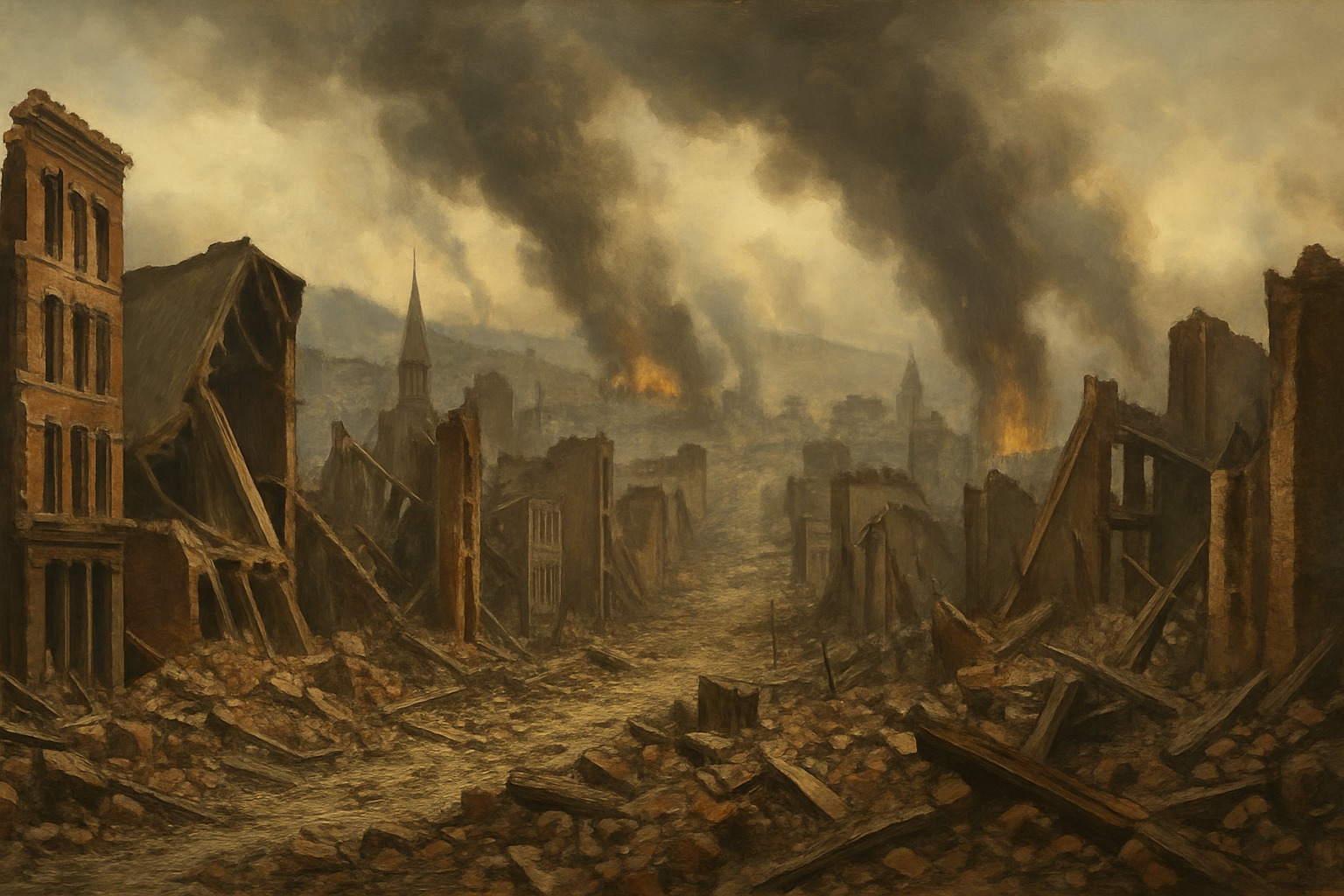
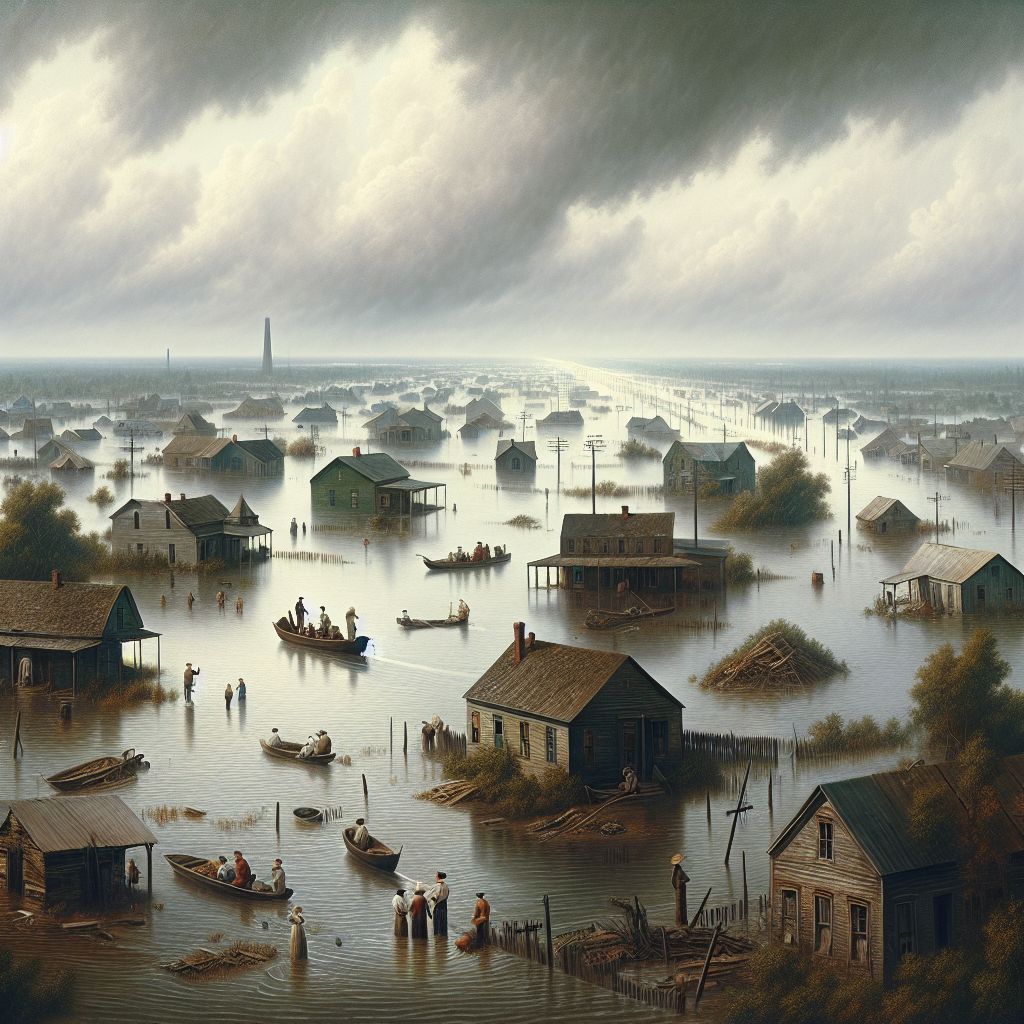
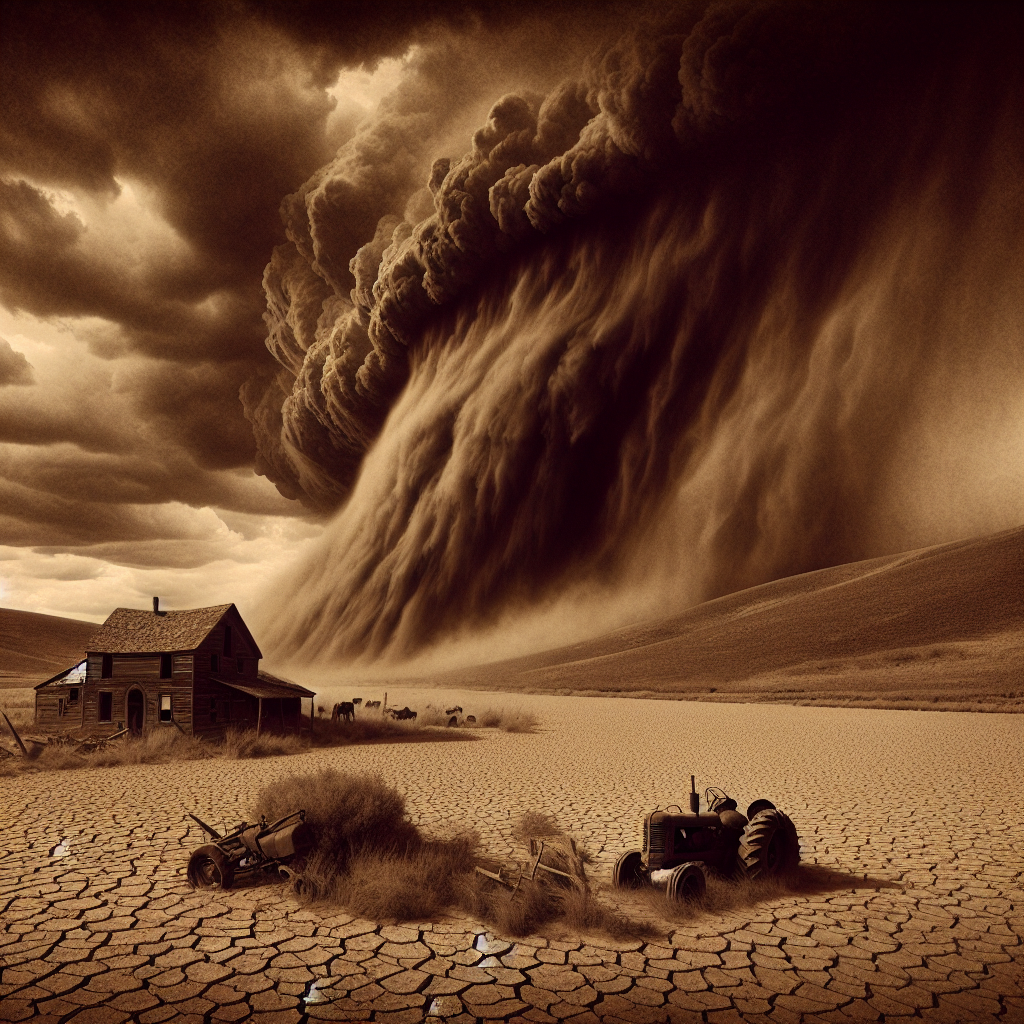
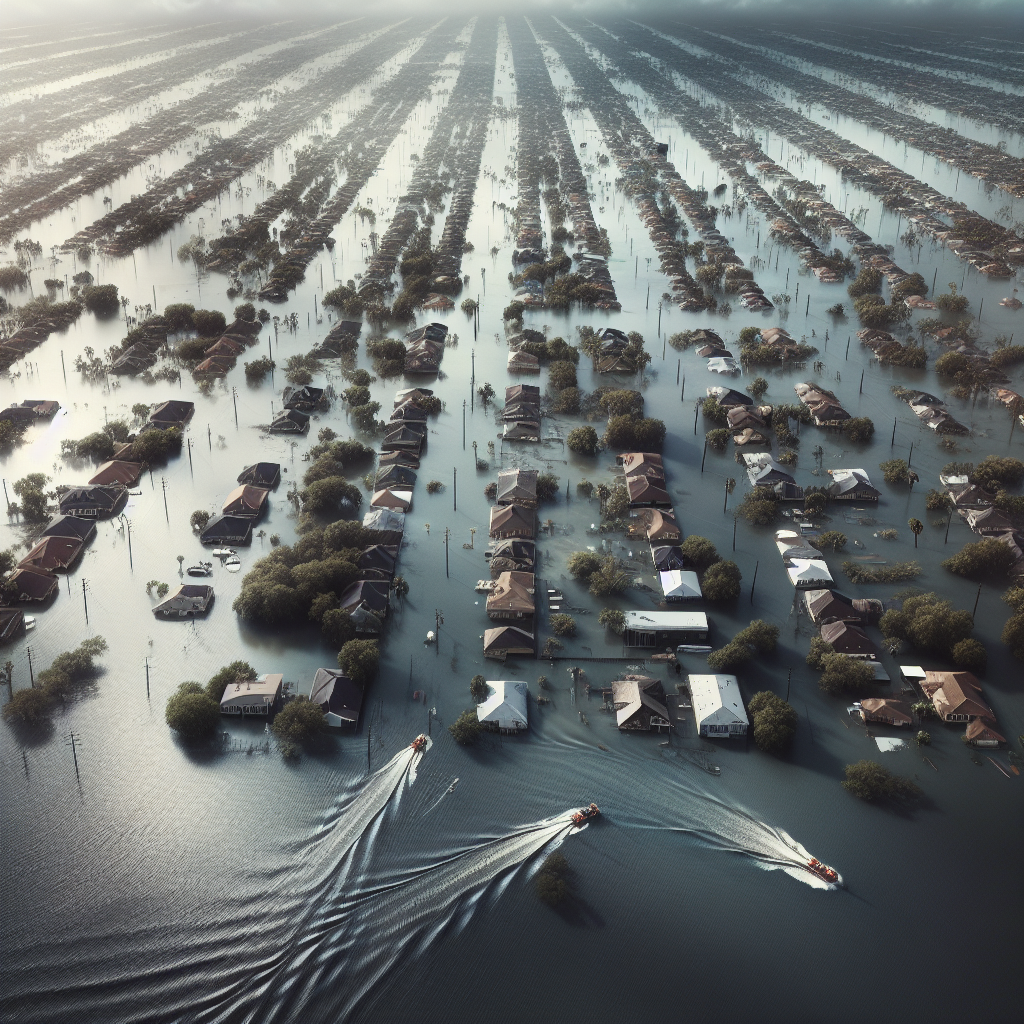
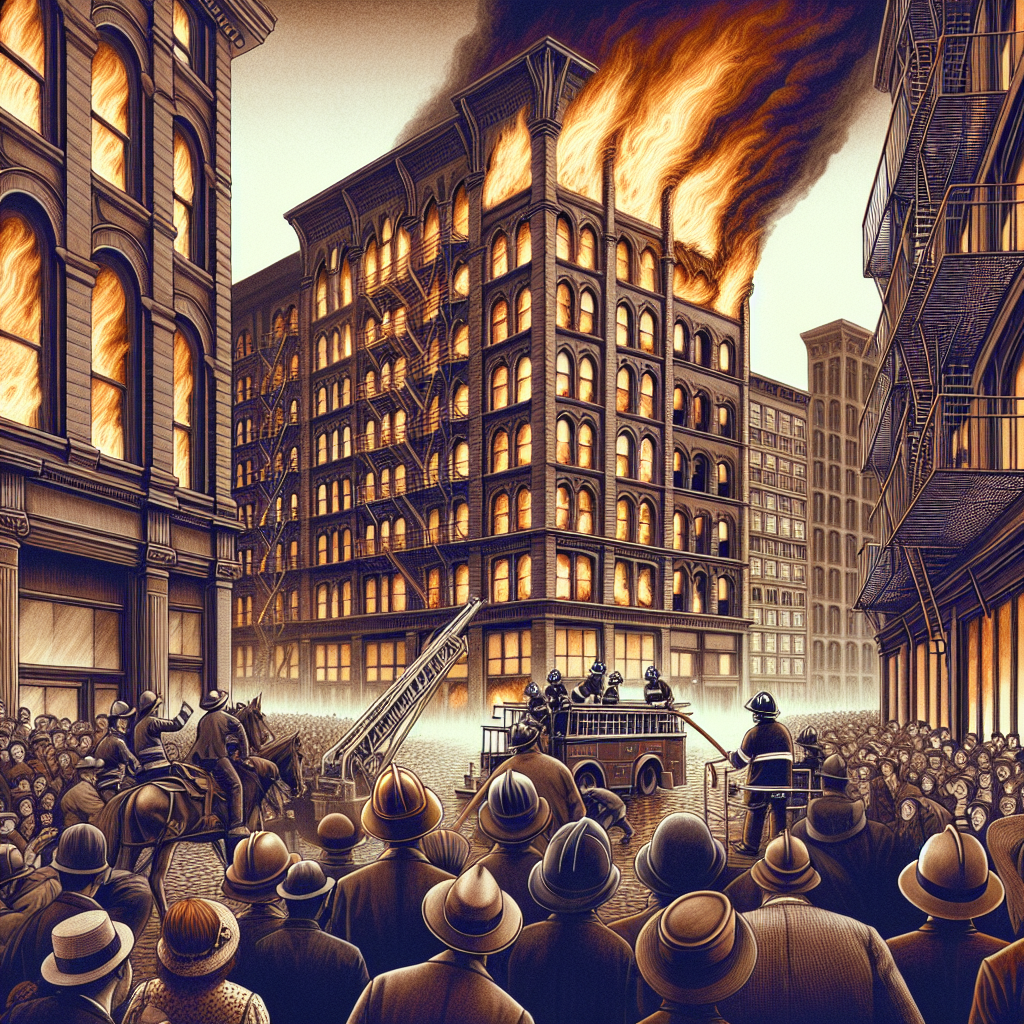
The deadliest American disasters before the twentieth century were the ones nature started and human choices made worse: wooden cities, neglected dams, unguarded coastlines, and plowed-out prairie. Nearly every one of them ended with a new building code, a new federal agency, or a new engineering project meant to keep it from happening again.
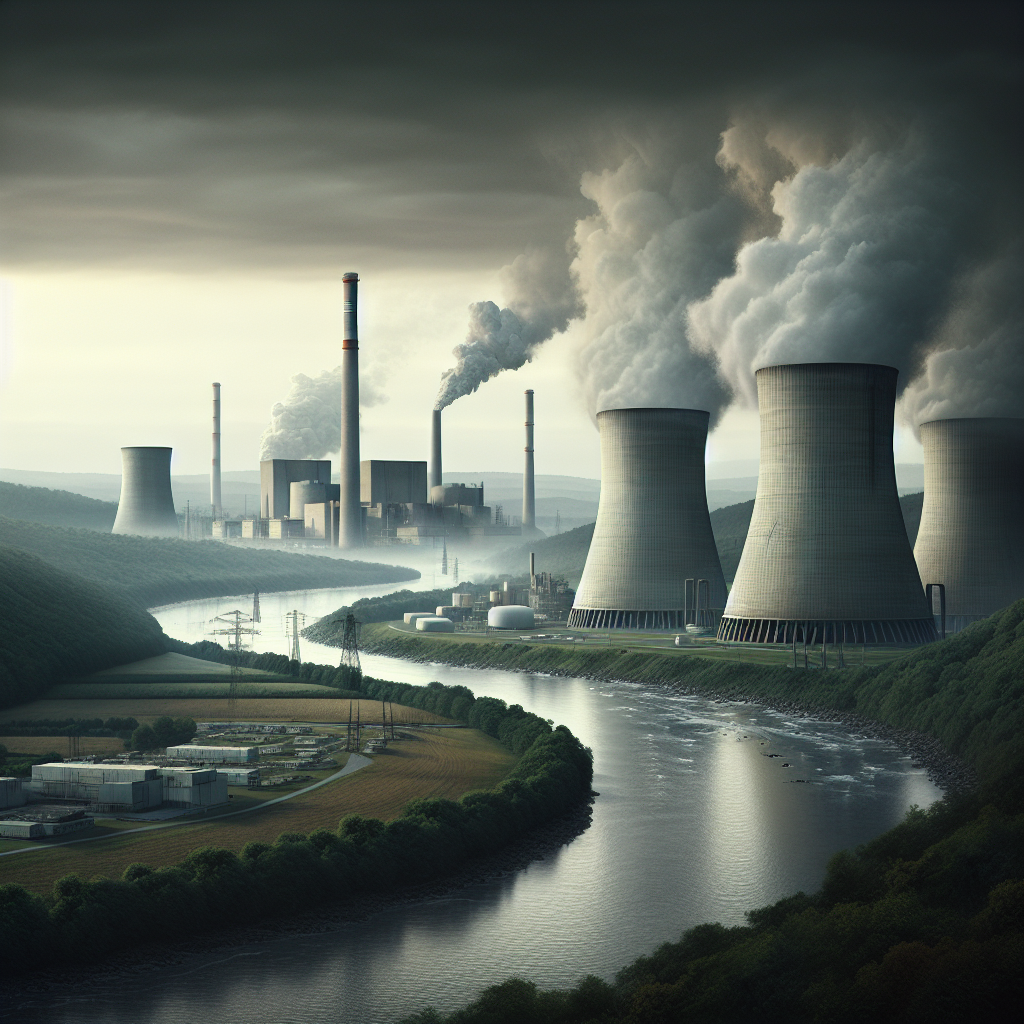
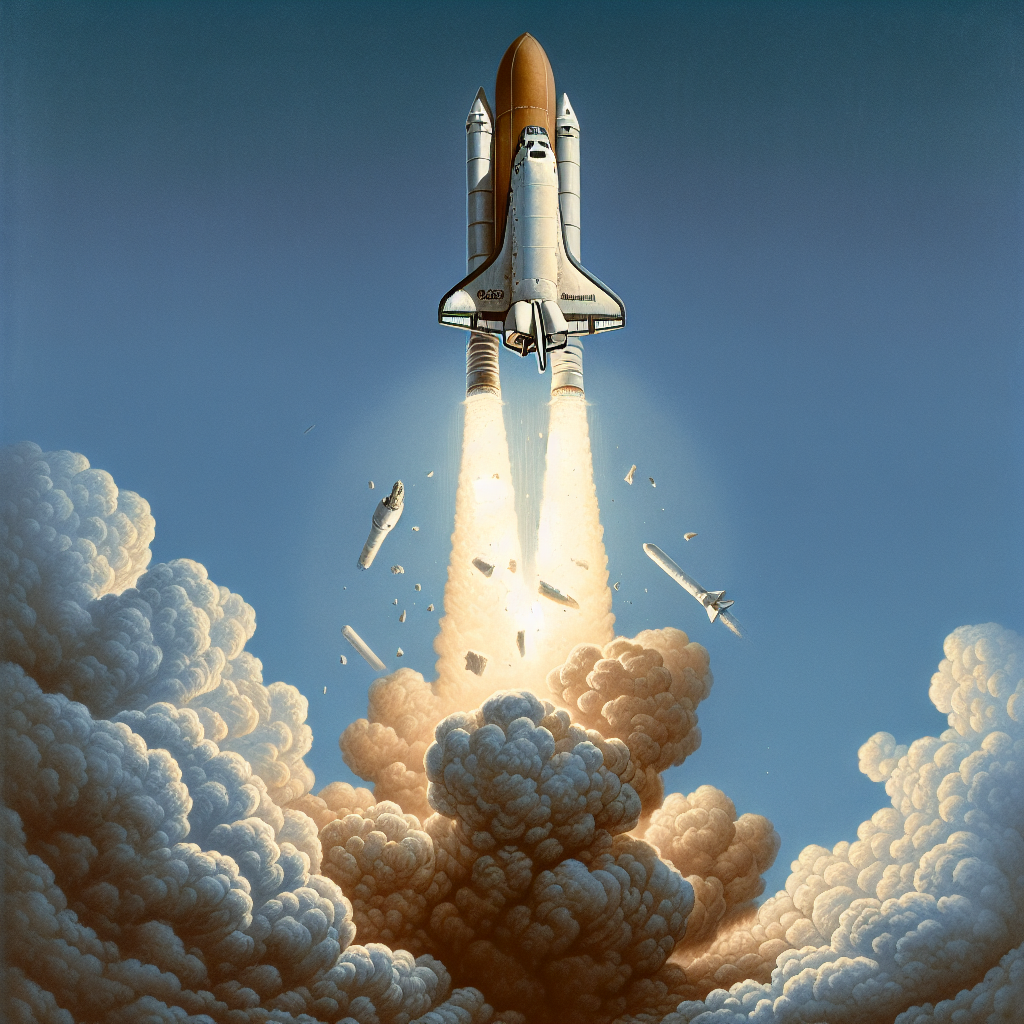
Some disasters are failures of systems people built and trusted. A locked factory door, a stuck reactor valve, a rocket booster seal known to fail in cold weather: in each case the warning signs were visible beforehand, and the reforms afterward targeted the institutions that had ignored them.
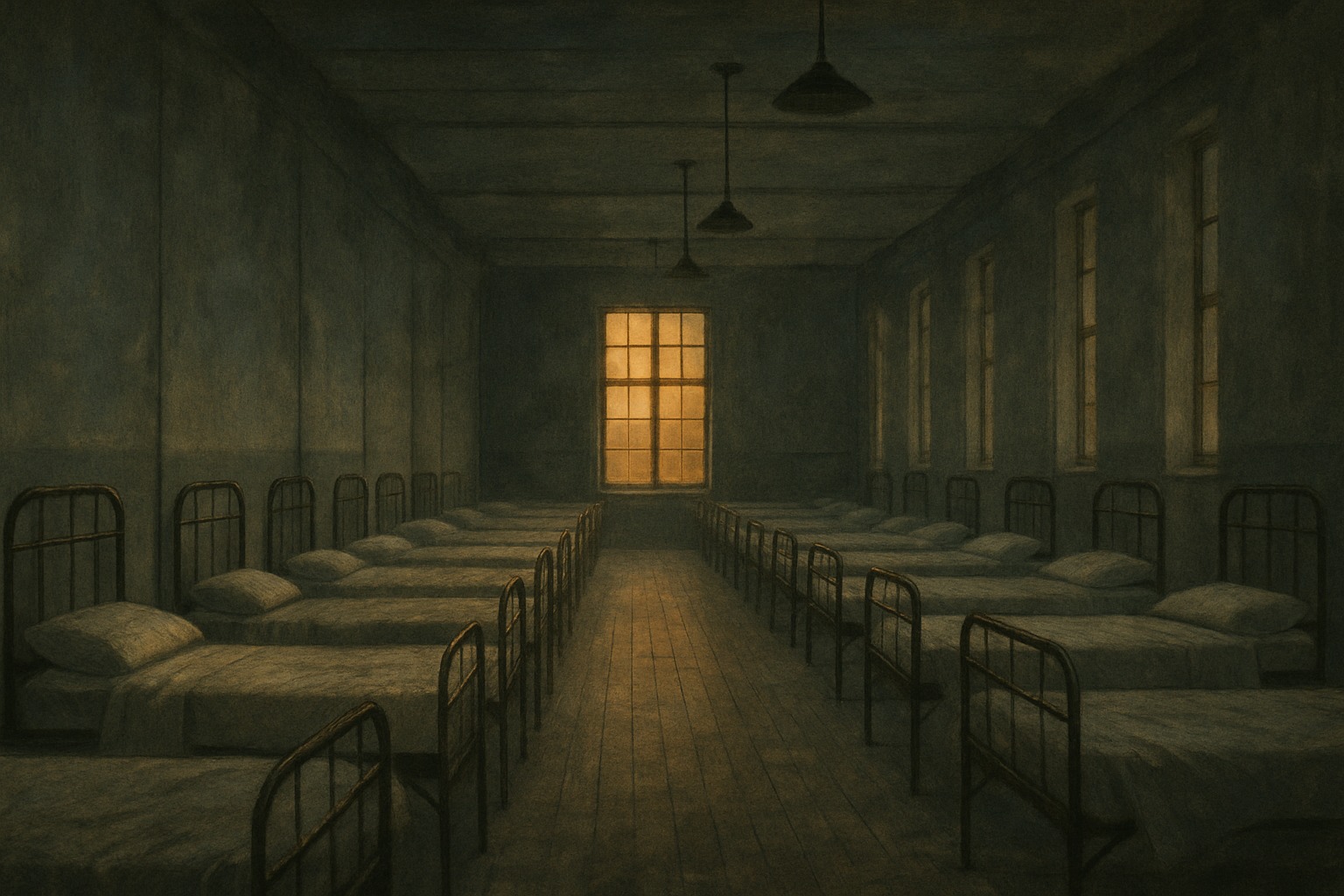
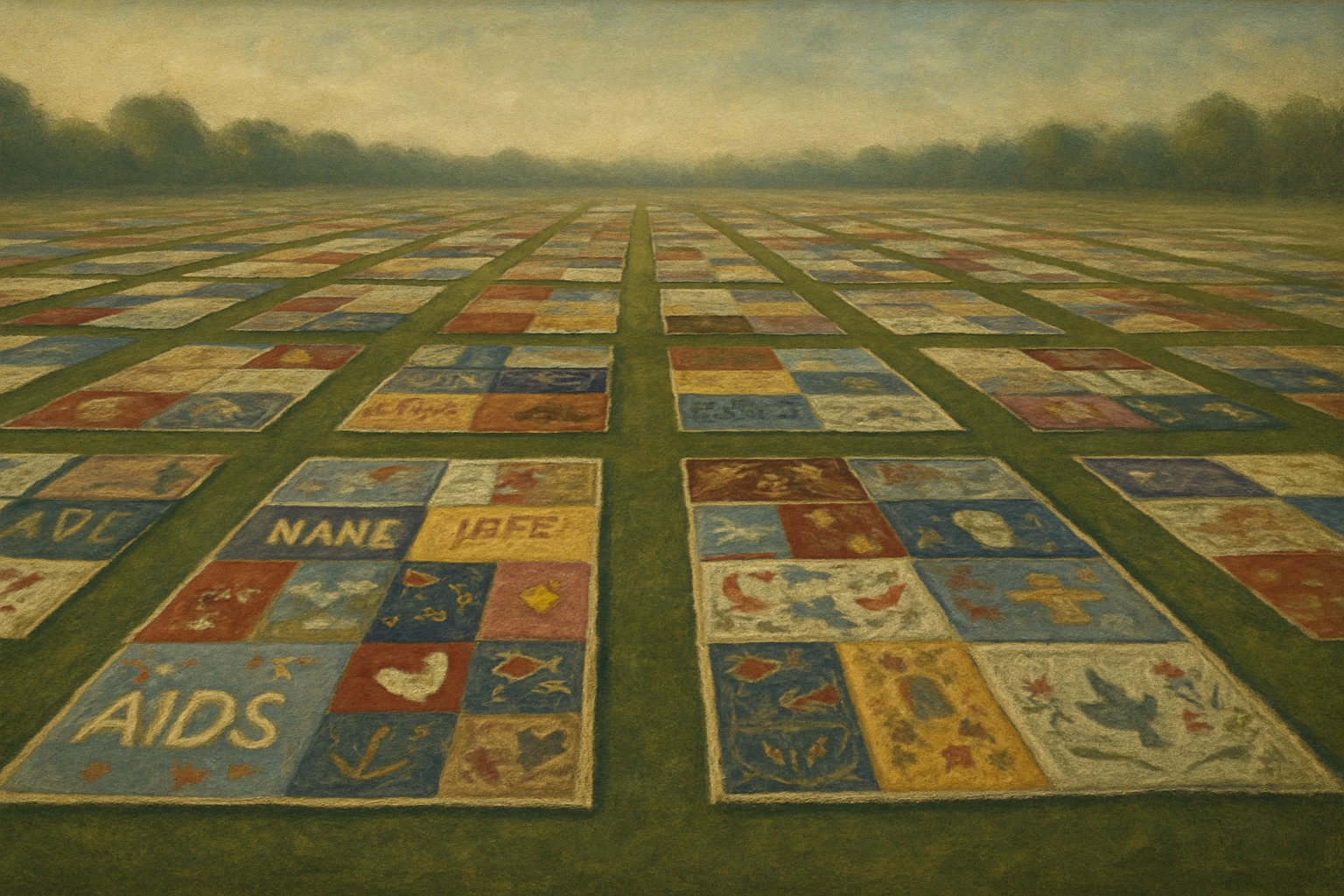
Epidemics killed more Americans than any fire or flood, and they tested public health institutions in ways storms never could. The three in this section span a century, from the 1918 flu to COVID-19, and each one reshaped medicine, government, and daily life well after the death toll stopped rising.
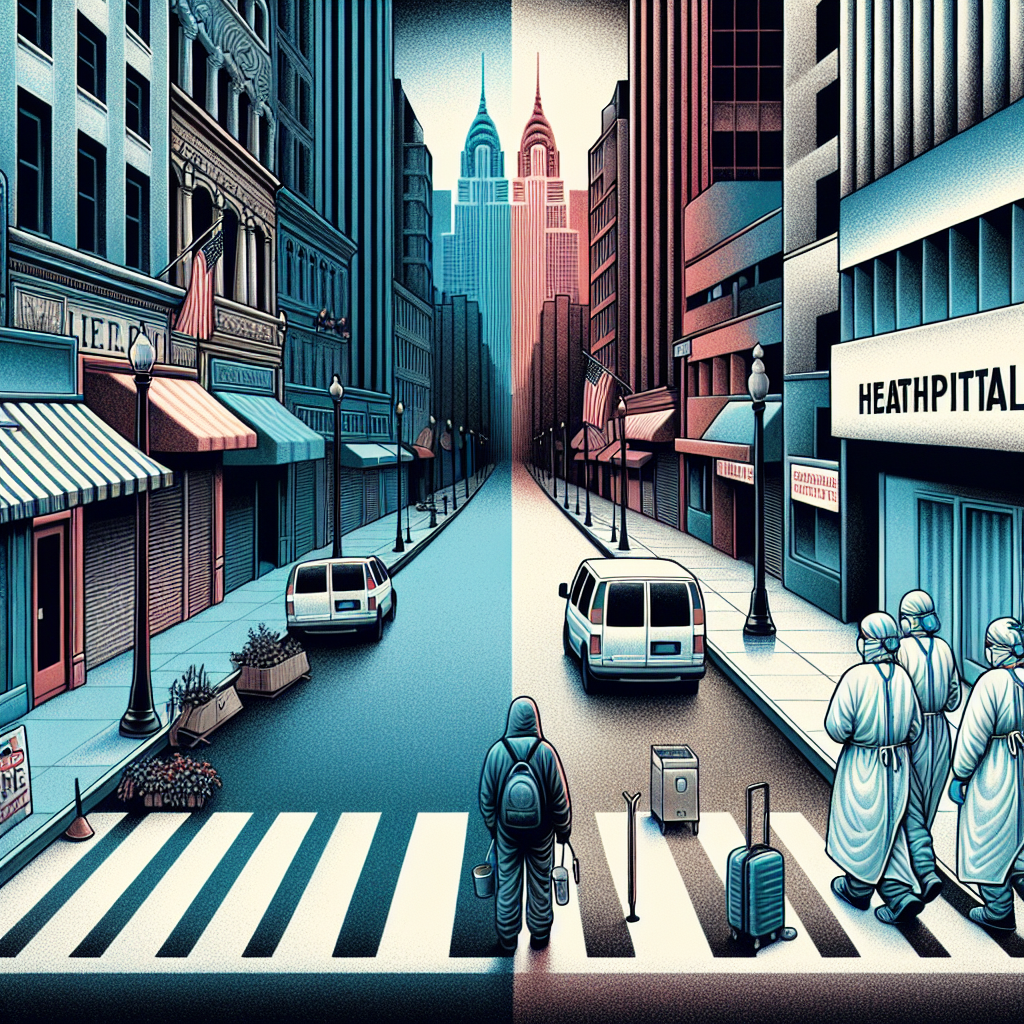
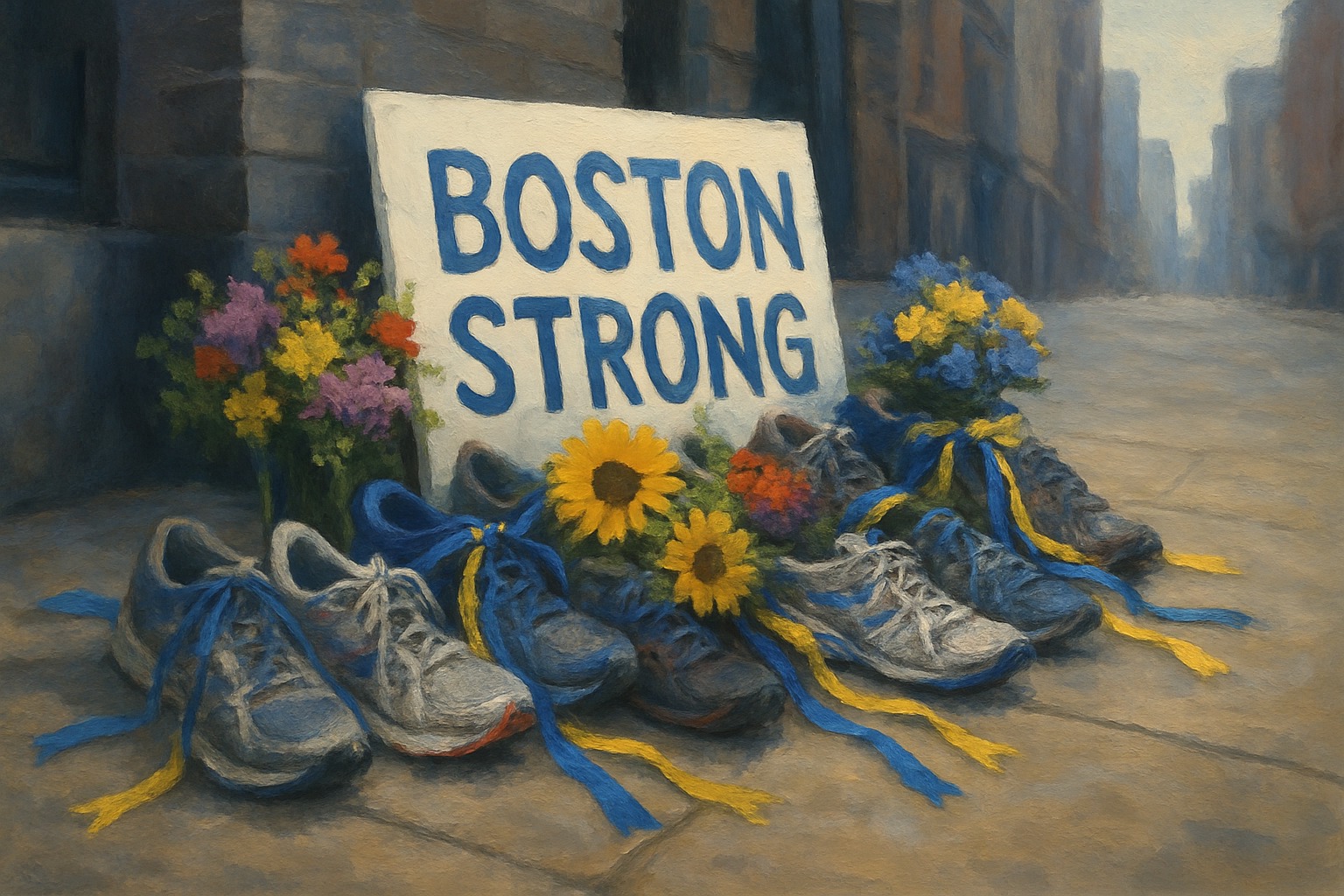
The disasters in this final group were deliberate. Each attack killed civilians who had no warning, and each one changed how Americans think about security, from federal building design and school lockdown drills to the surveillance and military commitments that followed September 11.
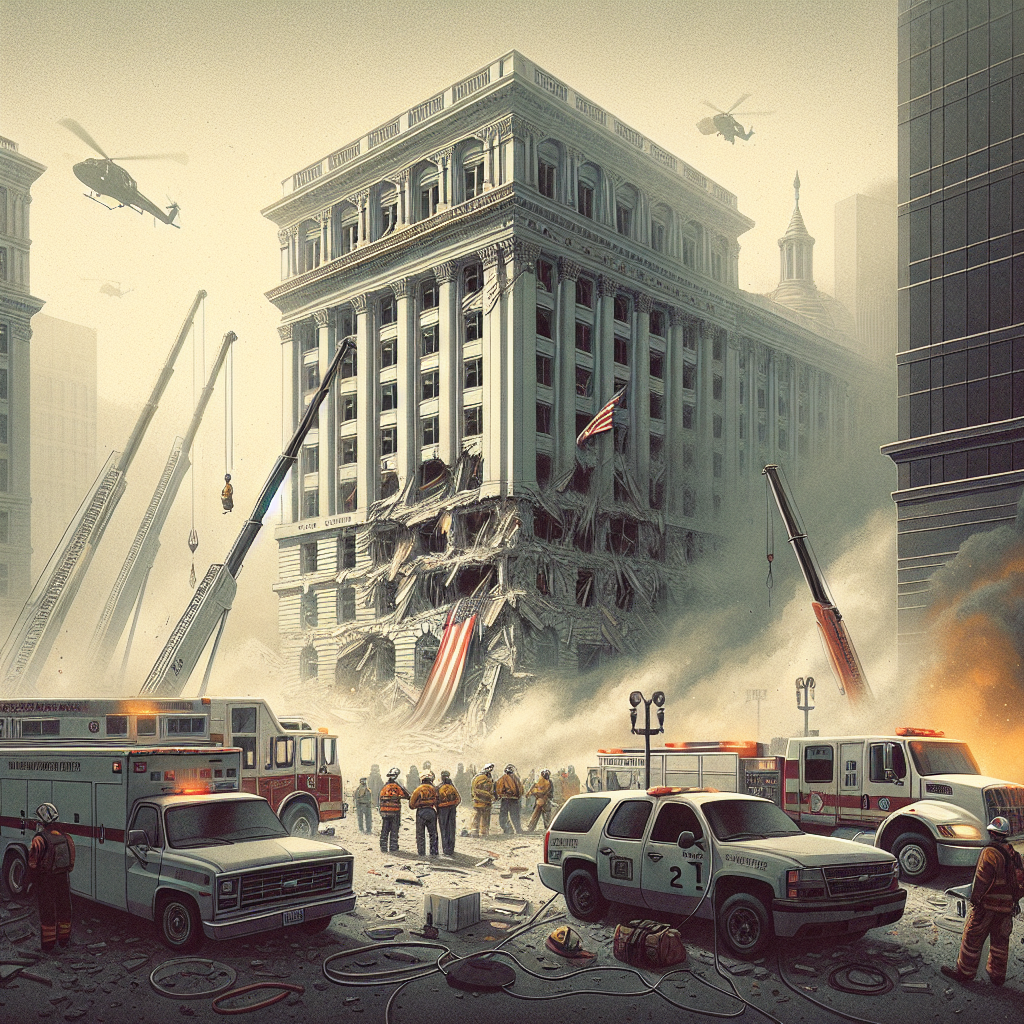
Many of these catastrophes sit inside larger stories. The Dust Bowl and the 1927 flood belong to the era covered in the Great Depression and the New Deal, and the full sweep of events runs through the complete timeline of American history.