1900 Galveston Hurricane
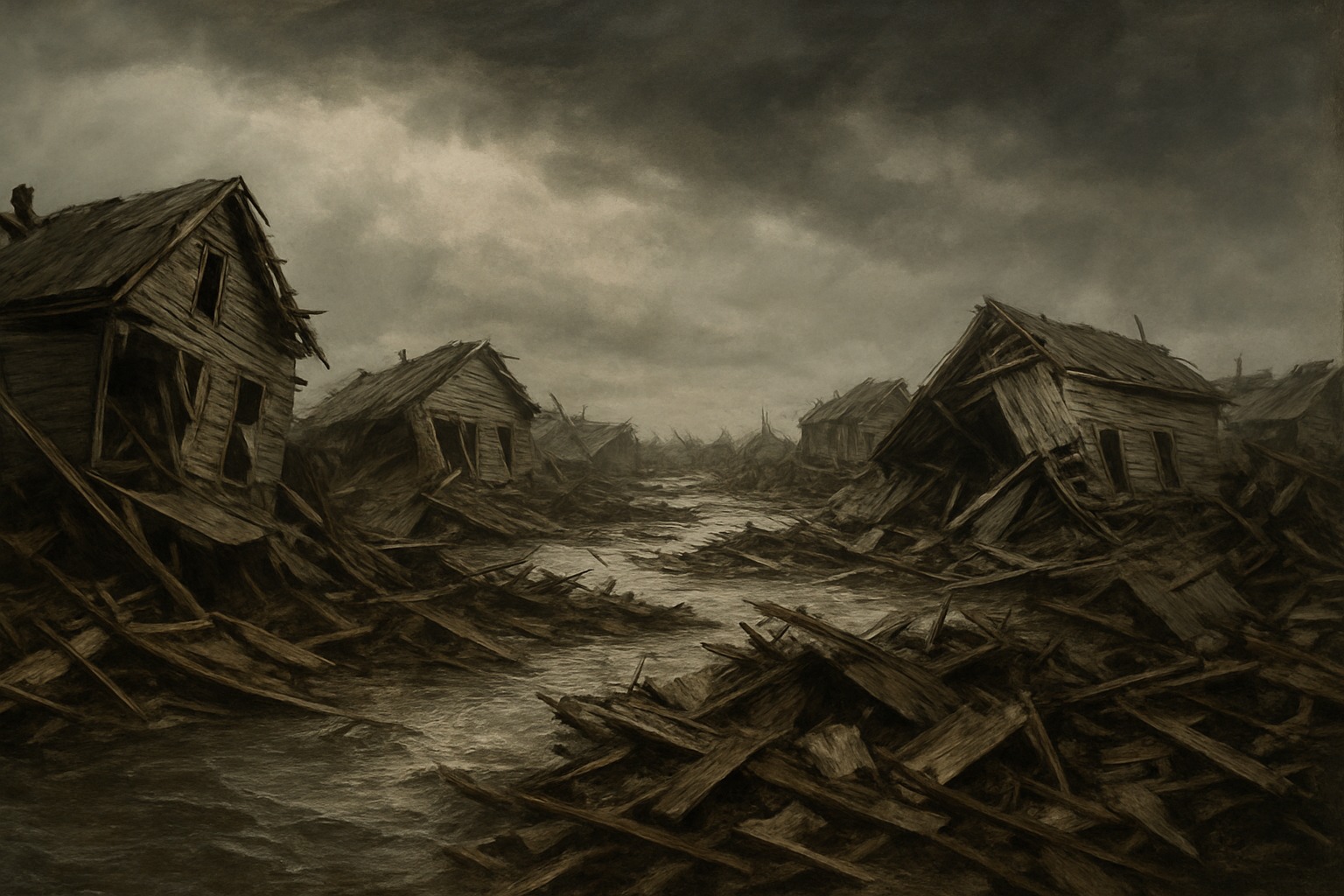
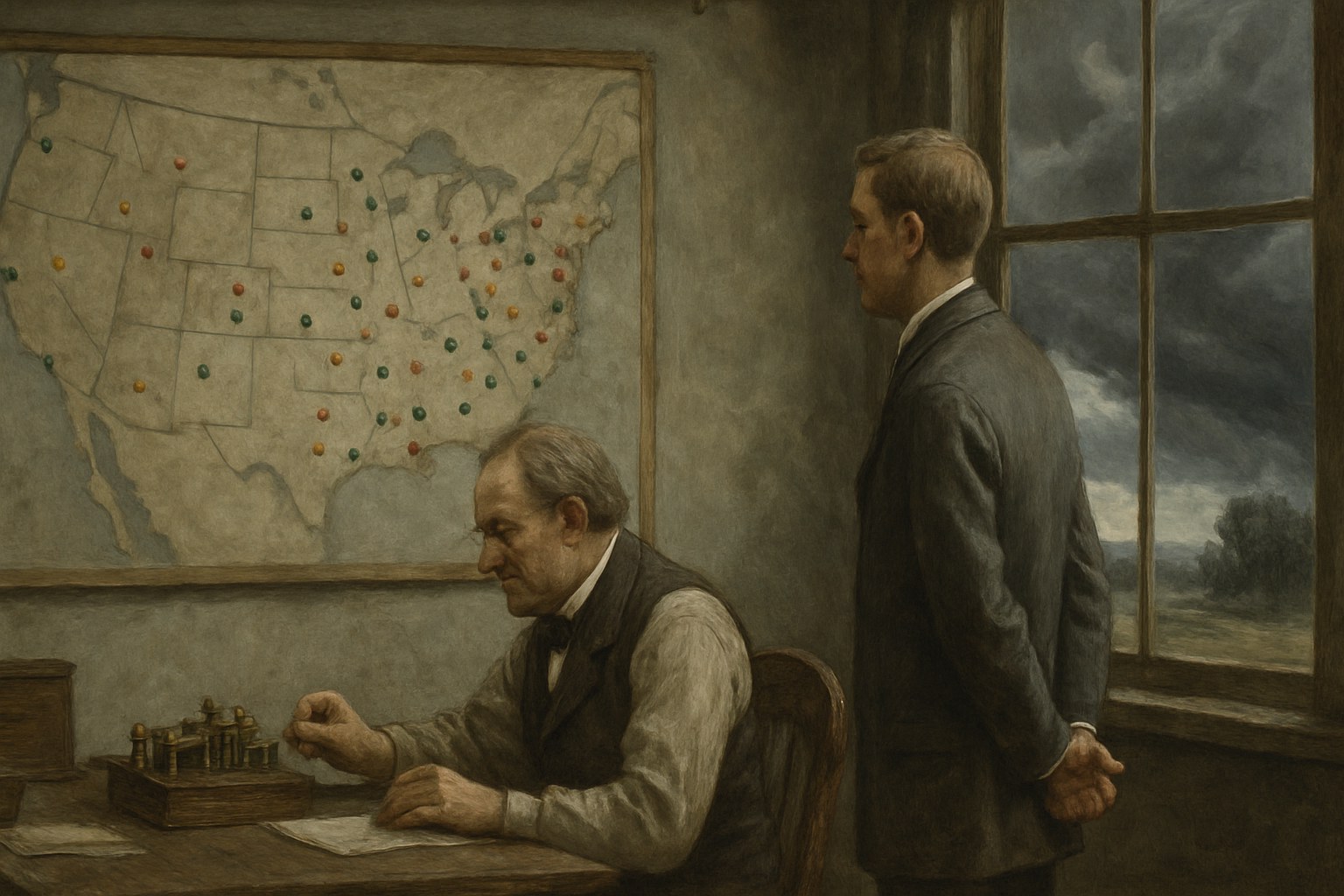
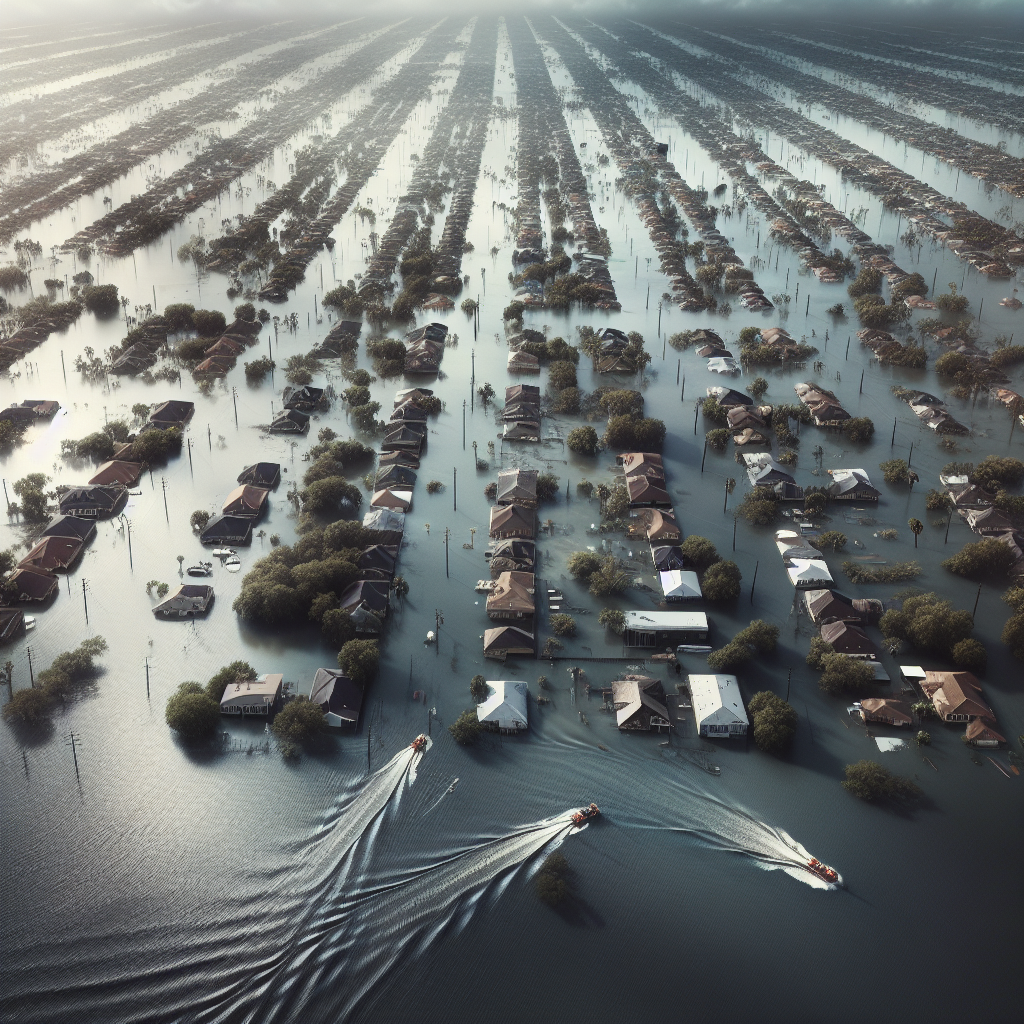
On September 8, 1900, a powerful hurricane struck Galveston, Texas, then a booming port city of some 37,000 people built on a low barrier island barely nine feet above sea level. With no satellites or radar and only fragmentary warnings from the Weather Bureau, residents had little sense of the danger until a storm surge of roughly fifteen feet swept over the entire island, leaving no high ground to flee to.
The toll was catastrophic. An estimated 6,000 to 12,000 people died — most commonly put at around 8,000 — making it by far the deadliest natural disaster in United States history, more lethal than any since. Entire neighborhoods were swept away, and the survivors faced the grim work of disposing of the dead in the tropical heat, eventually burning bodies on pyres after burials at sea failed.
Galveston's response became a model of civic engineering. The city raised the entire grade of the island by as much as seventeen feet, pumping in sand beneath jacked-up buildings, and constructed a massive seawall that still protects it. To manage the recovery, Galveston also pioneered the commission form of city government, which spread to hundreds of American cities during the Progressive Era.
The disaster permanently altered the region. Galveston had been competing with Houston to be the dominant city of the Texas Gulf Coast; after 1900, investment and shipping shifted decisively inland to Houston, which grew into a metropolis while Galveston never regained its former standing. The storm also underscored the urgent need for better weather forecasting, a cause that advanced steadily in the decades that followed.

| Date | September 8, 1900 |
| Location | Galveston, Texas |
| Storm Surge | Roughly 15 feet over a 9-foot island |
| Death Toll | Estimated 6,000–12,000 (often ~8,000) |
| Distinction | Deadliest natural disaster in U.S. history |
| Response | Seawall built; island grade raised |
| Date | September 8, 1900 |
| Location | Galveston, Texas |