Space Shuttle Challenger Disaster
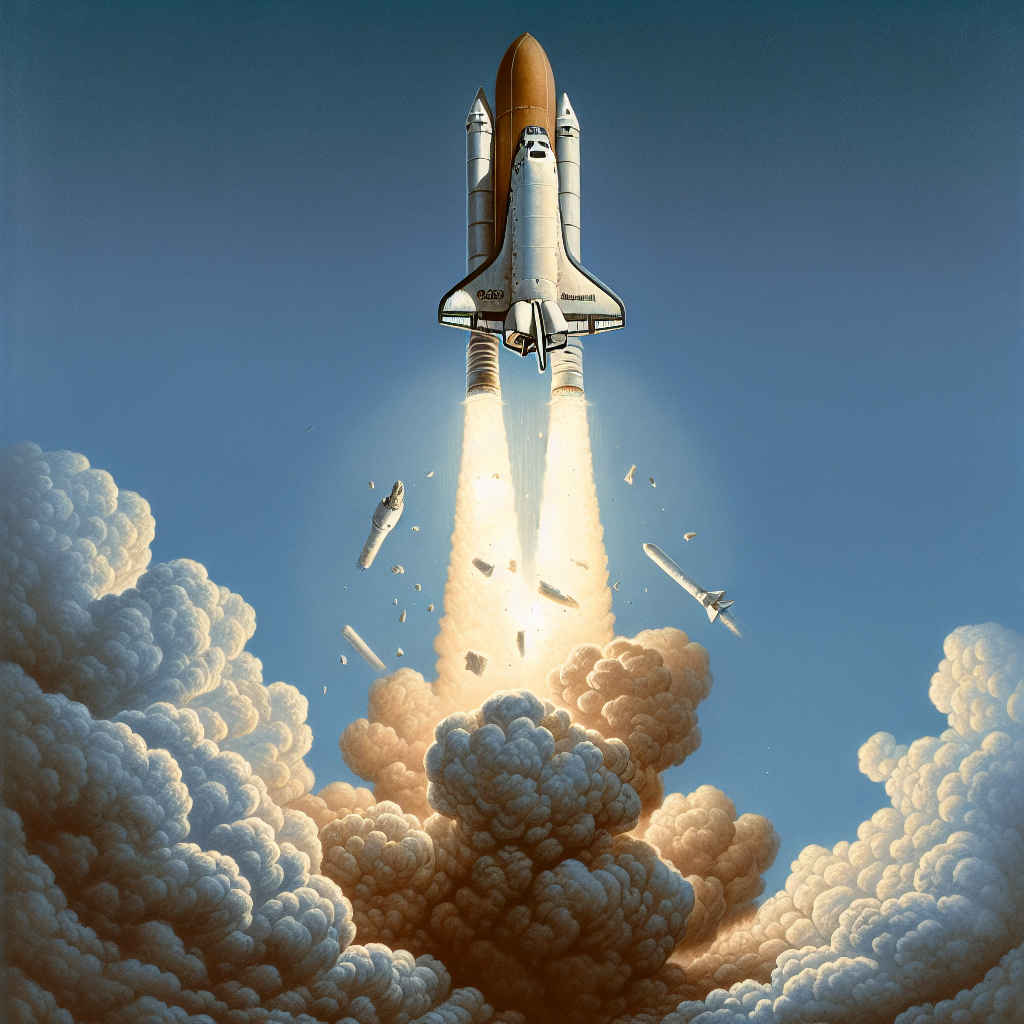
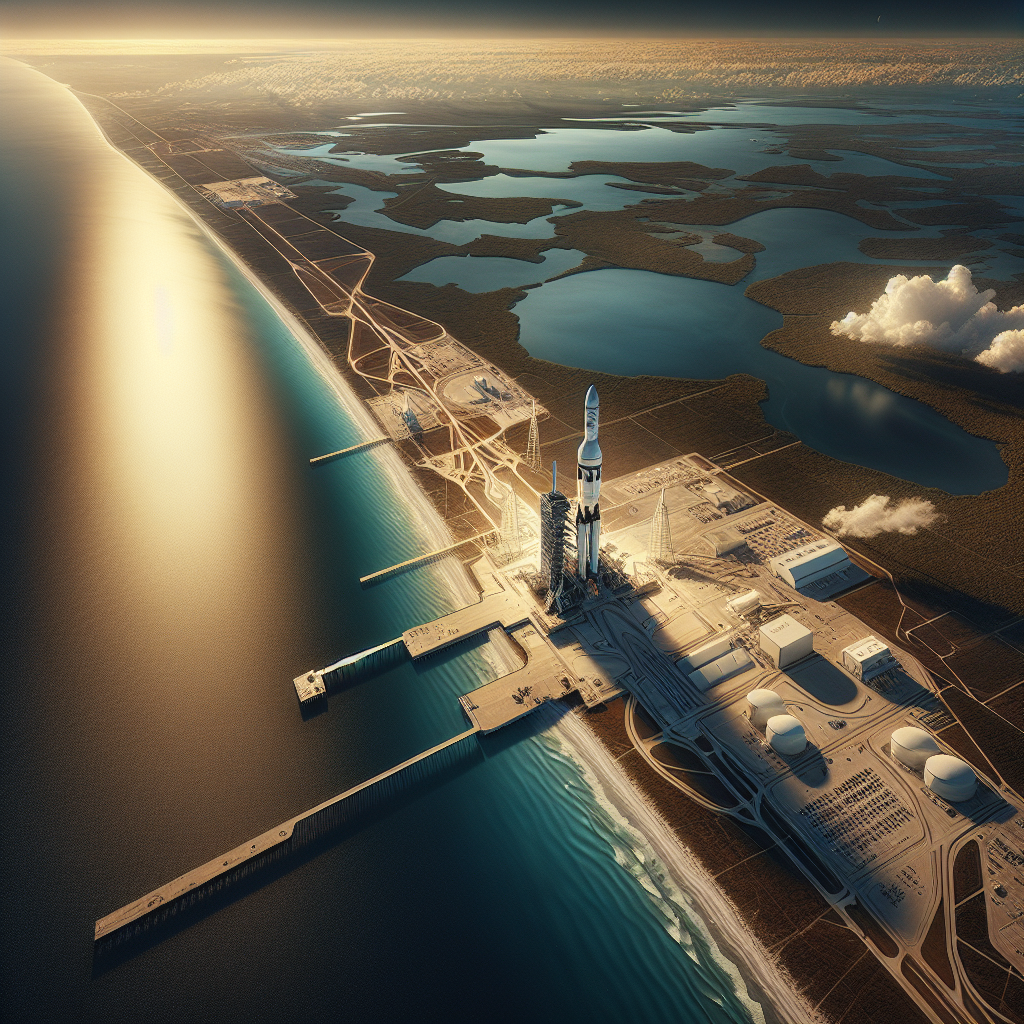
At 11:38 a.m. on January 28, 1986, Space Shuttle Challenger lifted off from Kennedy Space Center in Florida carrying seven crew members, including Christa McAuliffe, a New Hampshire high school teacher who had been selected from more than 11,000 applicants as the first private citizen to fly in space. Schoolchildren across the country were watching on classroom televisions. Seventy-three seconds after launch, at an altitude of 46,000 feet, the shuttle broke apart. All seven crew members were killed: mission commander Francis Scobee, pilot Michael Smith, mission specialists Judith Resnik, Ellison Onizuka, and Ronald McNair, and payload specialists Gregory Jarvis and Christa McAuliffe.
The cause was an O-ring seal in the right solid rocket booster that failed in the unusually cold temperatures at launch — it was 28 degrees Fahrenheit at the pad that morning, far below the design specifications engineers had warned about. The night before launch, engineers from Morton Thiokol had pleaded with NASA managers to delay; the managers overrode them. The presidential Rogers Commission investigation documented the technical failure and the organizational failure that allowed launch to proceed despite known risks. Physicist Richard Feynman's demonstration — dropping an O-ring into a glass of ice water at the hearing table and showing it lost its resilience — became the most memorable moment of the investigation.
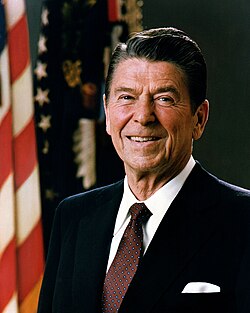
President Reagan addressed the nation that evening in one of the most admired speeches of his presidency, quoting from the poem "High Flight": the crew had "slipped the surly bonds of earth" to "touch the face of God." The shuttle program was grounded for 32 months while NASA redesigned the solid rocket booster joints. Challenger reshaped American understanding of risk in the space program and of the gap between institutional assurances and engineering reality. The Columbia disaster of February 2003, in which a second shuttle broke apart on reentry due to a known and unaddressed foam insulation problem, suggested the lessons had not been fully absorbed.
| Date | January 28, 1986 |
| Time of breakup | 73 seconds after launch, at 46,000 feet |
| Crew killed | Francis Scobee, Michael Smith, Judith Resnik, Ellison Onizuka, Ronald McNair, Gregory Jarvis, Christa McAuliffe |
| Cause | O-ring failure in cold temperatures — known risk, overridden |
| Investigation | Presidential Rogers Commission; Feynman O-ring demonstration |
| Grounded | Shuttle program suspended 32 months for redesign |
| Reagan speech | Addressed nation that evening, quoted "High Flight" poem |
| Date | January 28, 1986 |
| Location | Kennedy Space Center, Florida |