Boston Marathon Bombing
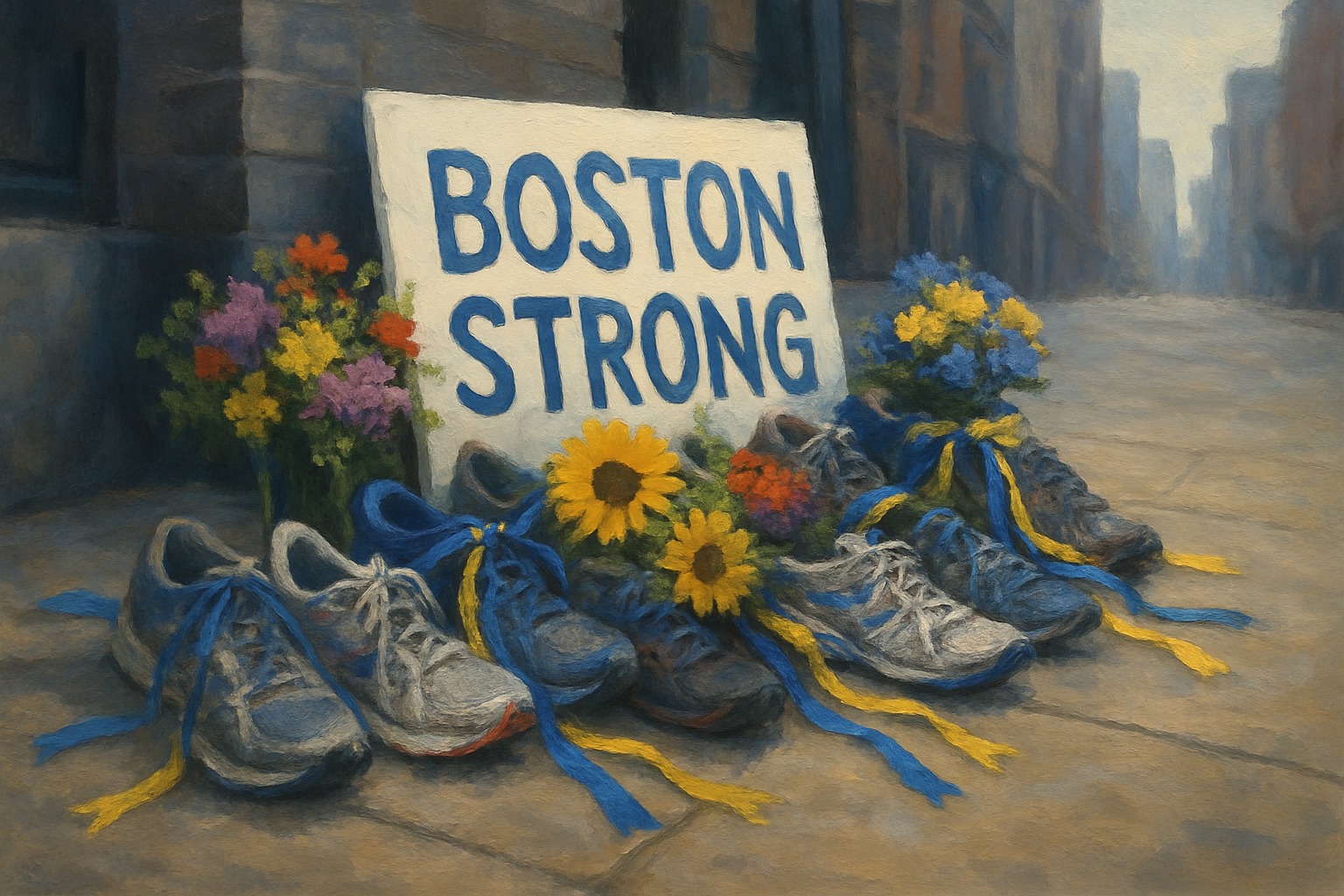
On April 15, 2013, two homemade pressure-cooker bombs exploded near the finish line of the Boston Marathon, one of the city's most cherished public events, killing three people and injuring more than 260. Many of the wounded suffered devastating leg injuries, and the number of amputations made the attack a landmark moment for emergency trauma care, which performed well enough that nearly everyone who reached a hospital alive survived.
The bombing set off one of the largest manhunts in American history. Within days the FBI released surveillance images of two suspects, brothers Dzhokhar and Tamerlan Tsarnaev, ethnic Chechen immigrants who had been radicalized toward extremist ideology. The ensuing pursuit included a shootout that killed Tamerlan and a police officer, and the unprecedented shelter-in-place lockdown of much of the Boston metropolitan area.
Dzhokhar Tsarnaev was captured alive, found hiding in a boat in a suburban backyard after a resident spotted him. He was convicted on federal charges in 2015 and sentenced to death, a sentence that has moved through years of appeals. The attack prompted reviews of how intelligence agencies had handled prior warnings about the older brother.
The phrase "Boston Strong" became the rallying cry of the city's response, embodying a sense of resilience and solidarity in the aftermath. The bombing also reinforced the post-9/11 reality that ordinary public gatherings could be targets, accelerating the spread of security measures at marathons, festivals, and sporting events across the country.
| Date | April 15, 2013 |
| Place | Boston Marathon finish line |
| Casualties | 3 killed; 260+ injured |
| Perpetrators | Dzhokhar and Tamerlan Tsarnaev |
| Manhunt | Metro-area shelter-in-place lockdown |
| Rallying Cry | "Boston Strong" |
| Date | April 15, 2013 |
| Location | Boston, Massachusetts |