Oliver Wendell Holmes Jr.
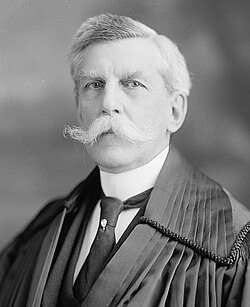
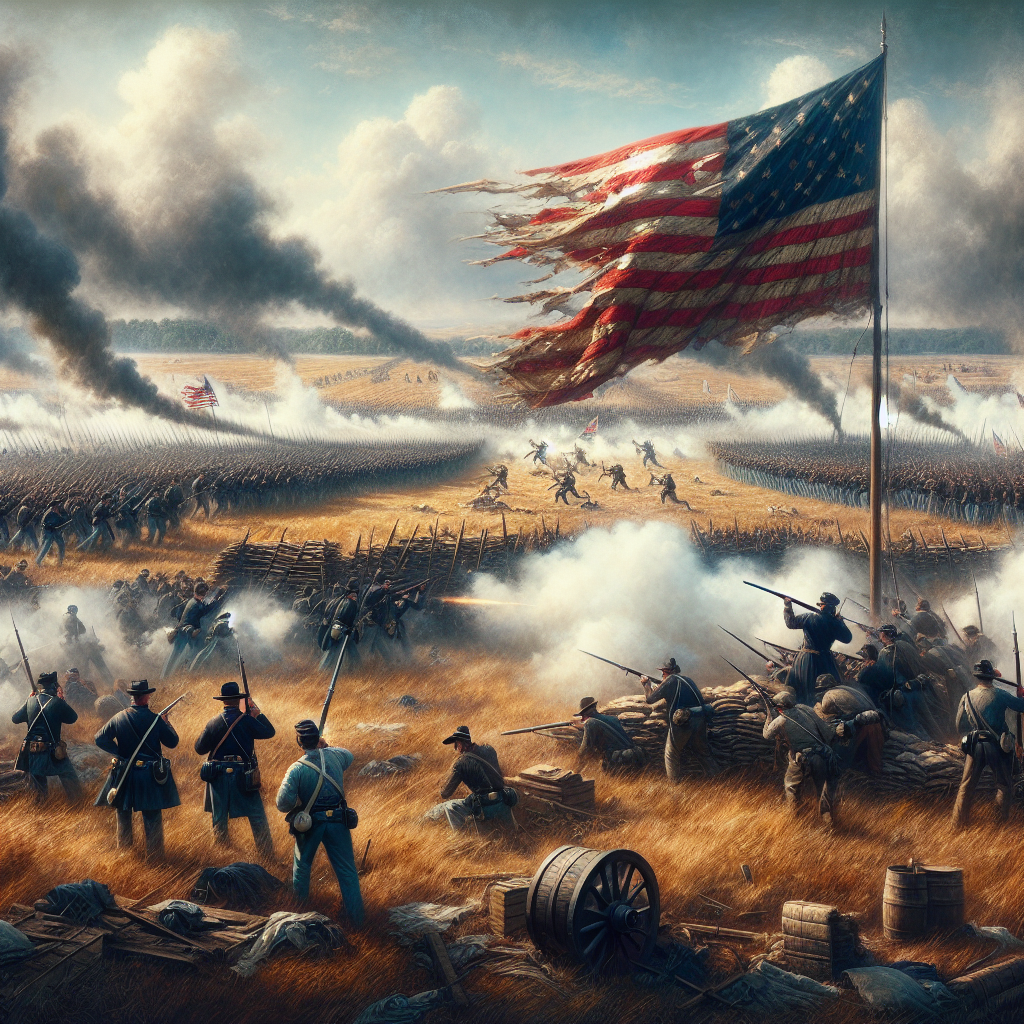
Oliver Wendell Holmes Jr. arrived at the Supreme Court in 1902 with a biography that set him apart from every colleague he would ever serve alongside. He had been shot three times in the Civil War — at Ball's Bluff, Antietam, and Fredericksburg — and the experience left him with a skepticism about moral certainty and absolute principle that shaped his jurisprudence for the next 30 years. He was the most literary justice in the Court's history, an aphorist whose sentences entered the language: "The life of the law has not been logic; it has been experience." He believed law evolved with society rather than descending from fixed principles, a view that put him in dissent more often than not.
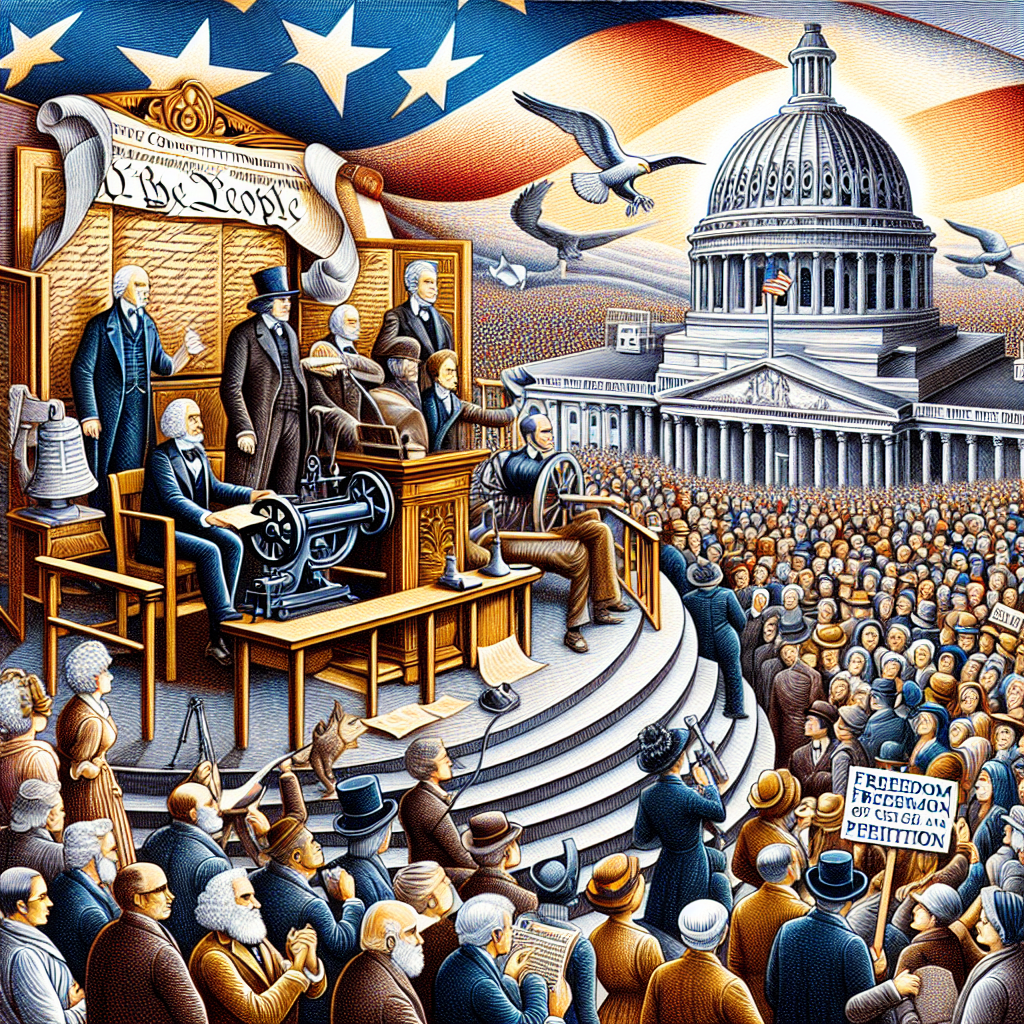
Holmes's most celebrated dissents came in First Amendment cases during and after World War I. In Abrams v. United States (1919), he argued — against the majority he had recently joined in Schenck v. United States — that the government could not suppress political speech unless it presented a clear and present danger of immediate harm. His marketplace of ideas metaphor, the notion that truth emerges from open competition among ideas rather than government enforcement of orthodoxy, became the philosophical foundation of modern First Amendment law. He was writing for a future Court rather than the one he sat on.
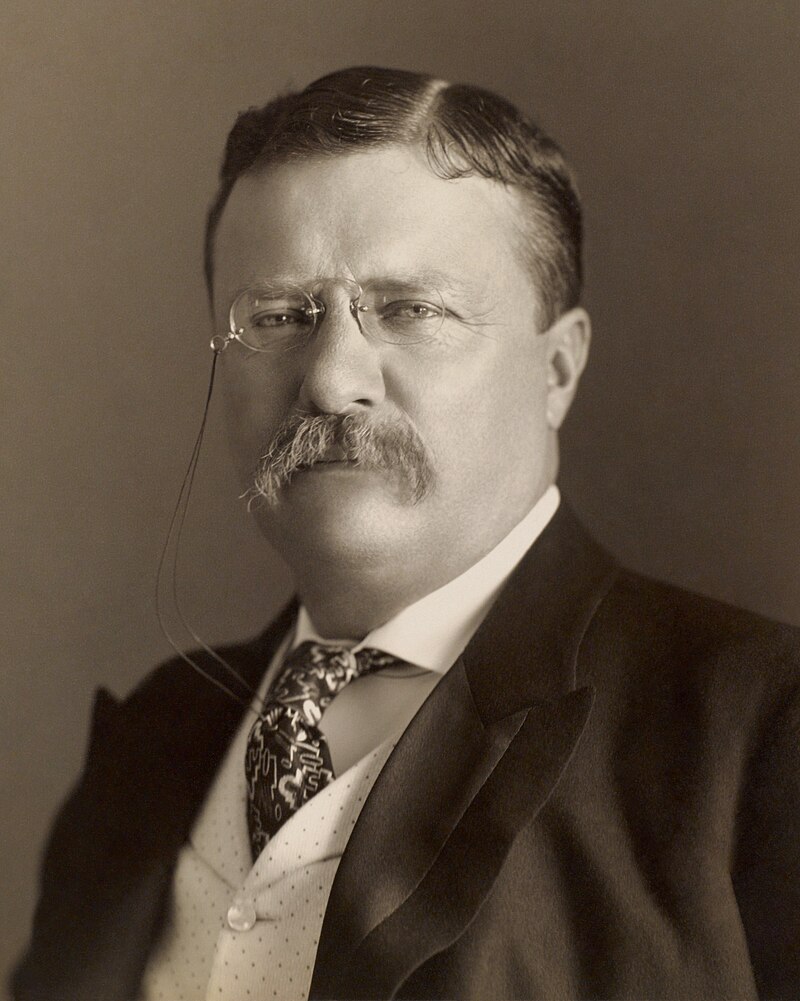
Holmes served until 1932, retiring at 90 — the oldest justice in the Court's history at the time of retirement. Theodore Roosevelt, who appointed him, was furious when Holmes's early dissents went against the administration's antitrust positions, reportedly saying he could carve a justice with more backbone out of a banana. Holmes outlived Roosevelt by 14 years and kept writing. He died in 1935 at 93, two days before his birthday, with his papers and a modest estate left to the United States government.

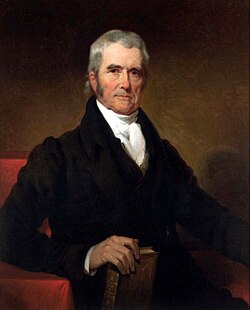
| Born | March 8, 1841 — Boston, Massachusetts |
| Died | March 6, 1935 — Washington, D.C. |
| Role | Associate Justice, Supreme Court of the United States |
| Tenure | December 8, 1902 – January 12, 1932 |
| Appointed by | President Theodore Roosevelt |
| Civil War | Wounded three times — Ball's Bluff, Antietam, Fredericksburg |
| Key dissent | Abrams v. United States (1919) — marketplace of ideas |
| Notable | Retired at 90 — oldest justice at retirement at the time |
| Years | 1841–1935 |
| Location | Boston, Massachusetts |