Earl Warren
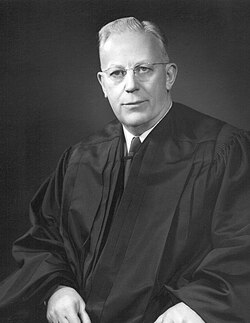
Dwight Eisenhower called his appointment of Earl Warren to the Supreme Court the biggest damn-fool mistake he had ever made. The former governor of California and 1948 Republican vice-presidential nominee had seemed a reliably conservative choice. What Eisenhower got instead was the most consequential Chief Justice since John Marshall — the leader of a Court that desegregated public schools, revolutionized criminal procedure, transformed voting rights, and redrew the boundaries of individual liberty against government power. The Warren Court is the most consequential 16-year stretch of judicial activity in American history.
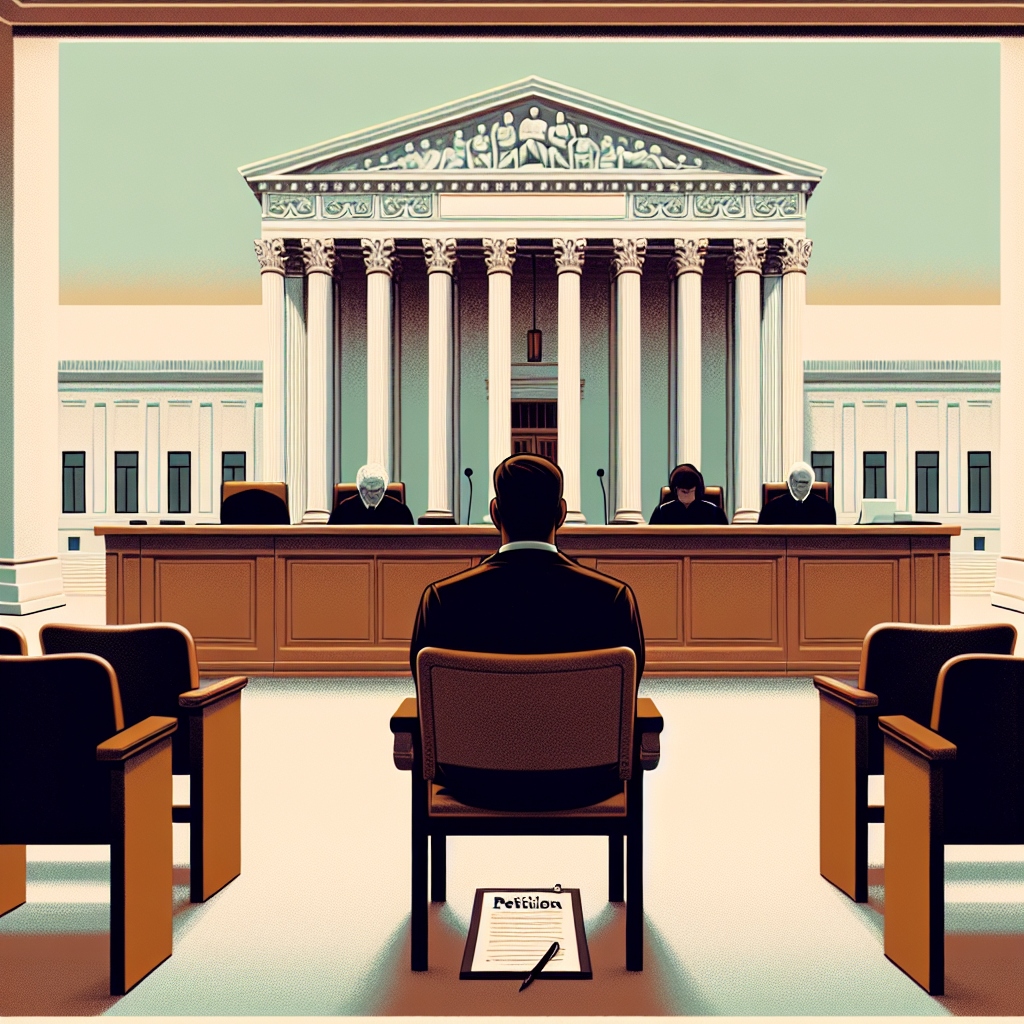
The anchor achievement was Brown v. Board of Education (1954), which Warren engineered to a unanimous decision — no small feat given the Court's divisions. His conviction that a fractured ruling would be defied across the South led him to work behind the scenes until every justice agreed: racial segregation in public schools was unconstitutional. The decision overturned Plessy v. Ferguson, which had sanctioned separate but equal since 1896, and set off the political crisis that ultimately produced the Civil Rights Acts of 1957 and 1964. Warren also led the investigation into John F. Kennedy's assassination, producing the Warren Commission Report of 1964.
Miranda v. Arizona (1966) — requiring police to inform suspects of their rights before interrogation — is the Warren Court ruling most Americans encounter in daily life, even if they know it only from television. Reynolds v. Sims (1964) established one person, one vote as a constitutional principle, forcing the reapportionment of state legislatures across the country. Warren retired in 1969 and was replaced by Warren Burger at Nixon's request. The era he represented did not long outlast him.

| Born | March 19, 1891 — Los Angeles, California |
| Died | July 9, 1974 — Washington, D.C. |
| Role | Chief Justice of the United States |
| Tenure | October 5, 1953 – June 23, 1969 |
| Appointed by | President Dwight D. Eisenhower |
| Key ruling | Brown v. Board of Education (1954) — unanimous decision |
| Other rulings | Miranda v. Arizona (1966); Reynolds v. Sims (1964) |
| Also led | Warren Commission investigation into JFK assassination |
| Years | 1891–1974 |
| Location | Sacramento, California |