Roger Taney
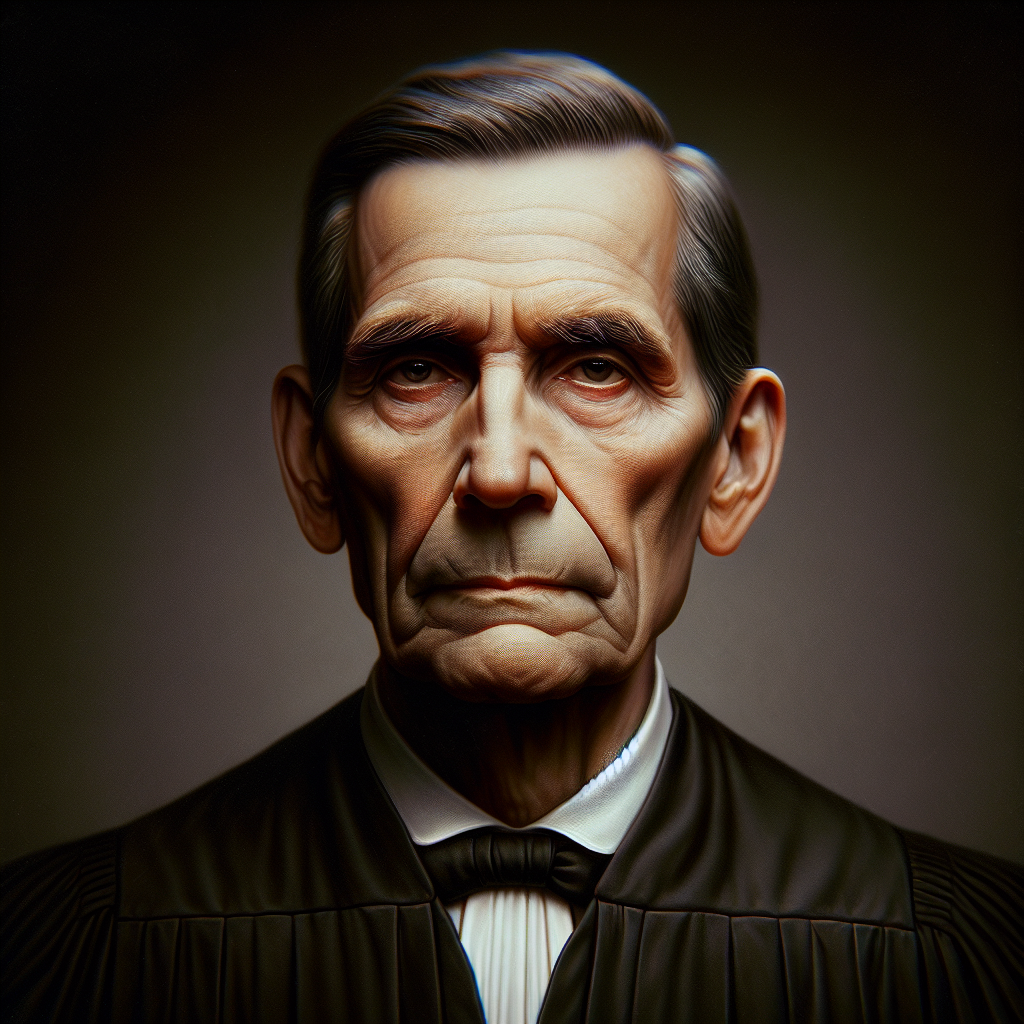
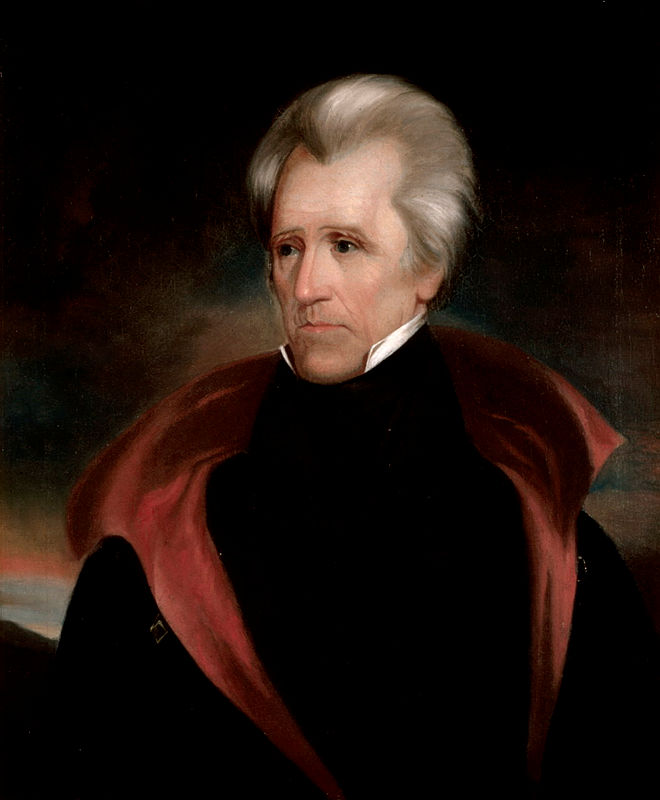
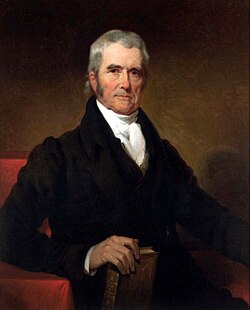
Roger Taney succeeded John Marshall as Chief Justice in 1836 and served for 28 years — longer than Marshall, though with a legacy that could hardly be more different. A Maryland slaveholder appointed by Andrew Jackson, Taney was a capable jurist whose early decisions on federalism and commerce showed sophistication and care. History remembers him for one thing: the opinion he wrote in Dred Scott v. Sandford in 1857, which is almost universally regarded as the worst decision the Supreme Court has ever issued and the one most directly implicated in the coming of the Civil War.
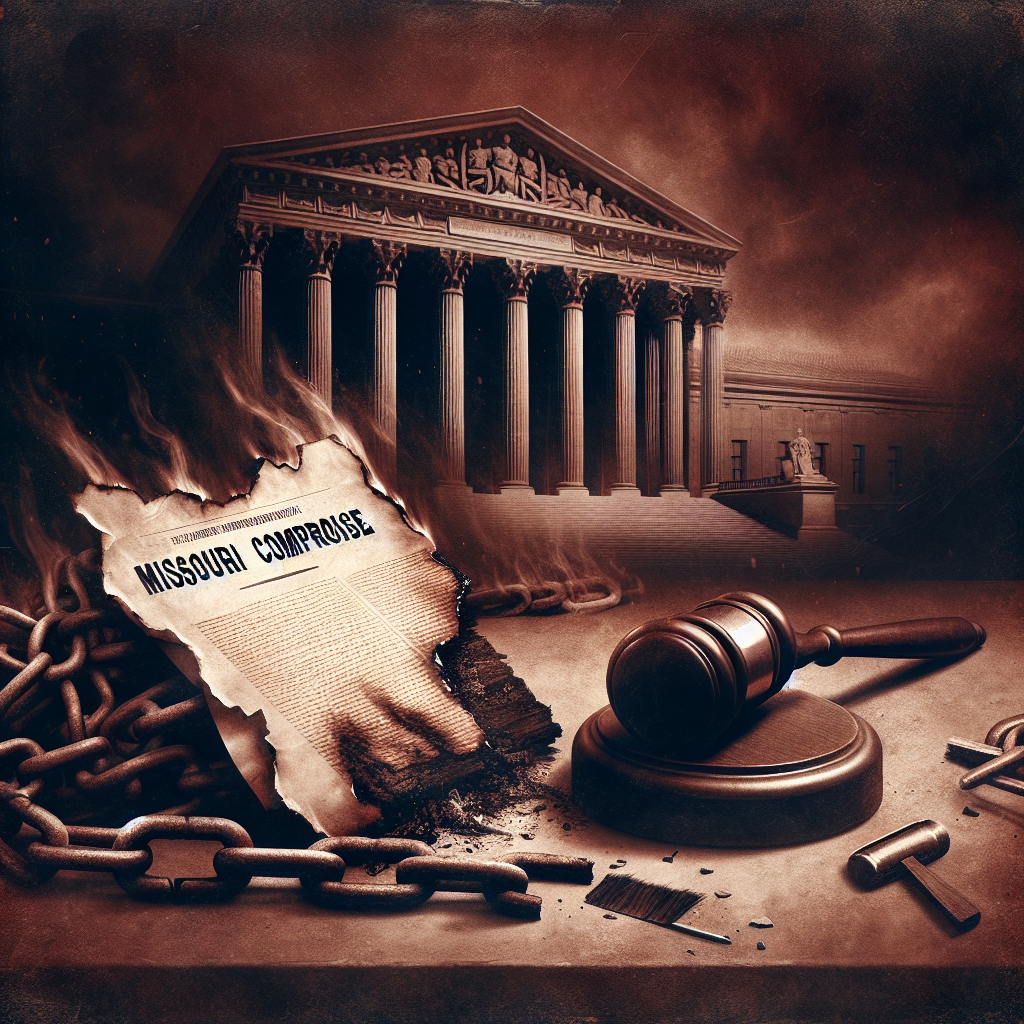
The Dred Scott ruling was catastrophic on multiple levels. Taney held that Black Americans — free or enslaved — were not and could never be citizens of the United States, that they had no rights which white men were bound to respect, and that Congress had no constitutional authority to prohibit slavery in the territories, invalidating the Missouri Compromise of 1820. The decision was intended to resolve the slavery question permanently in the South's favor. Instead it outraged the North, delegitimized the Court in the eyes of half the country, and accelerated the political polarization that produced Lincoln's election and secession. Abraham Lincoln refused to accept it as settled law and said so publicly.
Taney lived to see the consequences of his decision play out in full. He administered Lincoln's oath of office in 1861 with the country already fracturing, and in 1861 he ruled in Ex parte Merryman that Lincoln's suspension of habeas corpus was unconstitutional — a ruling Lincoln simply ignored. Taney died in October 1864, as Union victory was becoming clear, widely despised in the North. Congress refused to fund the customary memorial bust. The Maryland State House removed his statue from its grounds in 2017. His name has been removed from several federal buildings. The Dred Scott decision is his permanent and inescapable monument.

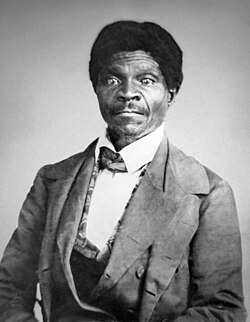
| Born | March 17, 1777 — Calvert County, Maryland |
| Died | October 12, 1864 — Washington, D.C. |
| Role | Chief Justice of the United States |
| Tenure | March 28, 1836 – October 12, 1864 (28 years) |
| Appointed by | President Andrew Jackson |
| Key ruling | Dred Scott v. Sandford (1857) — Black Americans have no rights |
| Also ruled | Ex parte Merryman (1861) — Lincoln's habeas corpus suspension unconstitutional |
| Years | 1777–1864 |
| Location | Calvert County, Maryland |