Thurgood Marshall
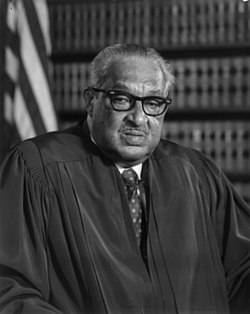
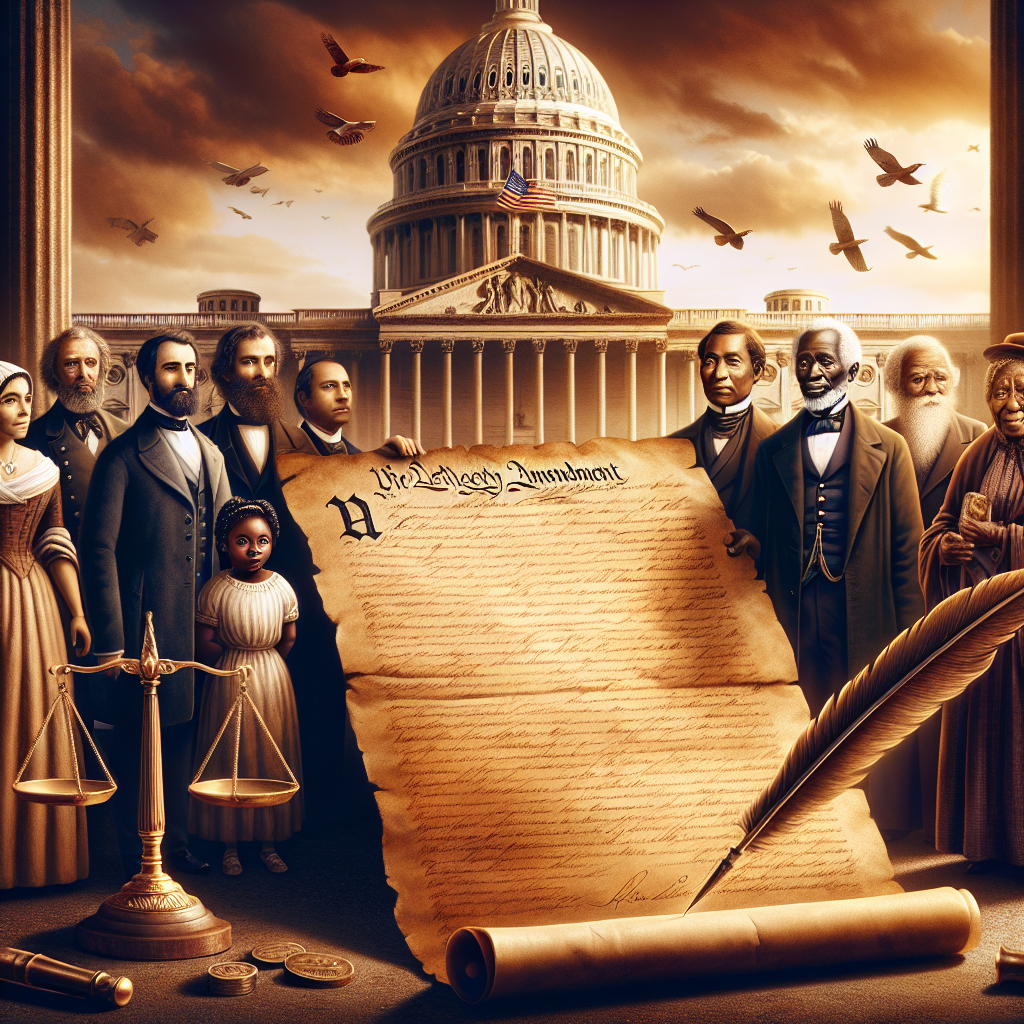
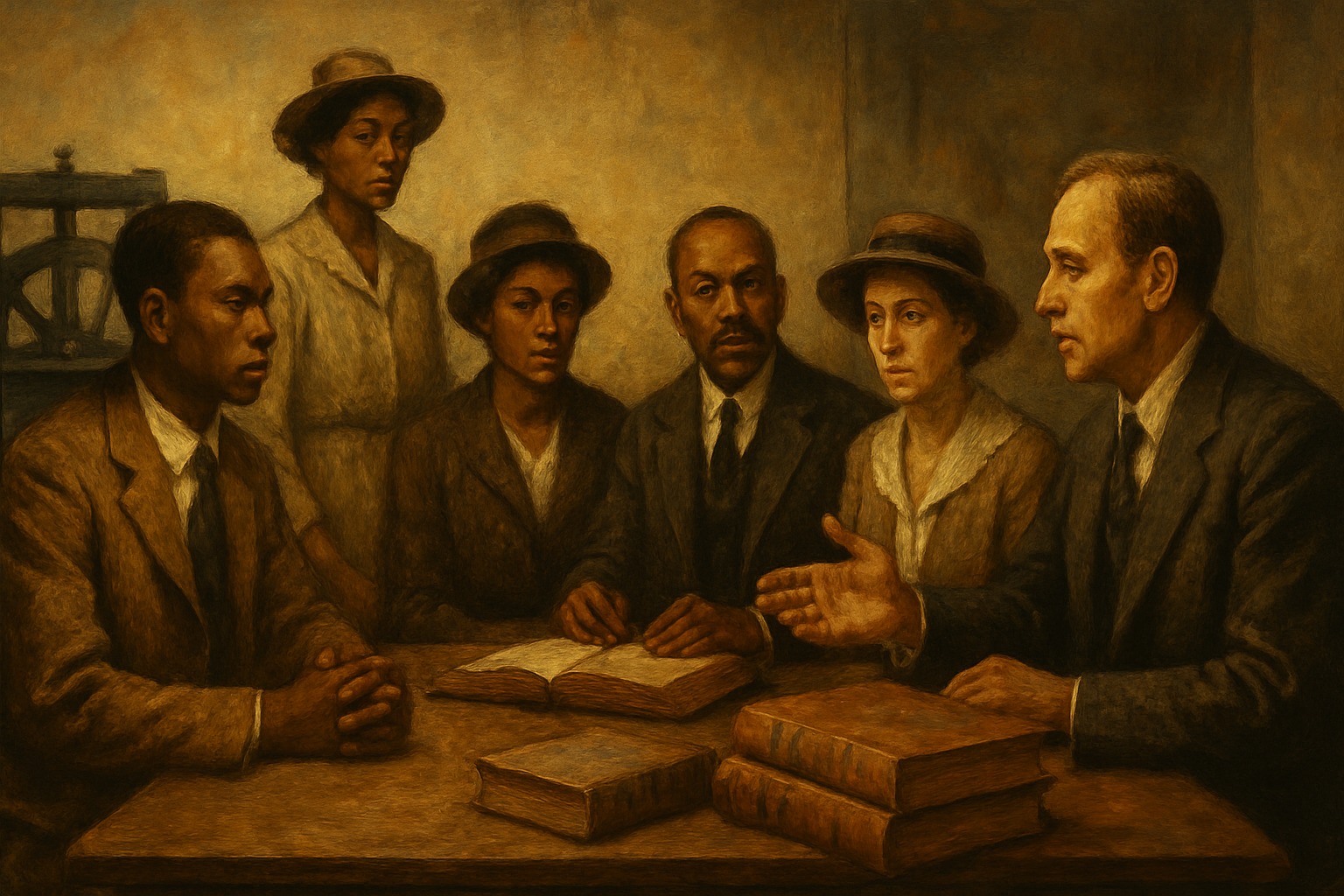
Thurgood Marshall argued 32 cases before the Supreme Court and won 29 of them — a record that no private attorney in American history has approached. He did this while representing clients who were Black in a legal system that was designed, at every level from local courthouse to Supreme Court, to produce outcomes adverse to them, traveling through the Jim Crow South to try cases in jurisdictions where his own safety was not guaranteed. He was stopped by police, threatened, and on at least one occasion escaped a lynching attempt. He argued anyway, because he had identified the precise mechanism by which American apartheid could be dismantled: the Equal Protection Clause of the 14th Amendment, applied with enough precision and enough patience to force the courts to either enforce it or openly admit they wouldn't.
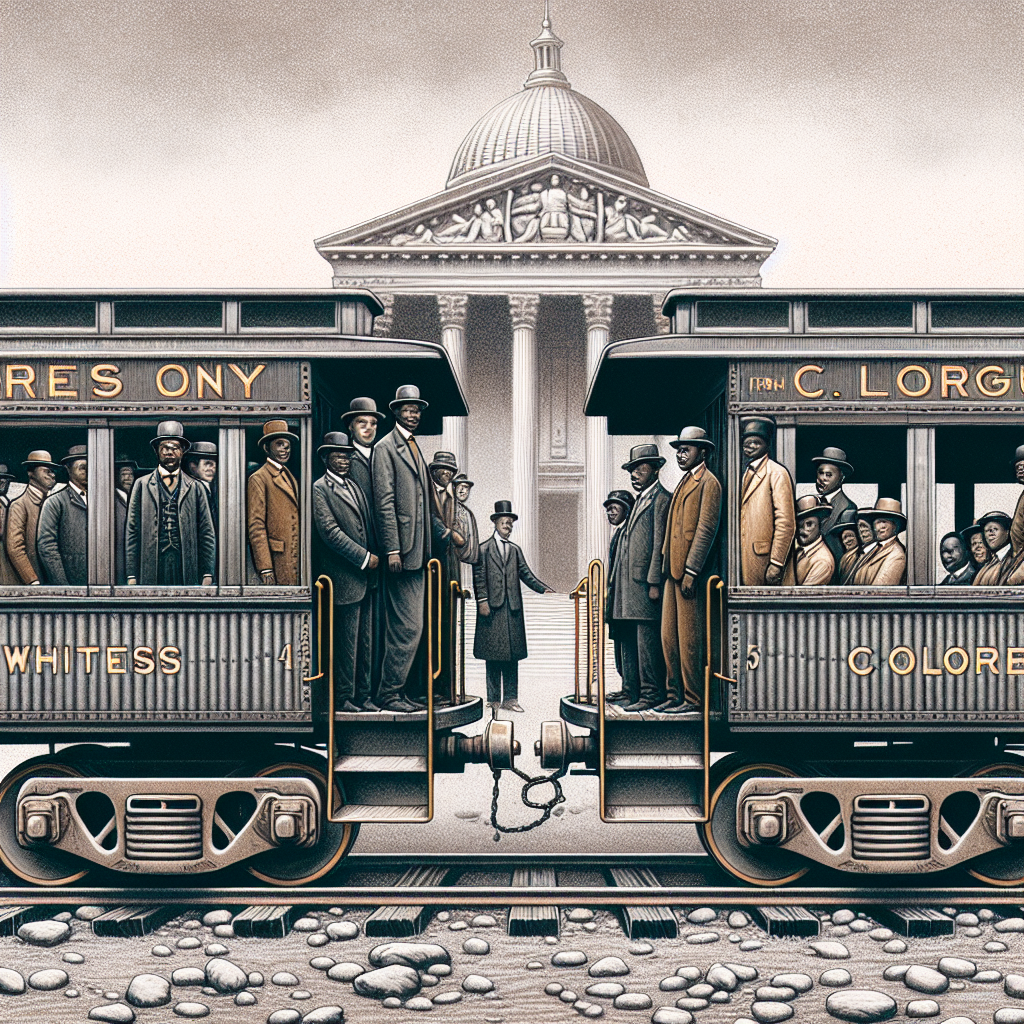
The strategy took 20 years. Marshall joined the NAACP Legal Defense Fund in 1936 and spent the next 18 years building the legal architecture that produced Brown v. Board of Education — winning at the graduate school level first, establishing that "separate but equal" was never actually equal in practice, then attacking elementary school segregation directly with Brown in 1954. The unanimous ruling he won from the Supreme Court was the culmination of a legal campaign as strategically sophisticated as any military operation, executed with almost no resources against opponents with the full weight of state governments behind them. The Brown decision did not emerge from judicial conscience. It was argued into existence by Thurgood Marshall.
President Johnson appointed Marshall to the Supreme Court in 1967 — the first Black Justice in the Court's 178-year history. He served until 1991, becoming the Court's most consistent voice for the proposition that the Constitution's promises meant what they said and applied to everyone. His dissents from the Burger and Rehnquist Courts' gradual retreat from civil rights gains became increasingly sharp as he watched the legal architecture he had built being methodically dismantled. His retirement statement was characteristic: asked if he was leaving for health reasons, he said yes — he was old and falling apart. Asked if he had any regrets, he said: "Yeah. The fact that I may not live to see the completion of what we all struggled for." He died 18 months later.


| Born | July 2, 1908 — Baltimore, Maryland |
| Died | January 24, 1993 — Bethesda, Maryland |
| Education | Howard University Law School (1933) |
| NAACP LDF | Director-Counsel, 1940–1961 |
| SC record | 29 wins in 32 arguments |
| Key case | Brown v. Board of Education (1954) |
| Supreme Court | Associate Justice, 1967–1991 (appointed by LBJ) |
| Years | 1908–1993 |
| Location | Baltimore, Maryland |