Selma to Montgomery Marches
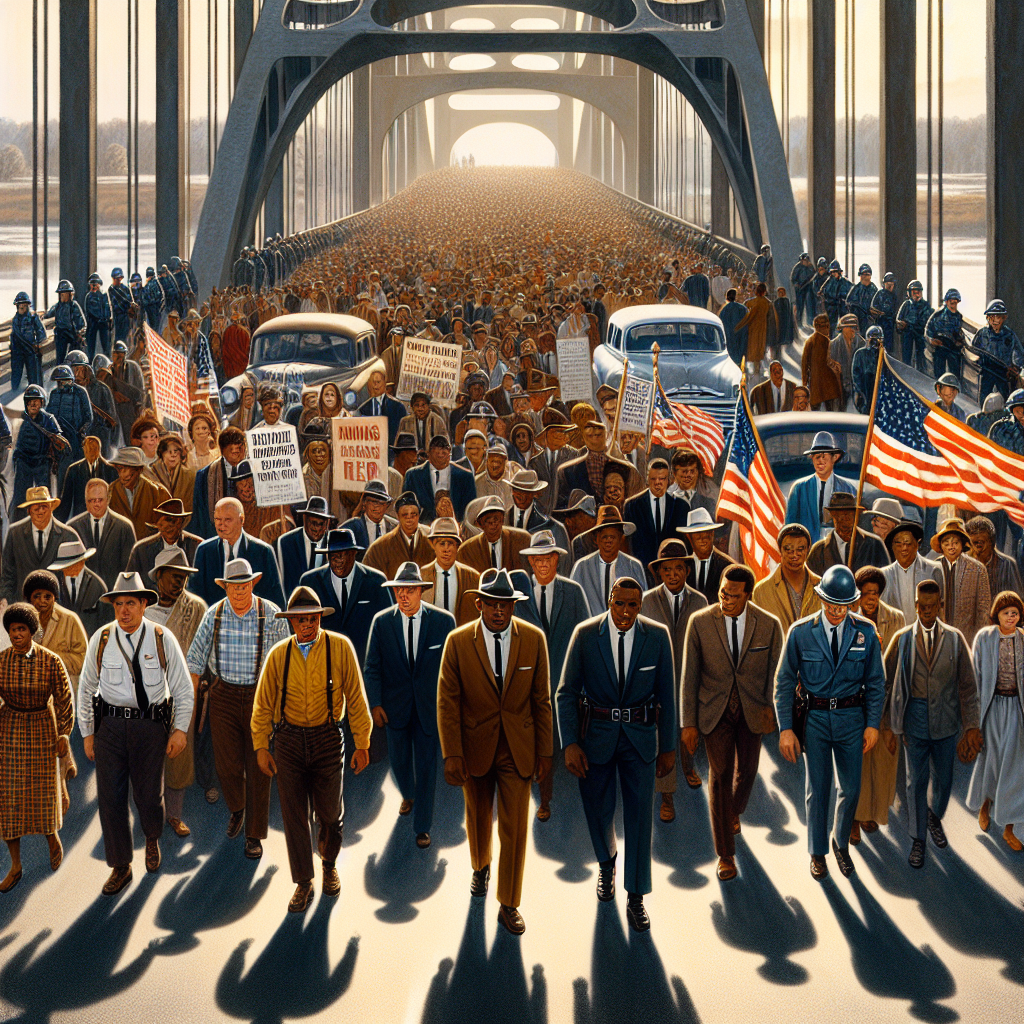
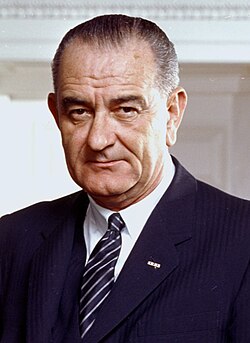
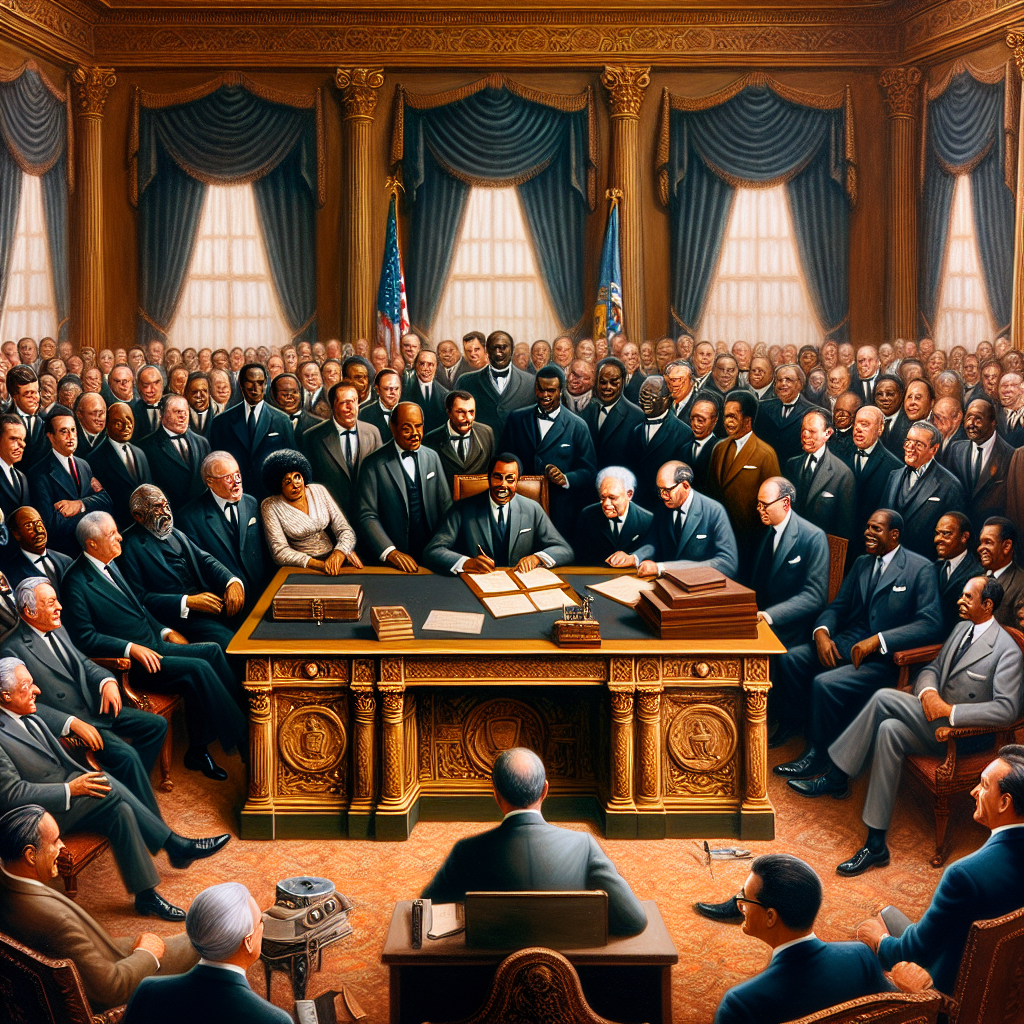
On March 7, 1965 — a day that became known as Bloody Sunday — 600 civil rights marchers crossed the Edmund Pettus Bridge in Selma, Alabama and were met by state troopers with clubs and tear gas. The images broadcast that evening into American living rooms were unlike anything television had shown before: peaceful marchers, many of them women and children, beaten on a public bridge in broad daylight by uniformed officers of a state government. President Lyndon Johnson called it an American tragedy. Congress passed the Voting Rights Act five months later.
The marches were the culmination of years of voting rights organizing in Selma's Dallas County, where Black residents constituted a majority of the population but only 2 percent of the registered voters. The Dallas County Voters League had been working since the 1930s; the Student Nonviolent Coordinating Committee had been working since 1963; Jimmie Lee Jackson had been shot by a state trooper in February 1965 while protecting his mother at a voting rights demonstration. The march was planned in response to his murder. Its confrontation with official violence was not accidental. It was the point.
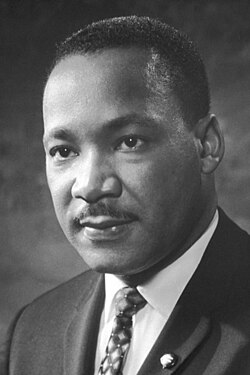
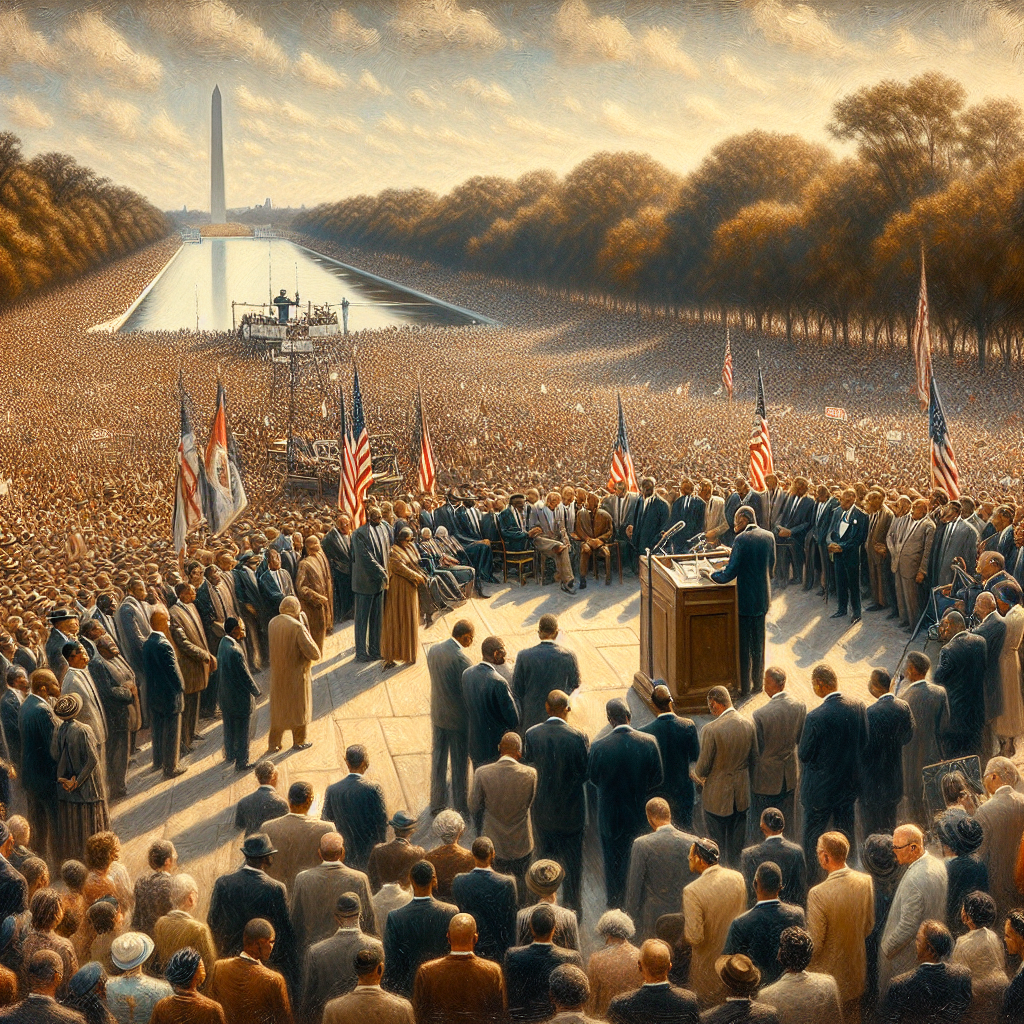
Three marches took place. The first ended on the bridge. The second, led by Martin Luther King Jr., turned back to avoid violating a federal injunction. The third, protected by federalized National Guard troops, completed the 54-mile journey to Montgomery on March 25, 1965, with 25,000 people arriving at the state capitol. The bridge has since been considered a pilgrimage site. John Lewis — who was beaten on Bloody Sunday and whose skull was fractured — made the crossing an annual ritual until his death in 2020.

| Dates | March 7, 21, and 25, 1965 |
| Route | Selma to Montgomery, Alabama — 54 miles |
| Bloody Sunday | March 7, 1965 — marchers beaten at Edmund Pettus Bridge |
| Key Figures | John Lewis, Martin Luther King Jr., Amelia Boynton Robinson |
| Final March | 25,000 arrived at Montgomery state capitol, March 25 |
| Result | Voting Rights Act of 1965, signed August 6, 1965 |
| Date | March 7–25, 1965 |
| Location | Selma, Alabama |