Westward Expansion
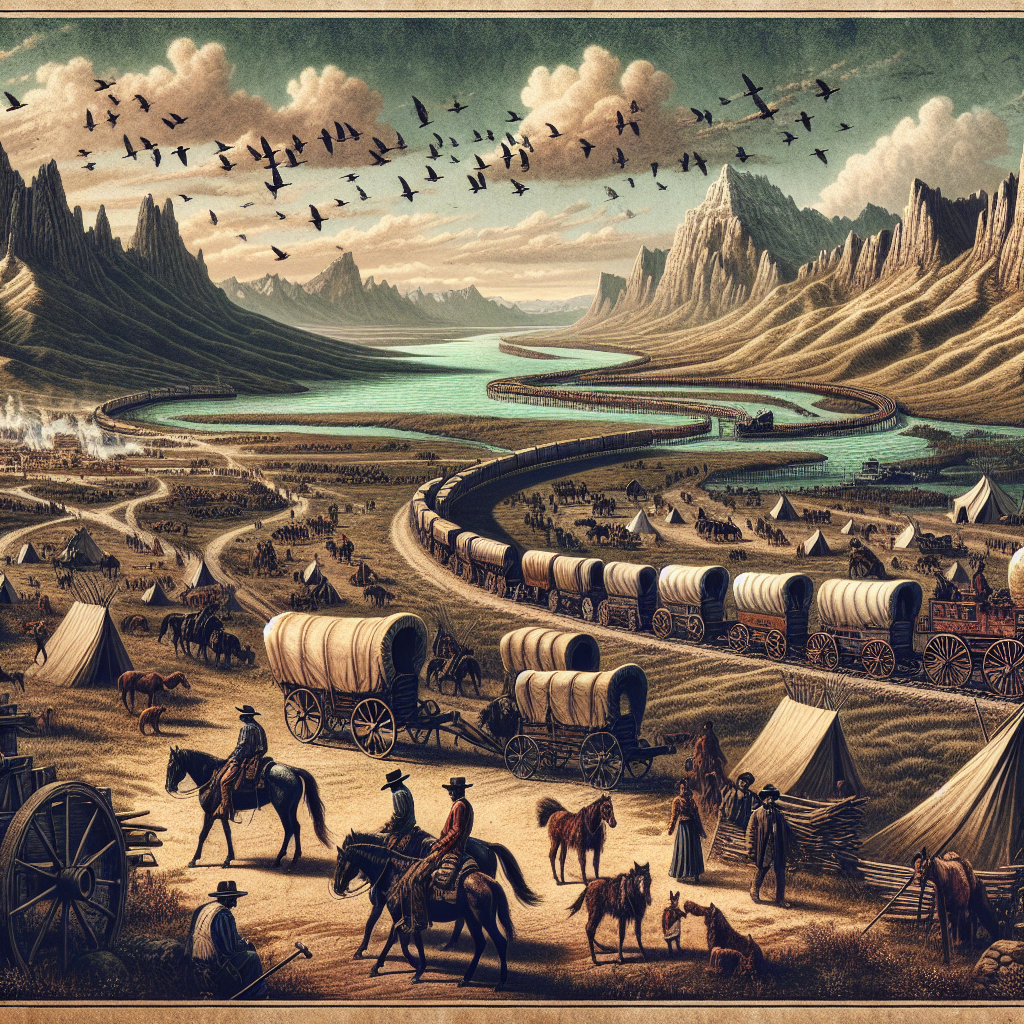
American westward expansion was not a single event or a single policy but a century of acquisitions, migrations, displacements, and mythologies that remade the continent. From the Louisiana Purchase of 1803 to the closing of the frontier declared by the Census Bureau in 1890, the United States expanded from a narrow Atlantic seaboard republic to a continental power stretching across three million square miles. That expansion was driven by land hunger, by the ideology of Manifest Destiny, by the discovery of gold and silver, by the labor of Chinese railroad workers and Irish immigrants, and by the systematic destruction of the Indigenous nations that stood in the way.
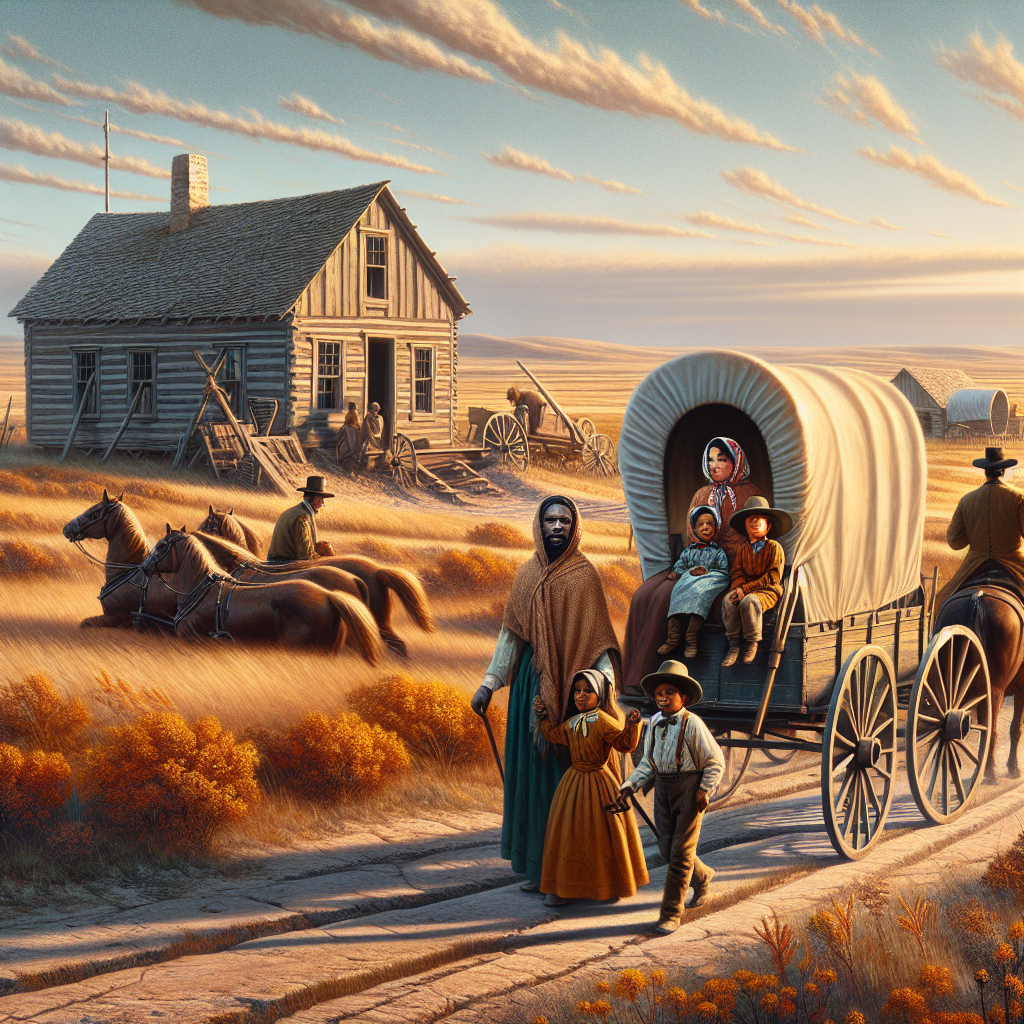
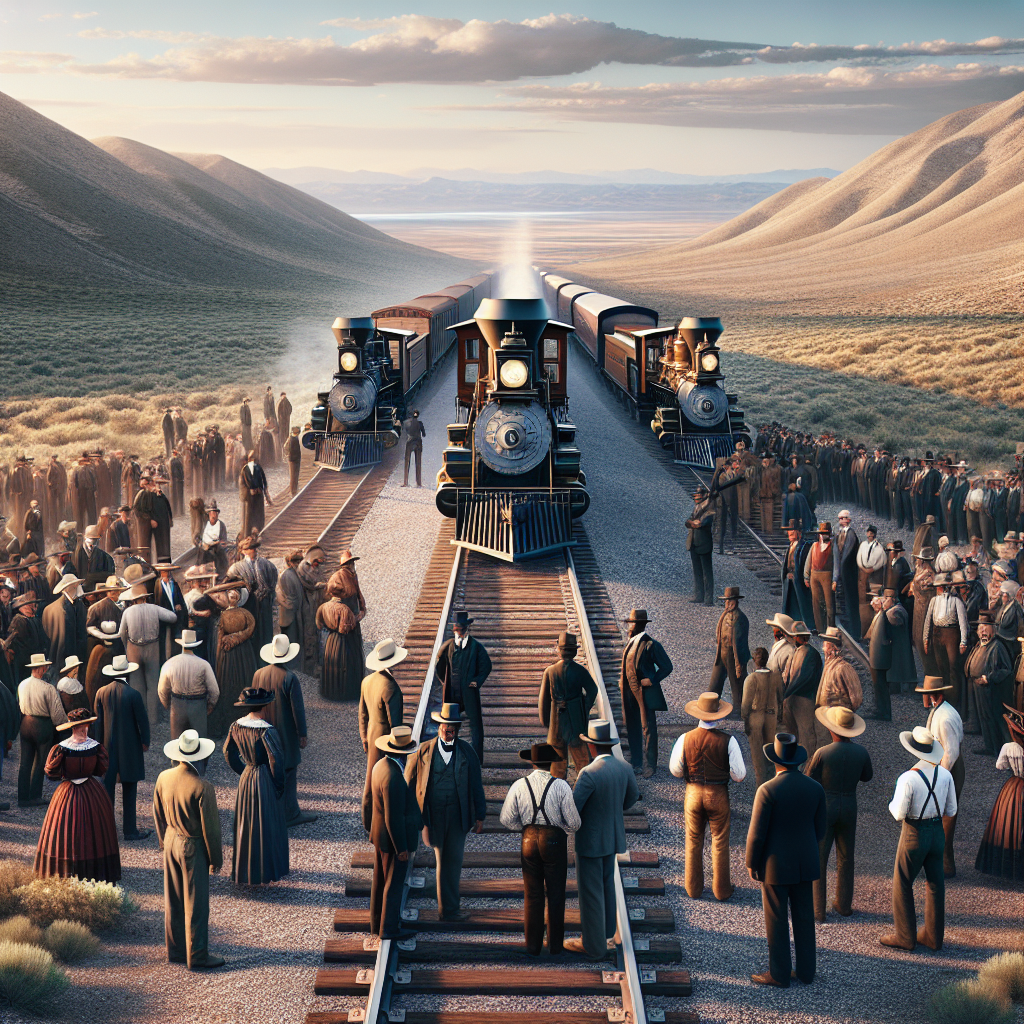
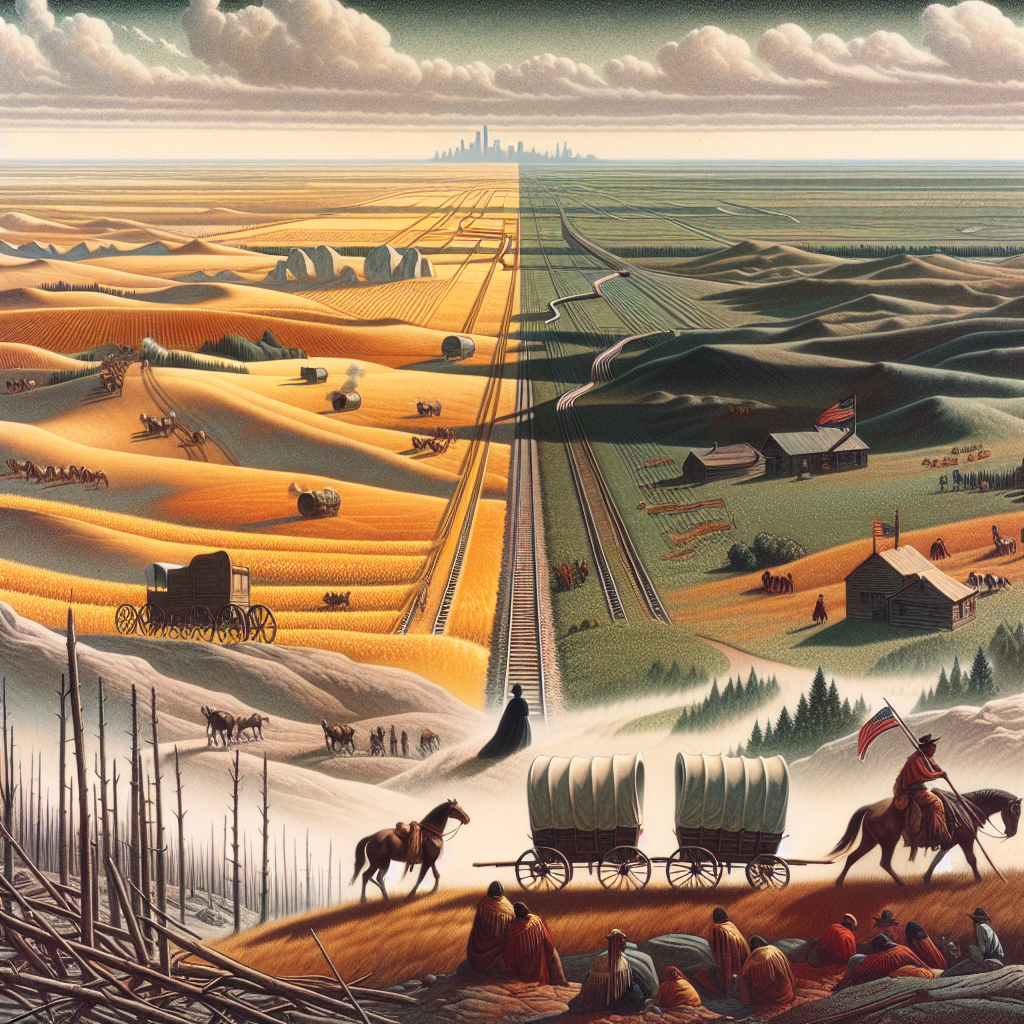
The mechanisms were varied: purchase (Louisiana, 1803; Alaska, 1867), negotiated settlement (Oregon, 1846), conquest (Mexican Cession, 1848), and ongoing military campaigns against Plains and Western tribes that lasted from the 1850s through the 1890s. The Homestead Act of 1862 accelerated settlement by granting 160 acres of public land to any citizen who would farm it for five years. The transcontinental railroad, completed in 1869, made the movement of people and goods across the continent commercially viable and tied distant settlements to Eastern markets. Each of these mechanisms carried human costs that the mythology of frontier freedom consistently obscured.
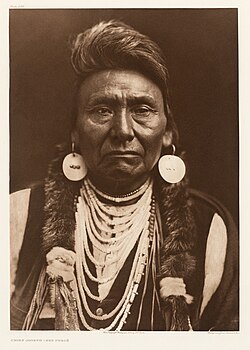
The frontier thesis advanced by historian Frederick Jackson Turner in 1893 — that westward expansion had shaped the distinctive democratic character of the American people — became the dominant framework for understanding what the expansion had meant. It focused entirely on the settlers and said nothing about those who had been there before them. The counter-narrative that took shape in the late 20th century — the New Western History — insisted that the West was not an empty stage for American progress but a place already inhabited, that conquest was conquest, and that the costs of expansion had been borne by people whose experience the Turner thesis had erased.


| Period | 1803–1890 (primary) |
| Key Acquisitions | Louisiana Purchase; Oregon Treaty; Mexican Cession; Gadsden Purchase |
| Homestead Act | 1862 — 160 acres to settlers who farmed for five years |
| Transcontinental RR | Completed May 10, 1869 — linked coasts by rail |
| Frontier Closed | 1890 — Census Bureau declared no more continuous frontier |
| Turner Thesis | Frederick Jackson Turner, 1893 — frontier shaped American democracy |
| Years | 1803–1890 |
| Location | United States |