John C. Calhoun
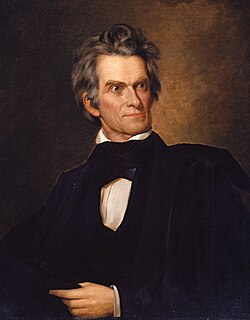
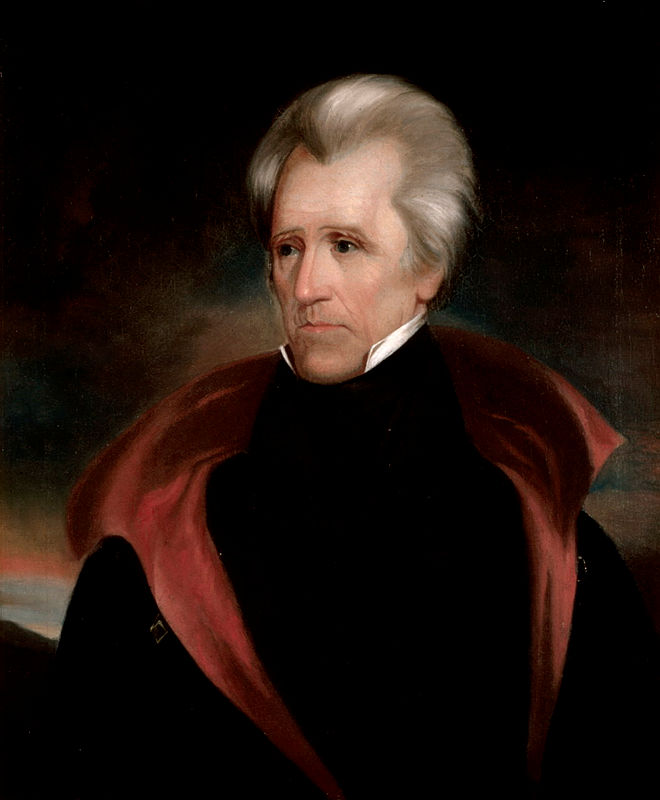
John C. Calhoun began his career as a nationalist and ended it as the most influential theorist of Southern separatism in American history. He served as a congressman, Secretary of War, Vice President under two presidents, and senator from South Carolina for decades — moving steadily, as slavery became more contested, from supporting federal power to opposing it, from union to states' rights, from patriot to proto-secessionist. His trajectory tracks the trajectory of the antebellum South itself, which is why he remains essential to understanding how the Civil War became possible.
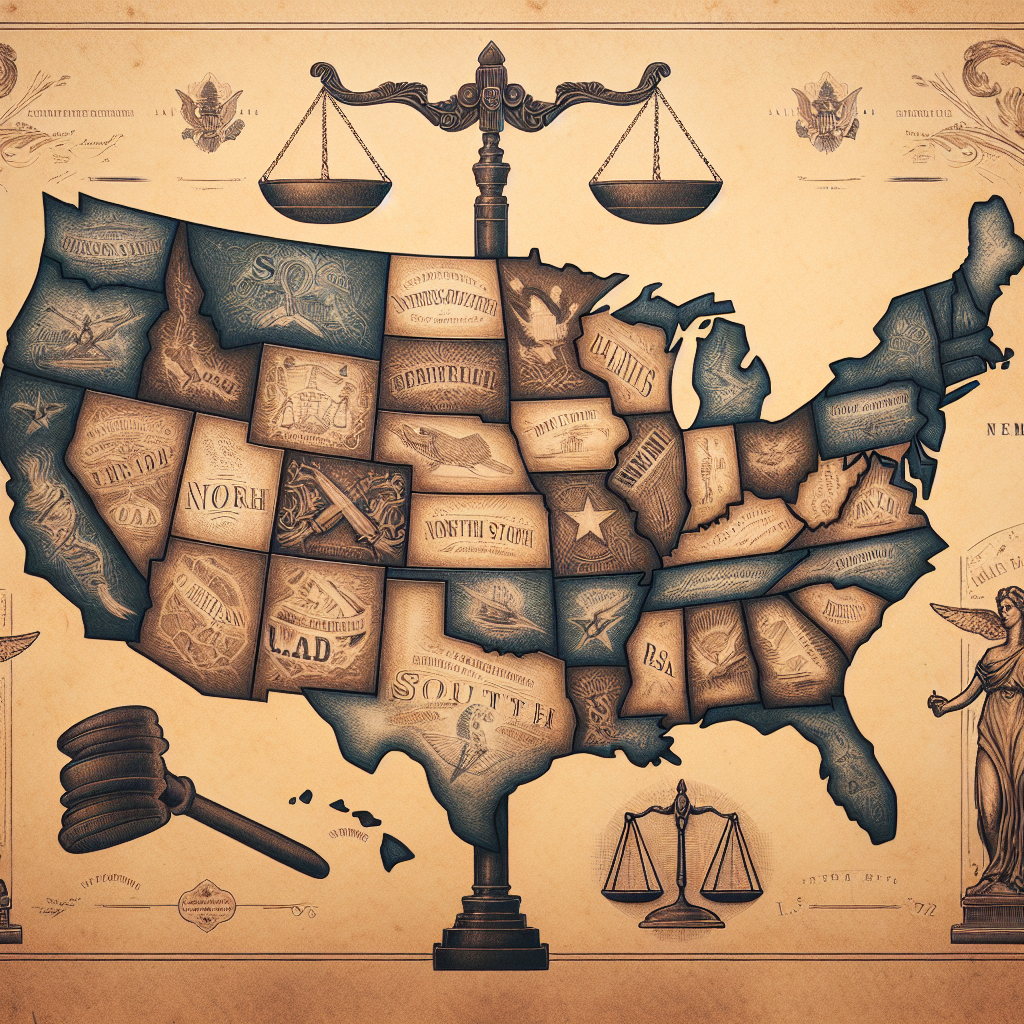
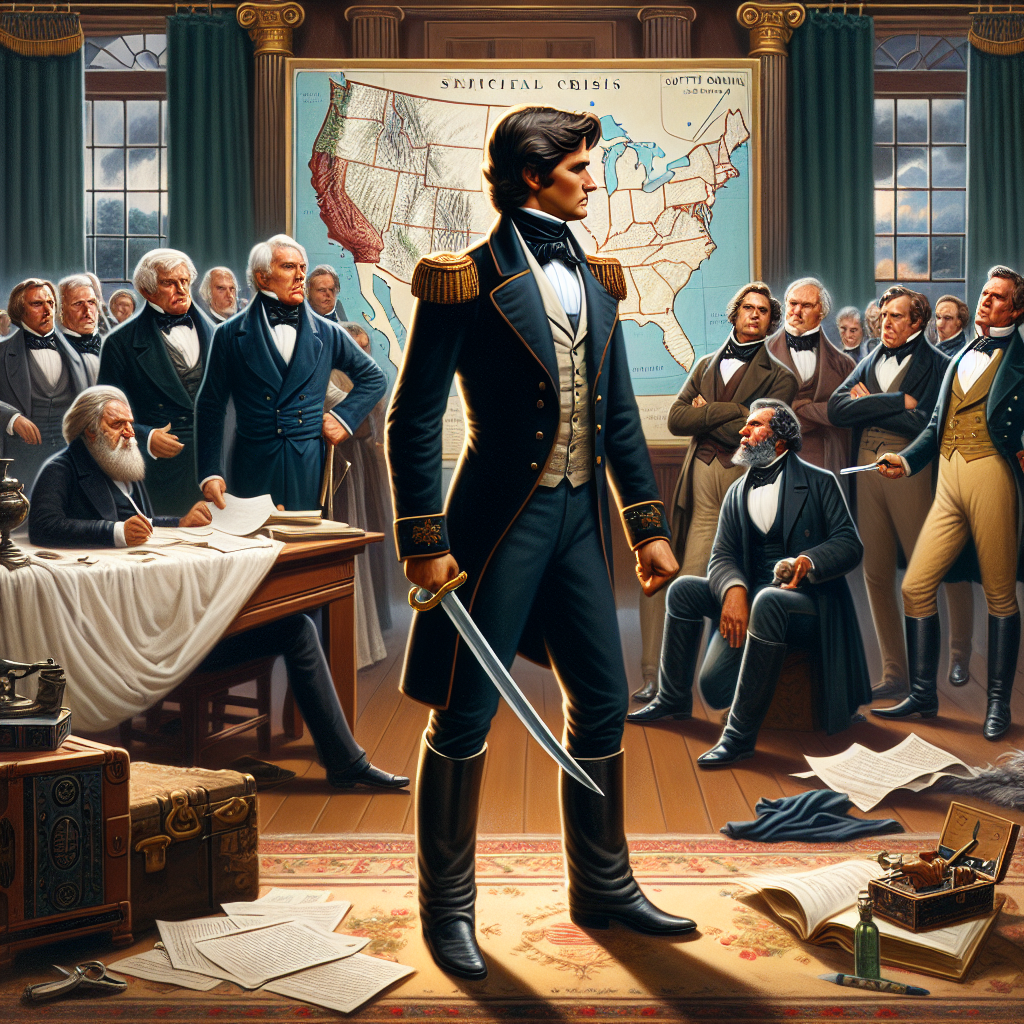
His most consequential contribution to American political thought was the doctrine of nullification: the argument that states had the right to void within their borders any federal law they deemed unconstitutional. He advanced it formally during the 1832 Nullification Crisis, when South Carolina — acting on his theory — declared the federal tariff null and void and threatened secession if the federal government attempted to collect it. Andrew Jackson, his former political ally and then-sitting president, threatened to hang him. Congress passed a compromise tariff. Nullification failed in 1832, but its logic carried forward.
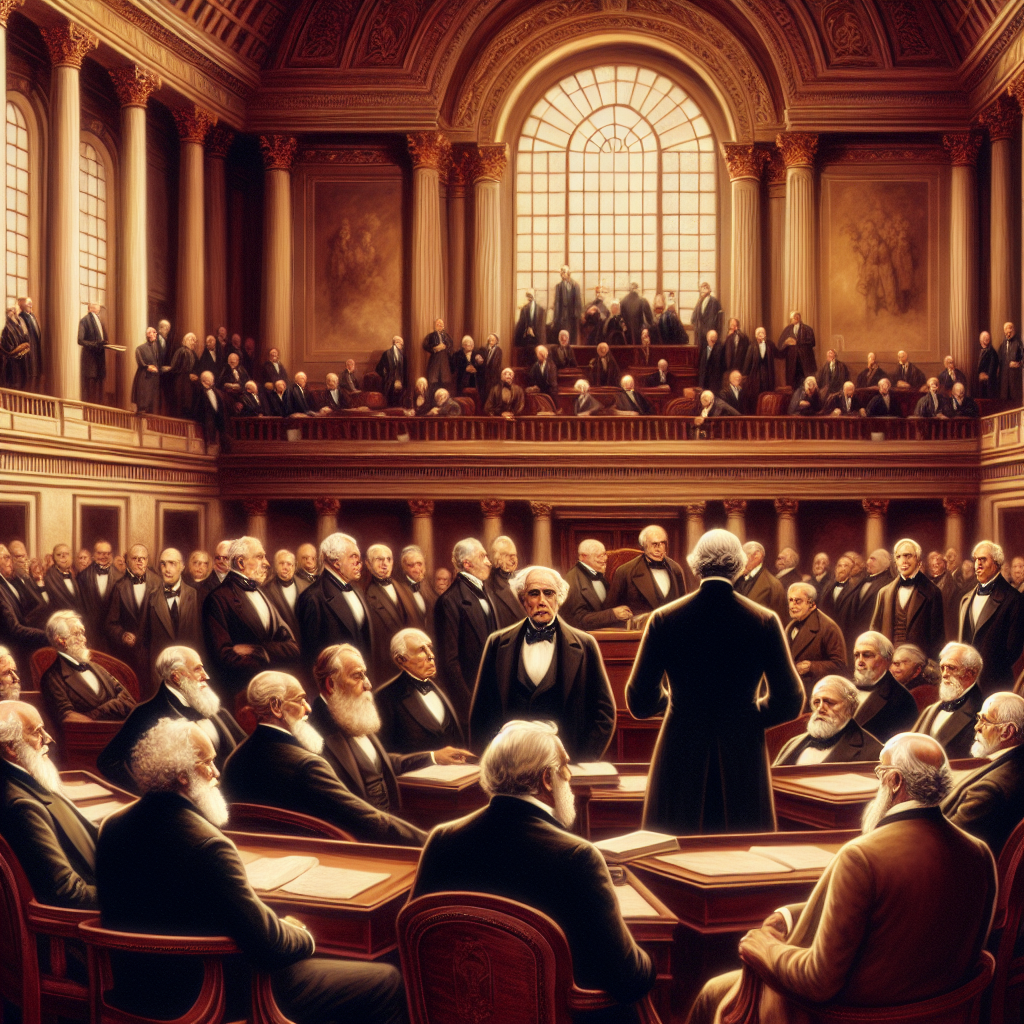
Calhoun spent the last decades of his career defending slavery not as a necessary evil — the earlier Southern position — but as a positive good, beneficial to enslaved and enslaver alike, essential to Southern civilization, and deserving of constitutional protection in all federal territories. His Disquisition on Government argued for a "concurrent majority" — a veto for minority sections over national majorities — as protection against Northern numerical dominance. He died in 1850, a decade before the war his ideas helped make inevitable. His fellow senators reportedly said they heard his voice in the Senate chamber long after his death. They meant it as a compliment.


| Born | March 18, 1782 — Abbeville, South Carolina |
| Died | March 31, 1850 — Washington, D.C. |
| Offices | VP under Adams and Jackson; Secretary of War; Senator (SC) |
| Key Doctrine | Nullification — states may void unconstitutional federal law |
| Nullification Crisis | 1832–1833 — South Carolina vs. federal tariff |
| Key Work | Disquisition on Government (published posthumously, 1851) |
| Years | 1782–1850 |
| Location | Washington, D.C. |