Andrew Jackson
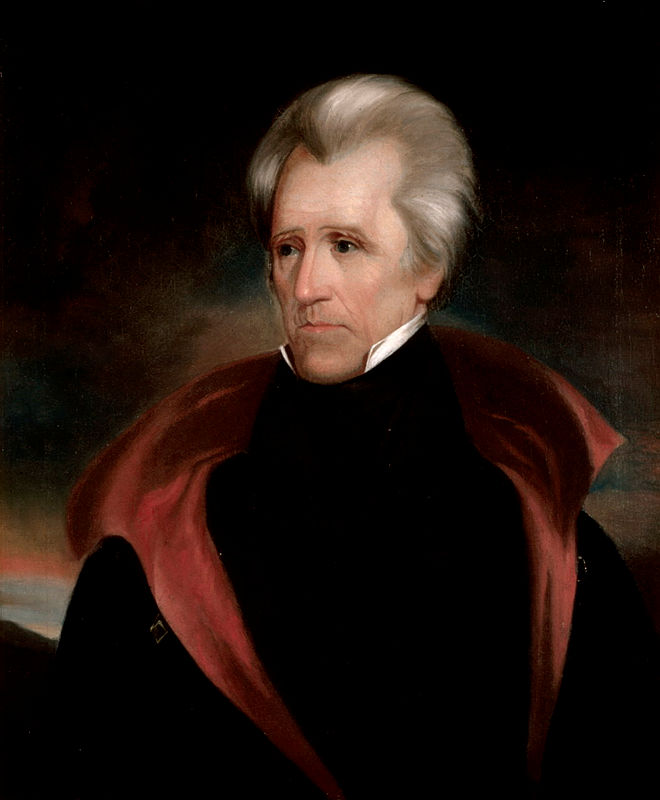
Andrew Jackson was the first president who had not been born into the colonial gentry, the first from west of the Appalachians, and the first to treat the presidency as a mandate from "the people" — by which he meant white male voters, whose enormous enthusiasm for him alarmed the educated classes who considered him barely civilized. He had killed a man in a duel over an insult to his wife, carried two bullets in his body from various fights, and defeated the British at the Battle of New Orleans in January 1815, two weeks after the war had officially ended but before the news arrived. The victory made him a national hero. Everything else he did as president made him one of the most consequential and contested figures in American history.
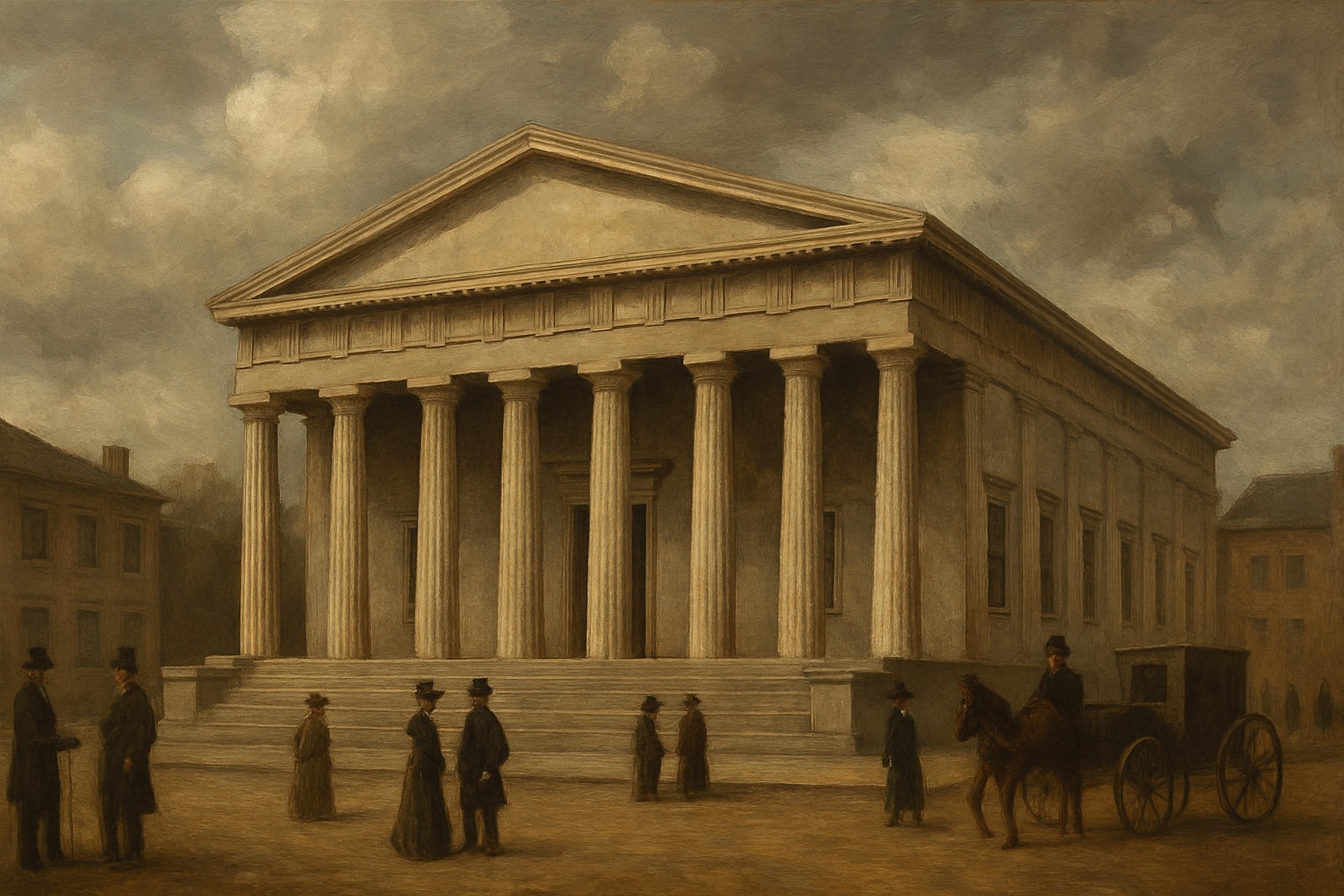
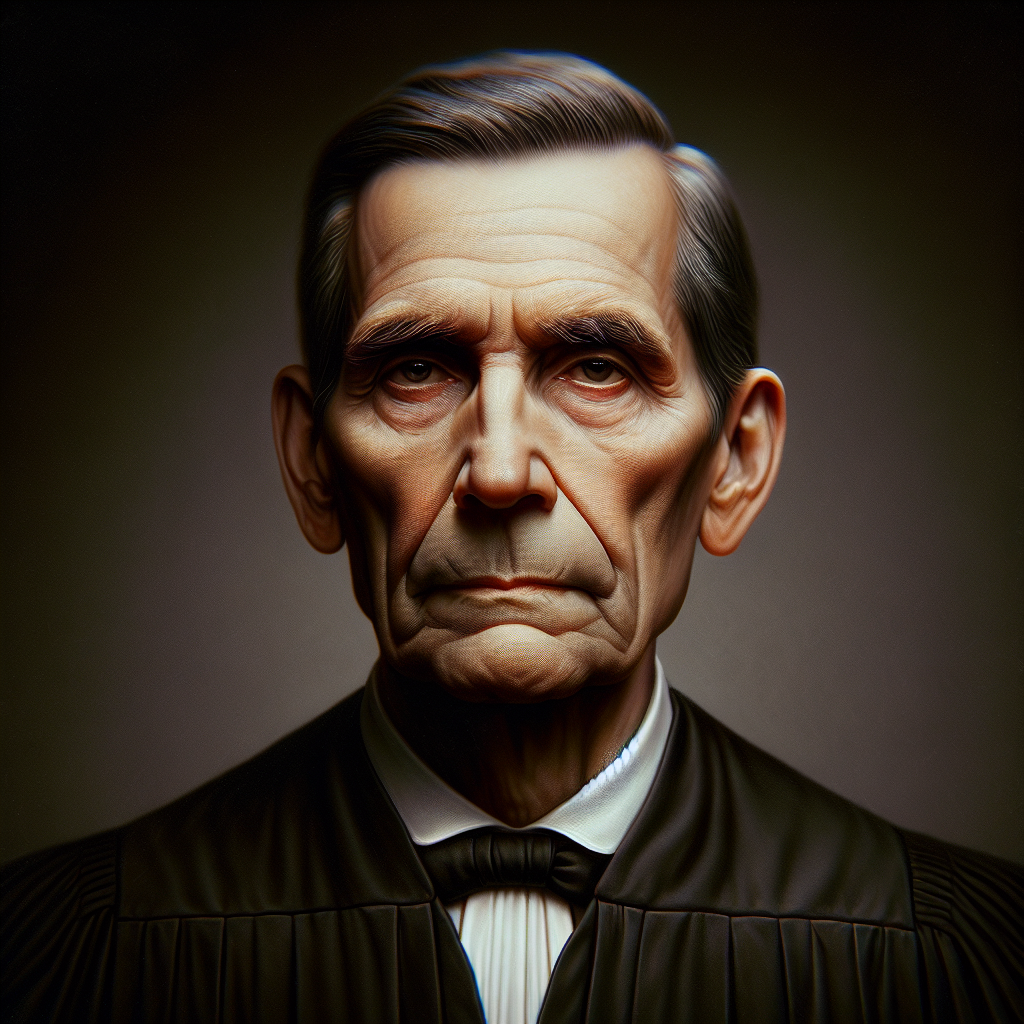
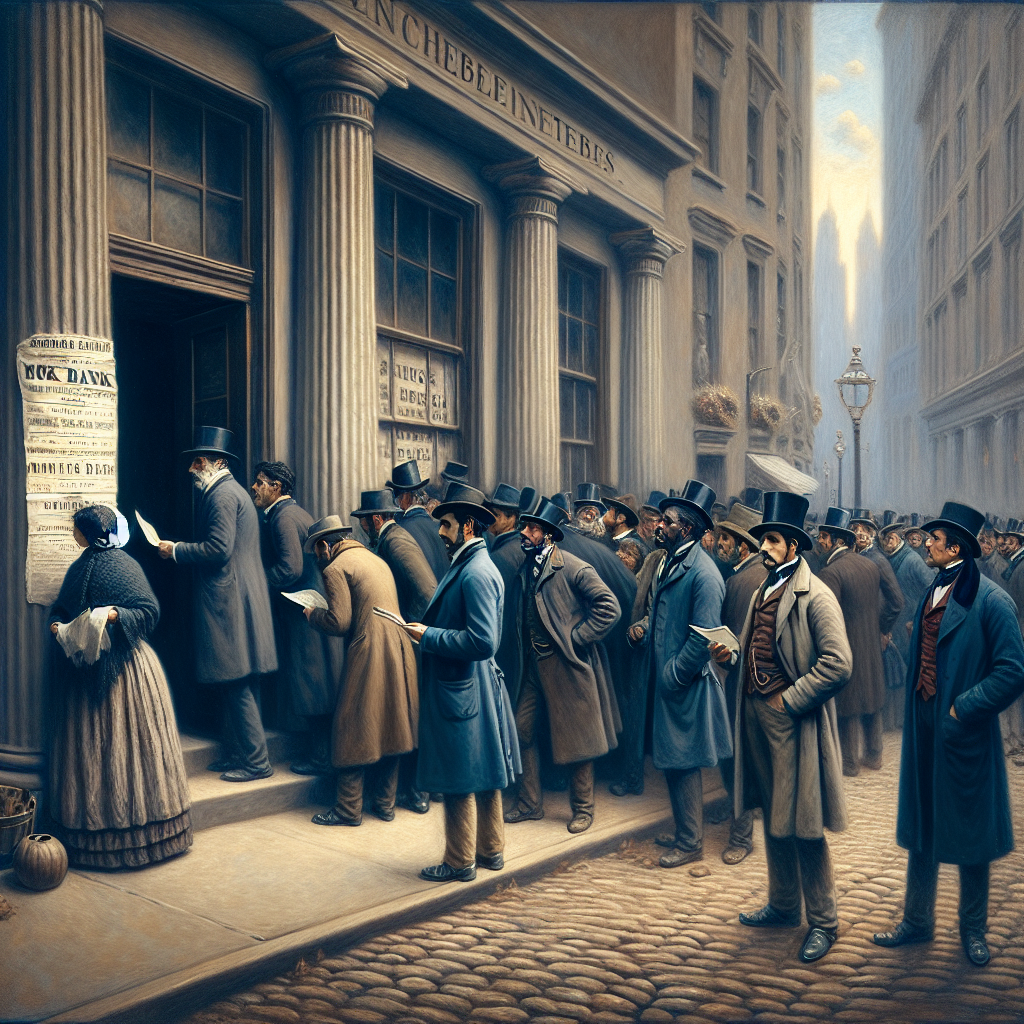
Jackson's presidency, 1829 to 1837, demolished the Second Bank of the United States, which he viewed as a corrupt instrument of Eastern financial elites. He vetoed its recharter in 1832, transferred federal deposits to state banks, and effectively ended centralized federal banking for a generation — a decision economists still debate, as the period that followed was marked by financial instability and the Panic of 1837. He also confronted South Carolina's nullification crisis, threatening military force against a state that claimed the right to void federal law, and facing down secession impulses three decades before the Civil War.
The Indian Removal Act of 1830, which Jackson championed and signed, authorized the forced relocation of Native nations from the American Southeast. The resulting Trail of Tears killed thousands of Cherokee, Choctaw, Creek, Chickasaw, and Seminole people, and is the indelible stain on his legacy — one that has grown more indelible as American historical consciousness has expanded. Jackson enslaved 150 people at his Tennessee plantation, The Hermitage. The decision to remove his image from the $20 bill in favor of Harriet Tubman's was announced in 2016 and has been subject to political dispute ever since.

| Born | March 15, 1767 — Waxhaws, South Carolina/North Carolina |
| Died | June 8, 1845 — Nashville, Tennessee |
| Term | March 4, 1829 – March 4, 1837 |
| Party | Democrat |
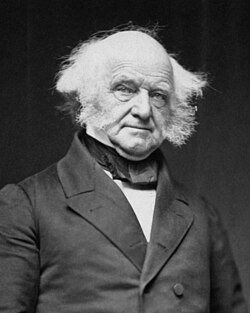
| Vice Presidents | John C. Calhoun (1829–32); Martin Van Buren (1833–37) |
| Military victory | Battle of New Orleans, January 8, 1815 |
| Preceded by | John Quincy Adams |
| Succeeded by | Martin Van Buren |
| Years | 1767–1845 |
| Location | Nashville, Tennessee |