The NAACP
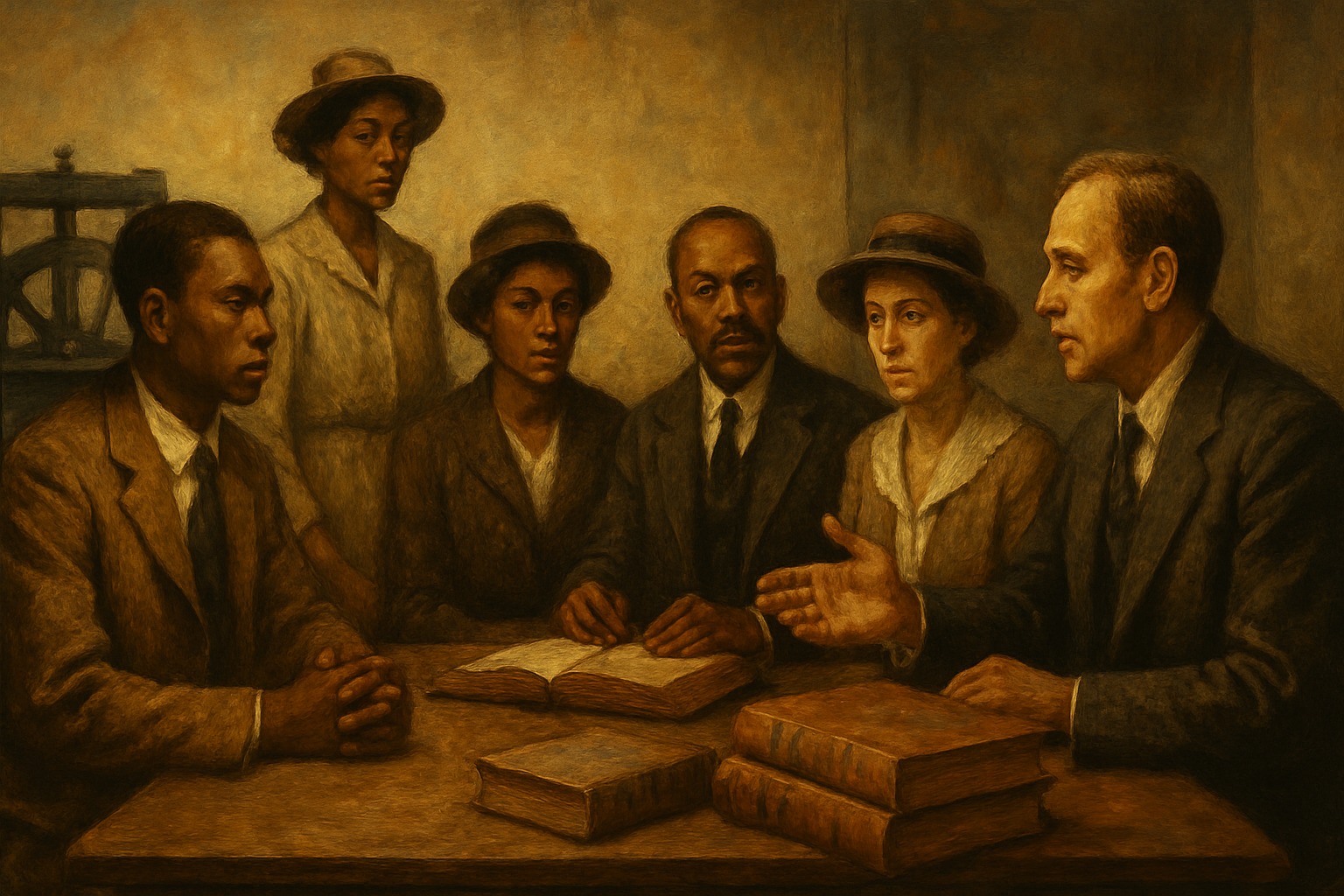
A race riot in Abraham Lincoln's hometown gave American civil rights its enduring institution. Appalled by a white mob's rampage through Black neighborhoods in Springfield, Illinois, in 1908, a group of Black and white reformers founded the National Association for the Advancement of Colored People the following year. Interracial from the start and national in ambition, the NAACP set out to secure for Black Americans the equal citizenship the Constitution promised and the country denied — the oldest and most influential civil rights organization in the nation.
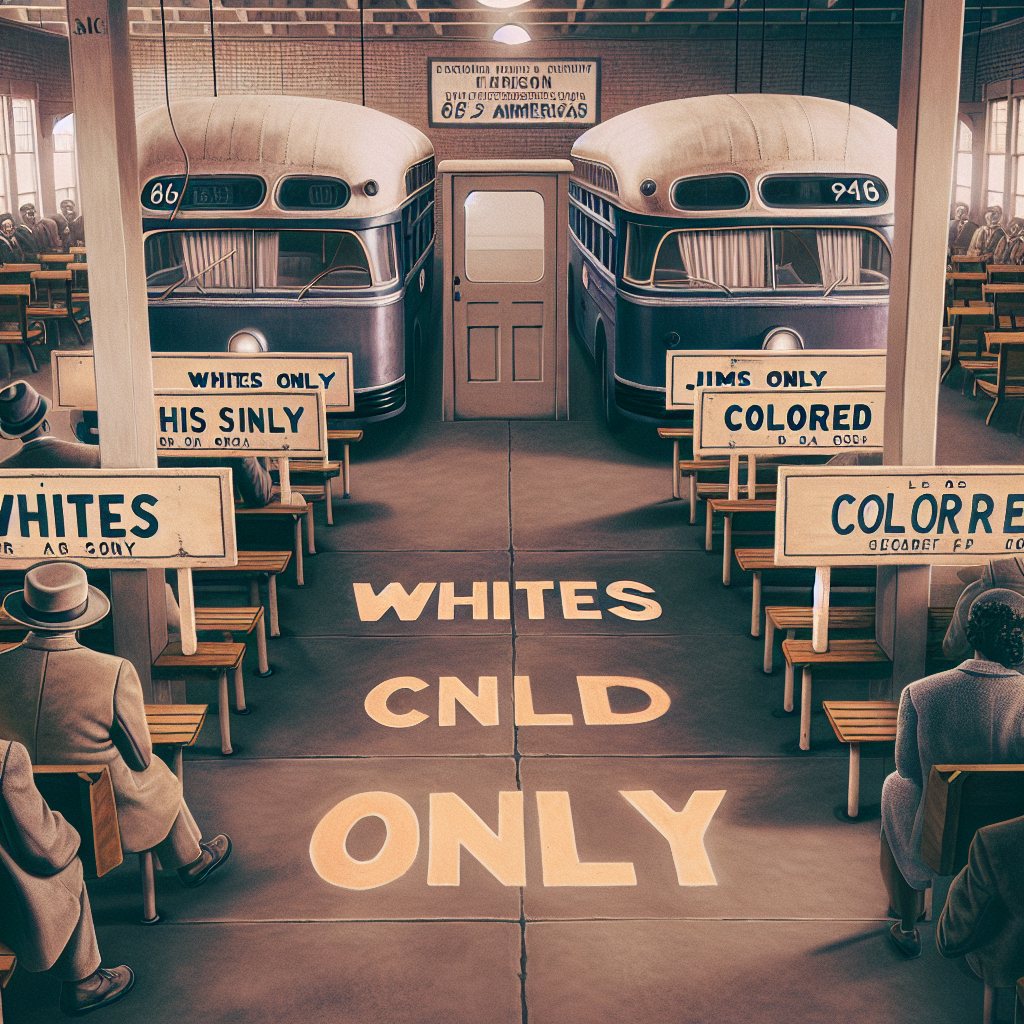
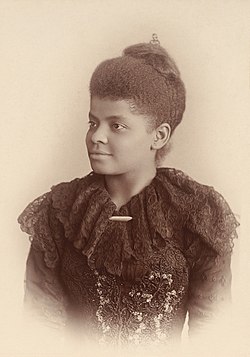
Its early weapons were the pen and the law. W.E.B. Du Bois, one of its founders, edited the association's magazine, The Crisis, into a powerful voice against lynching and segregation, while the anti-lynching journalist Ida B. Wells lent her fierce reporting to the cause. The NAACP lobbied Congress, documented racial violence, and above all built the legal strategy that would become its signature — a patient, decades-long campaign to dismantle segregation one court case at a time.
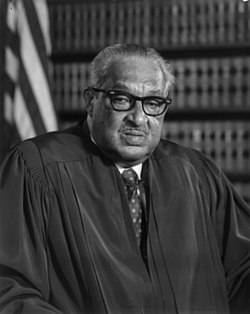
That strategy came to fruition in the courtroom. Through its Legal Defense Fund, the NAACP recruited brilliant attorneys, chief among them Thurgood Marshall, who chipped away at the legal foundations of Jim Crow until, in 1954, the Supreme Court declared school segregation unconstitutional in Brown v. Board of Education. The victory helped ignite the mass civil rights movement of the following decade and stands among the great achievements of legal activism in American history.
The NAACP endured where more radical organizations rose and fell, its insistence on legal and political change through established channels making it a durable fixture of American life. In the generations since Brown it has kept up the fight over voting rights, discrimination, and equal opportunity. More than a century after a mob in Springfield, the organization remains the institutional backbone of the long struggle for Black equality.


| Founded | 1909 |
| Founders | W.E.B. Du Bois, Ida B. Wells, and others (interracial) |
| Distinction | Oldest U.S. civil rights organization |
| Magazine | The Crisis (edited by Du Bois) |
| Legal arm | NAACP Legal Defense Fund |
| Landmark | Brown v. Board of Education (1954) |
| Date | Founded 1909 |
| Location | New York City |