Montgomery Bus Boycott

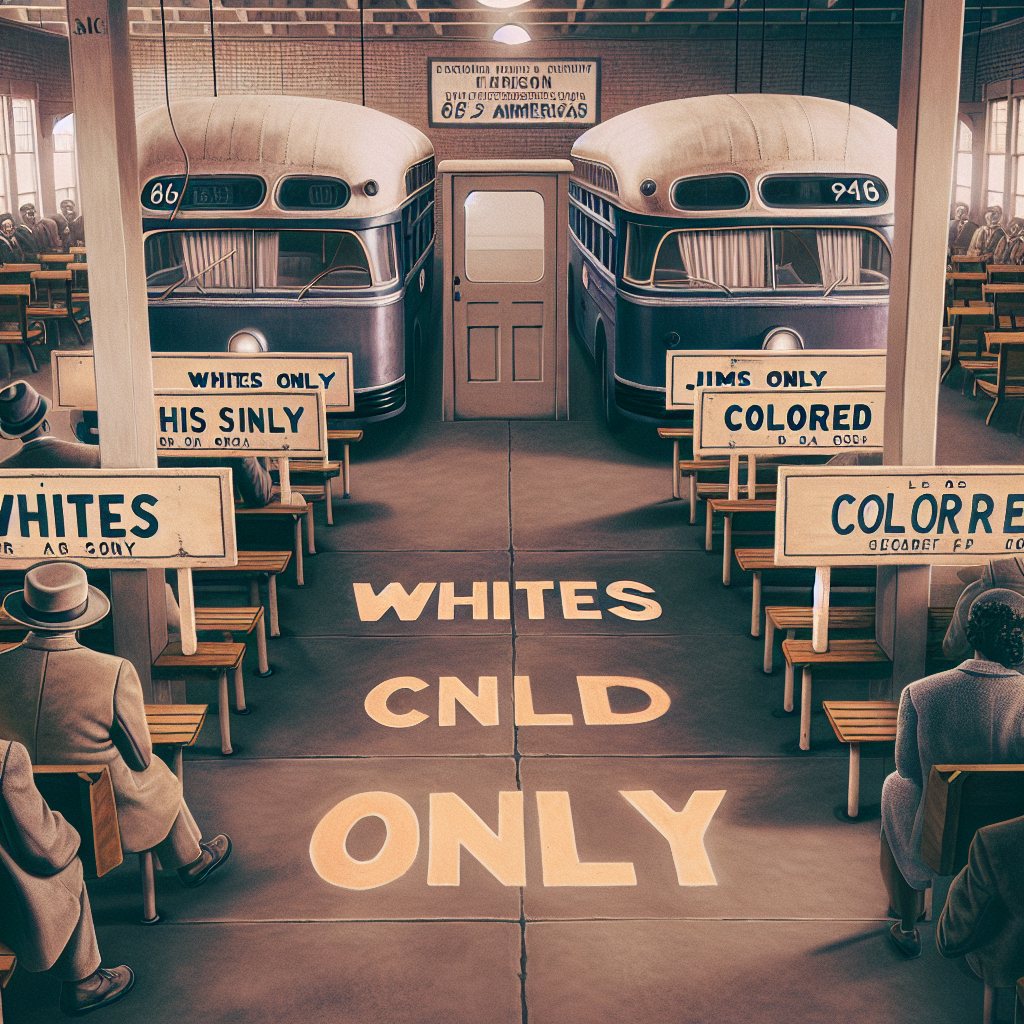
On December 1, 1955, Rosa Parks refused to give up her seat on a Montgomery, Alabama city bus and was arrested. Four days later, 40,000 Black residents of Montgomery began walking to work. They kept walking — and carpooling, and organizing — for 381 days, until the Supreme Court ruled that bus segregation was unconstitutional. The Montgomery Bus Boycott was not a spontaneous eruption of righteous anger. It was a planned, disciplined, sustained act of collective economic pressure, organized by a community that had been preparing for exactly this moment for years.
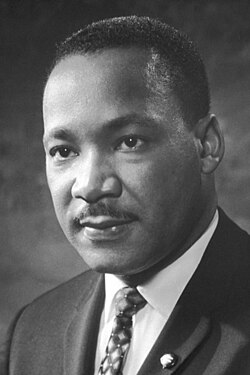
The Women's Political Council, led by Jo Ann Robinson, had been planning a bus boycott for months before Parks's arrest provided the right catalyst. The Montgomery Improvement Association, organized the night of Parks's arrest, chose a 26-year-old pastor named Martin Luther King Jr. as its president — partly because he was new enough to the city not to have accumulated enemies. King discovered at Montgomery both his vocation and his method: nonviolent mass action sustained by the moral authority of the Black church. The boycott made him a national figure and established the template for every subsequent campaign of the civil rights era.
The economic impact on the bus company was severe — Black riders had constituted the majority of its ridership. White supremacist resistance was also severe: King's home was bombed, boycott leaders were arrested on spurious charges, and carpool drivers were harassed and ticketed. None of it broke the boycott. When the Supreme Court affirmed the lower court's desegregation ruling in November 1956, the boycott ended in victory. The movement it launched did not end for another decade, and its work is not finished yet.



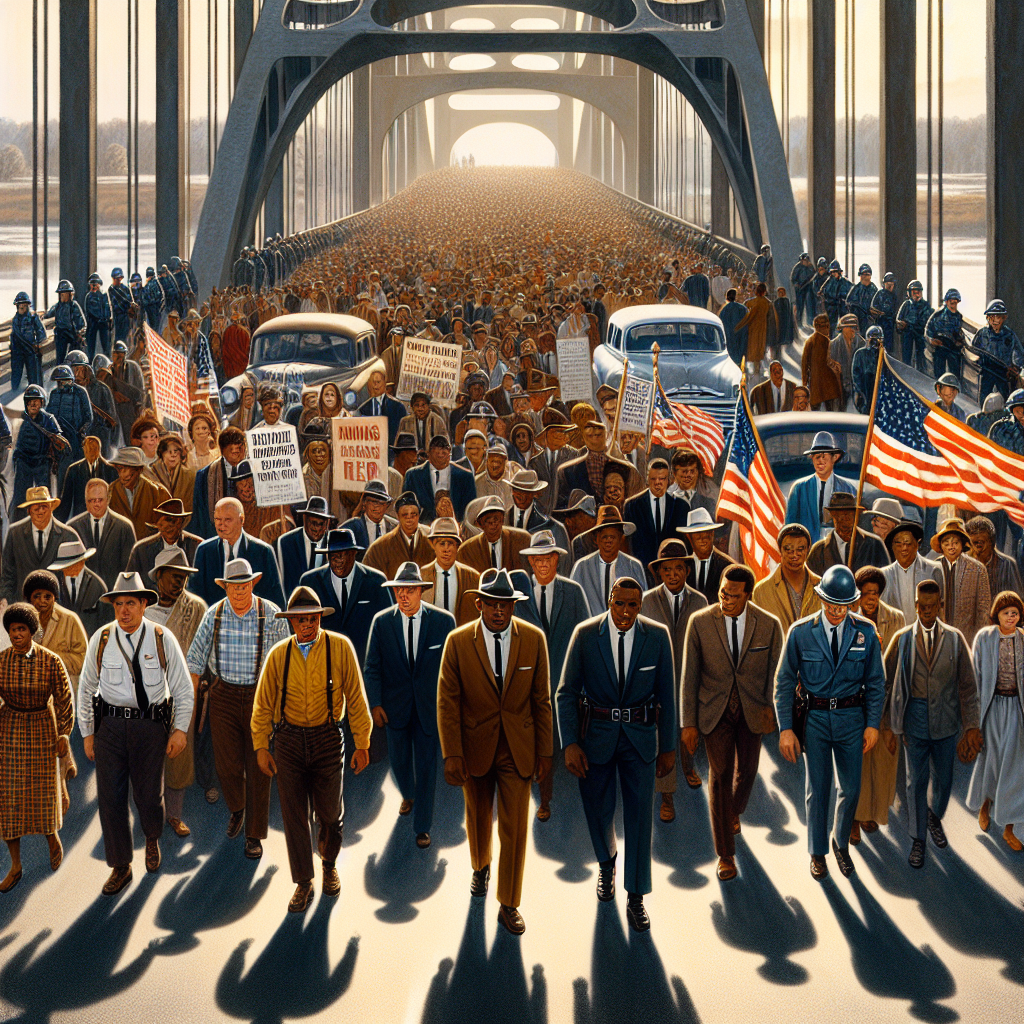
| Dates | December 5, 1955 – December 20, 1956 |
| Duration | 381 days |
| Catalyst | Arrest of Rosa Parks, December 1, 1955 |
| Leader | Montgomery Improvement Association; Rev. Martin Luther King Jr. |
| Outcome | Supreme Court ruled bus segregation unconstitutional, Nov. 1956 |
| Organizers | Women's Political Council (Jo Ann Robinson); MIA |
| Date | December 5, 1955 – December 20, 1956 |
| Location | Montgomery, Alabama |