Tuskegee Institute
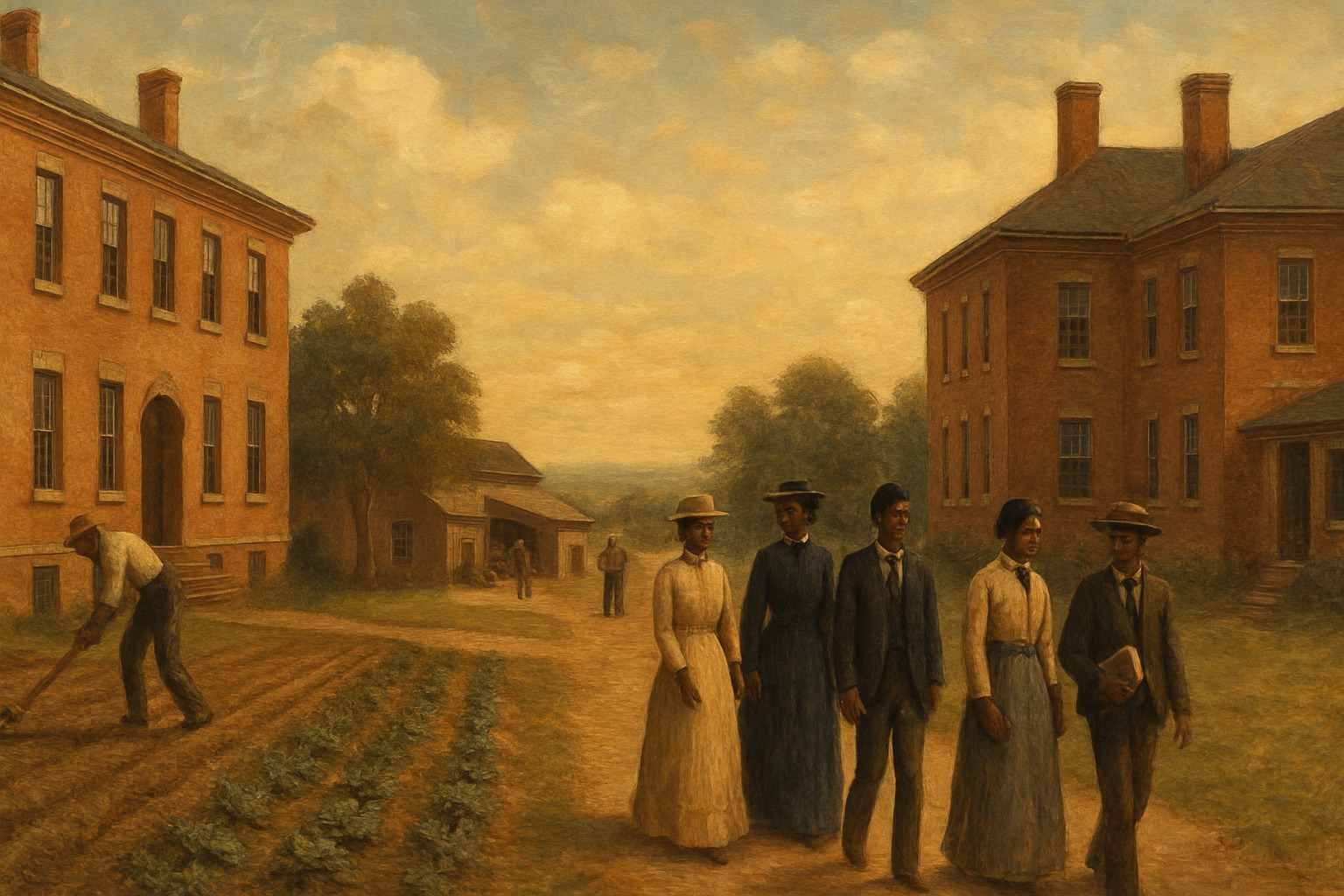
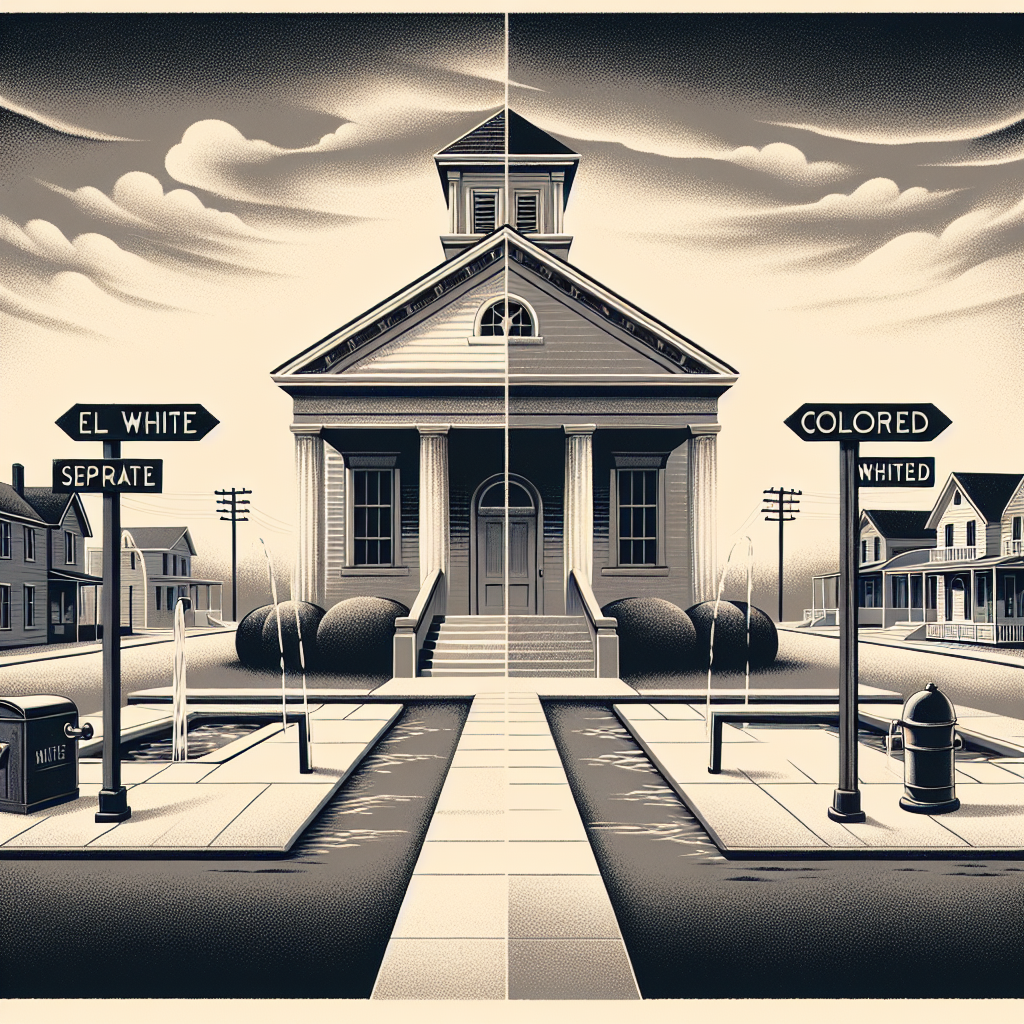
In 1881, in the heart of the Jim Crow South, a young former slave named Booker T. Washington took charge of a new school for Black students in Tuskegee, Alabama, and built it, quite literally, from the ground up. Students made the bricks and raised the buildings of their own campus, embodying the philosophy at the heart of the Tuskegee Institute — that Black Americans could win a place in society through practical skill, hard work, and self-reliance.
Washington made Tuskegee the flagship of Black industrial and vocational education, training teachers, farmers, and tradespeople and drawing national attention and white philanthropic money to the cause. On its faculty the scientist George Washington Carver transformed Southern agriculture with his research into the peanut and the sweet potato, and the school became a symbol of Black achievement and institution-building in an era of brutal oppression.
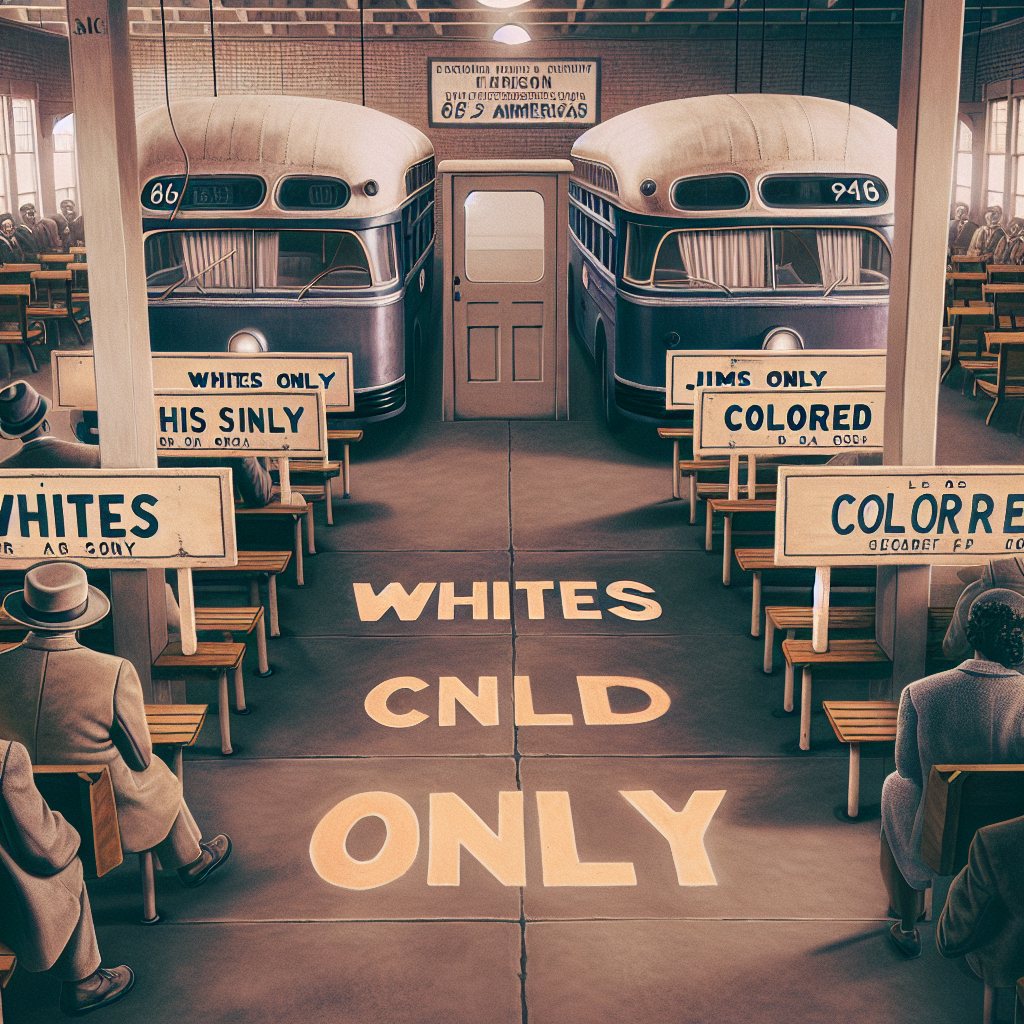
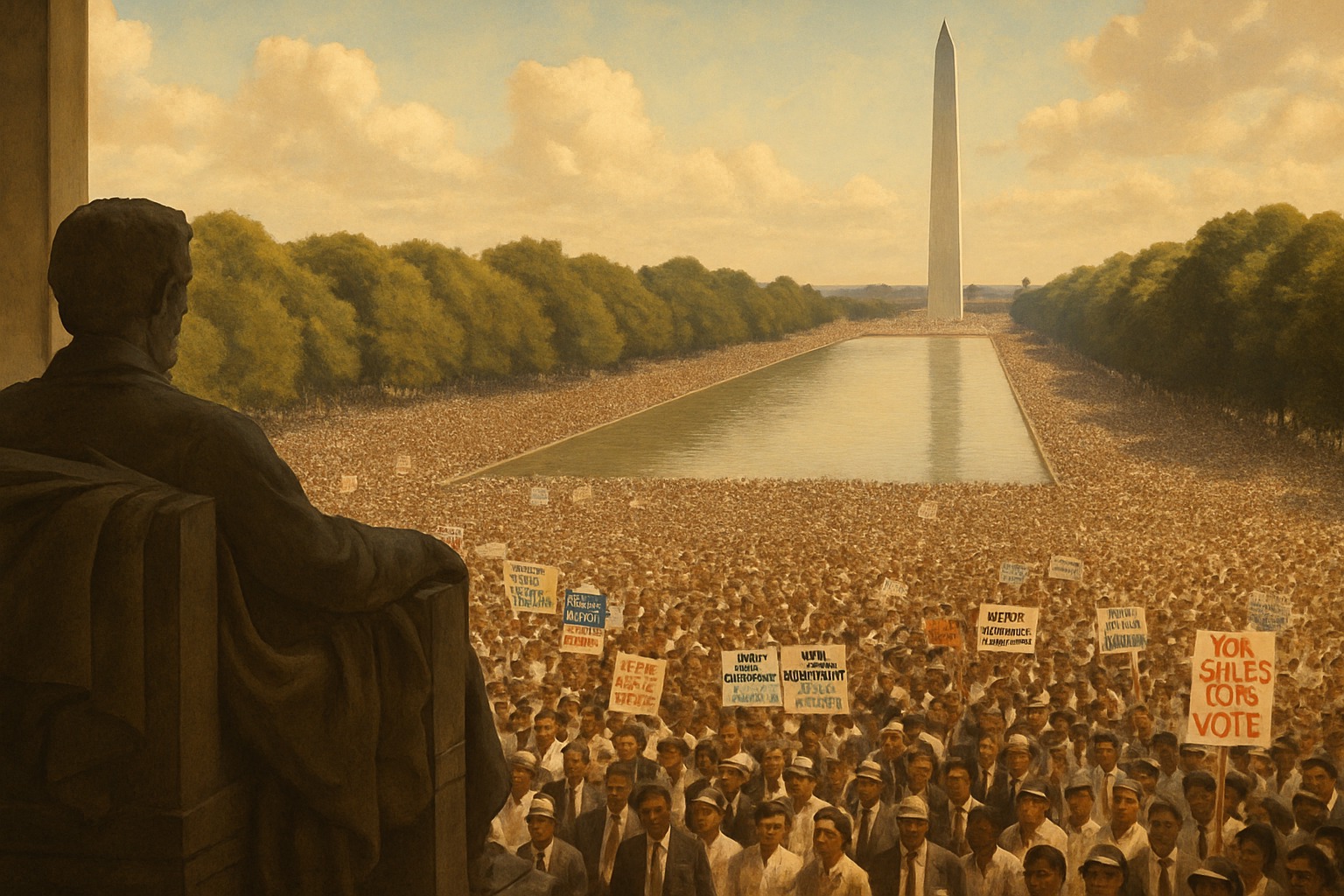
Washington's approach was also deeply contested. His willingness to accept, for the time, segregation and disenfranchisement in exchange for economic progress — a stance critics traced to his 1895 Atlanta address — drew the sharp opposition of W. E. B. Du Bois and others who demanded full civil and political rights at once. The argument between accommodation and protest that Tuskegee came to represent ran through Black political thought for generations.
The Tuskegee name carried into later history, from the celebrated Tuskegee Airmen who trained nearby and shattered the myth that Black men could not fly in combat, to the notorious and entirely separate government syphilis study that abused Black men in the surrounding county — a federal experiment, not the work of the school. As a university, Tuskegee endures as one of the great historically Black institutions and a monument to Booker T. Washington's vision of uplift through education.
| Founded | 1881, Tuskegee, Alabama |
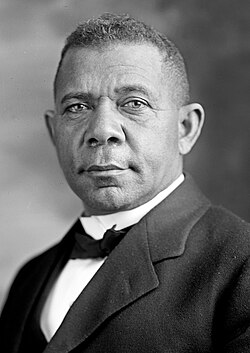
| Founder | Booker T. Washington |
| Focus | Black vocational education and self-reliance |
| Faculty | George Washington Carver |
| Debate | Washington's accommodation vs. Du Bois's protest |
| Later | Trained the WWII Tuskegee Airmen |
| Date | Founded 1881 |
| Location | Tuskegee, Alabama |