The Ten Crucial Days: Washington's Crossing, Trenton and Princeton at 250

By December 1776 the war for independence looked close to lost. In four months the British had driven George Washington's army off Long Island and Manhattan, captured nearly 3,000 Americans at Fort Washington, and chased the survivors across New Jersey and over the Delaware River into Pennsylvania. Congress had fled Philadelphia for Baltimore. Most of the soldiers' enlistments would run out on December 31, and Thomas Paine, who had marched with the retreat, opened his new pamphlet, The American Crisis, with the line "These are the times that try men's souls."
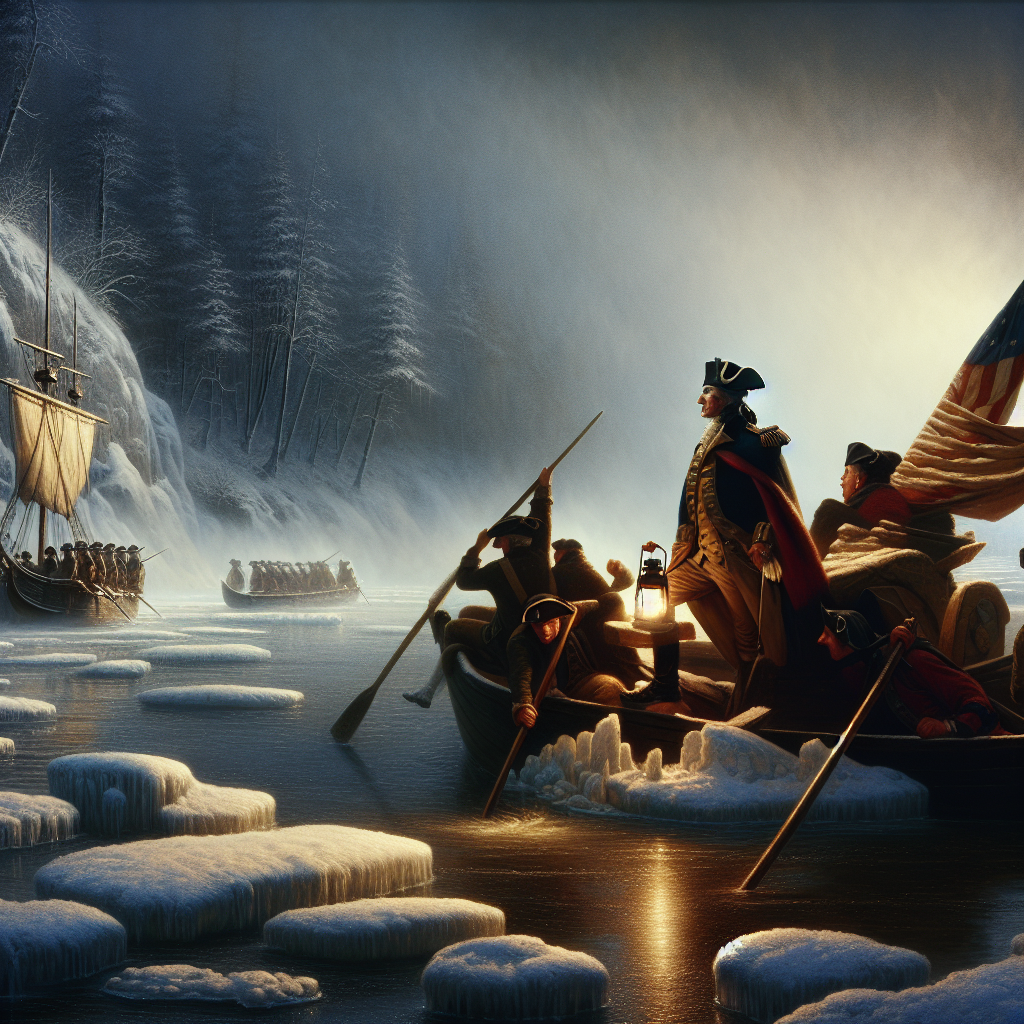
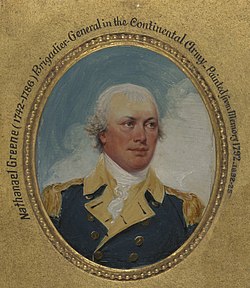
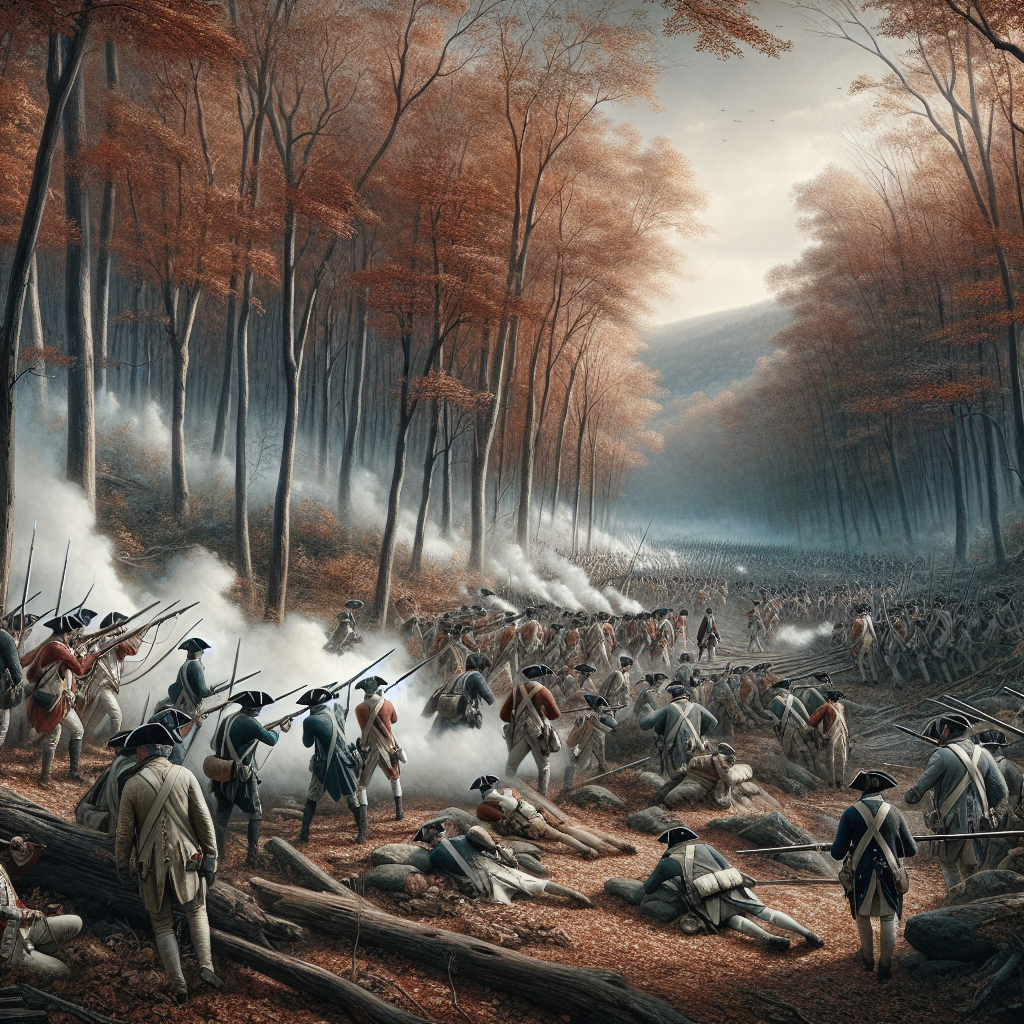
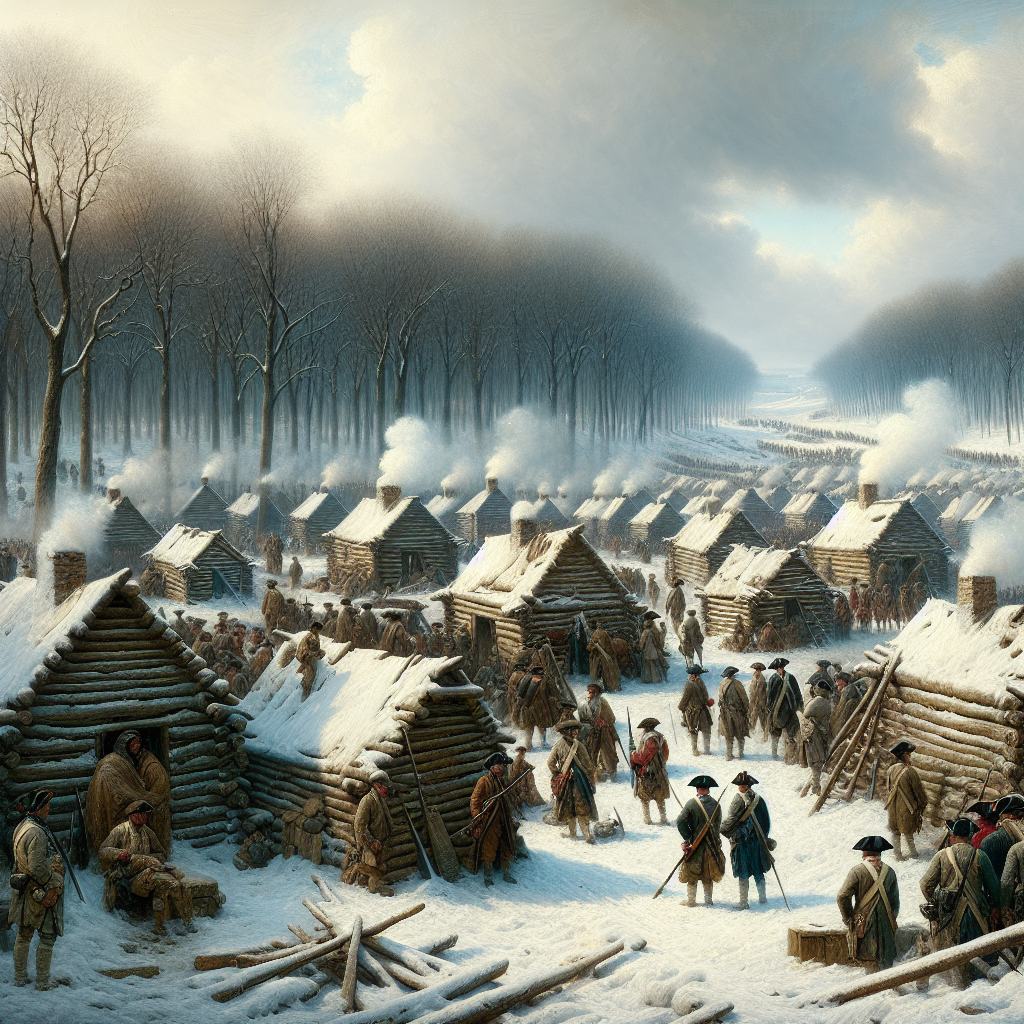
Over the next 10 days the army turned around. On the night of December 25–26, about 2,400 men crossed the ice-choked river at McConkey's Ferry, with Colonel John Glover's Marblehead sailors working the boats and Colonel Henry Knox directing the crossing. At dawn they marched on Trenton in two columns under Nathanael Greene and John Sullivan, and in a short morning fight they captured about 900 of the town's Hessian garrison; its commander, Colonel Johann Rall, was mortally wounded. A week later Washington held off Charles Cornwallis at Assunpink Creek on January 2, 1777, slipped away in the night, and beat a British force at Princeton on January 3, where General Hugh Mercer was mortally wounded. The army then went into winter quarters at Morristown.
Neither battle was large, but together they changed what people on both sides believed was possible. Enough soldiers stayed on to hold the army together, the British pulled back from most of New Jersey, and Washington's standing with Congress and with observers in Europe recovered. This guide follows that winter in three stages: the retreat that set it up, the 10 days themselves, and the campaigns the army survived to fight. December 26, 2026, marks the 250th anniversary of Trenton, and January 3, 2027, the 250th anniversary of Princeton.
The crossing only makes sense against what came before it. From August to December 1776 the Continental Army lost New York, lost thousands of men to capture, desertion and expiring enlistments, and fell back across New Jersey with the British close behind. By mid-December Washington had only a few thousand men fit for duty, and Congress had left its capital.

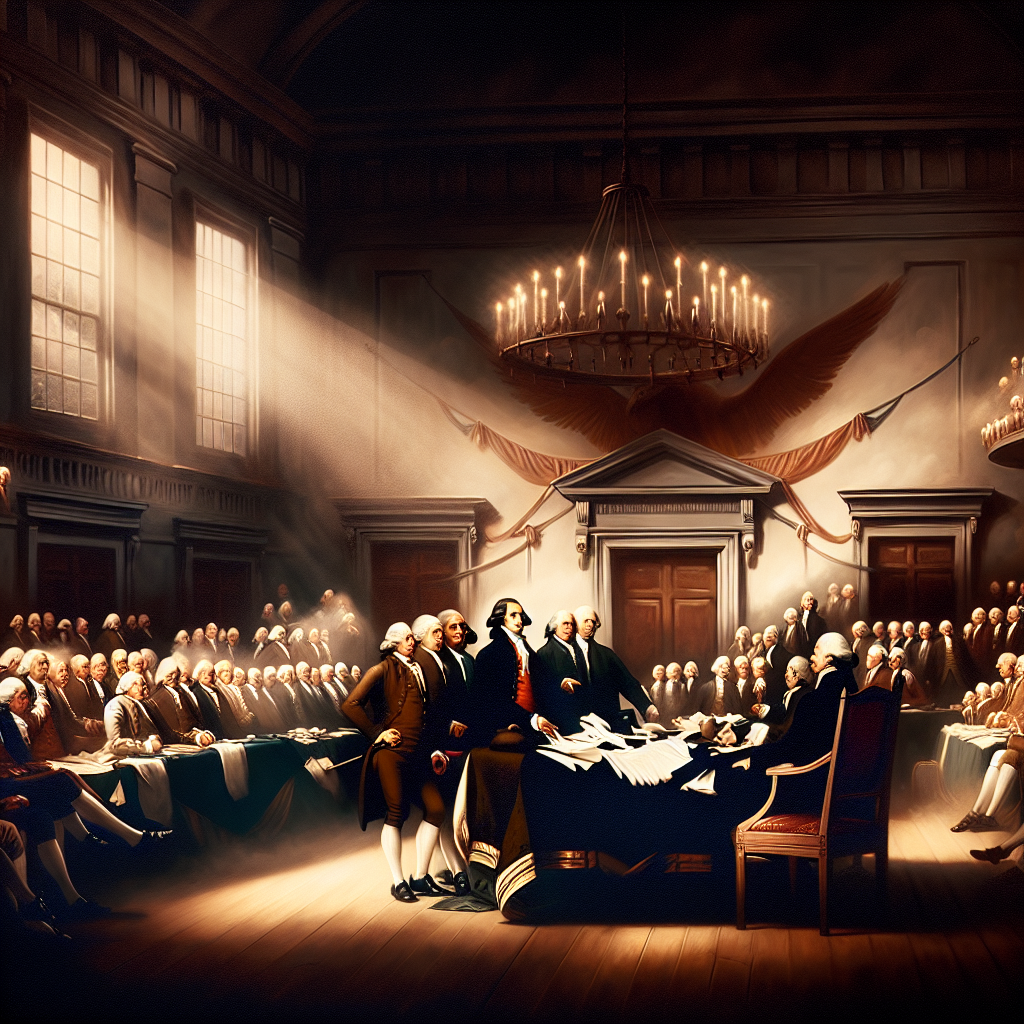
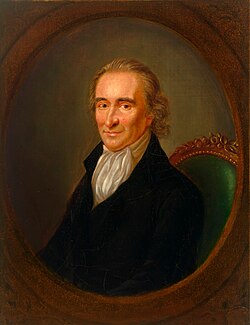
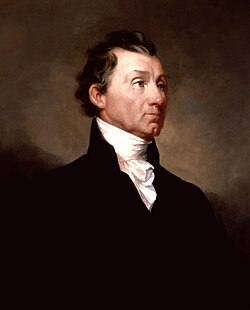
Between Christmas night 1776 and January 3, 1777, Washington crossed the Delaware, took the Hessian garrison at Trenton, held off Cornwallis at Assunpink Creek, and won at Princeton. The people below led the attacks, fought in them, or were wounded in them.

Trenton and Princeton did not win the war, which went on for almost five more years. They kept an army in existence long enough to fight the campaigns of 1777 and 1778, and to win the victory at Saratoga that brought France in as an ally.

For the rest of the war, battle by battle, see Every Major Battle of the American Revolution, or place these 10 days in the full sequence of events with The American Revolution: A Complete Timeline. To walk the ground yourself, see Revolutionary War Sites You Can Still Visit.