The Civil War Battlefields: A Visitor's Tour
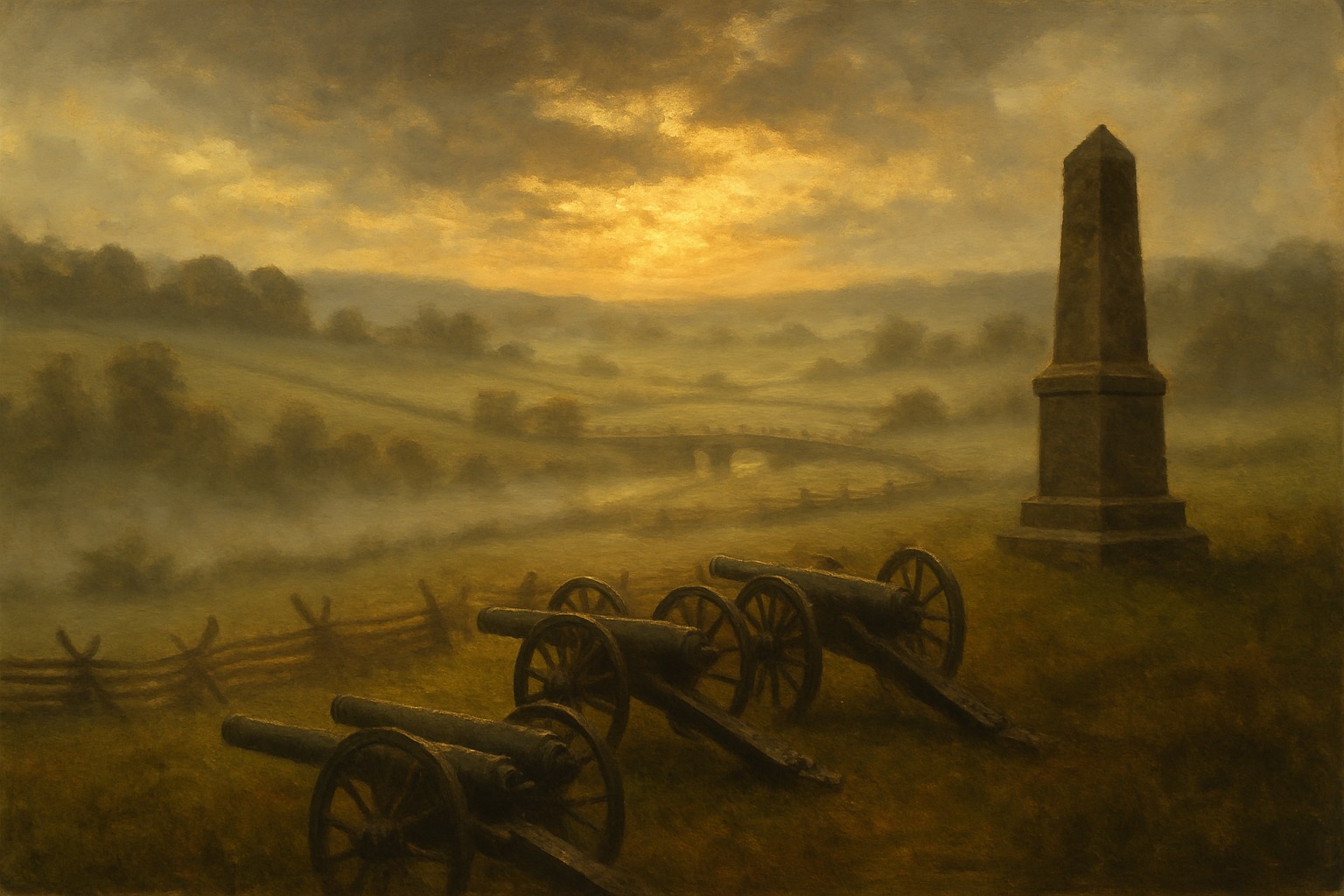
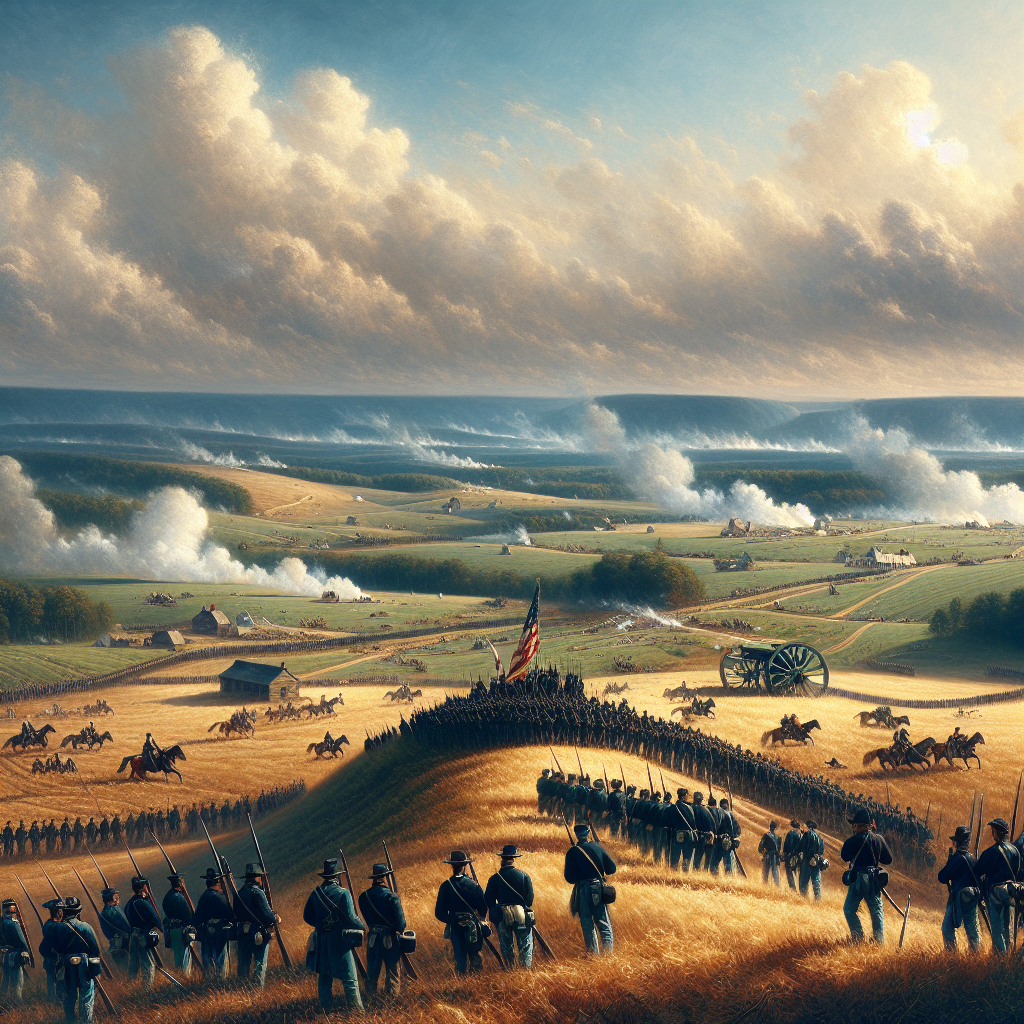
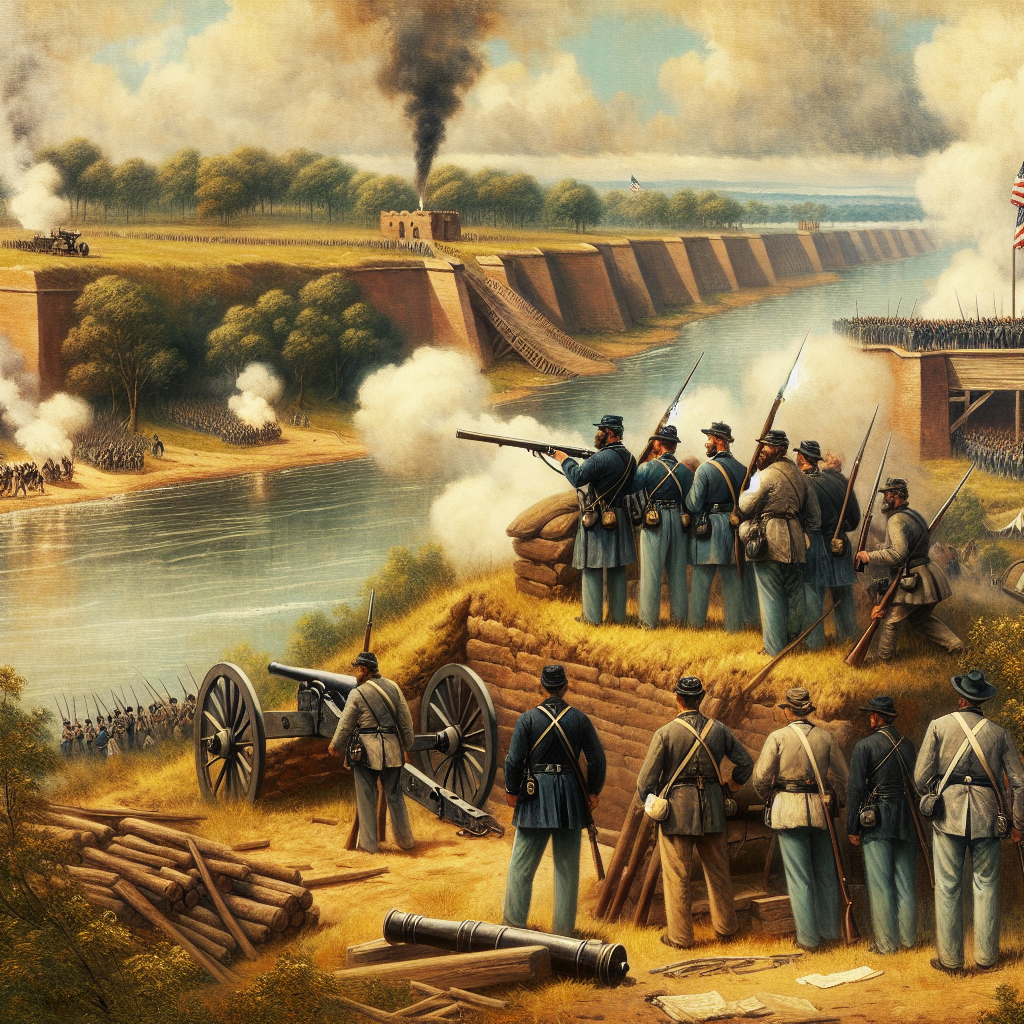
The Civil War left its mark on the American landscape in a way no other conflict has. Between 1861 and 1865 more than 10,000 armed clashes took place across the country, and the largest of them — Antietam, Gettysburg, Vicksburg, Atlanta — were fought on farmland, river bluffs, and small-town streets that in many cases look much as they did then. The National Park Service alone preserves dozens of these sites, and the veterans who first marked them insisted, remarkably, on protecting the ground of both armies. A visitor today can stand in the Sunken Road at Antietam or walk the mile of open field that Pickett's men crossed and see the battle not as a diagram but as a place, with its distances, slopes, and stone walls intact.
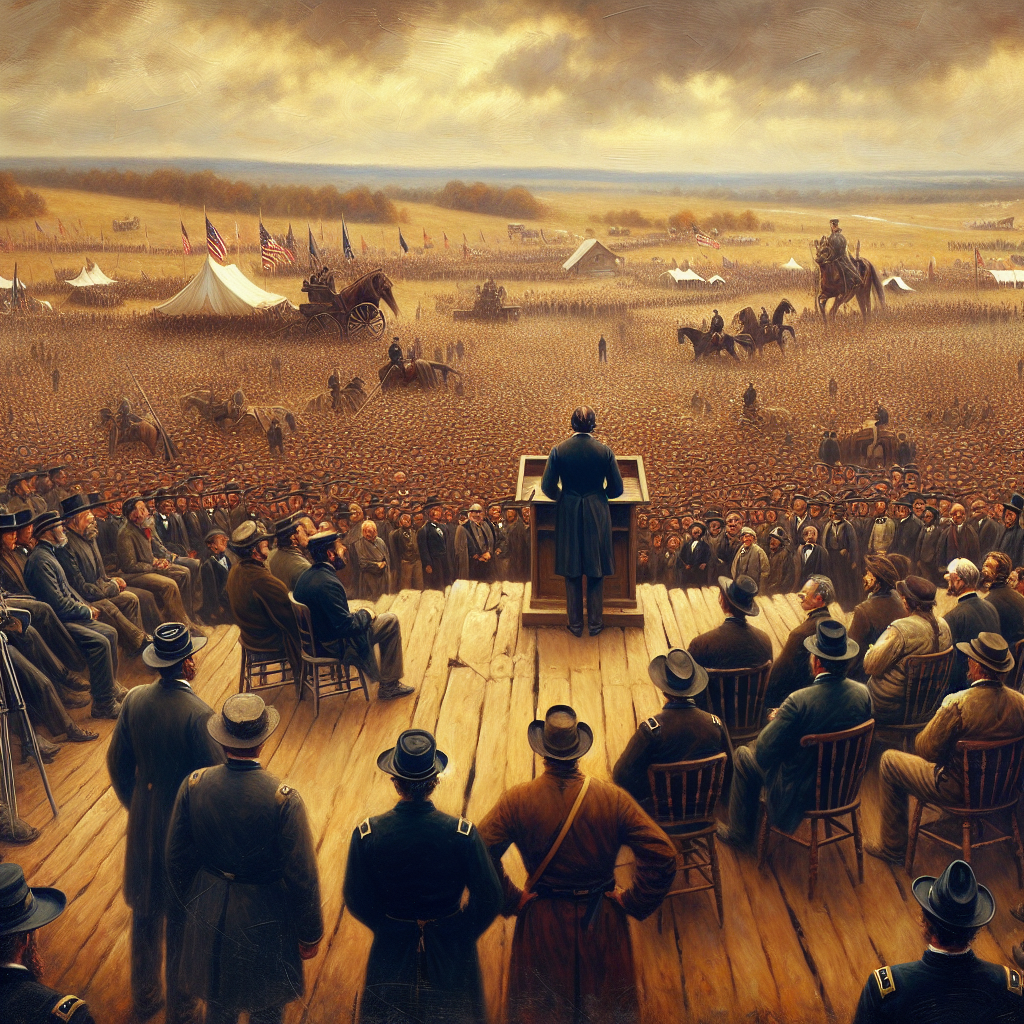
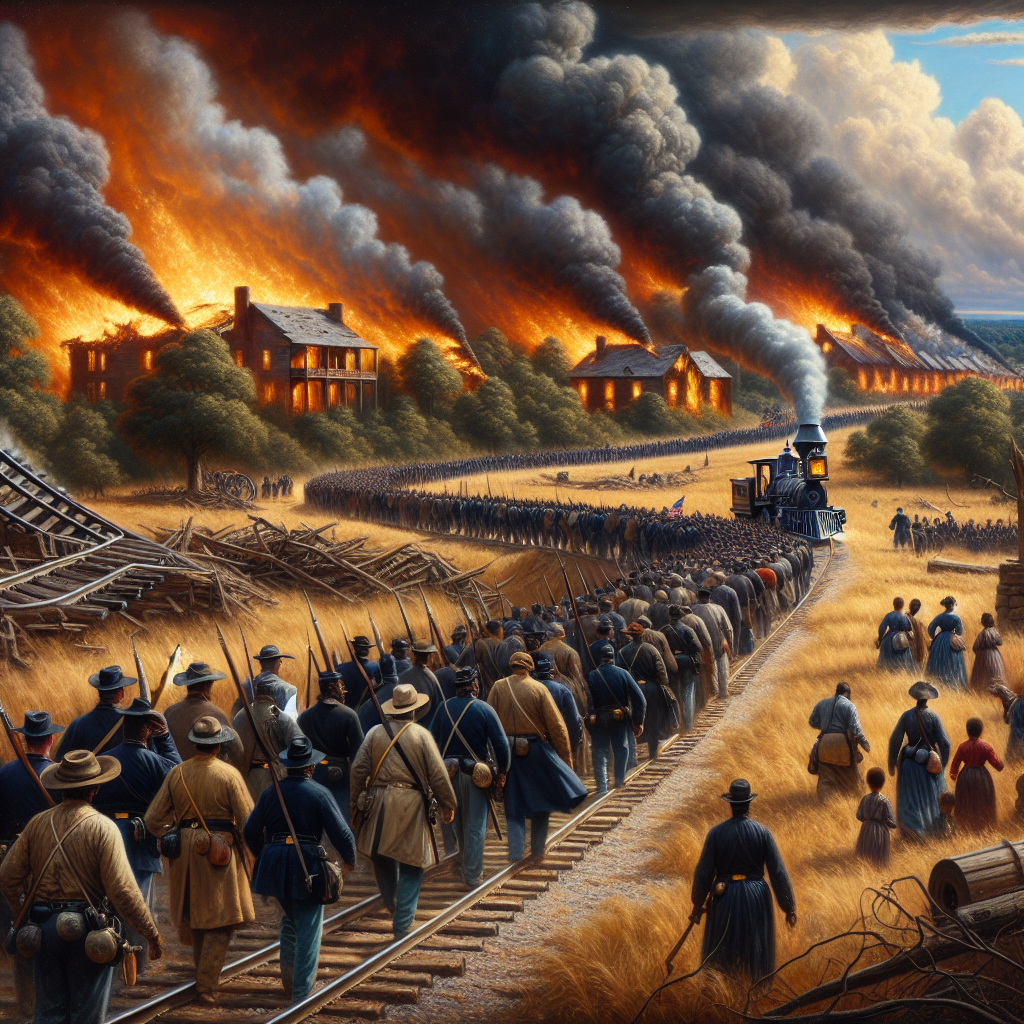
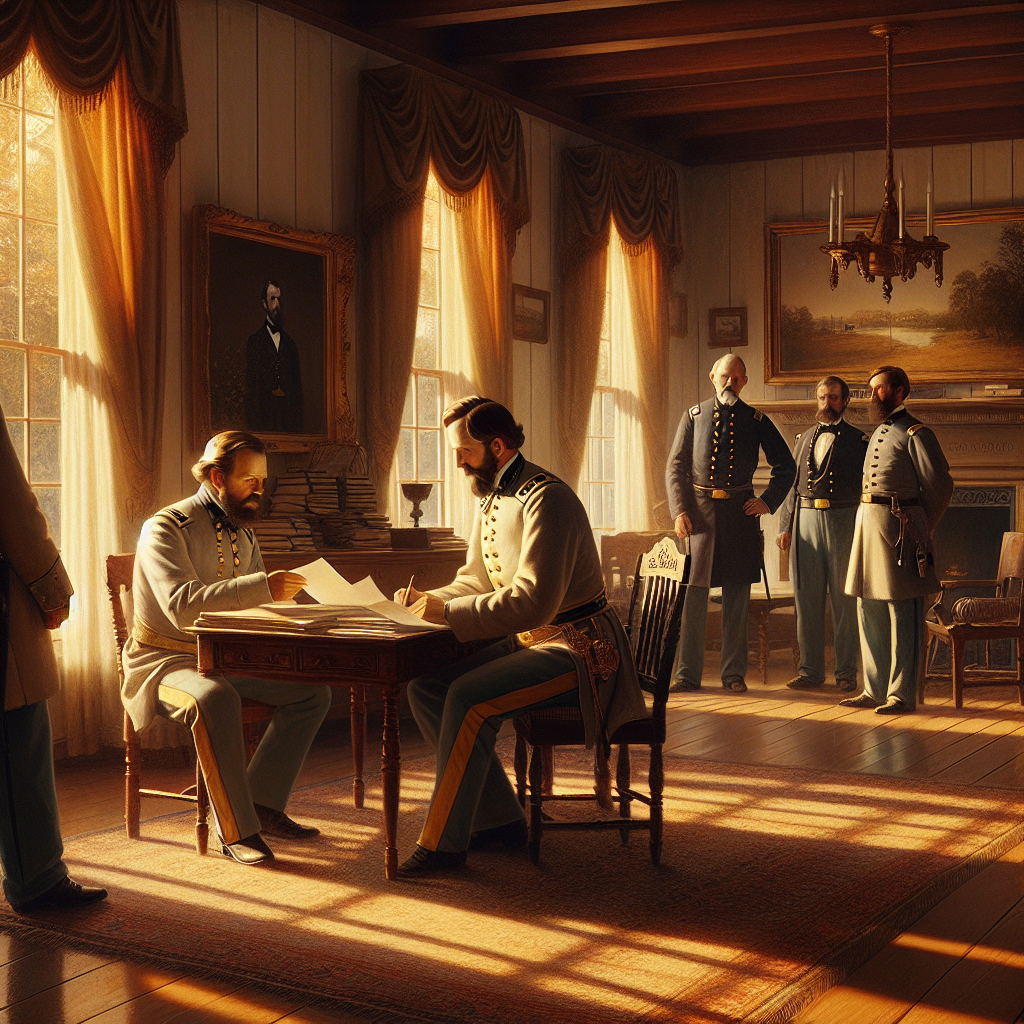
This tour follows the war roughly in the order it happened and along the routes a traveler would actually drive: south from Charleston, where it began, through the Virginia and Maryland corridor where the eastern armies fought for four years, north to Gettysburg, west to the Mississippi and Georgia, and back to the Virginia courthouse village where Lee surrendered. Each stop links to the fuller BriefHistory entry on the battle or the town, and the annotations note what the visitor will find on the ground. What the tour cannot flatten is the meaning of the sites themselves. These are cemeteries as much as parks, and the arguments over how they are interpreted — whose monuments stand, whose story is told — remain part of visiting them.










For the full military and political narrative that ties these places together, read The Civil War: Causes, Battles, and Key Figures. For what happened to the country once the armies went home, continue with Reconstruction: America After the Civil War.