March to the Sea
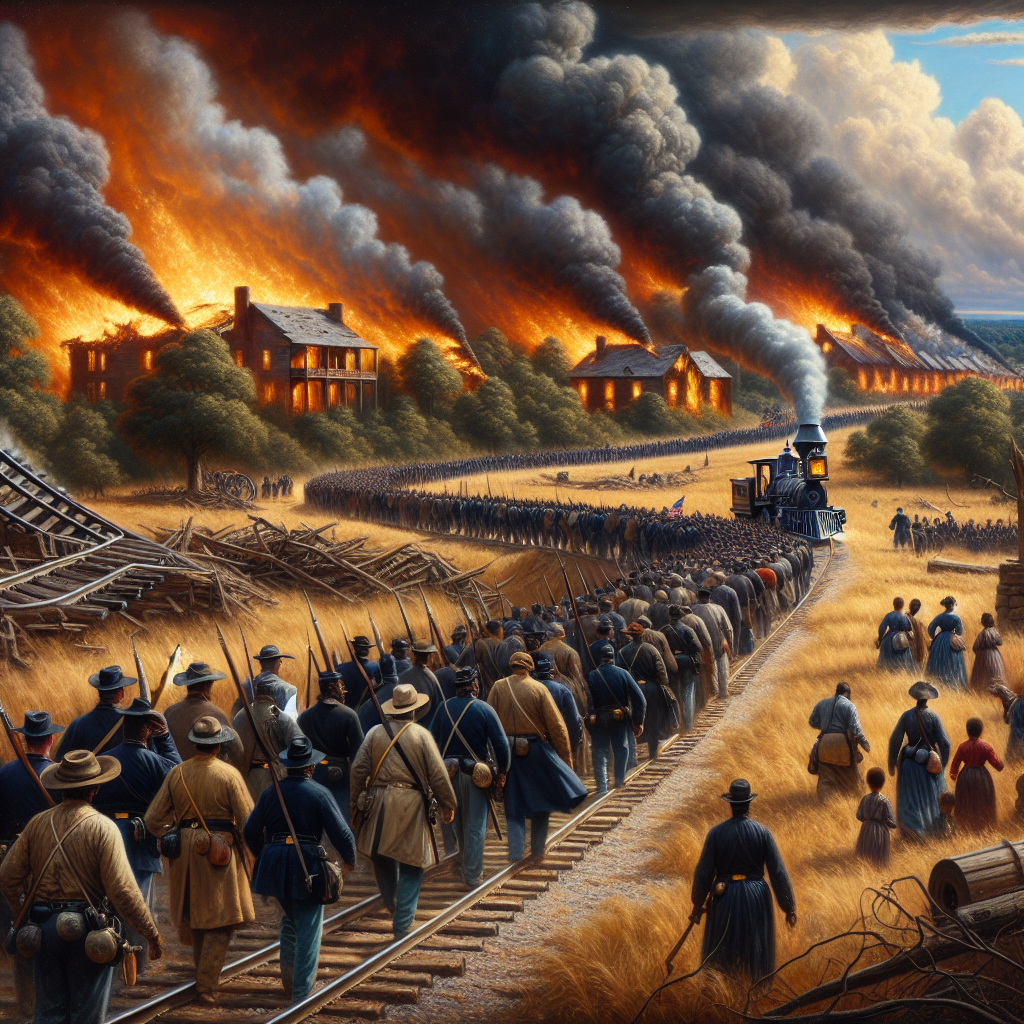
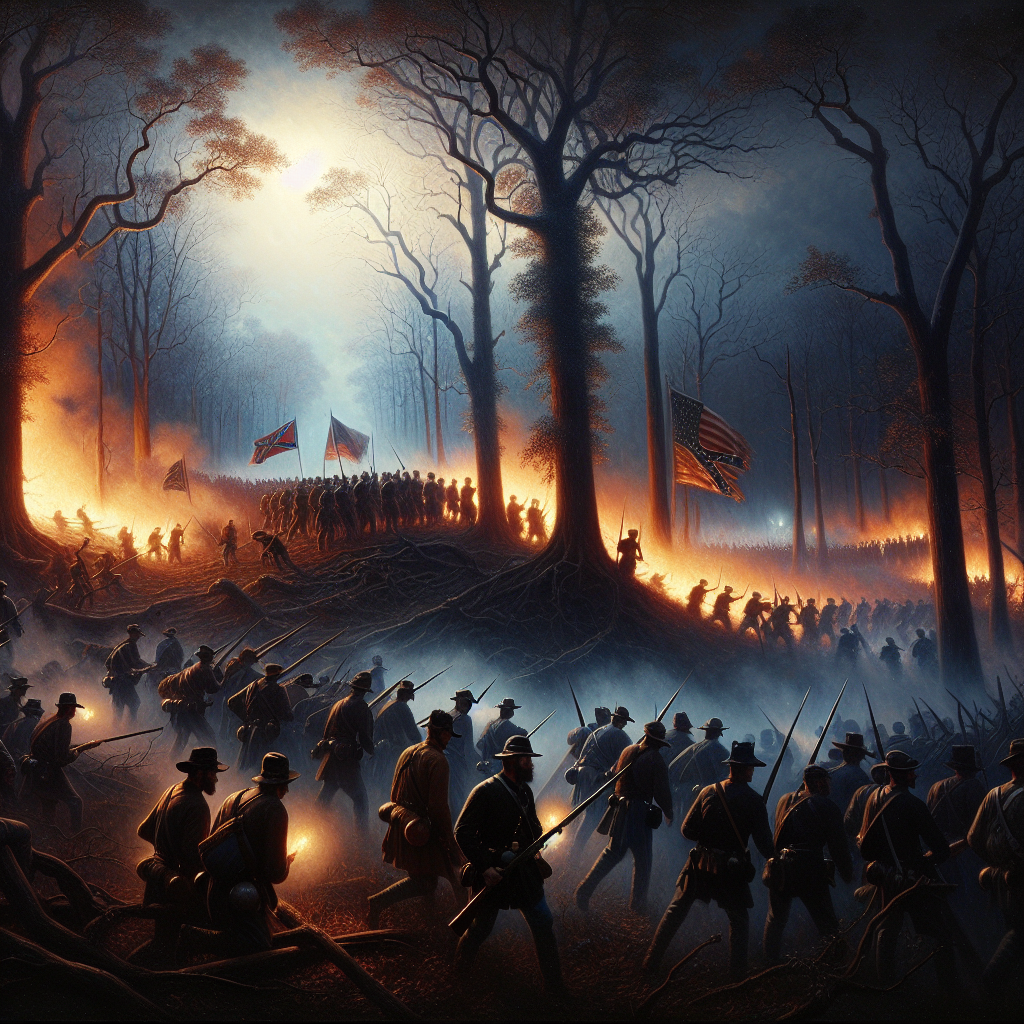
William Tecumseh Sherman left Atlanta in flames on November 15, 1864, and marched 62,000 men southeast toward Savannah in a column 60 miles wide. He had severed his own supply lines deliberately — his army would live off the land and destroy what it couldn't carry. For 285 miles across the Georgia interior, Sherman's men burned cotton gins, tore up railroad tracks (heating them over bonfires and bending them into shapes called "Sherman's neckties"), slaughtered livestock, and consumed food stores that Confederate forces depended on. He reached Savannah in 32 days and presented the city to President Lincoln as a Christmas gift.
The march was the most complete implementation of what Sherman called "hard war" — the deliberate targeting of an enemy's economic capacity and civilian morale rather than its armies alone. Sherman had reasoned his way to a conclusion that European military doctrine had not yet fully articulated: that the Confederacy's will to fight was sustained by its ability to feed, supply, and replace its armies, and that destroying that infrastructure would shorten the war faster than any number of battlefield victories. Confederate desertions accelerated dramatically as news spread. Supply lines to Lee's Army of Northern Virginia began fraying in ways that Appomattox would confirm.
The march's treatment of enslaved people was complex and often brutal in ways Sherman did not acknowledge. Tens of thousands of Black men, women, and children followed the army, seeking freedom. At Ebenezer Creek, one subordinate commander ordered a pontoon bridge removed while thousands of Black refugees were mid-crossing, leaving them to face approaching Confederate cavalry. Sherman investigated and reinstated the commander. The episode revealed the gap between the Union's war aims and the human reality of emancipation being negotiated one river crossing at a time.
The march's physical damage — estimated at $100 million in 1864 dollars — was enormous. Its psychological damage was larger. Confederate President Jefferson Davis had publicly predicted the march would fail; when it succeeded, his credibility with his own people did not recover. Sherman's methods were studied, condemned, imitated, and debated by military theorists for the next century, eventually forming part of the conceptual basis of strategic bombing in both World Wars. The argument about where hard war ends and war crimes begin has not been settled since.
| Dates | November 15 – December 21, 1864 |
| Commander | Major General William T. Sherman |
| Route | Atlanta to Savannah, Georgia — 285 miles |
| Width | ~60 miles |
| Force | ~62,000 Union soldiers |
| Estimated damage | ~$100 million (1864 dollars) |
| Savannah captured | December 21, 1864 (presented to Lincoln as Christmas gift) |
| Strategy | "Hard war" — targeting economic infrastructure and morale |
| Date | November 15 – December 21, 1864 |
| Location | Georgia (Atlanta to Savannah) |