Battle of Antietam
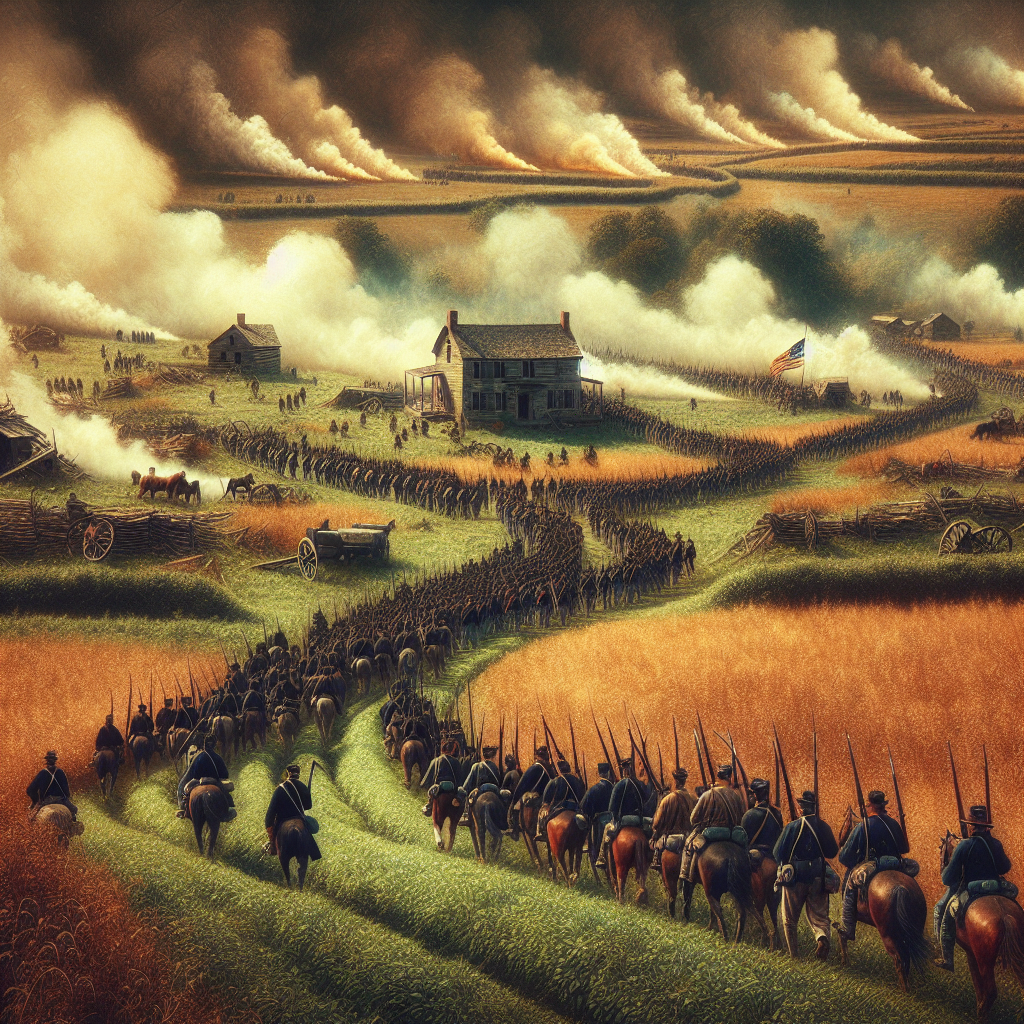
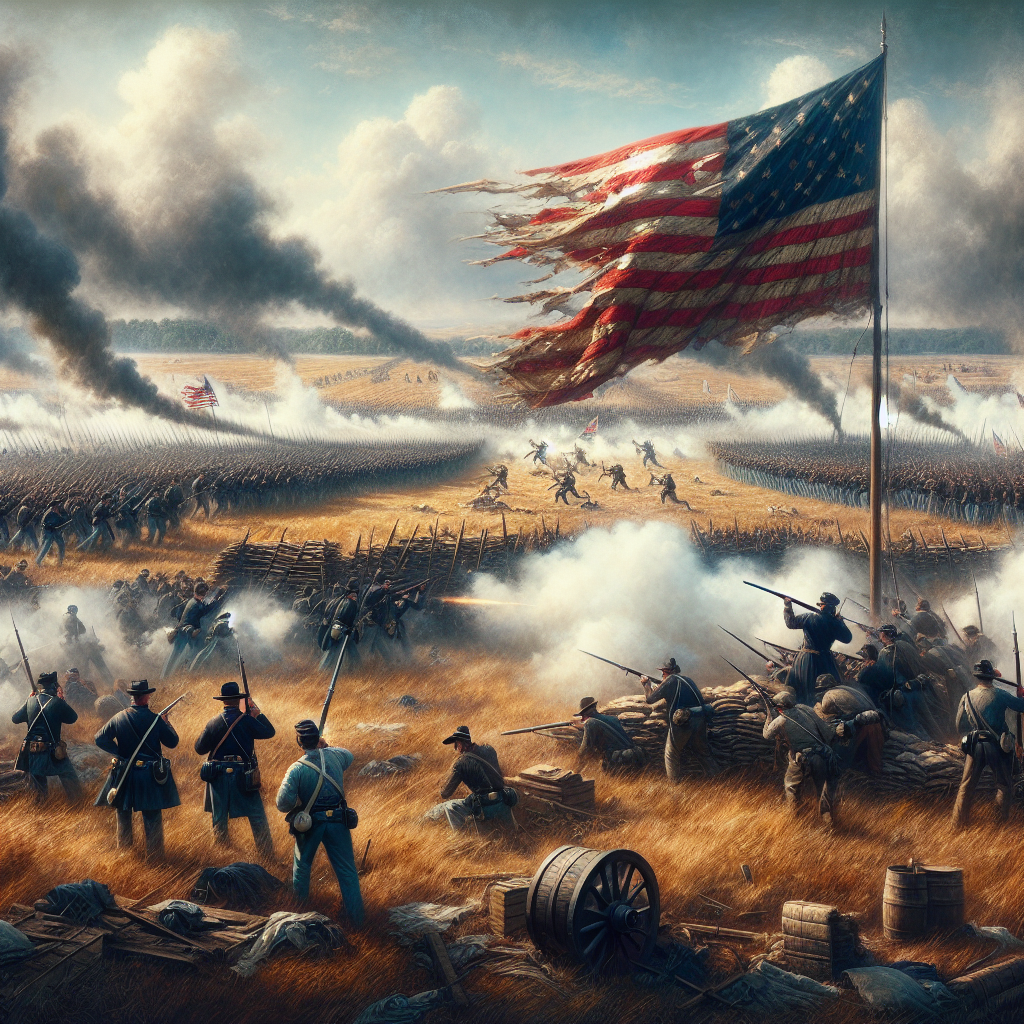
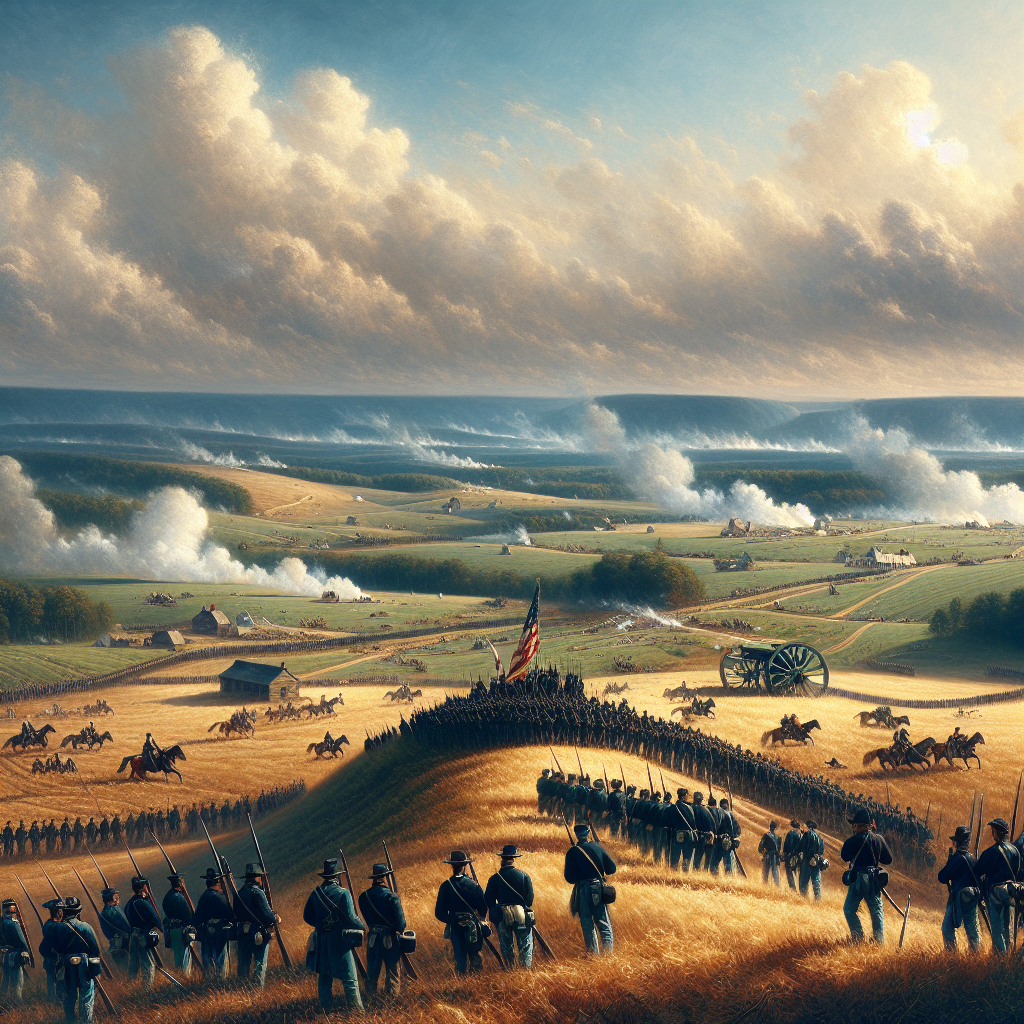
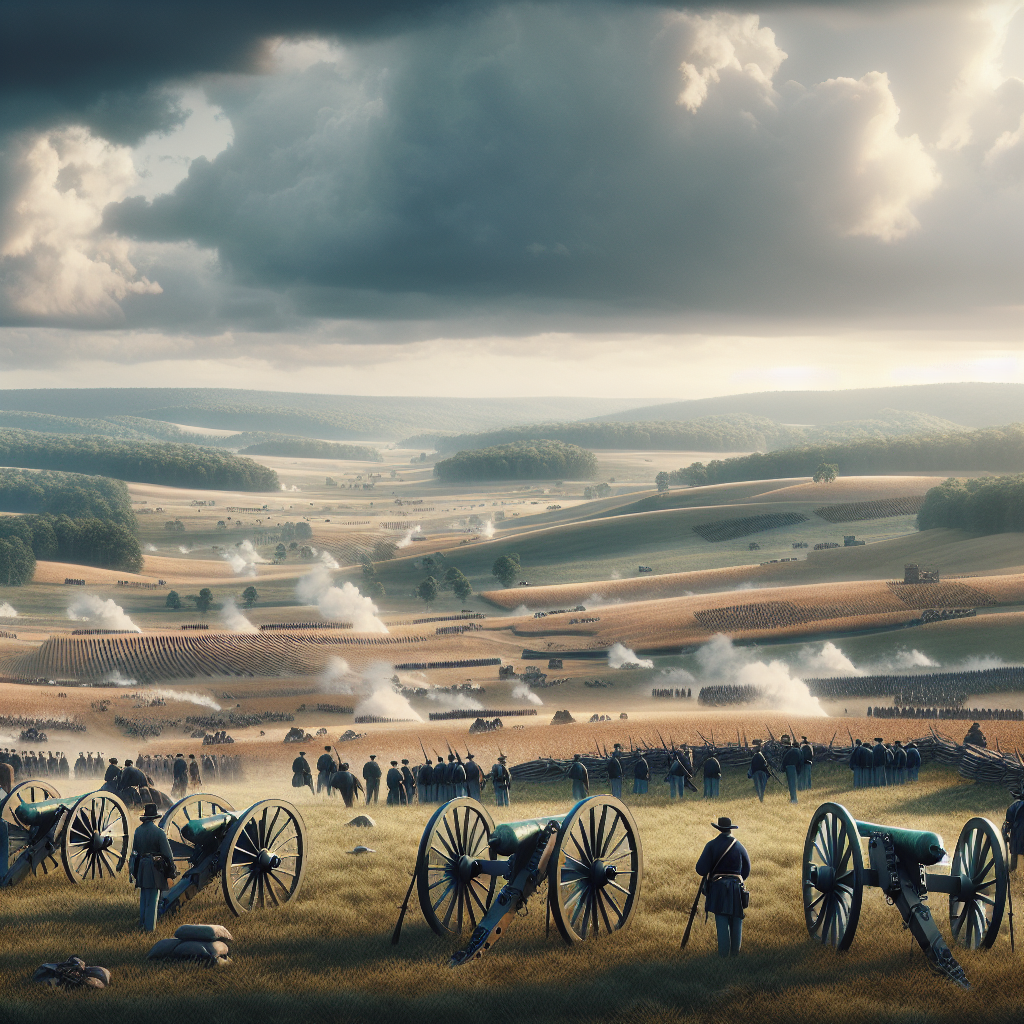
September 17, 1862, remains the deadliest day in American military history. At Antietam Creek near Sharpsburg, Maryland, Union and Confederate forces fought for 12 hours across cornfields, sunken roads, and a stone bridge, producing roughly 23,000 casualties in a single day. Neither side could claim a clean victory — Robert E. Lee's Army of Northern Virginia escaped back into Virginia, battered but intact — but the Union's ability to force Lee's retreat was enough for Abraham Lincoln to call it the moment he had been waiting for.
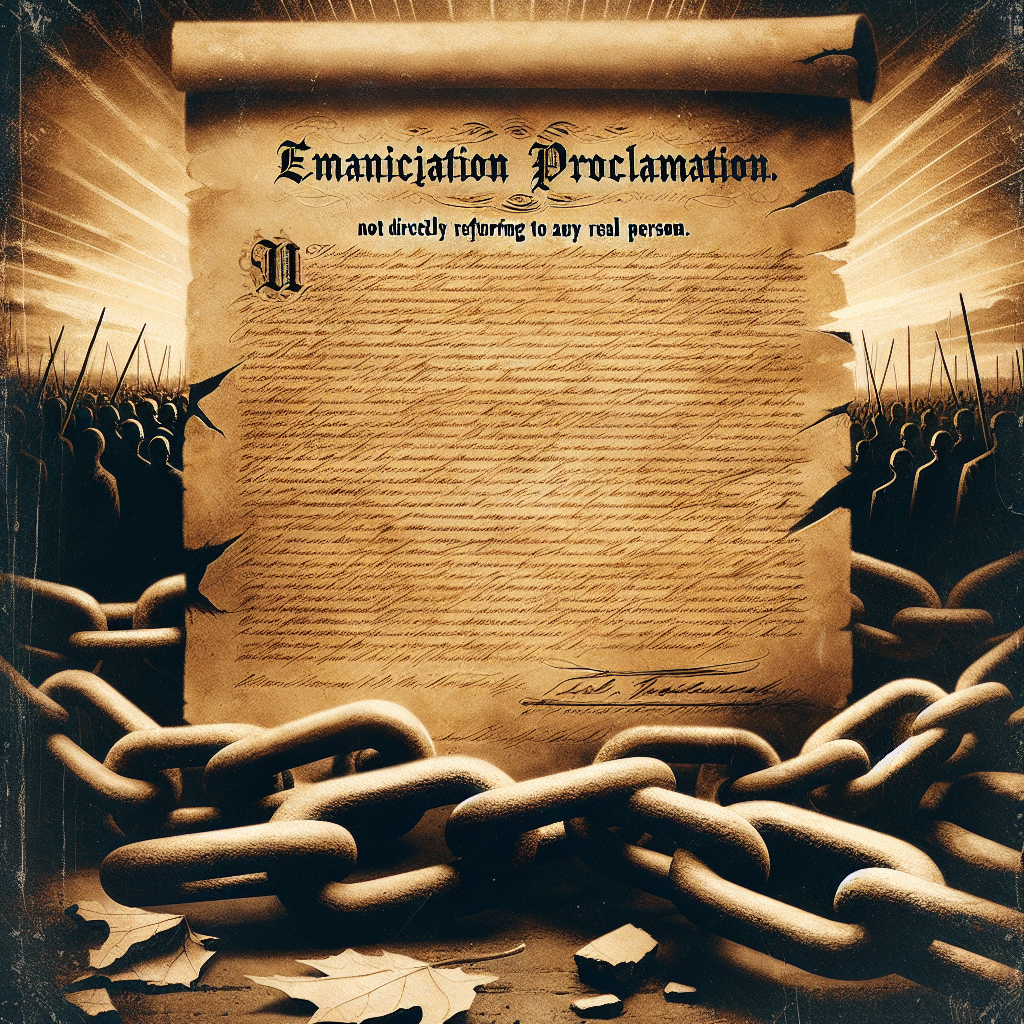
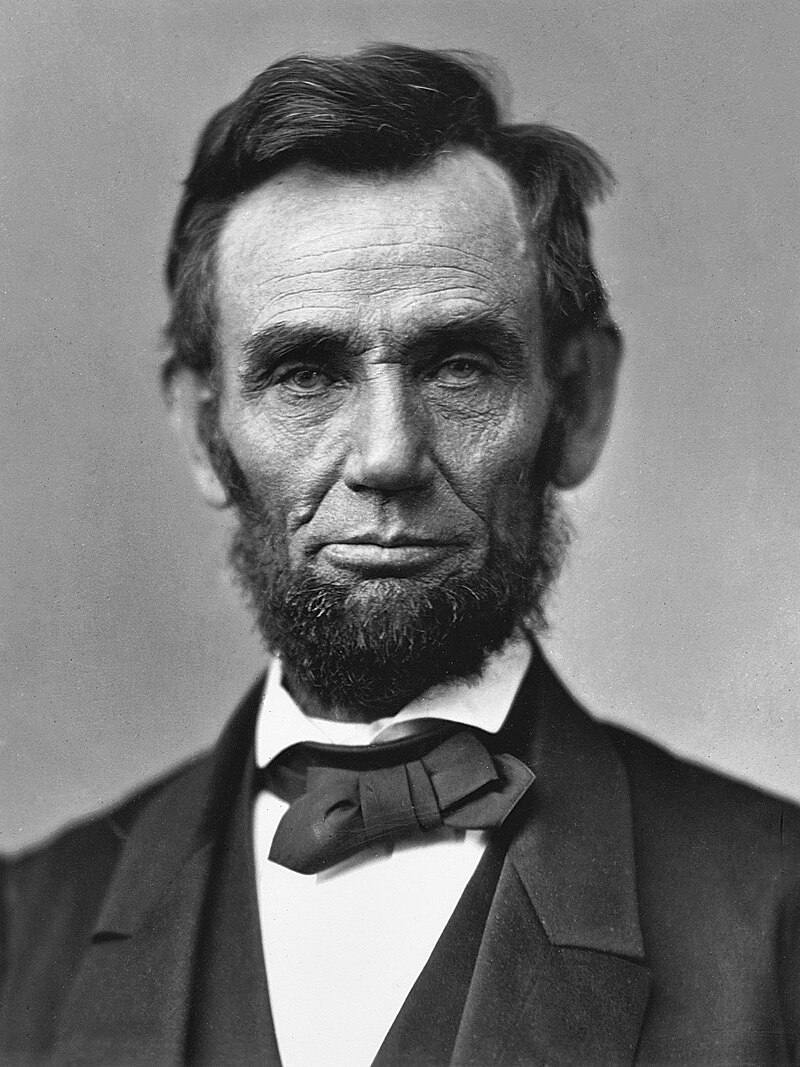
Lincoln used Antietam as the military platform he needed to issue the Emancipation Proclamation, which he had drafted months earlier but held back until Union forces could demonstrate they were not losing the war. The proclamation, announced five days after Antietam, declared enslaved people in Confederate states free — transforming the war's stated purpose from reunion to liberation, and making European recognition of the Confederacy effectively impossible. Antietam didn't win the war, but it changed what the war was for.
The human scale of the battle was staggering. The "Bloody Lane" — a sunken road where Confederate troops held for hours before being overrun — became a mass grave. Mathew Brady's photographs of the dead, exhibited in New York weeks after the battle, shocked urban audiences who had never seen battlefield carnage. "Mr. Brady has done something to bring home to us the terrible reality of war," wrote the New York Times. Americans had not seen anything like it before.
| Date | September 17, 1862 |
| Location | Near Sharpsburg, Maryland |
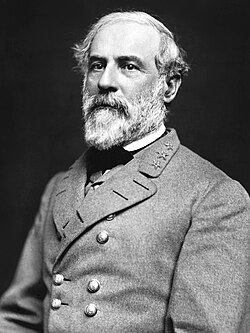
| Commanders | George B. McClellan (Union); Robert E. Lee (Confederate) |
| Casualties | approx. 23,000 combined |
| Outcome | Confederate withdrawal; Union tactical victory |
| Consequence | Provided Lincoln the platform to issue the Emancipation Proclamation |
| Date | September 17, 1862 |
| Location | Sharpsburg, Maryland |