Fort Sumter
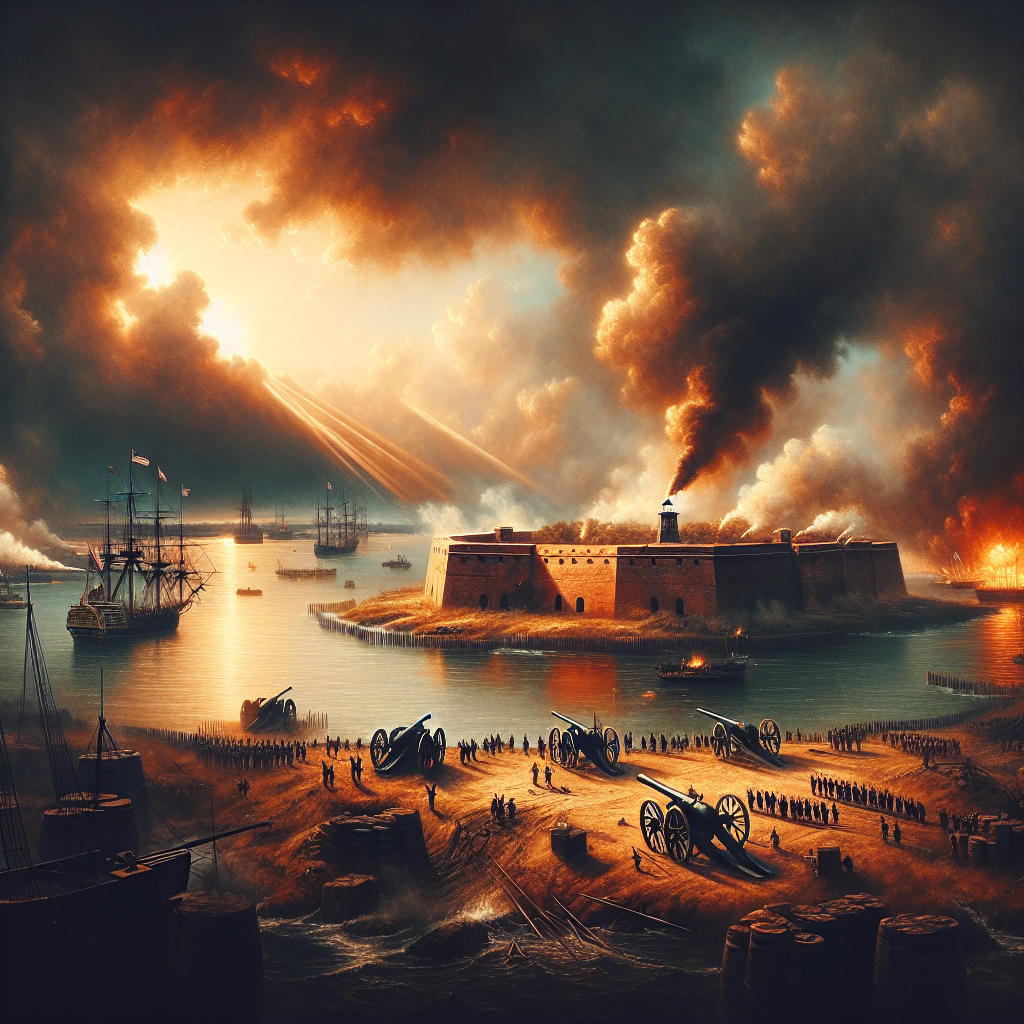
Fort Sumter sits on a man-made island at the mouth of Charleston Harbor, South Carolina — a federal installation inside a state that had declared itself out of the Union. When Confederate batteries opened fire on the fort at 4:30 in the morning on April 12, 1861, they did not start a war so much as confirm that one had already begun. The political crisis was months old. Seven states had seceded. The Confederate government had been operating for weeks. What Fort Sumter did was convert the constitutional argument into artillery fire and give both sides the unambiguous beginning a war needs.
The garrison, commanded by Major Robert Anderson, held out for 34 hours of bombardment before surrendering. No one died in the battle itself — two Union soldiers were killed in an accidental explosion during the surrender ceremony. But the fall of Fort Sumter transformed the political landscape overnight. Lincoln called for 75,000 volunteers to suppress the rebellion. Four more states seceded in response, including Virginia, which had been on the fence. The Civil War that both sides had been drifting toward for a decade had officially arrived.
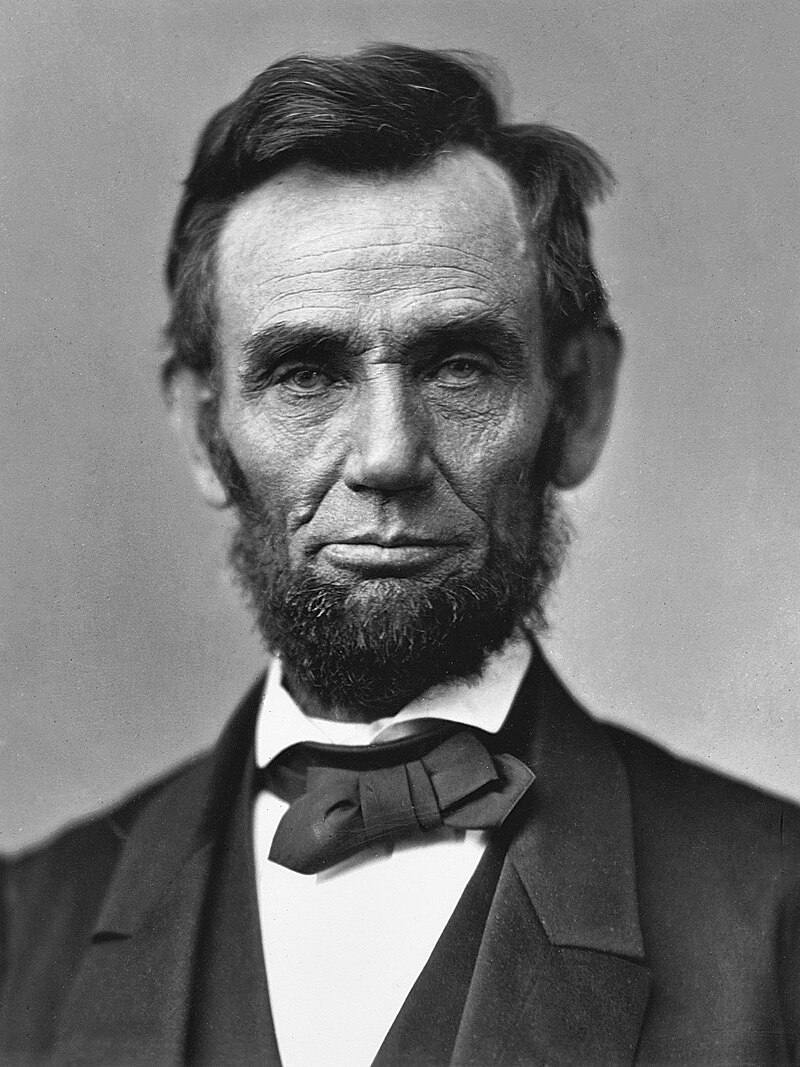
Fort Sumter was bombarded a second time in 1863, when Union forces attempting to retake Charleston pounded the fort's brick walls into rubble over the course of months. Confederate forces held it until they evacuated in February 1865, just weeks before the war ended. In a gesture of deliberate symbolism, Major Anderson — by then a retired general — returned to raise the same flag he had lowered in surrender four years earlier. The ceremony was held on April 14, 1865. That night, Abraham Lincoln was shot at Ford's Theatre.
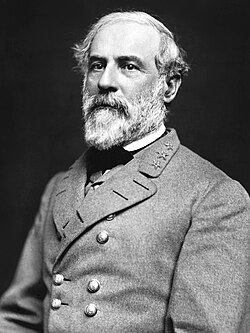
| Location | Charleston Harbor, South Carolina |
| Bombardment | April 12–14, 1861 |
| Union Commander | Major Robert Anderson |
| Outcome | Confederate victory; Union garrison surrendered |
| Consequence | Lincoln called for 75,000 volunteers; four more states seceded |
| National Park | Fort Sumter and Fort Moultrie National Historical Park |
| Date | April 12–14, 1861 |
| Location | Charleston, South Carolina |