Charleston

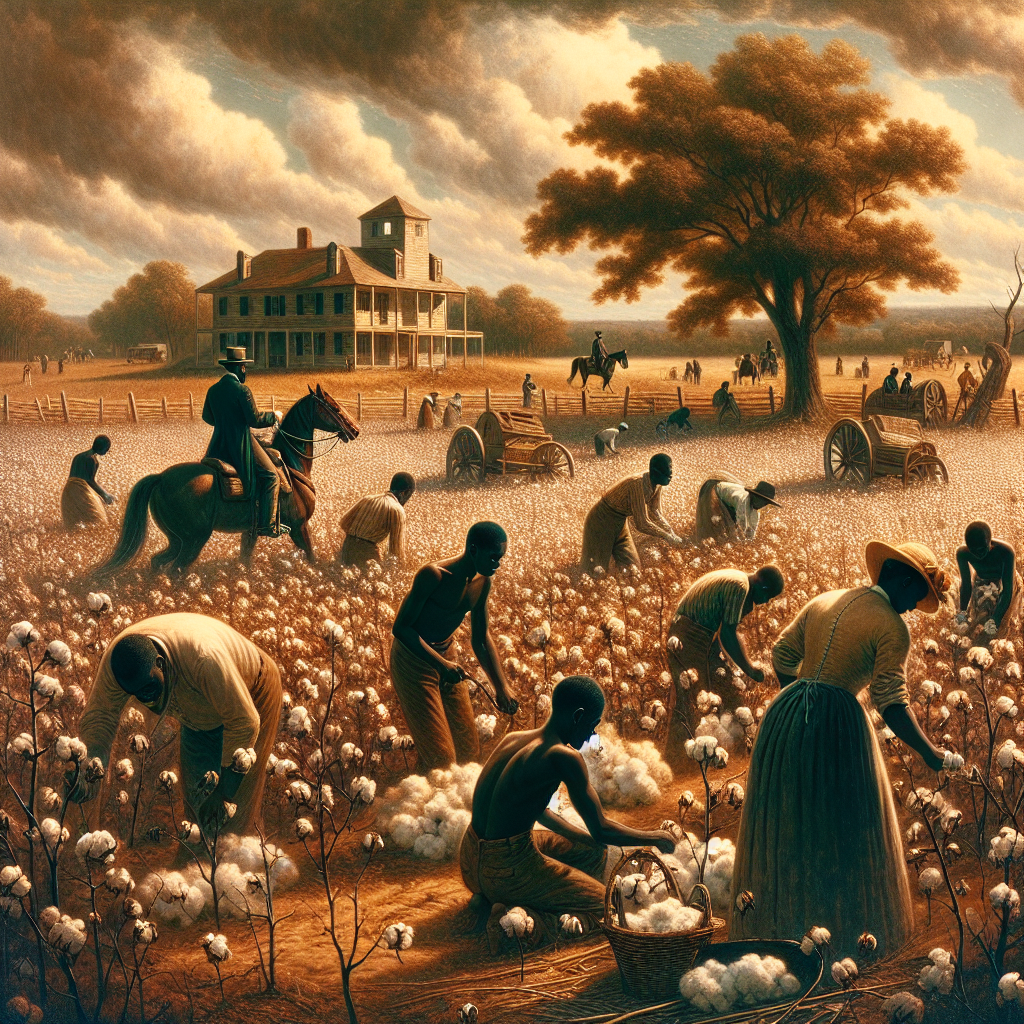
Charleston was the most prosperous city in colonial North America south of Philadelphia, and its wealth rested almost entirely on enslaved labor. The rice and indigo plantations of the South Carolina Lowcountry made their owners fabulously rich, and Charleston was where that wealth concentrated — in its Georgian townhouses, its counting houses, its coffeehouses, and its slave market, which was one of the largest in the country. Nearly half of all enslaved Africans brought to North America passed through the port of Charleston or its predecessor, Sullivan's Island. The city's elegance and its brutality were inseparable.
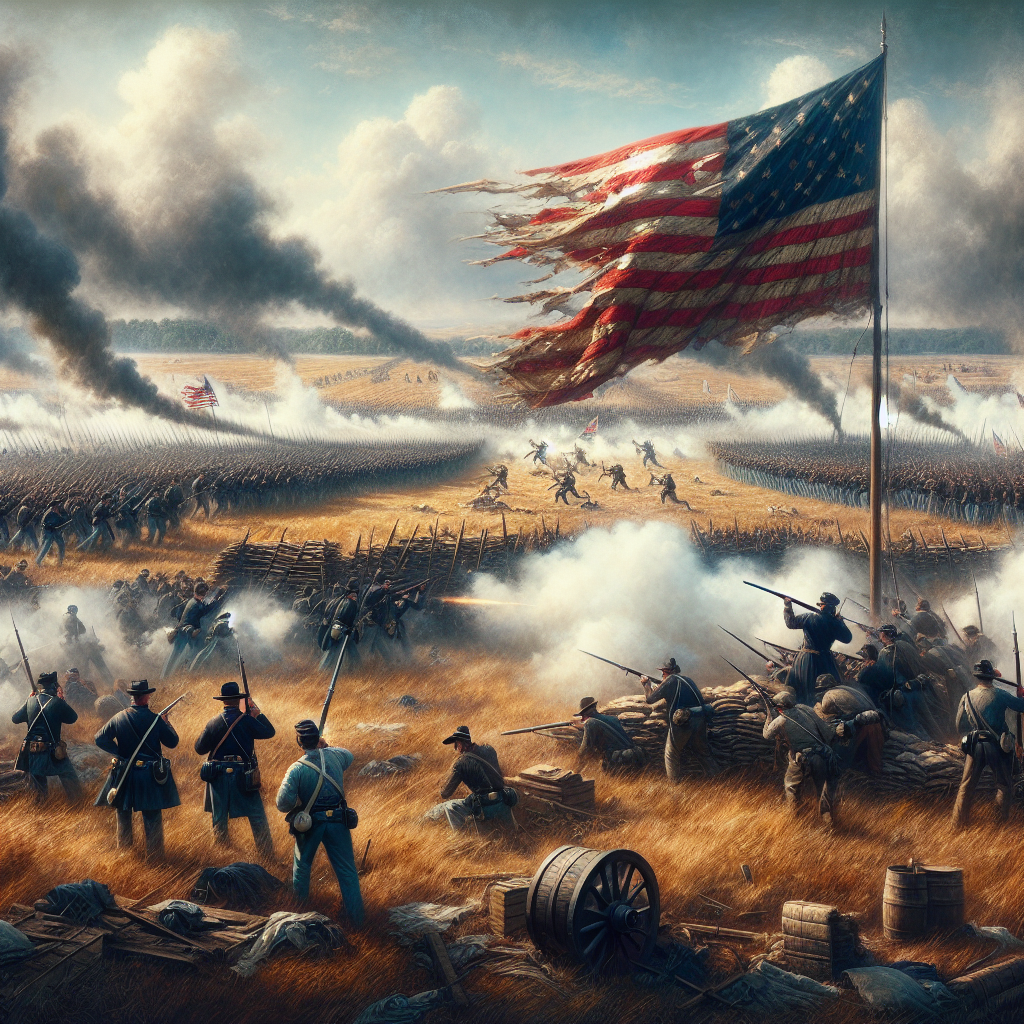
On April 12, 1861, Confederate artillery opened fire on Fort Sumter in Charleston Harbor and started the Civil War. The symbolism was fitting: no city had done more to bring the country to that moment. South Carolina had been the first state to secede, Charleston its capital of secessionist sentiment, and Fort Sumter the federal installation whose continued occupation under a Union flag was intolerable to the Confederacy. The bombardment lasted 34 hours before the Union garrison surrendered. No one died in the battle itself, but the shots fired across Charleston Harbor killed roughly 620,000 Americans over the next four years.
Modern Charleston carries its history with unusual directness. The city has preserved its antebellum architecture more completely than almost any other Southern city, and its public reckoning with that history has been more visible than most. The 2015 mass shooting at Emanuel African Methodist Episcopal Church — known as Mother Emanuel, one of the oldest Black churches in the South — by a white supremacist who hoped to start a race war instead galvanized the movement to remove the Confederate battle flag from the State House grounds. The flag came down 23 days later.

| Founded | 1670 — as Charles Town, colony of Carolina |
| State | South Carolina |
| Colonial role | Wealthiest city in colonial South; center of rice and indigo economy |
| Slave trade | Nearly half of all enslaved Africans entering North America passed through |
| Civil War | Site of Fort Sumter — opening engagement, April 12, 1861 |
| 2015 shooting | Emanuel AME Church attack; Confederate flag removed from State House |
| Population | Approximately 150,000 city; 800,000 metro (2020) |
| Years | 1670 |
| Location | Charleston, South Carolina |