Gettysburg
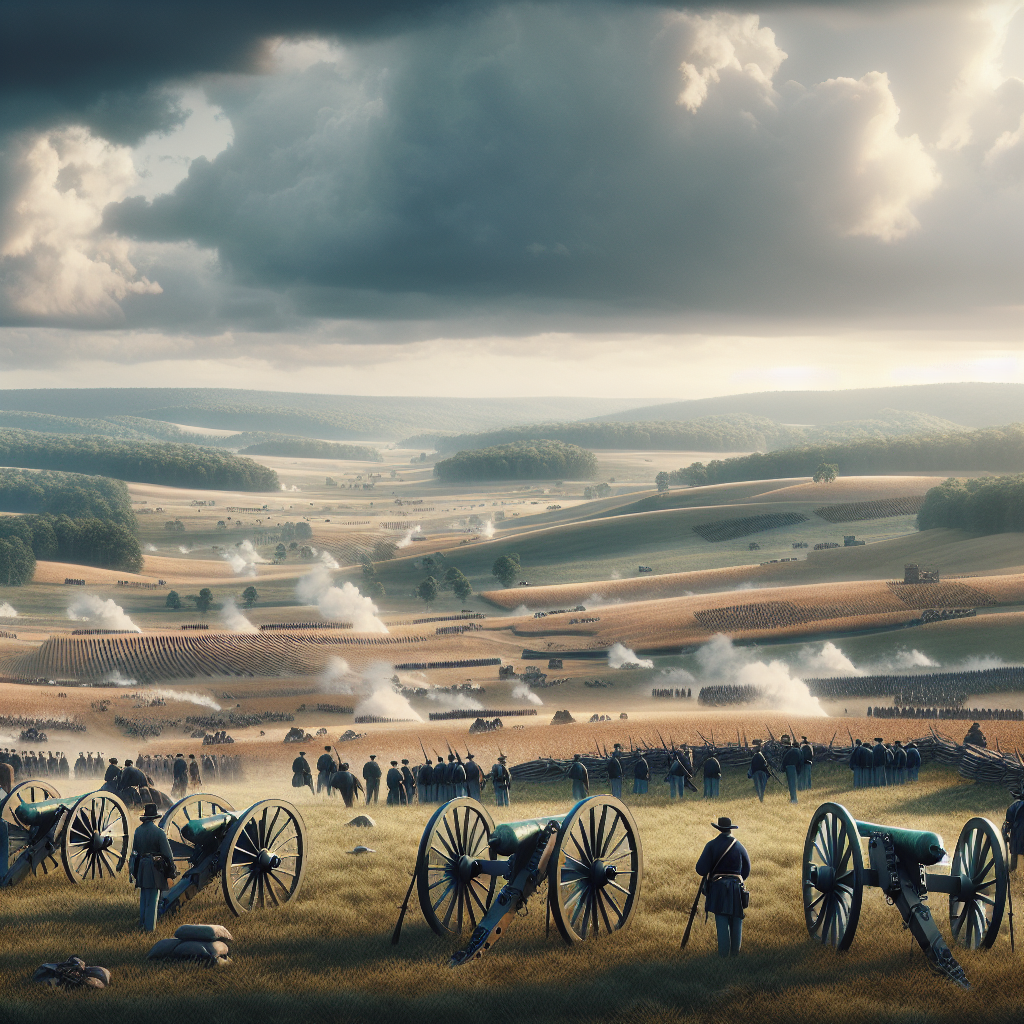
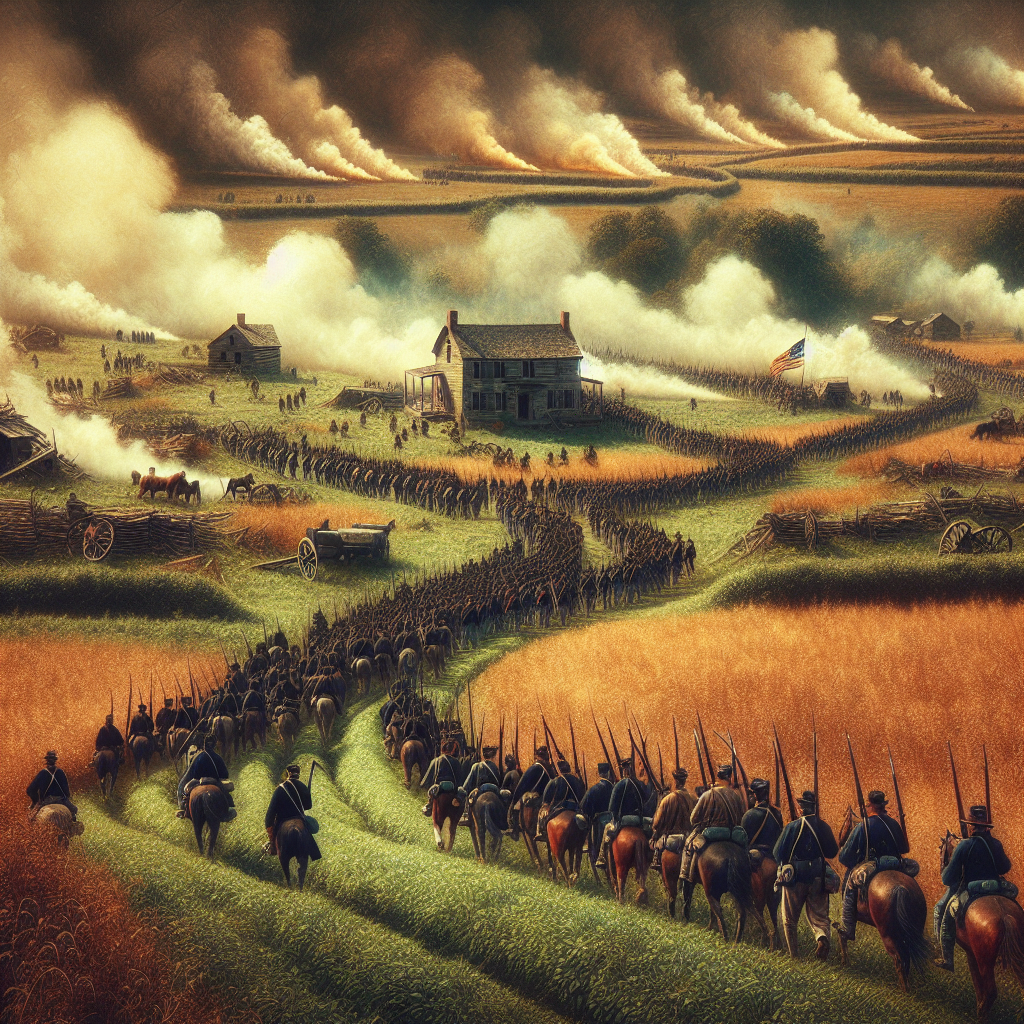
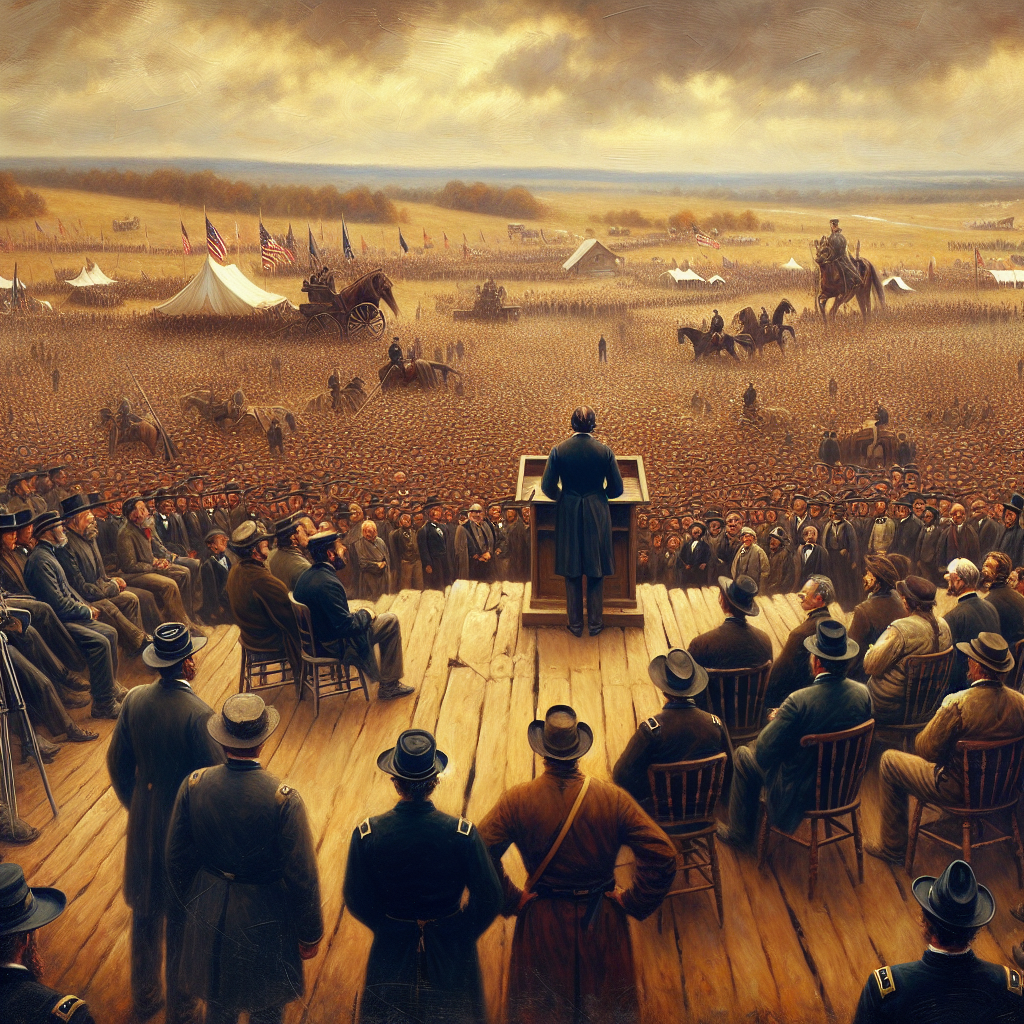
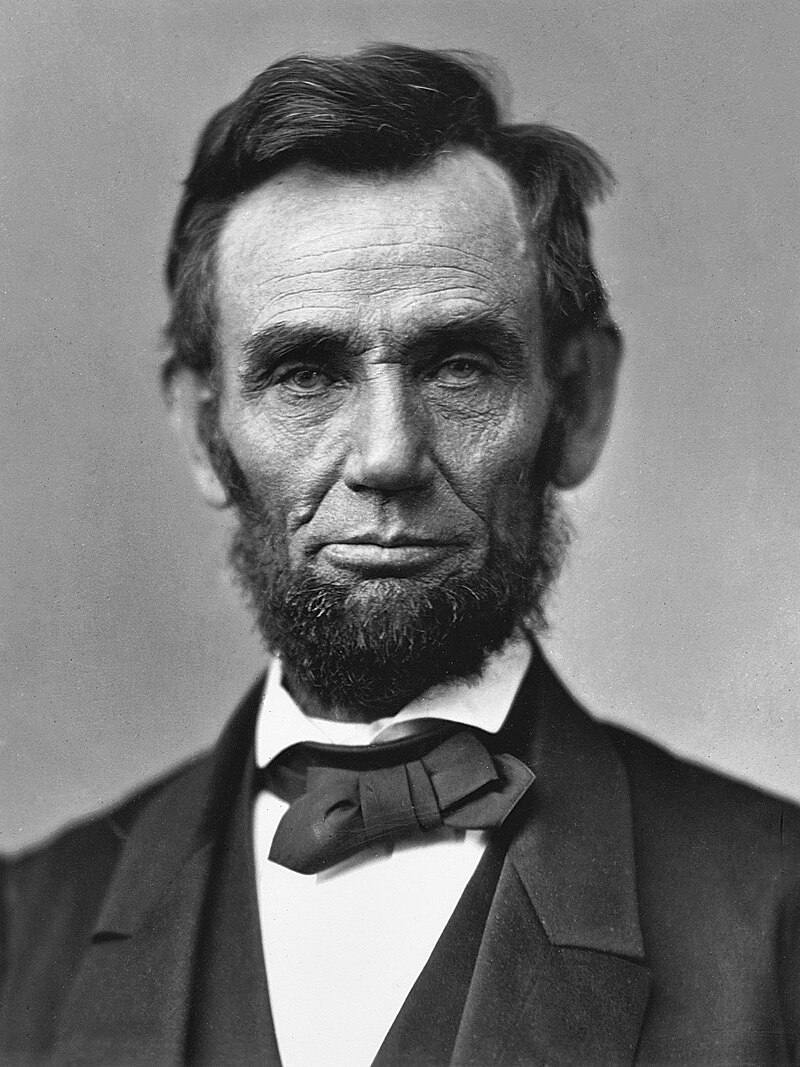
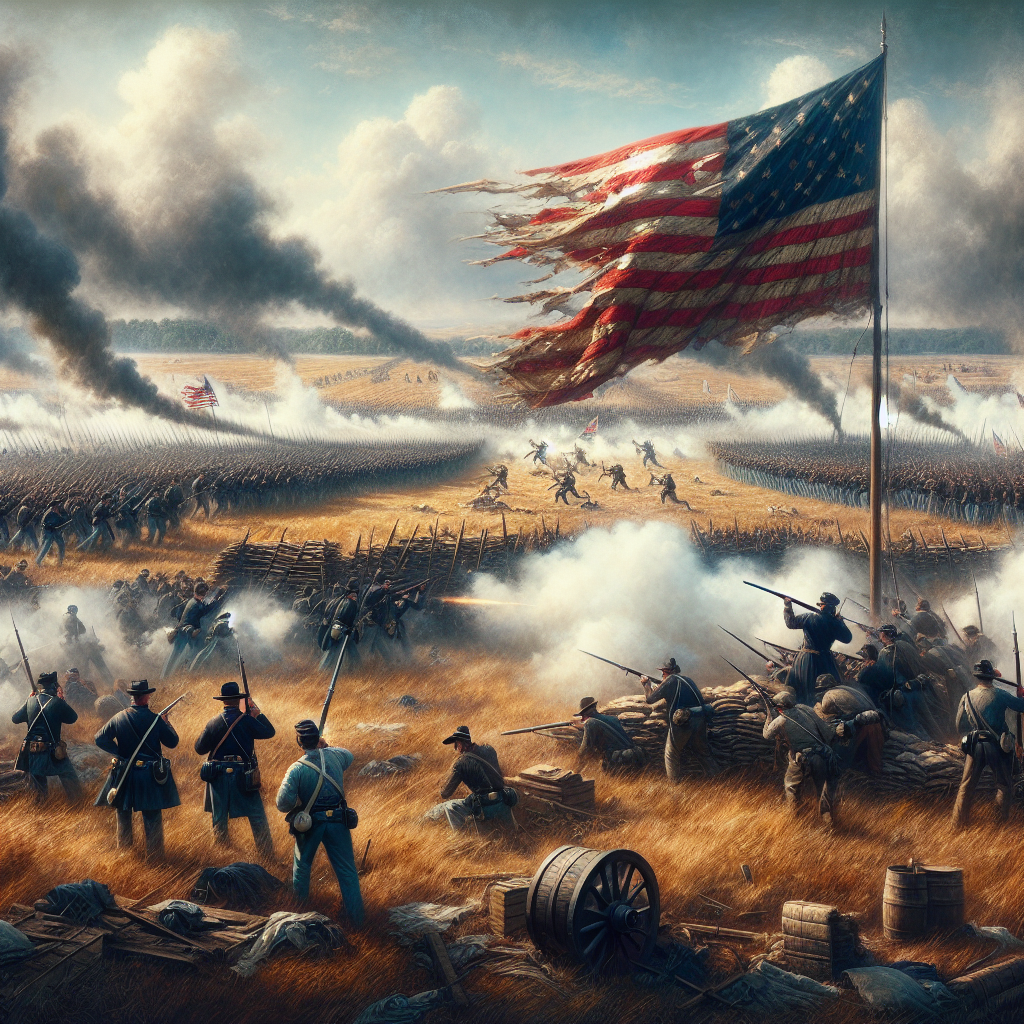
Gettysburg, Pennsylvania, was a market town of about 2,400 people when the armies found it in July 1863. Three days later, it had become the site of the bloodiest battle ever fought on American soil, with more than 50,000 casualties across the Union and Confederate forces. The town spent months burying the dead, caring for the wounded, and absorbing what had happened on its farms and ridgelines. Four months after the battle, Abraham Lincoln came to dedicate the soldiers' cemetery and delivered 272 words that redefined what the war was about.
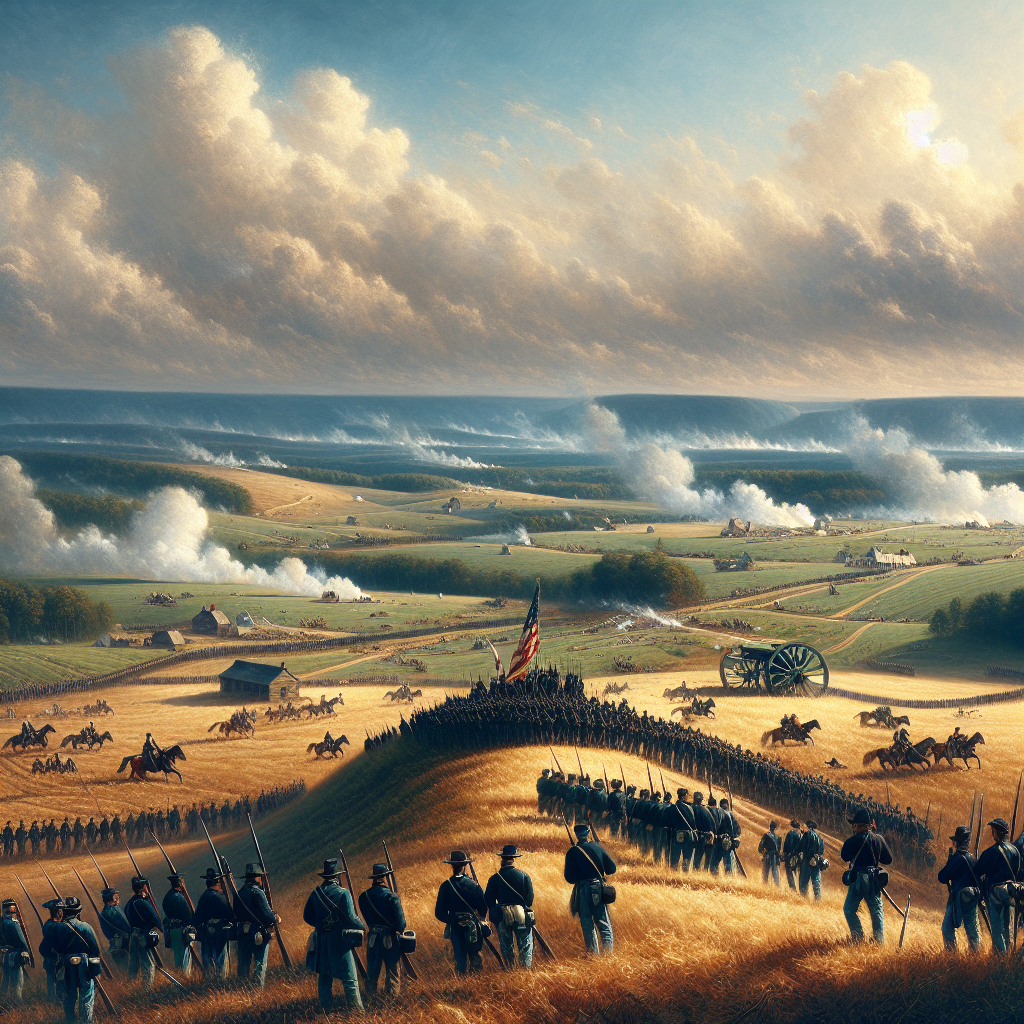
The battlefield stretched across 25 square miles of Pennsylvania farmland — Seminary Ridge, Cemetery Ridge, Little Round Top, Devil's Den, the Wheatfield, the open ground of Pickett's Charge. The terrain that determined the battle's outcome had names before July 1863; afterward, those names became permanent features of American military memory. The National Military Park established in 1895 preserved much of the ground as it appeared during the battle and became one of the most visited historical sites in the country.
Gettysburg has never entirely stopped being contested. The battlefield has been a site of Confederate monument placement, reenactments, tourism, and ongoing argument about what the battle meant and how it should be remembered. The town's identity is inseparable from three days in 1863 that it did not choose and could not have anticipated. That weight — the weight of being the place where the war turned — has shaped Gettysburg ever since.
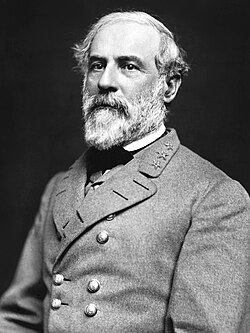
| Location | Adams County, Pennsylvania |
| Battle Dates | July 1–3, 1863 |
| Casualties | 50,000+ combined Union and Confederate |
| Outcome | Union victory; Lee's second Northern invasion repulsed |
| Gettysburg Address | Delivered November 19, 1863 |
| National Park | Gettysburg National Military Park, established 1895 |
| Date | July 1–3, 1863 |
| Location | Gettysburg, Pennsylvania |