Henry Clay
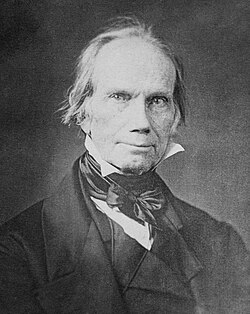
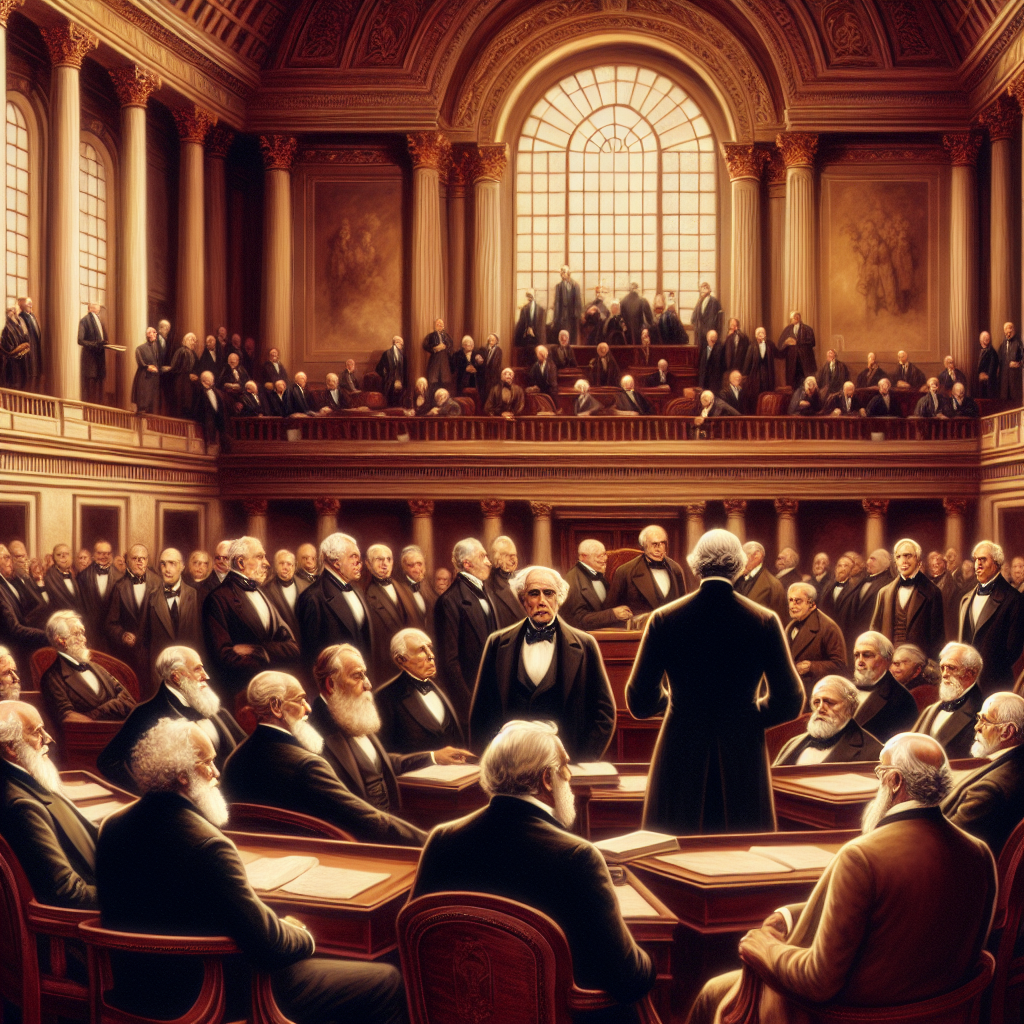
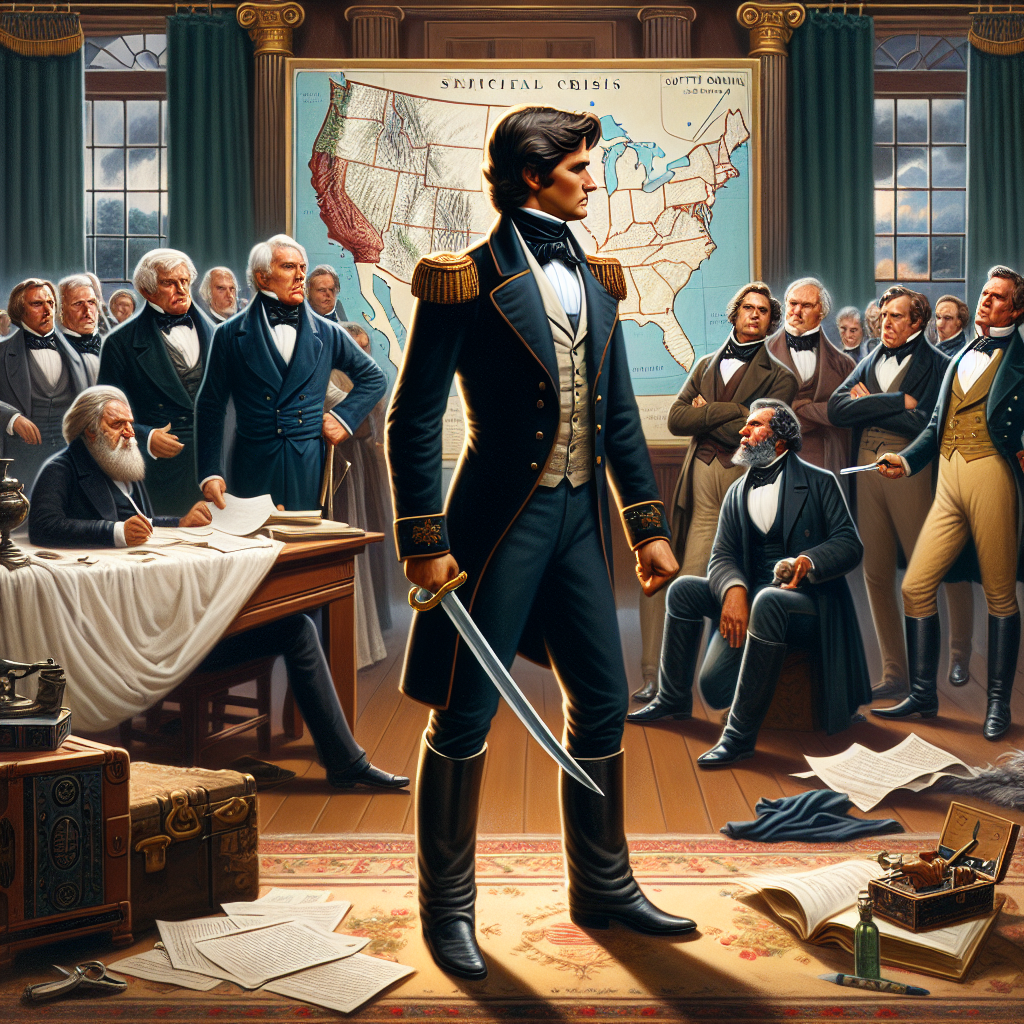
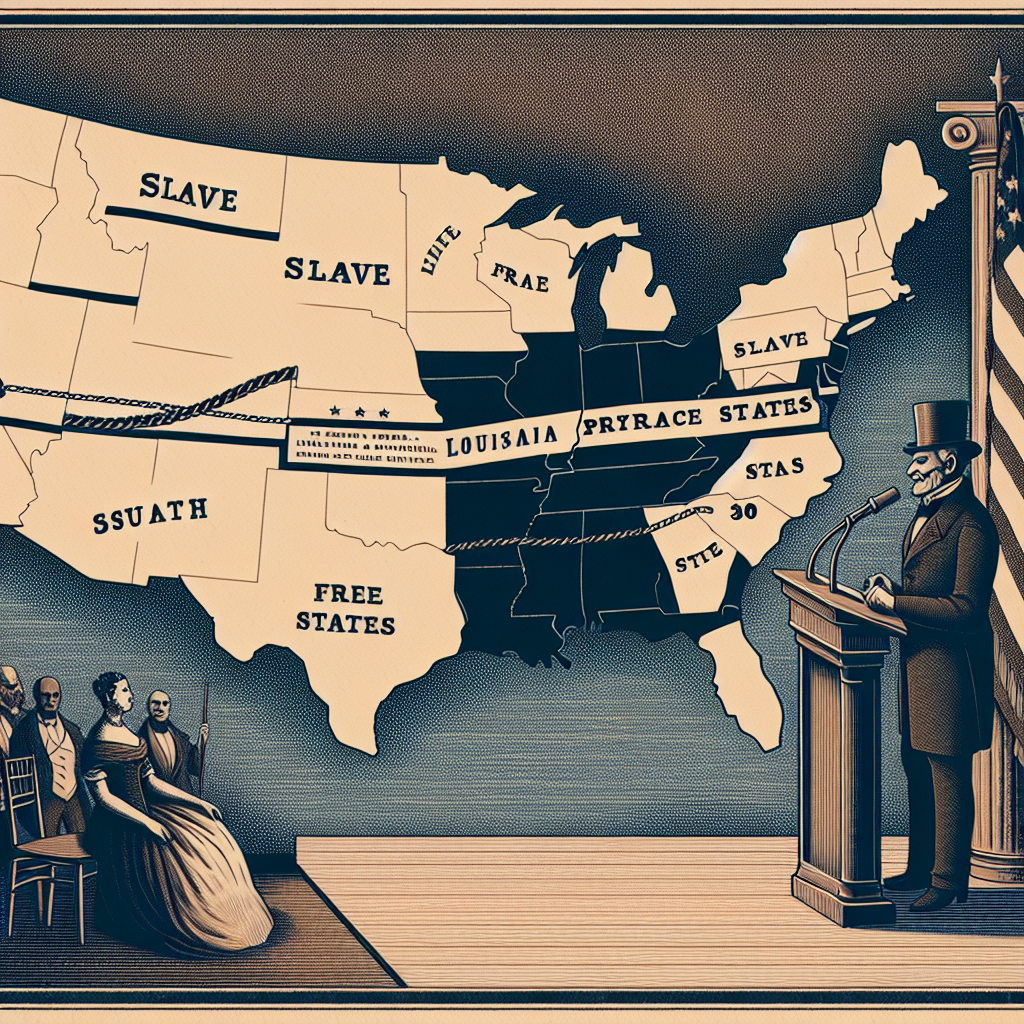
Henry Clay ran for president three times and never won. He served as Speaker of the House, Secretary of State, and senator from Kentucky across five decades, shaping American economic and territorial policy more than any of the presidents he outlasted. His enduring reputation rests on a different skill entirely: compromise. Clay authored or engineered three of the most consequential legislative compromises in American history — the Missouri Compromise of 1820, the Compromise Tariff of 1833, and the Compromise of 1850 — each of which postponed, by a decade or two, the confrontation between free and slave states that he could see coming but could not prevent.
Clay's political vision — the "American System" — called for a national bank, protective tariffs to develop American industry, and federally funded internal improvements like roads and canals to bind the country together economically. It was a coherent developmental program that anticipated the industrial republic the country would eventually become, and it was consistently blocked by Southern Democrats who feared federal power and Northern Jacksonians who distrusted banks. His ideas survived him, absorbed eventually into the Republican Party platform of the 1860s.
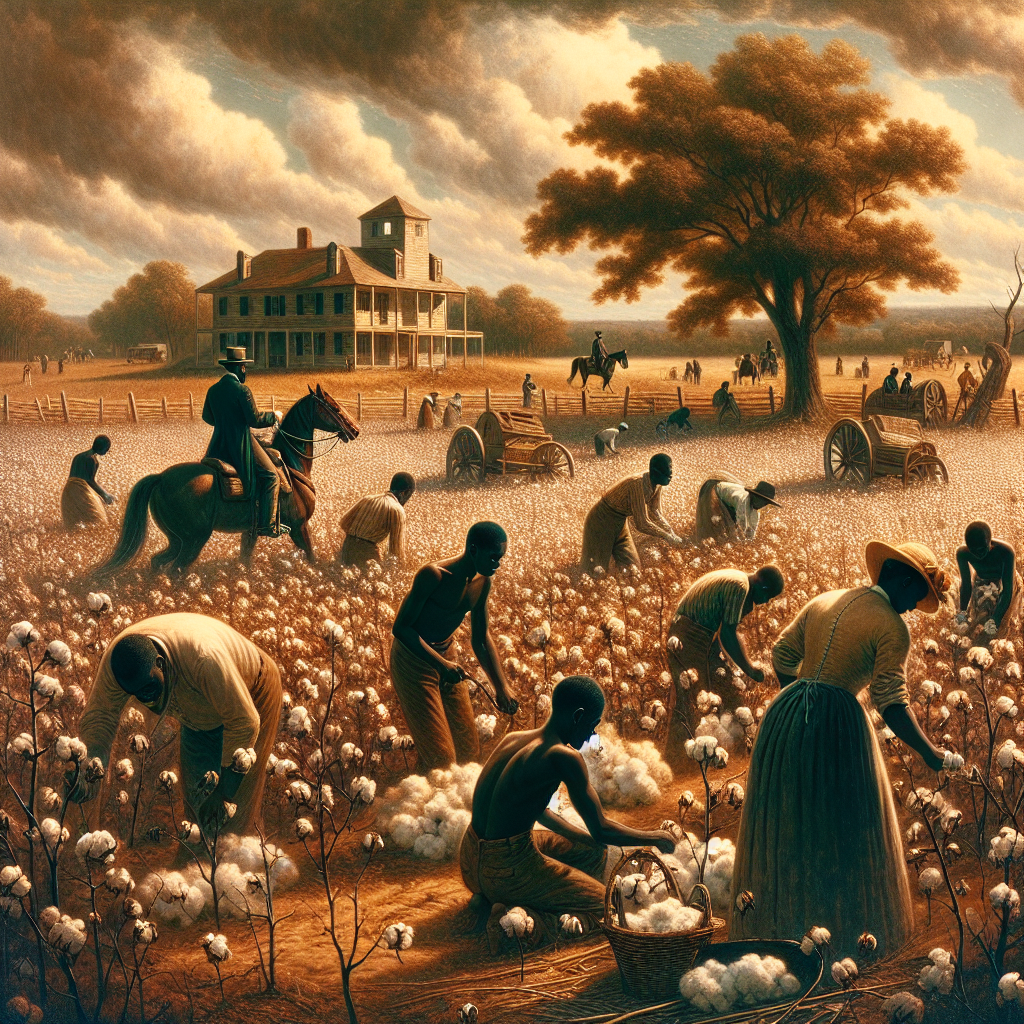
Clay's compromises bought time, which is not nothing. The additional decades of Union he preserved allowed the free states to grow dramatically in population and industrial capacity, which is why the North won the war that eventually came. But his compromises also repeatedly required anti-slavery forces to concede ground, perpetuating an institution whose perpetuation guaranteed that the eventual reckoning would be worse. Whether Clay's decades of delay made the Civil War less catastrophic or more so is an argument historians have never fully resolved.

| Born | April 12, 1777 — Hanover County, Virginia |
| Died | June 29, 1852 — Washington, D.C. |
| Offices | Speaker of the House; Secretary of State; Senator (Kentucky) |
| Party | Democratic-Republican; National Republican; Whig |
| Key Compromises | Missouri (1820); Compromise Tariff (1833); Compromise of 1850 |
| Economic Vision | The American System — tariffs, national bank, internal improvements |
| Years | 1777–1852 |
| Location | Lexington, Kentucky |