The Antebellum Period
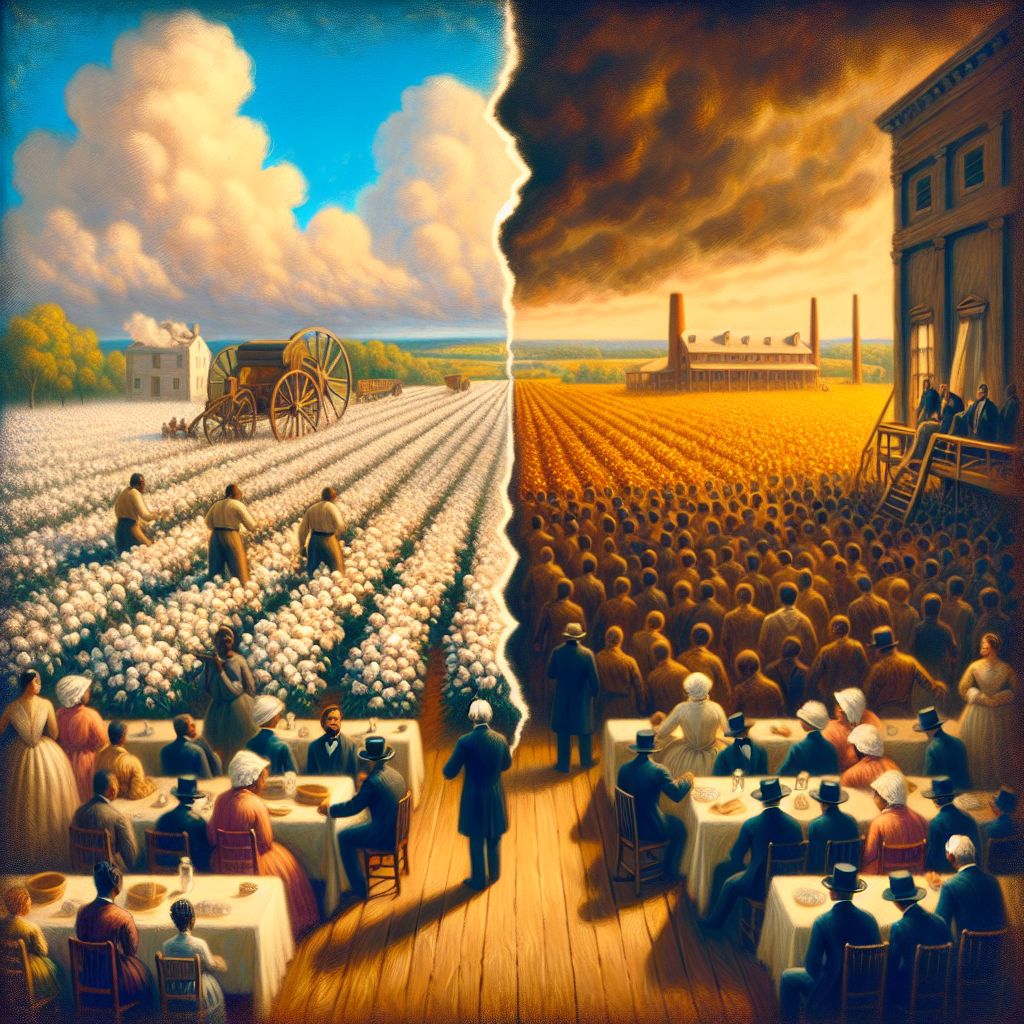
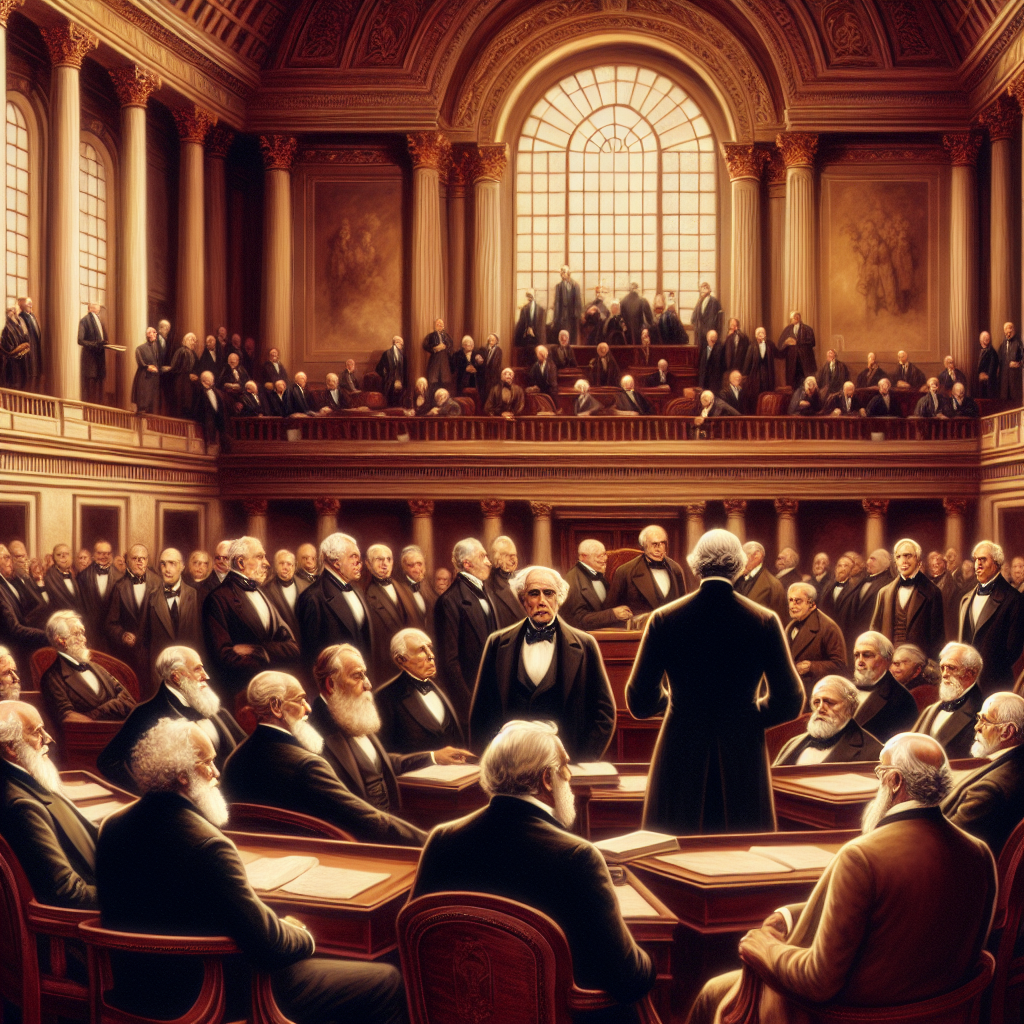
"Antebellum" means before the war, and the period it names — roughly 1848 to 1861 — was one in which everyone who was paying attention could see the war coming and almost no one in a position to prevent it had the will or the power to do so. The Mexican-American War had added 525,000 square miles of new territory whose status inflamed a slavery debate that the Missouri Compromise had suppressed for 30 years. The Compromise of 1850 tried to settle it with a package deal that satisfied no one: California entered as a free state, the Southwest territories were left to popular sovereignty, the slave trade was banned in Washington D.C., and the Fugitive Slave Act was strengthened to the point that it required Northerners to personally assist in the capture and return of escaped enslaved people — making the institution of slavery impossible to ignore even for those who had been trying.
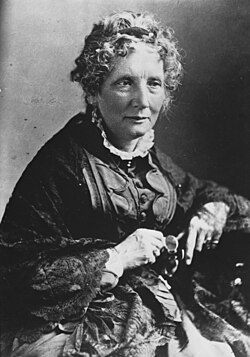
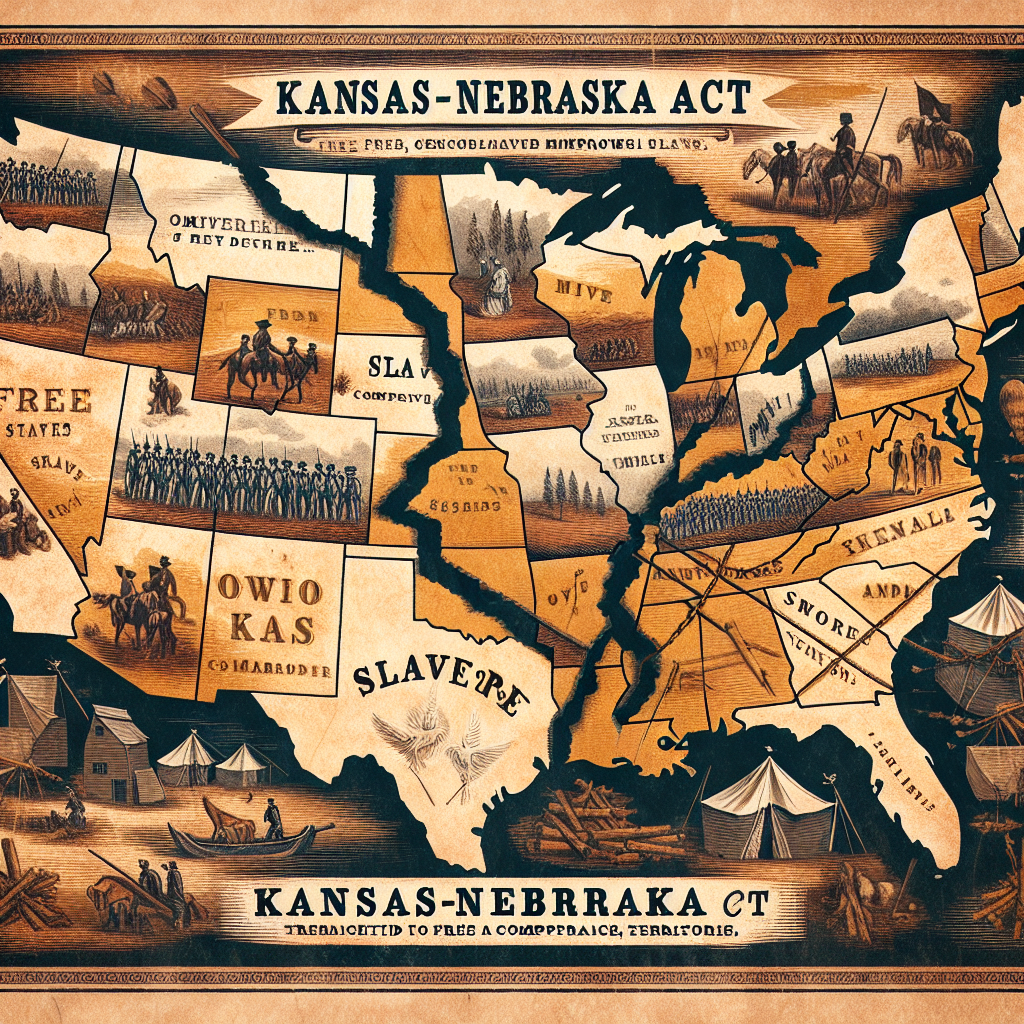
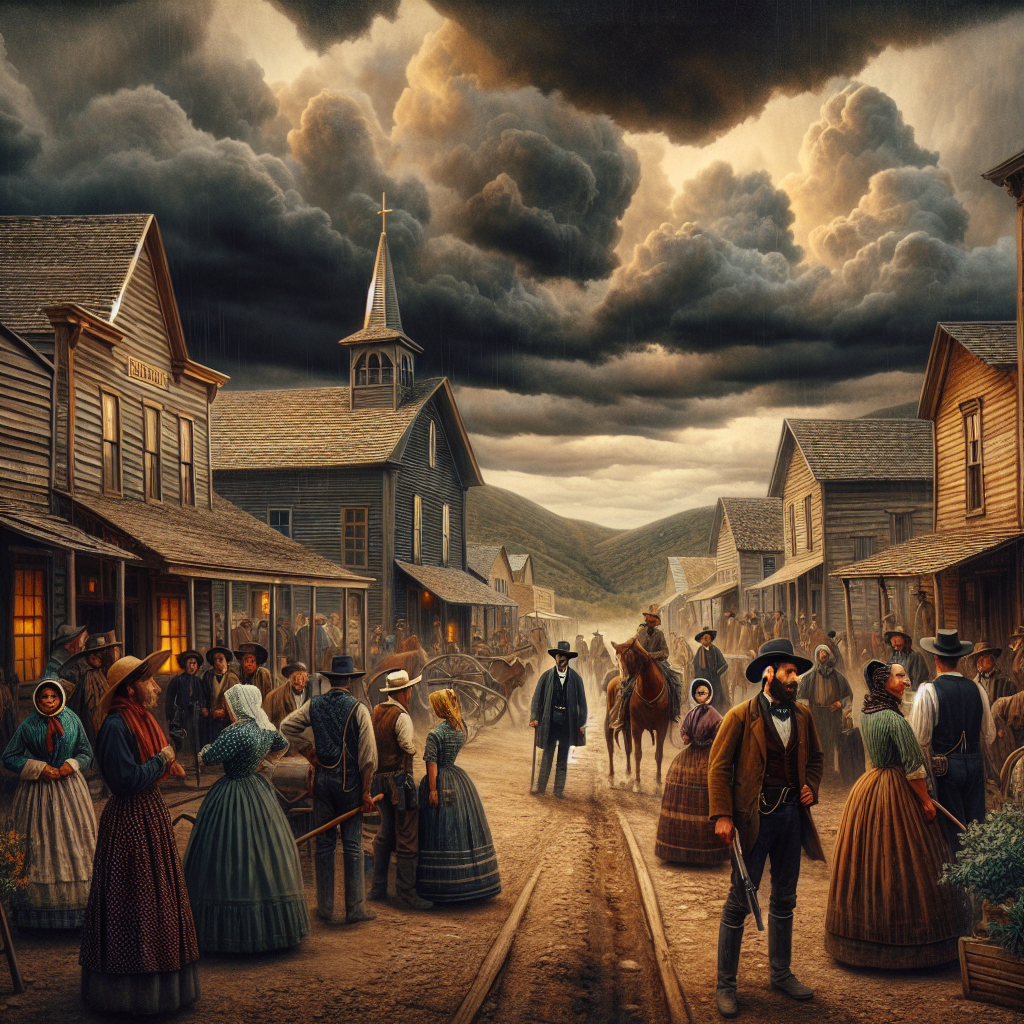
The decade of the 1850s was a sustained political catastrophe. Harriet Beecher Stowe's Uncle Tom's Cabin (1852) sold 300,000 copies in its first year and turned a moral abstraction into a human story for millions of Northern readers who had no direct experience of slavery. The Kansas-Nebraska Act of 1854 repealed the Missouri Compromise and produced Bleeding Kansas — a guerrilla war between pro-slavery and free-soil settlers that killed 56 people and previewed the larger conflict. The Dred Scott decision (1857) ruled that Congress had no authority to ban slavery anywhere, eliminating every legal framework for containing it. John Brown's raid on Harpers Ferry (1859) convinced the South that Northern abolitionism had become violent. Abraham Lincoln's election in November 1860 — without a single Southern electoral vote — convinced Southern leaders that the political mechanisms of the Union could no longer protect slavery.
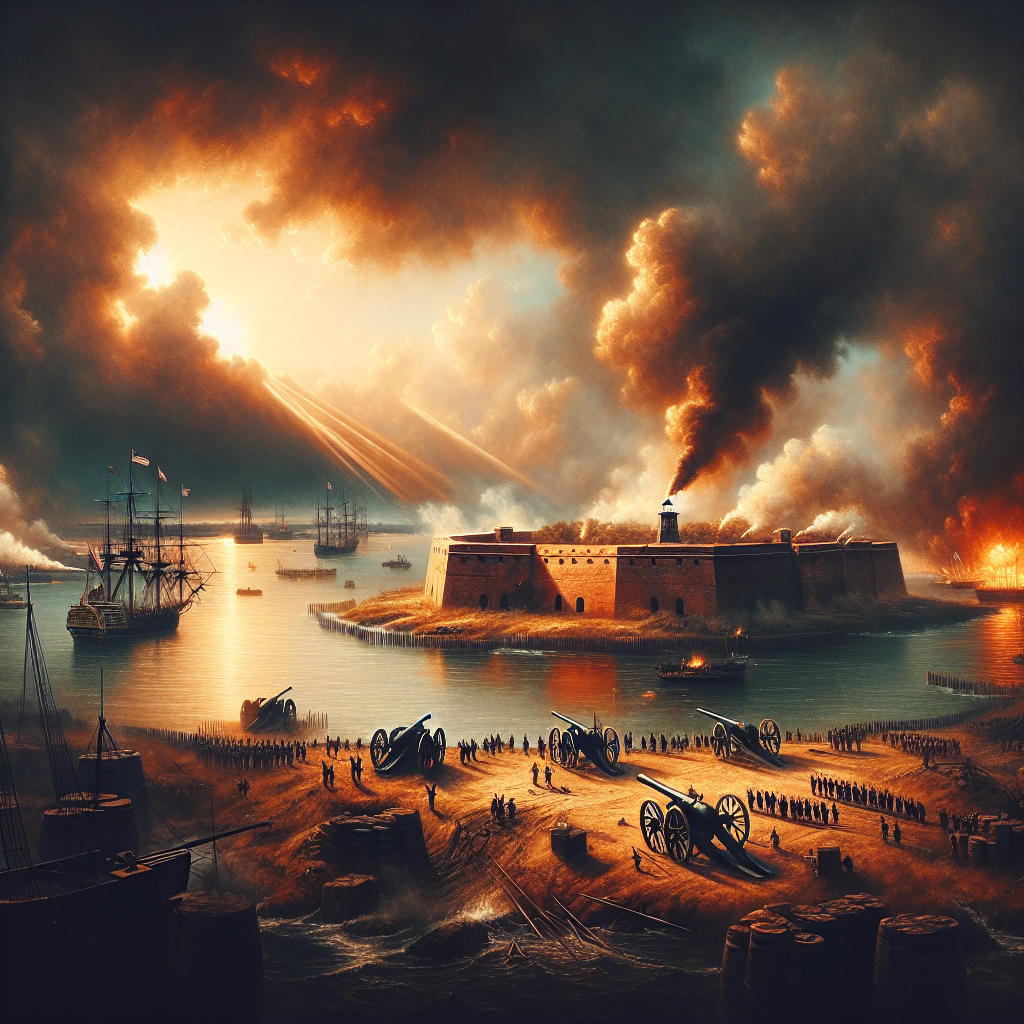
The antebellum period's cultural output was extraordinary: American literature found its voice in the crisis. Melville, Hawthorne, Thoreau, Emerson, Whitman, Douglass, and Stowe all did their defining work in this decade and a half, many of them in explicit conversation with the slavery question that was consuming their country. The decade also produced the Republican Party — organized in 1854 specifically around opposition to the expansion of slavery — and destroyed the Whig Party, which had tried to hold a coalition of Northerners and Southerners together and collapsed when that became impossible. By December 1860, South Carolina had seceded. By February 1861, six more states had followed. The war that everyone had been predicting and no one had been able to prevent began in April when Confederate guns opened on Fort Sumter.

| Period | c. 1848–1861 |
| Opening event | Mexican Cession adds 525,000 sq miles of contested territory |
| Key legislation | Compromise of 1850; Kansas-Nebraska Act (1854) |
| Key ruling | Dred Scott v. Sandford (1857) |
| Key violence | Bleeding Kansas (1856); Harpers Ferry (1859) |
| Republican Party | Founded 1854 — anti-slavery expansion |
| First secession | South Carolina, December 20, 1860 |
| War began | April 12, 1861 — Fort Sumter |
| Years | 1848–1861 |
| Location | United States |