James K. Polk
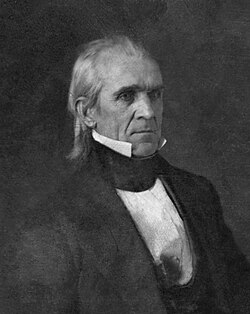
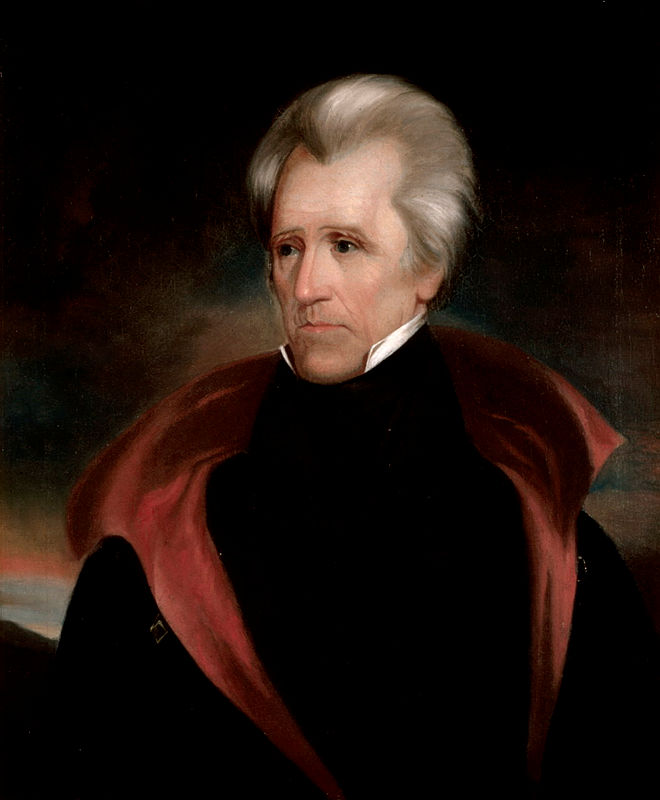
James K. Polk entered the White House in 1845 with a specific list of things he intended to accomplish, accomplished them all in a single term, and died 103 days after leaving office — worn down by a presidency that was, by any measure, exactly what he had planned. A dark-horse candidate who had served as Speaker of the House and governor of Tennessee, Polk was the most effective one-term president in American history, adding more territory to the United States than any president except Thomas Jefferson.
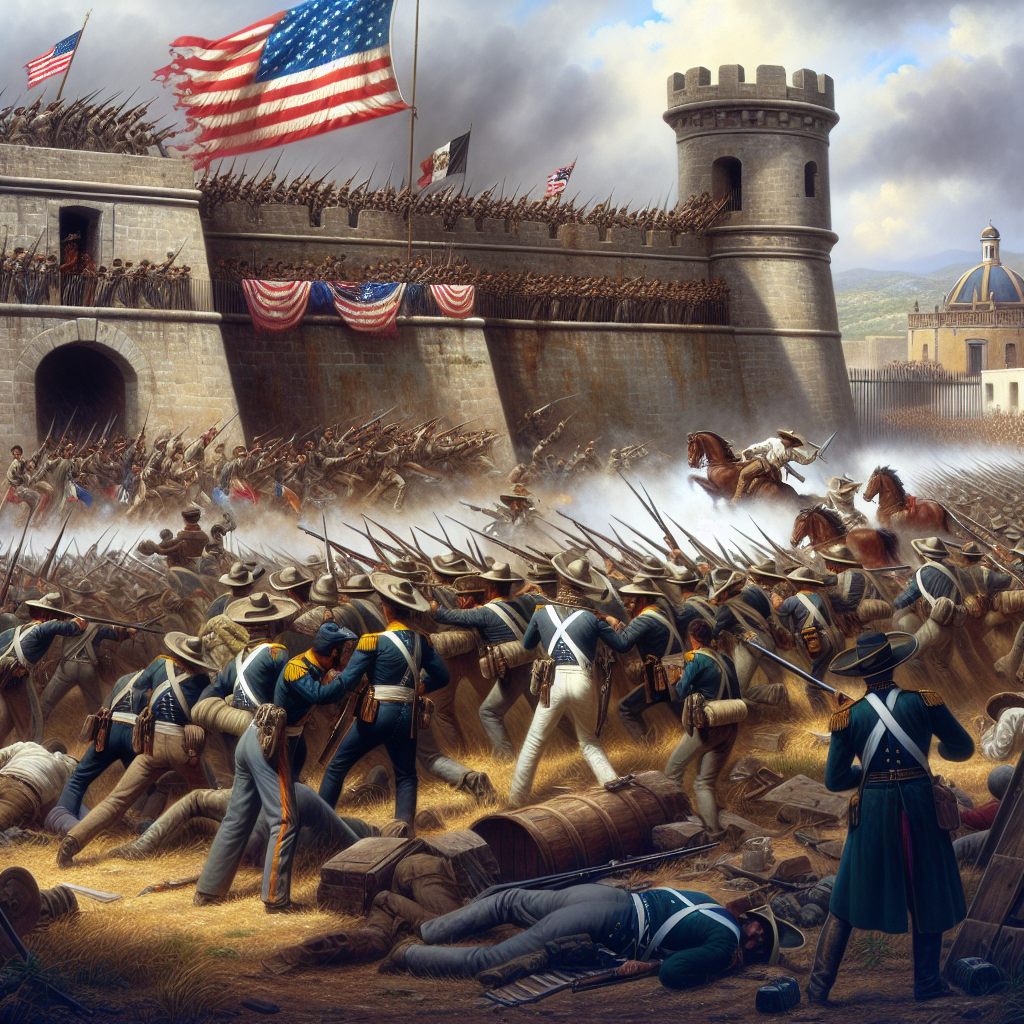
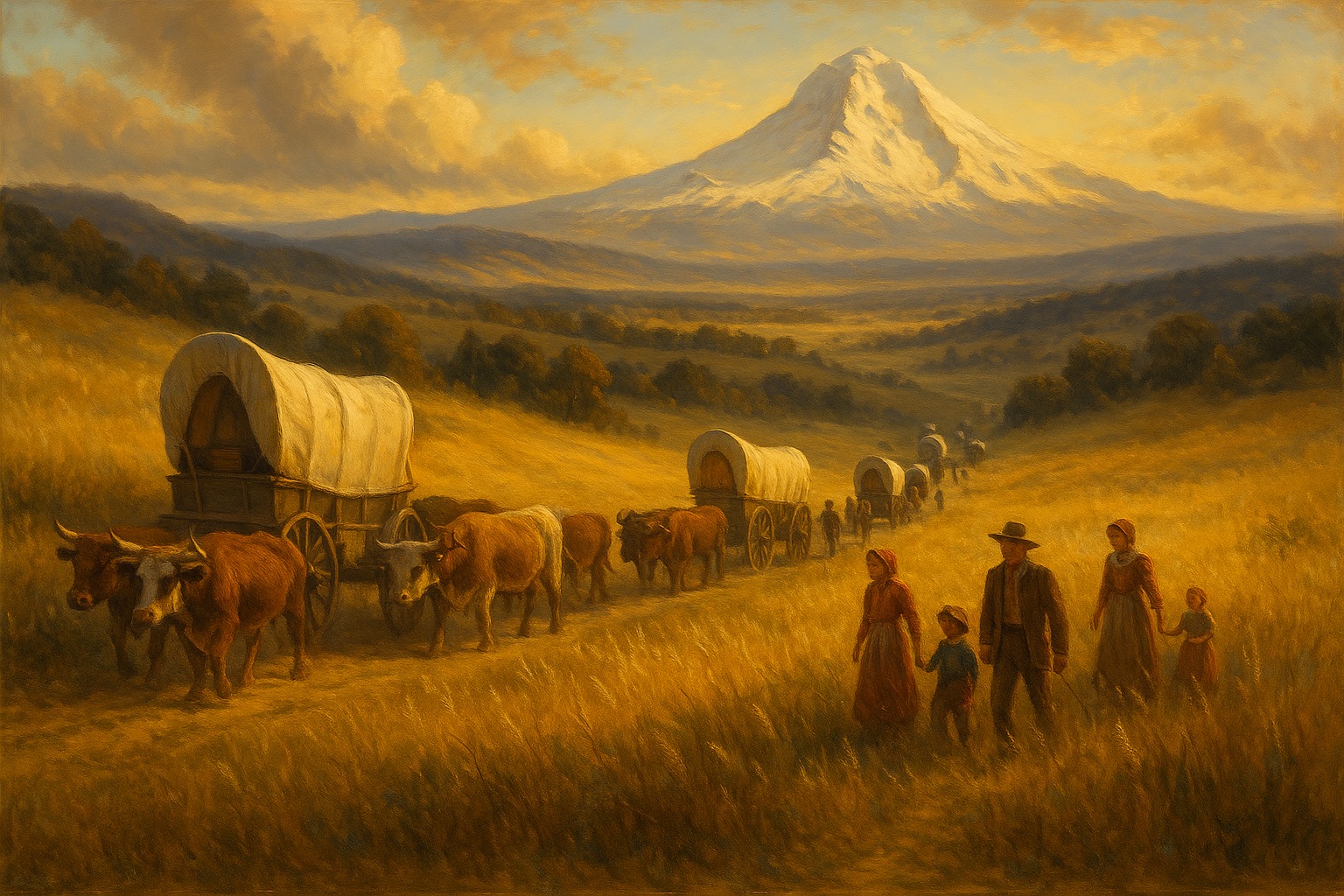
Polk's agenda was expansion, and he pursued it with relentless efficiency. He settled the Oregon boundary dispute with Britain at the 49th parallel, acquiring the Pacific Northwest. He provoked war with Mexico — sending American troops into disputed territory along the Rio Grande until Mexican forces fired — and used the resulting victory to strip Mexico of California and the Southwest. By the time he was done, the United States stretched from ocean to ocean. The question of whether slavery would extend into those new territories consumed the country for the next 15 years.
Polk is remembered well by historians and almost not at all by the general public — which may itself be a comment on presidential reputation. He was not charismatic, not particularly likable, and entirely uninterested in credit. He was effective in the way a machine is effective: relentlessly, without sentiment, toward a predetermined end. That end — a continental United States — arrived on schedule. The cost, in Mexican lives, in dispossessed land, and in the sectional crisis his acquisitions ignited, arrived afterward.


| Born | November 2, 1795 — Pineville, North Carolina |
| Died | June 15, 1849 — Nashville, Tennessee |
| Term | March 4, 1845 – March 4, 1849 |
| Party | Democratic |
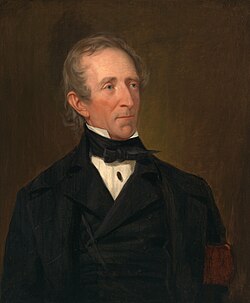
| Preceded by | John Tyler |
| Succeeded by | Zachary Taylor |
| Major Acquisitions | Oregon Territory, Texas, Mexican Cession (California, Southwest) |
| Years | 1795–1849 |
| Location | Nashville, Tennessee |