Election of 1860
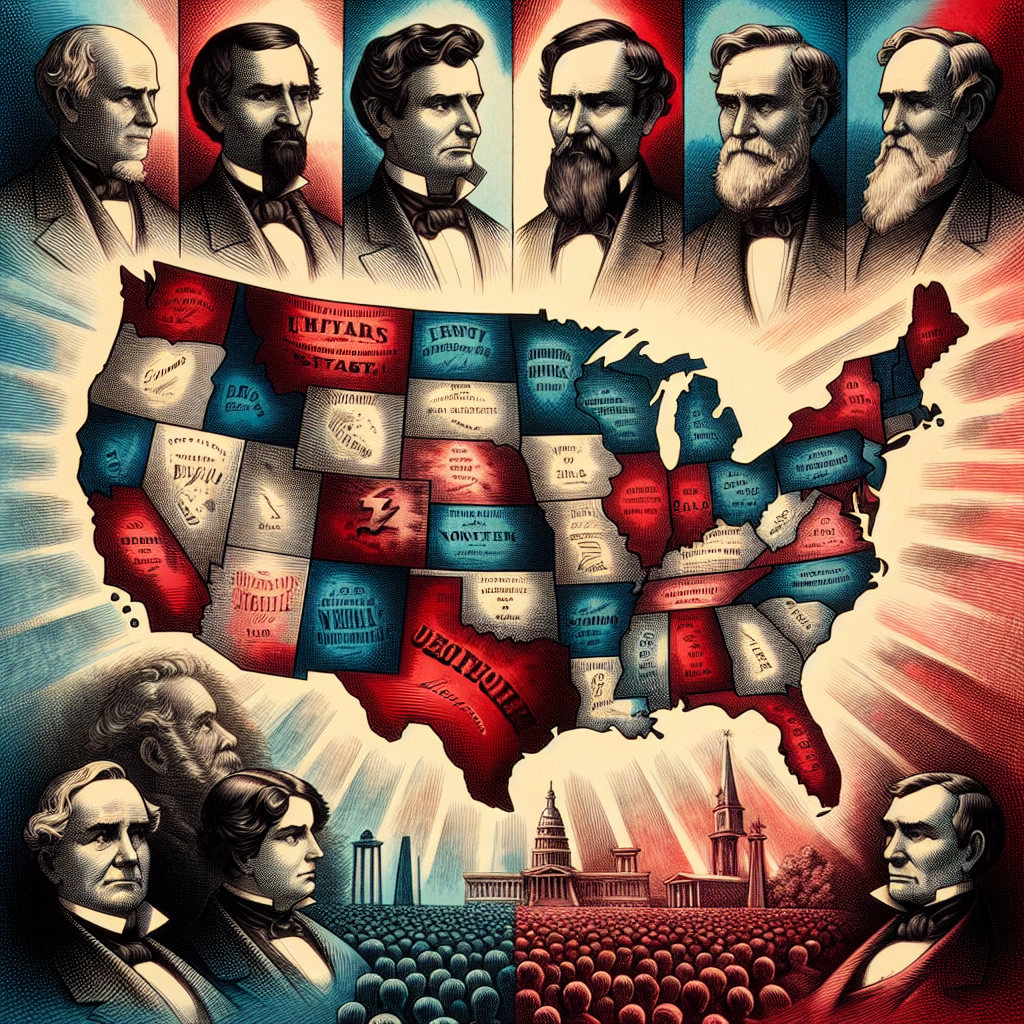
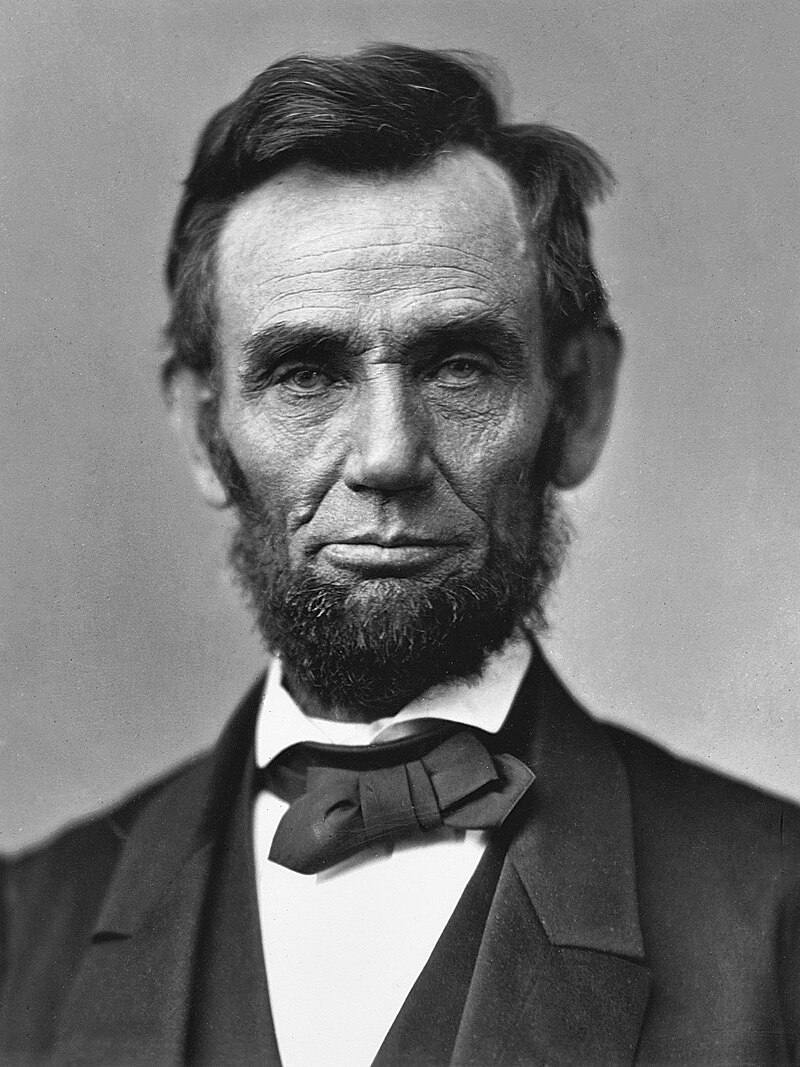
No American election before or since has carried the weight of the 1860 presidential contest. Abraham Lincoln, a one-term former congressman from Illinois, won the presidency without carrying a single Southern state — he wasn't even on the ballot in ten of them. He received 39.8 percent of the popular vote. By the time he was inaugurated on March 4, 1861, seven Southern states had already seceded. The election had not caused the crisis — decades of unresolved conflict over slavery had done that — but it provided the trigger. The Southern argument was not that Lincoln had won unfairly. It was that he had won at all.
The election had become four separate contests. Lincoln ran on a Republican platform committed to stopping slavery's expansion into new territories. Stephen Douglas, the Northern Democratic nominee, backed popular sovereignty. John C. Breckinridge, the Southern Democratic nominee, demanded federal protection of slavery in all territories. John Bell of the Constitutional Union Party offered vague appeals to compromise. The four-way split was itself the story: the Democratic Party — the one national institution that had kept Northern and Southern factions within a common political structure — had broken apart at its convention in Charleston that spring. The country's mechanisms for managing the slavery question had finally exhausted themselves.
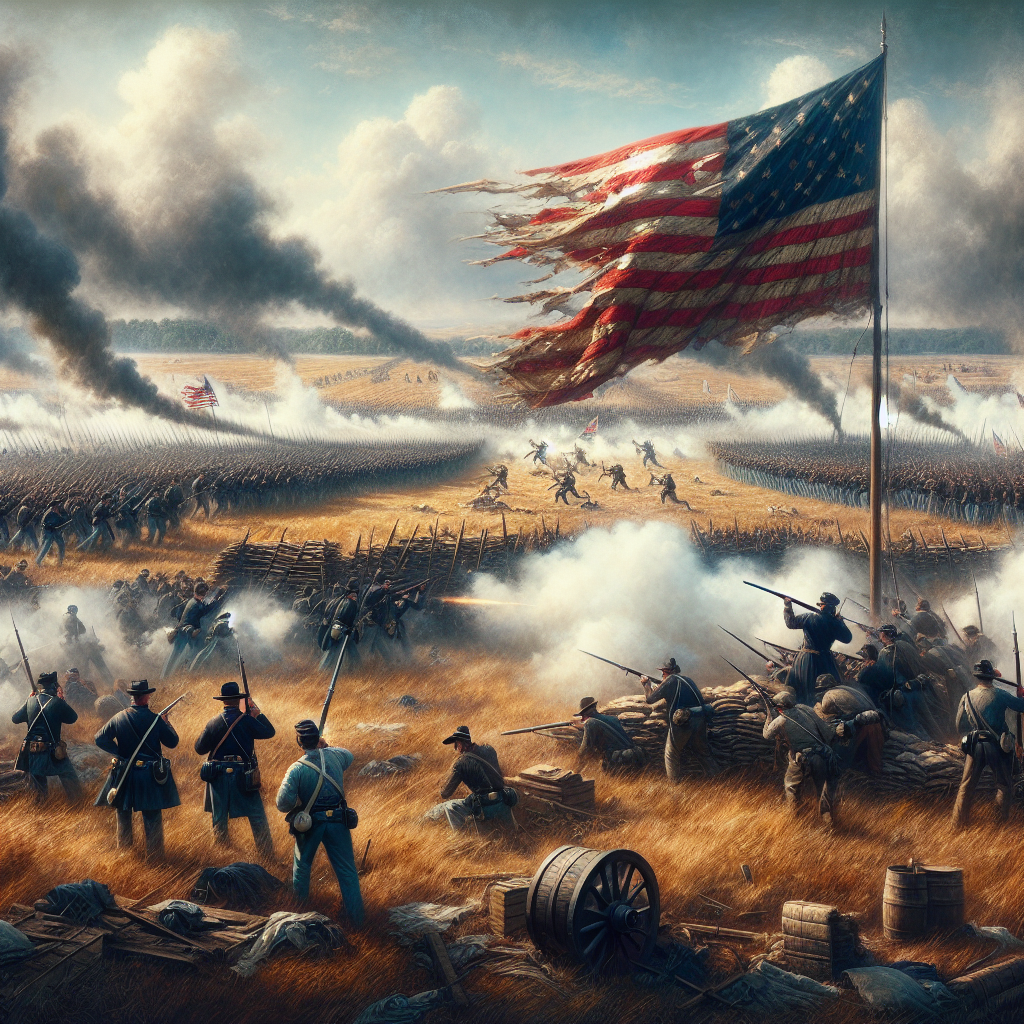
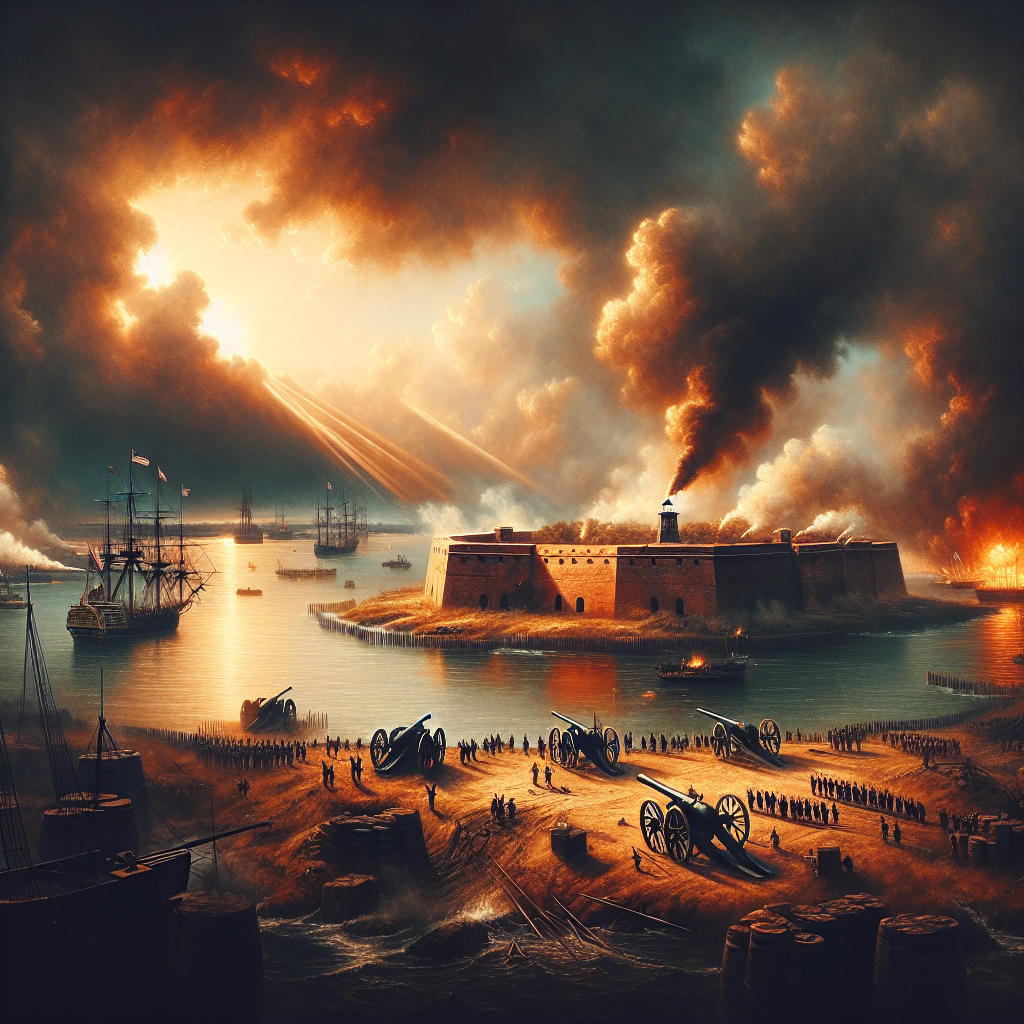
The South's secession argument was, at bottom, a claim that a presidential election had produced a result they would not accept — the first and most consequential test of democracy's foundational proposition that elections bind even those who lose them. Lincoln understood this. His First Inaugural Address was a sustained, carefully argued plea for the South to accept the result and remain in the Union, delivered to an audience that had already decided it would not. Within six weeks, Confederate artillery opened fire on Fort Sumter, and the question moved from ballot boxes to battlefields.
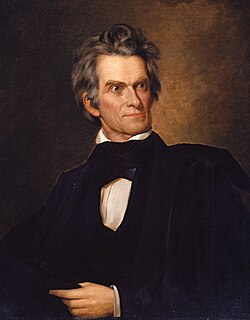
| Date | November 6, 1860 |
| Candidates | Abraham Lincoln (R) def. Douglas, Breckinridge, Bell |
| Winner | Abraham Lincoln (Republican) |
| Popular Vote | Lincoln 39.8% — not on the ballot in 10 Southern states |
| Other Candidates | Stephen Douglas (Northern Democrat); John C. Breckinridge (Southern Democrat); John Bell (Constitutional Union) |
| Electoral Vote | Lincoln 180; Breckinridge 72; Bell 39; Douglas 12 |
| Consequence | 7 Southern states seceded before inauguration; Civil War began April 1861 |
| Date | November 6, 1860 |
| Location | United States |