Battle of New Orleans
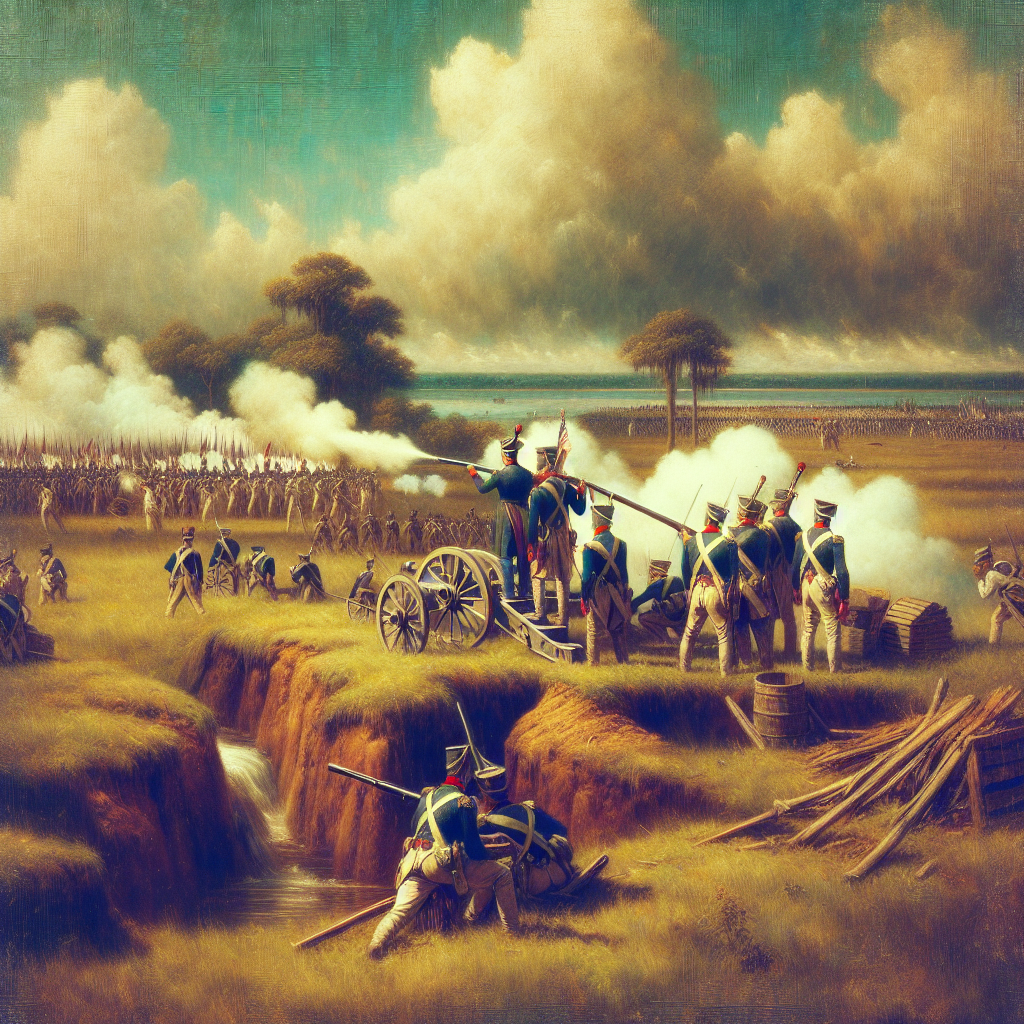
The Battle of New Orleans on January 8, 1815, was the most one-sided major engagement in American military history: roughly 2,000 British casualties against fewer than 100 American. Andrew Jackson's patchwork army — Tennessee and Kentucky militiamen, free Black soldiers, Choctaw warriors, and Jean Lafitte's pirates — had dug in behind earthworks and cotton bale barricades south of the city, and when the British infantry advanced across open ground, the result was a slaughter. The victory made Jackson a national hero and very nearly made him president on the spot.
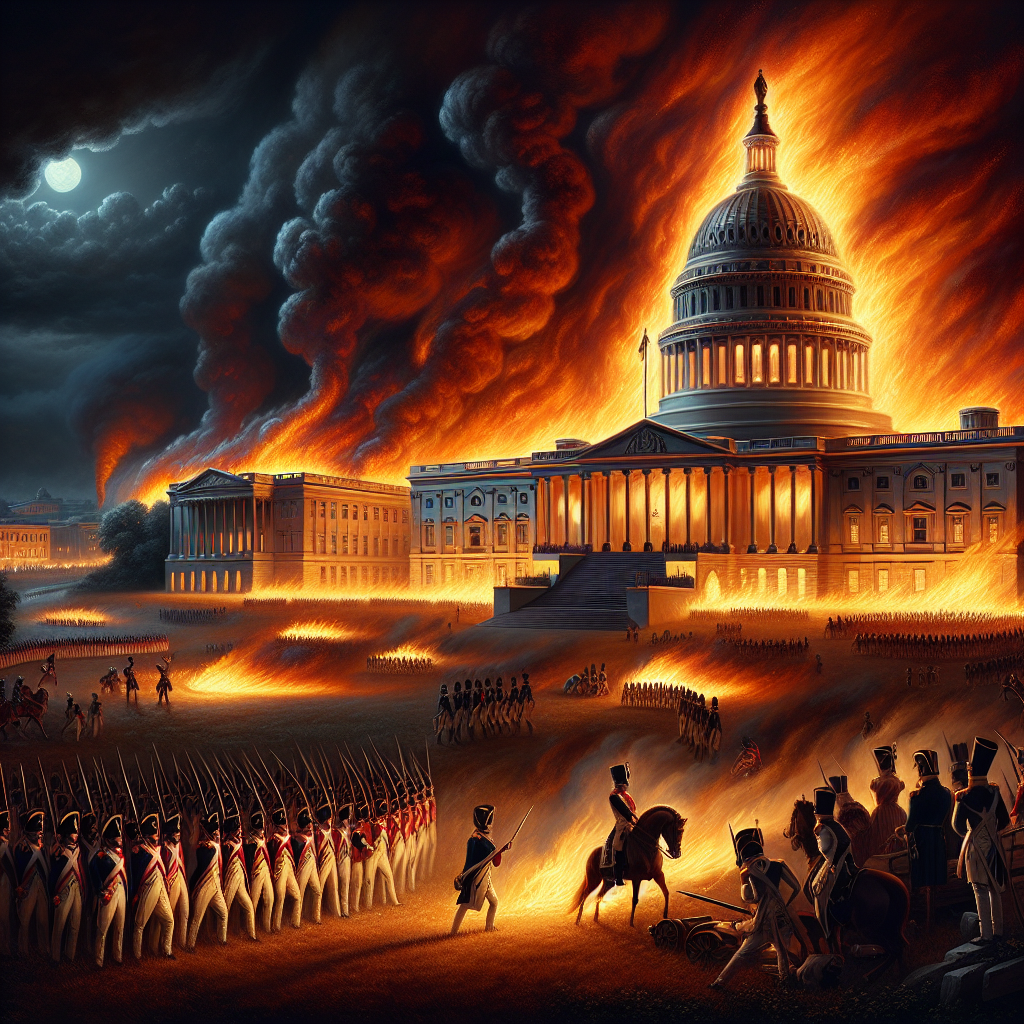
The irony embedded in that triumph is almost too perfect: the Treaty of Ghent, ending the War of 1812, had been signed in Belgium on December 24, 1814 — fifteen days before the battle was fought. News traveled by ship in 1815, and the treaty hadn't reached Louisiana. The outcome changed nothing diplomatically. It changed everything politically. A nation that had stumbled through the war — Washington burned, the White House gutted, the economy strangled by British blockade — suddenly had a story of decisive victory to tell about itself.
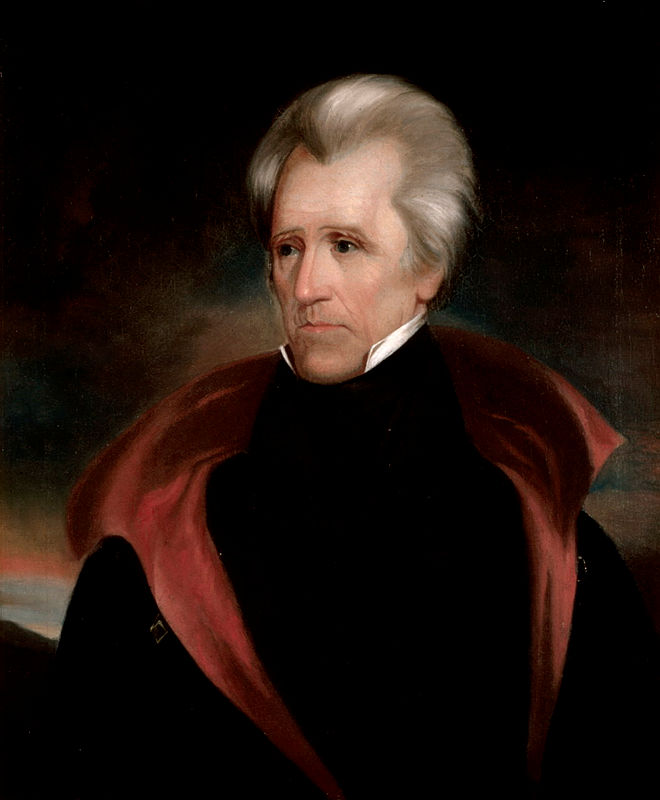
For Jackson, New Orleans launched a political career that would remake American democracy — or at least the country's definition of it. His image as the frontier soldier who had humiliated British professionals resonated for decades with voters who distrusted Eastern elites and coastal establishments. The battle also had significance for the free Black soldiers who fought in it — men who had taken up arms for a country that did not recognize their citizenship, and who would see that service forgotten within a generation as the slave system tightened its grip on the South.



| Date | January 8, 1815 |
| Location | Chalmette, south of New Orleans, Louisiana |
| American Commander | Major General Andrew Jackson |
| British Casualties | Approximately 2,000 — killed, wounded, and captured |
| American Casualties | Fewer than 100 |
| Outcome | Decisive American victory — fought after peace treaty signed |
| Treaty | Treaty of Ghent signed December 24, 1814 — 15 days earlier |
| Date | January 8, 1815 |
| Location | Chalmette, Louisiana (south of New Orleans) |