The U.S. Military: Forts, Academies, and American Armed Power
Behind every war is a vast institution that fights it. This guide steps away from the battles — covered in our guide to every U.S. war — to look at the machinery of American military power itself: the forts that guarded the coasts, the academies that trained the officers, the headquarters that command the force, and the weapons that changed what war could do.
It follows that institution from its fortifications and academies through its modern command and the arrival of the nuclear age. Each entry links to a full account.
Start here for the military as an institution - how the country built, trained, and commanded its armed forces. The sections that follow trace that story rather than the battles, which are covered in the guide to American wars.
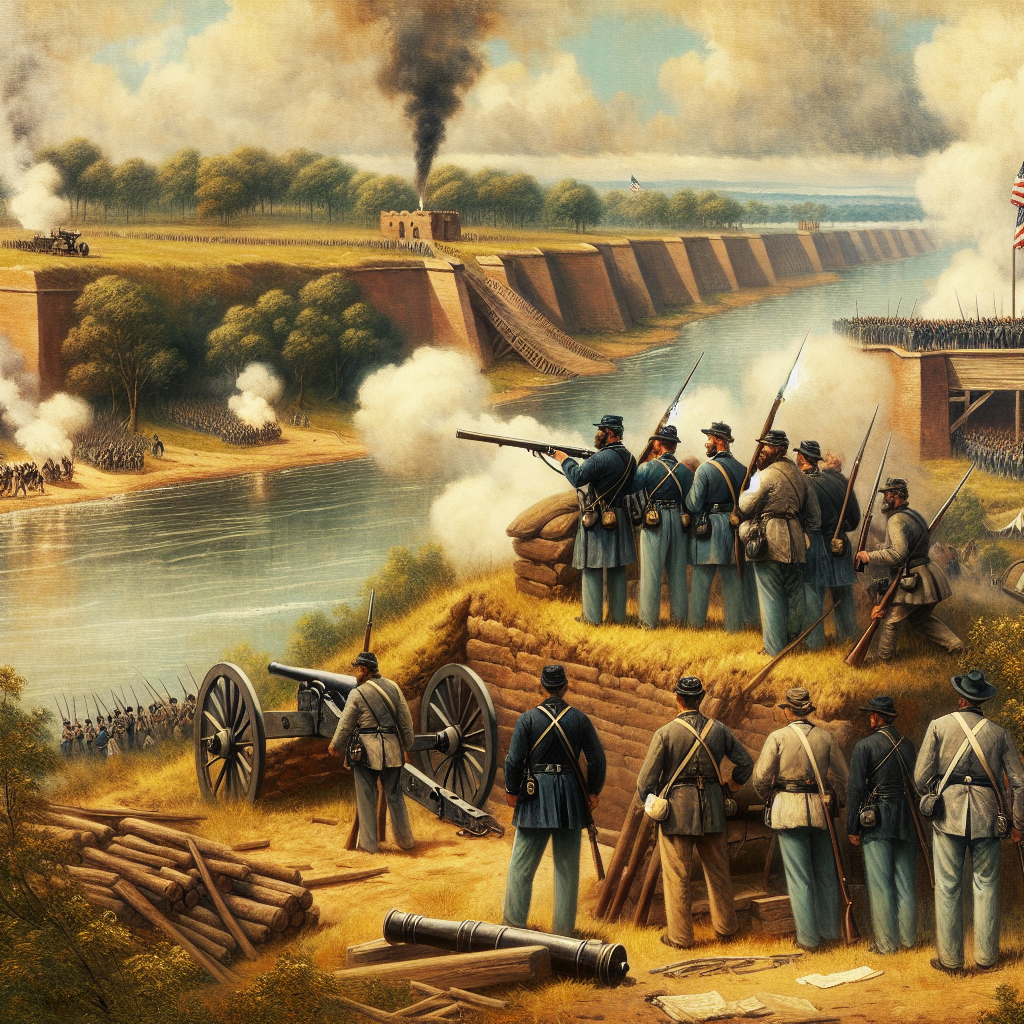
The military's footprint began with fixed defenses. These forts guarded harbors and frontiers, and some became famous less for their walls than for the events that unfolded at them.
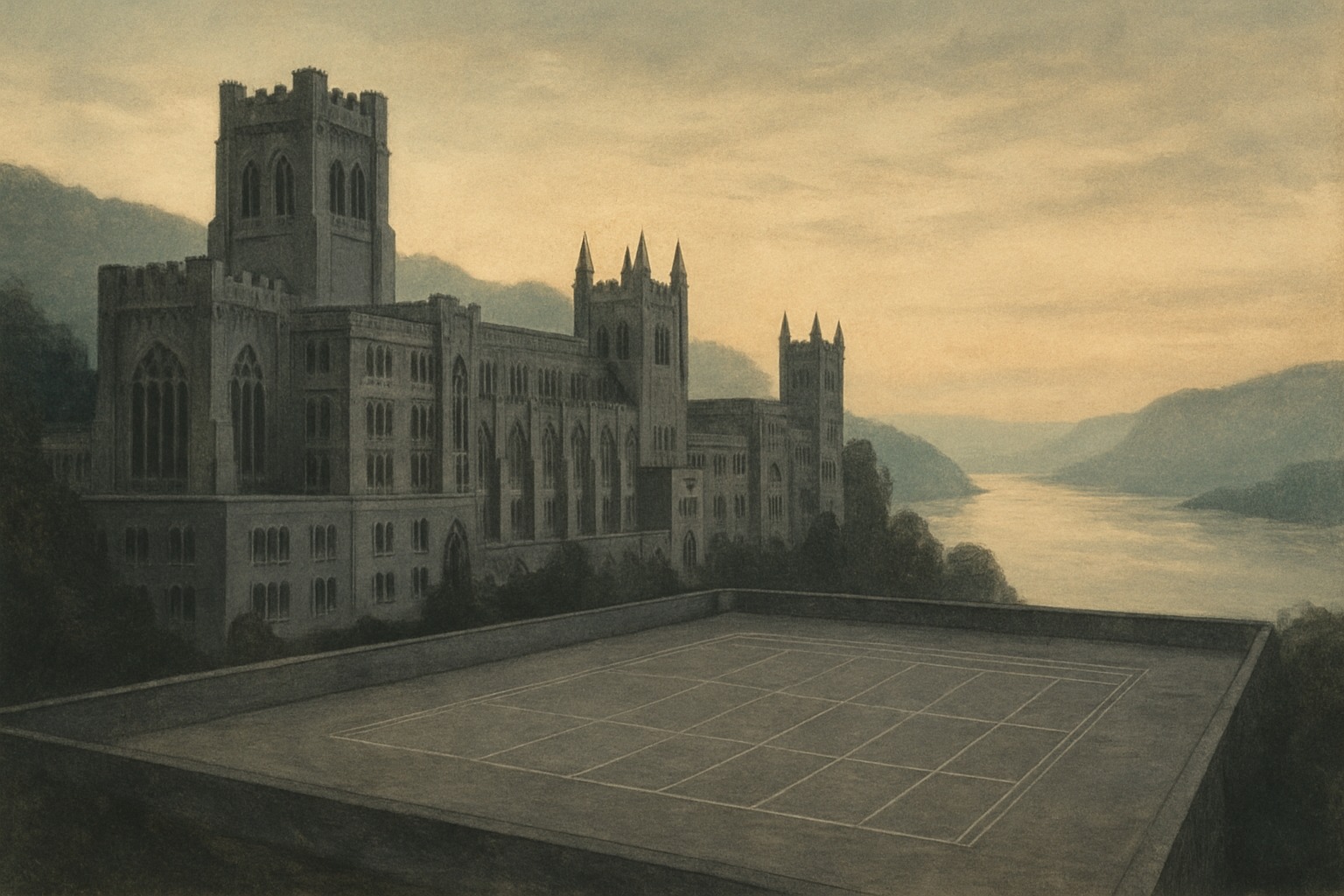
A professional officer corps had to be trained. These academies were built to produce it - the schools that have educated the country's military leadership for generations.
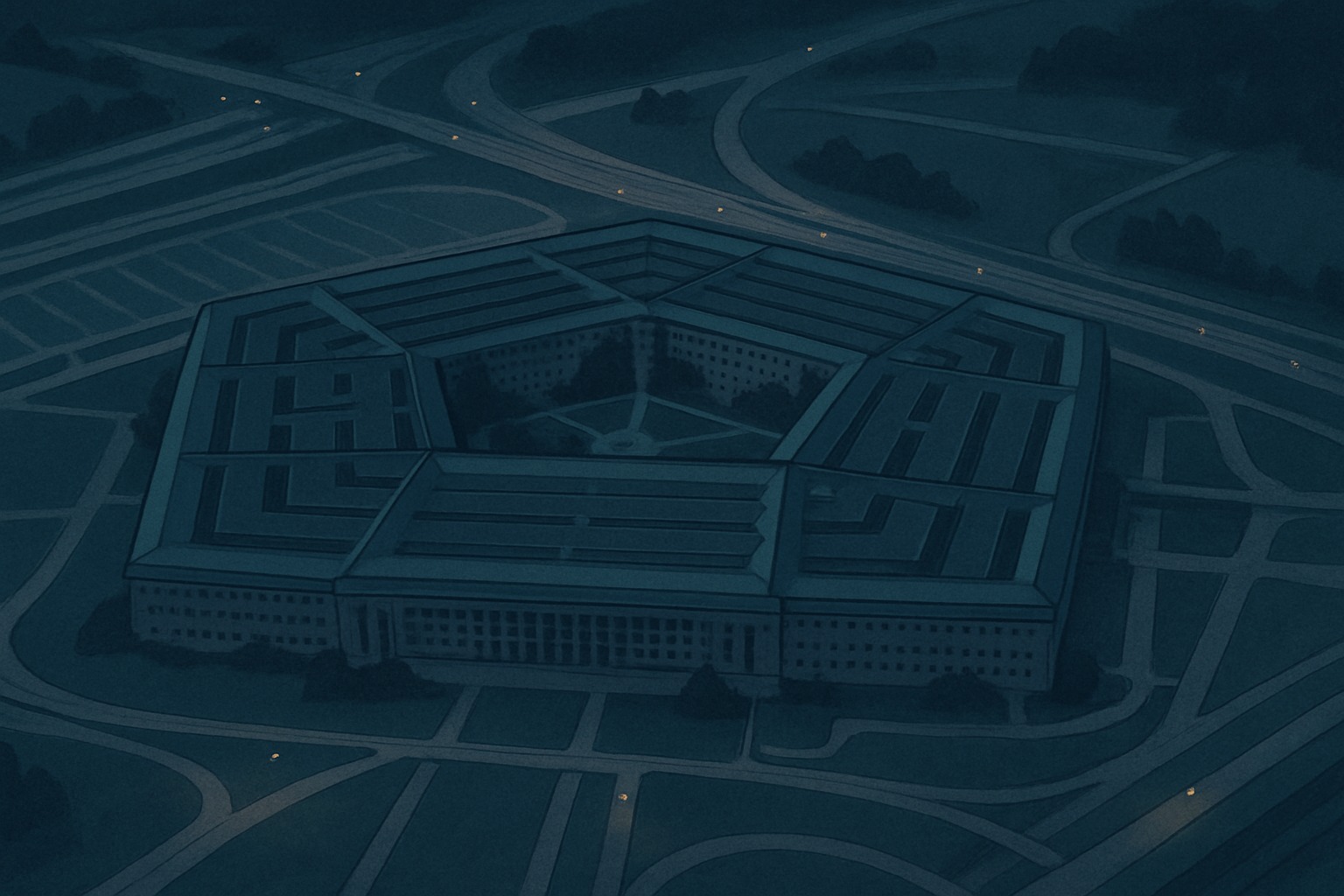
Above the services sits the apparatus that directs them. These entries cover the headquarters and the postwar reorganization that created the modern, unified defense establishment.
Some weapons did not just win battles - they changed what war is. These entries cover the developments, above all the nuclear, that transformed military strategy and the stakes of conflict itself.

The relationship between the military and the civilians it draws from has its own fraught history. These entries cover the moments where that line was tested - drafts, protests, and the uneasy meeting of soldiers and citizens.
For the wars these institutions fought, see every U.S. war and major conflict; for the rivalry that drove the nuclear age, see America and Russia.