Pre-Columbian America
When Christopher Columbus stepped onto a Bahamian beach in October 1492, the hemisphere he claimed to have discovered was home to an estimated 50 to 100 million people organized into thousands of distinct nations, language families, and political systems. The Americas had been inhabited for at least 15,000 years — likely longer — by peoples who had crossed Beringia during the last Ice Age and spread across two continents. By the time of contact, they had built cities larger than any in Europe, engineered agricultural systems that fed millions, developed independent writing traditions, and established trade networks stretching from the Andes to the Great Lakes.
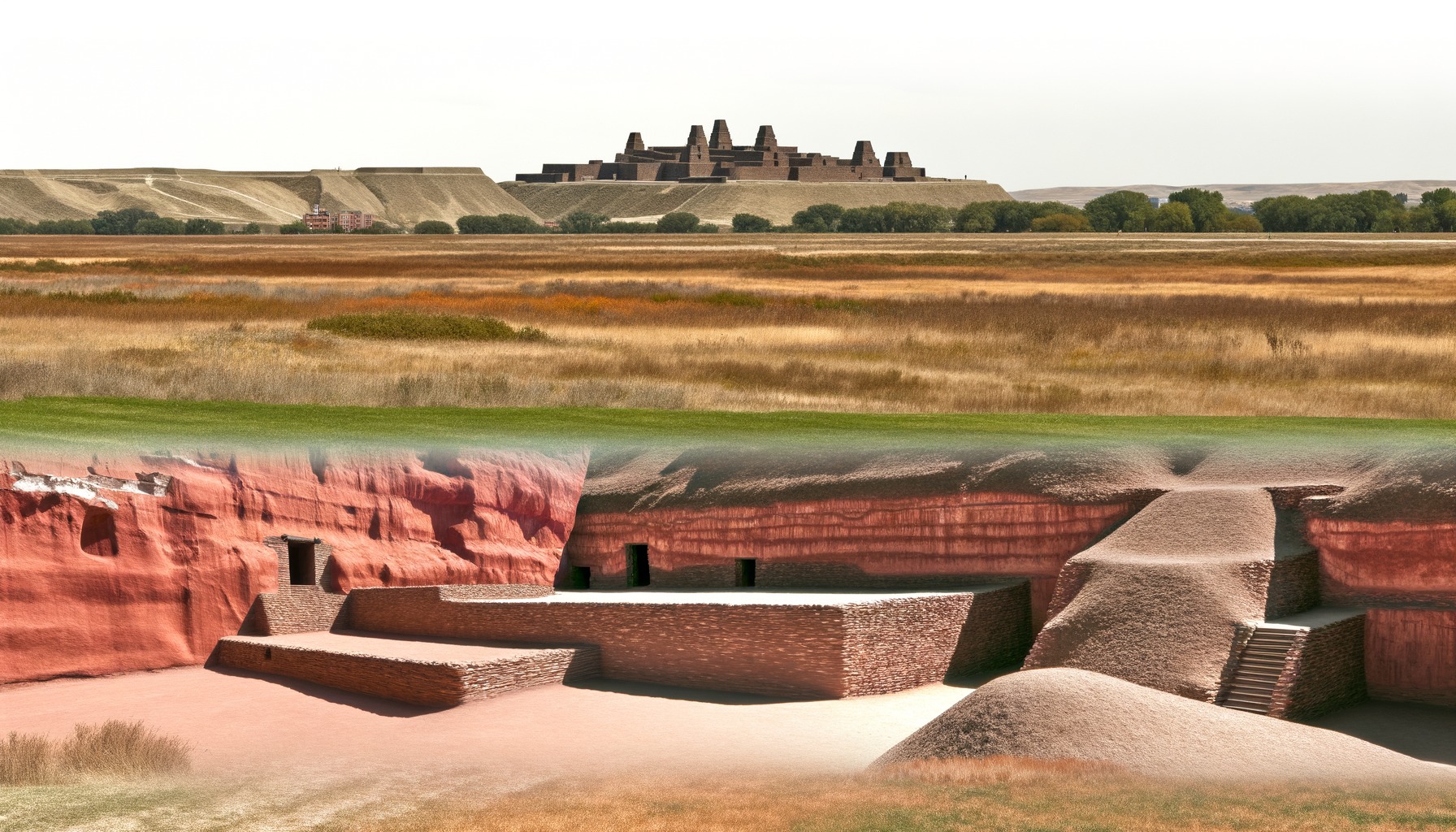
North of the Rio Grande, the Mississippian city of Cahokia housed twenty thousand people at its twelfth-century peak — more than contemporary London. The Haudenosaunee Confederacy of the Northeast governed itself through a constitution that Benjamin Franklin and other founders later studied. The Ancestral Puebloans of Chaco Canyon built astronomical observatories aligned to the lunar cycle. South of the Rio Grande, the Aztec capital of Tenochtitlan held roughly 200,000 residents, making it the largest city Europeans had ever encountered. None of this matched the later European myth of a "virgin wilderness" — an image manufactured to justify what came next.
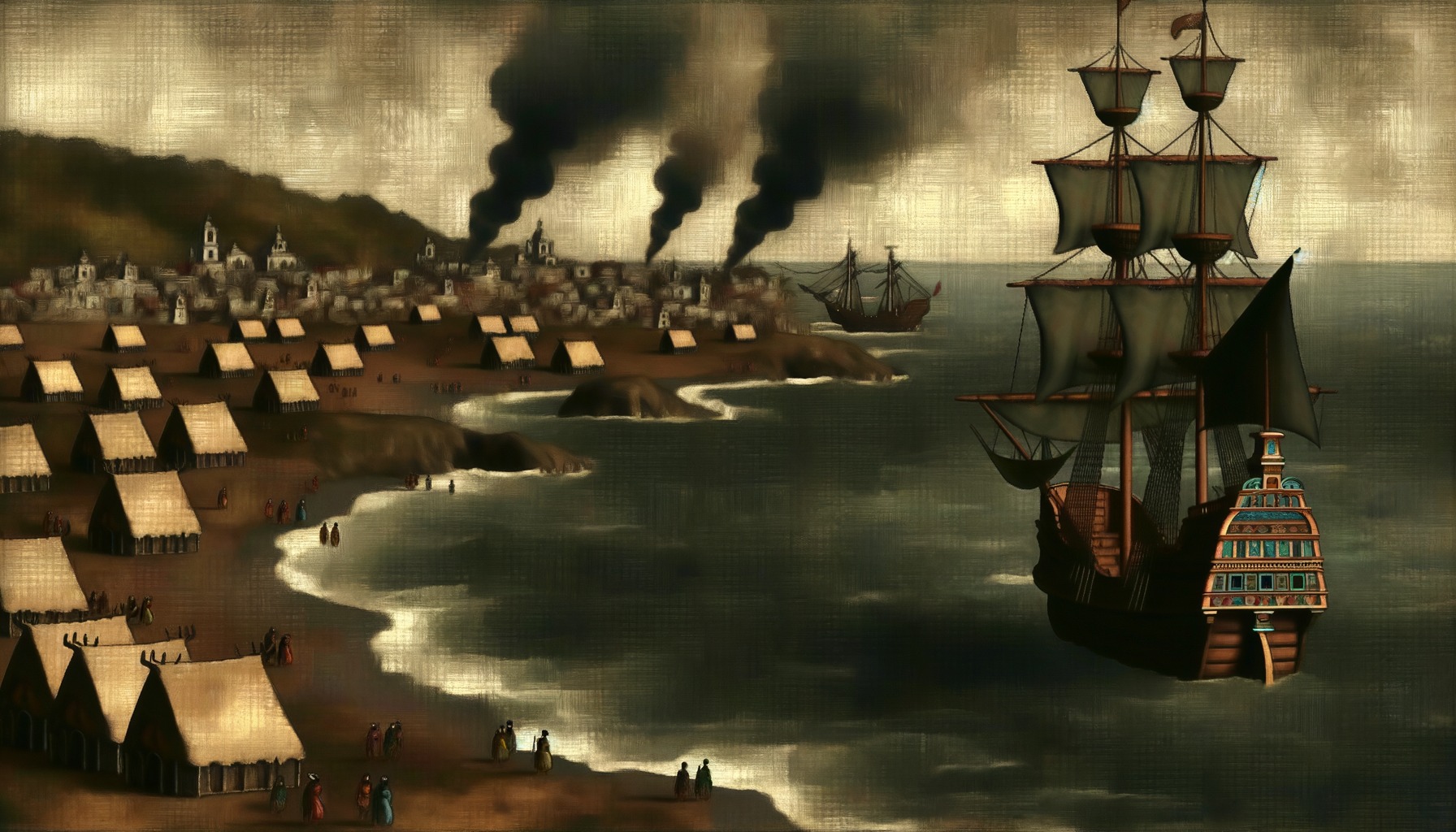
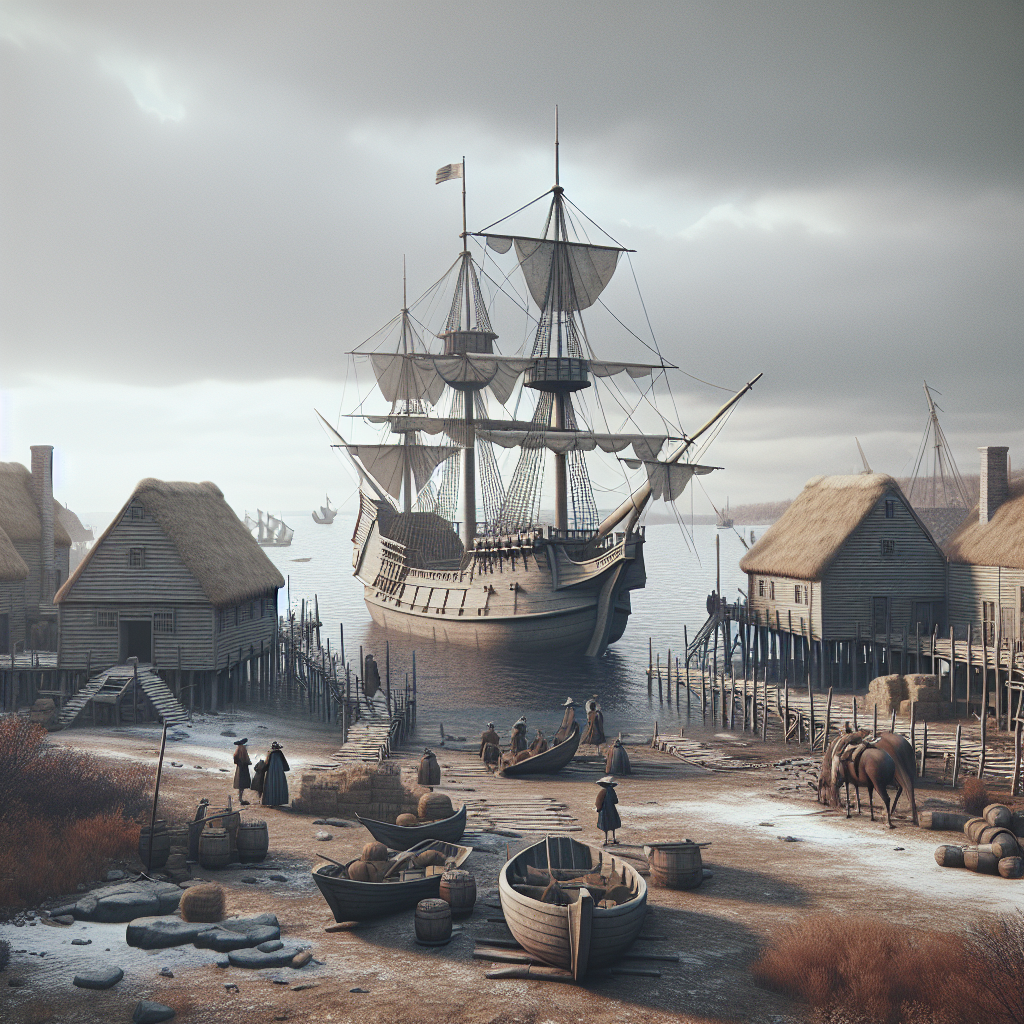
The European arrival triggered the deadliest demographic collapse in recorded history. Smallpox, measles, influenza, and a dozen other Old World diseases — to which Native Americans had no immunity — killed an estimated 80 to 95 percent of the indigenous population within 150 years. Entire civilizations vanished before Europeans even reached them. English settlers arriving at the future site of Plymouth in 1620 found cleared fields and abandoned villages, the remnants of communities erased by plague carried inland from earlier coastal contact.
The pre-Columbian erasure shaped everything that followed. Settlers' insistence that the continent was "empty" or "wild" was not naïve observation — it was the foundation of every legal, religious, and political claim to land that the United States would eventually inherit. Modern archaeology, genetic research, and indigenous oral history have spent the past century rebuilding what was destroyed: not a wilderness, but a hemisphere already shaped by human civilization on a scale most early Americans were never taught to imagine.
| Duration | c. 13,000 BCE – 1491 CE (15,000+ years) |
| Population at contact | Estimated 50–100 million in the Americas |
| Largest city | Tenochtitlan, ~200,000 residents |
| Largest in North America | Cahokia, ~20,000 residents at its peak |
| Language families | 300+ distinct languages at contact |
| Major civilizations | Aztec, Maya, Inca, Mississippian, Ancestral Puebloan, Haudenosaunee |
| End of era | European contact, 1492 |
| Date | c. 13,000 BCE – 1491 CE |
| Location | The Americas |