Hugo Black
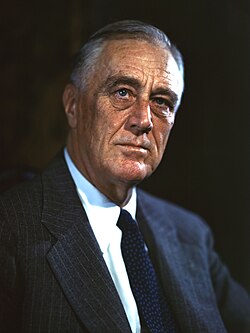
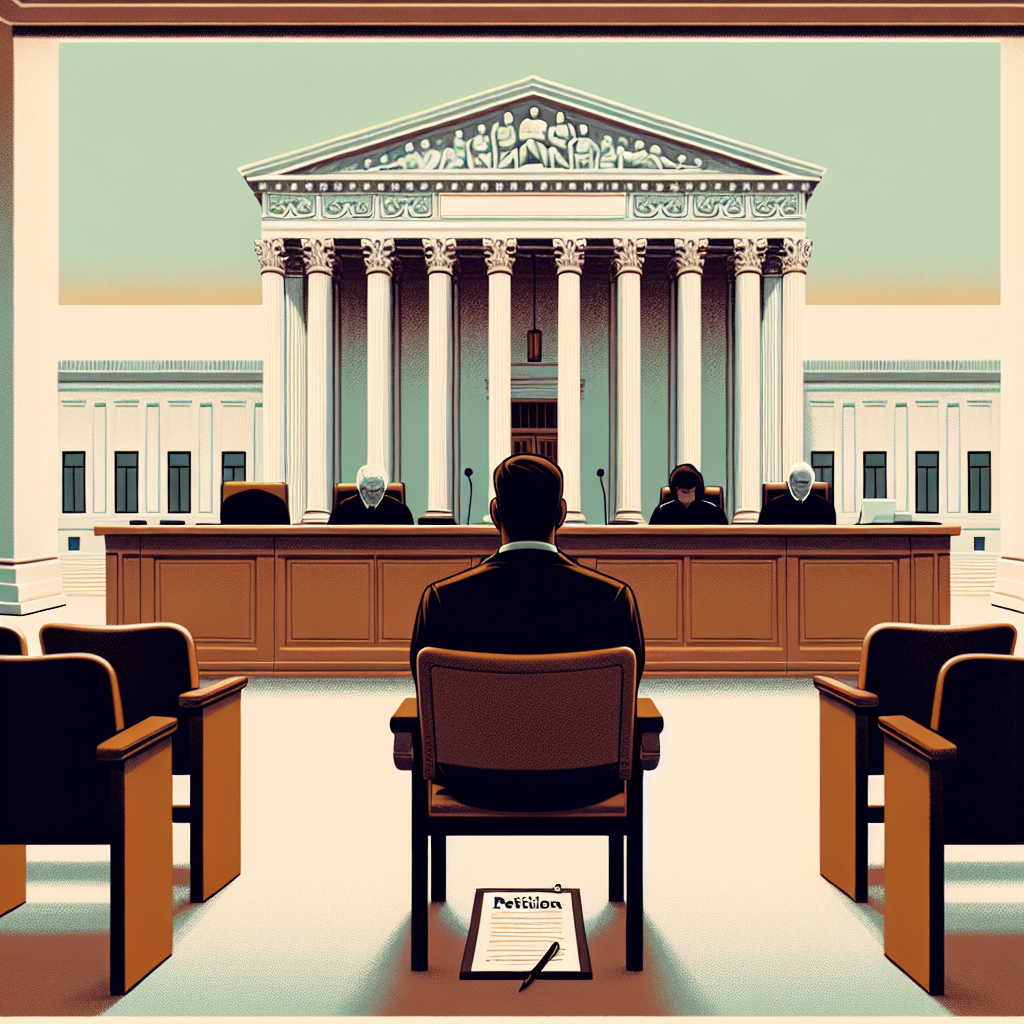
Hugo Black grew up poor in rural Alabama, practiced law in Birmingham, and won a seat in the U.S. Senate in 1926, where he became one of the most aggressive New Dealers, pushing a thirty-hour work week and leading investigations of lobbyists. When Franklin Roosevelt needed a reliable vote after the defeat of his court-packing plan, he made Black his first appointment, in August 1937.
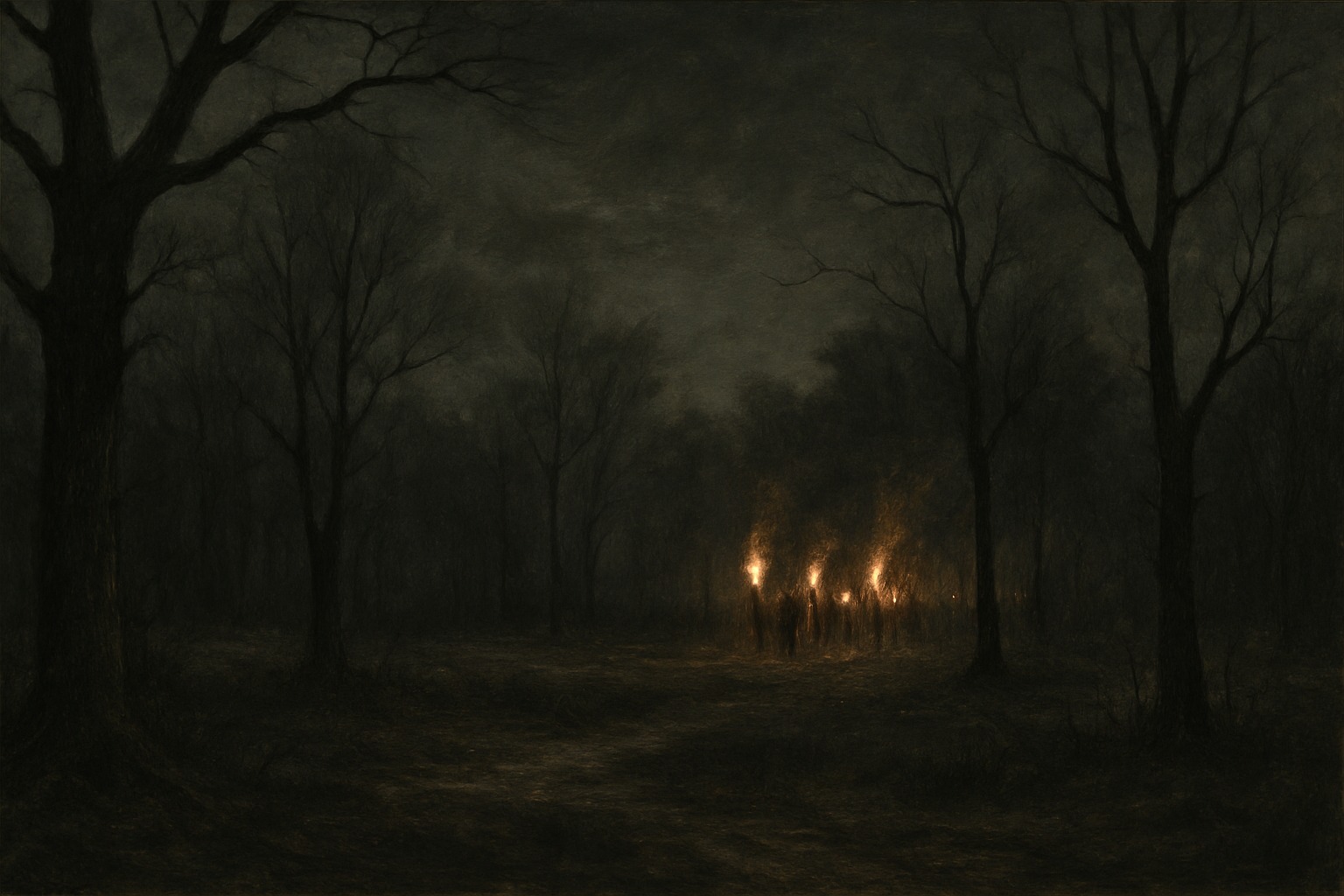
Weeks after his confirmation, the Pittsburgh Post-Gazette revealed that Black had joined the Ku Klux Klan in 1923, at a time when it was a powerful force in Alabama politics, and had resigned in 1925. The reporter won a Pulitzer Prize. Black went on national radio, acknowledged the membership, said he had long since resigned, and refused to discuss it further. He served for thirty-four years, one of the longest tenures in the Court's history.
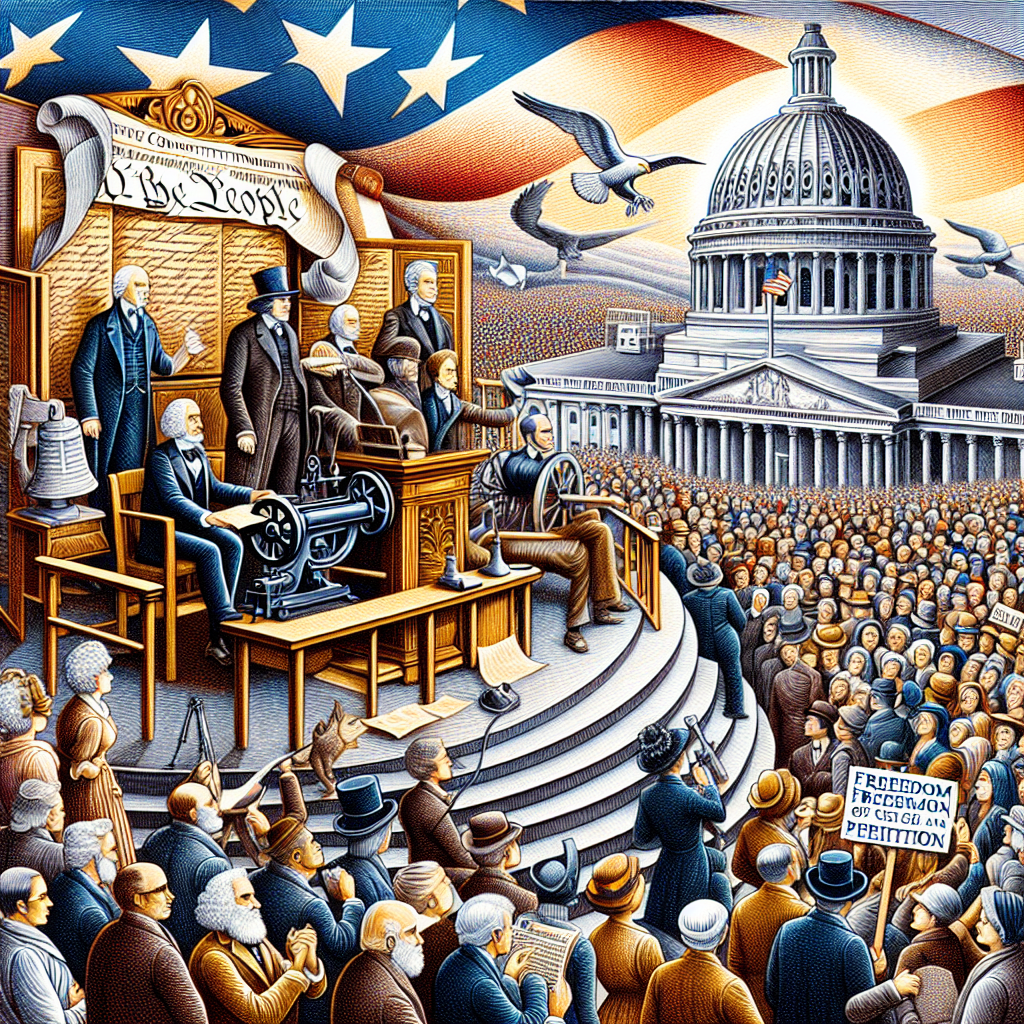
Black carried a dog-eared copy of the Constitution in his coat pocket and read it literally. When the First Amendment said Congress shall make no law, he insisted, it meant no law. He argued that the Fourteenth Amendment made the entire Bill of Rights binding on the states, and while the Court never fully adopted his view, it applied most of the guarantees one by one. He wrote the opinions in Everson v. Board of Education, describing a wall of separation between church and state, in Engel v. Vitale, and in Gideon v. Wainwright.
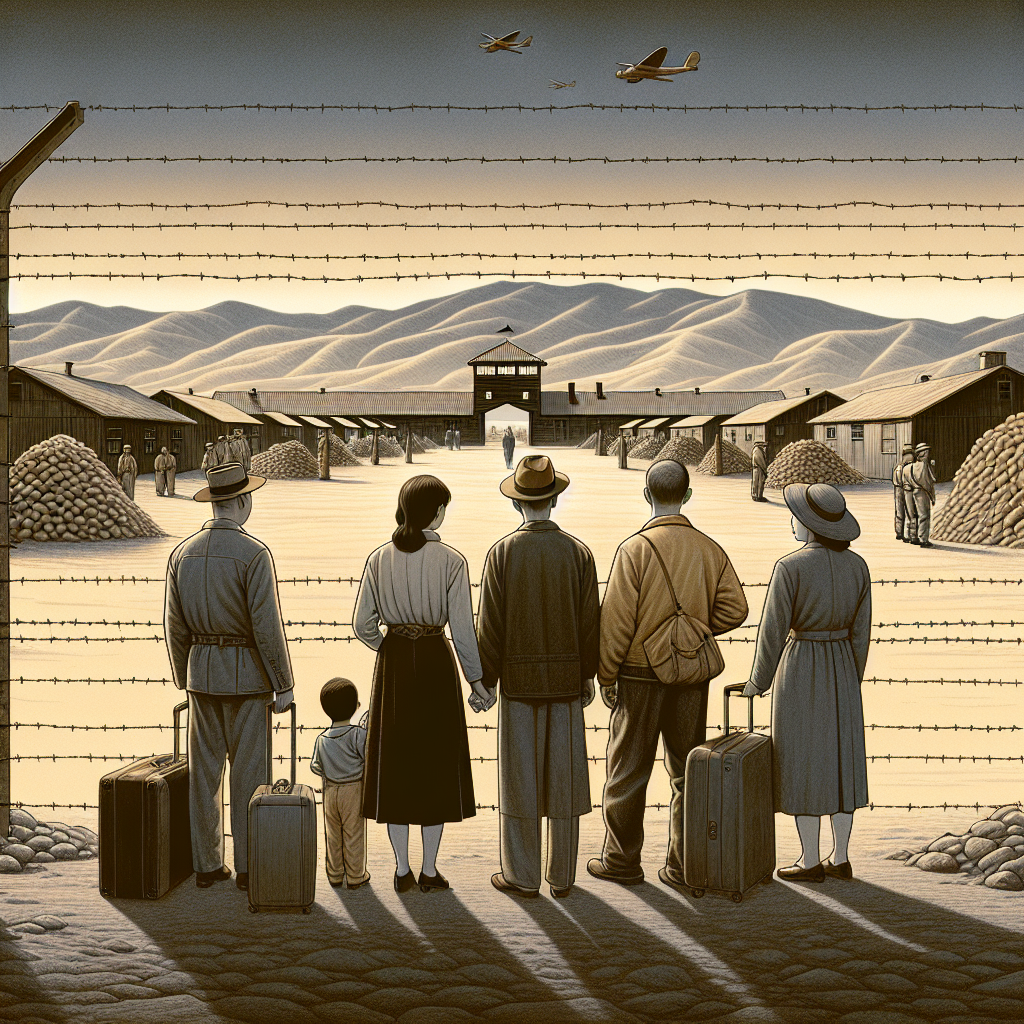
The same literalism made him hard to classify. He wrote the majority opinion upholding the internment of Japanese Americans in Korematsu, the decision that has most damaged his reputation. In the 1960s he dissented when the Court found a right of privacy in Griswold and when it protected students' armbands in Tinker, arguing that neither was in the text. He retired days before his death in September 1971.
| Served | Associate Justice, 1937–1971 |
| Appointed by | Franklin D. Roosevelt, his first nominee |
| Before the Court | U.S. senator from Alabama, 1927–1937 |
| Controversy | Klan membership in the 1920s, revealed after confirmation |
| Philosophy | Textual literalism, total incorporation of the Bill of Rights |
| Key opinions | Korematsu, Everson, Engel, Gideon |
| Date | 1886–1971 (Justice 1937–1971) |