Tinker v. Des Moines
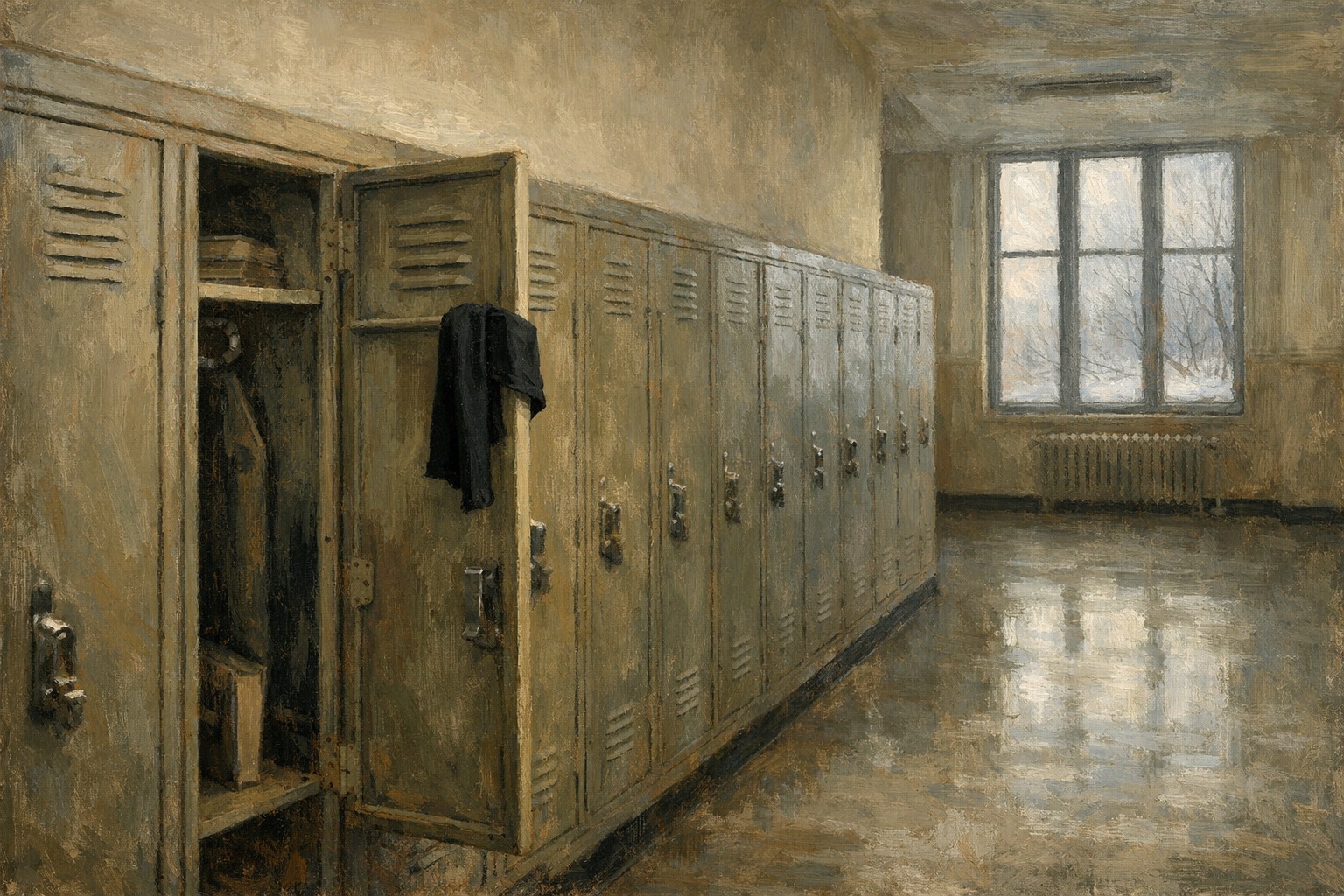
In December 1965 a group of students and parents in Des Moines, Iowa, decided to wear black armbands to school to mourn the dead in Vietnam and support a Christmas truce. Principals heard about the plan and quickly banned the armbands. Mary Beth Tinker, thirteen, her brother John, fifteen, and their friend Christopher Eckhardt, sixteen, wore them anyway and were sent home until they agreed to come back without them. They returned after New Year's Day, when the protest had been planned to end.
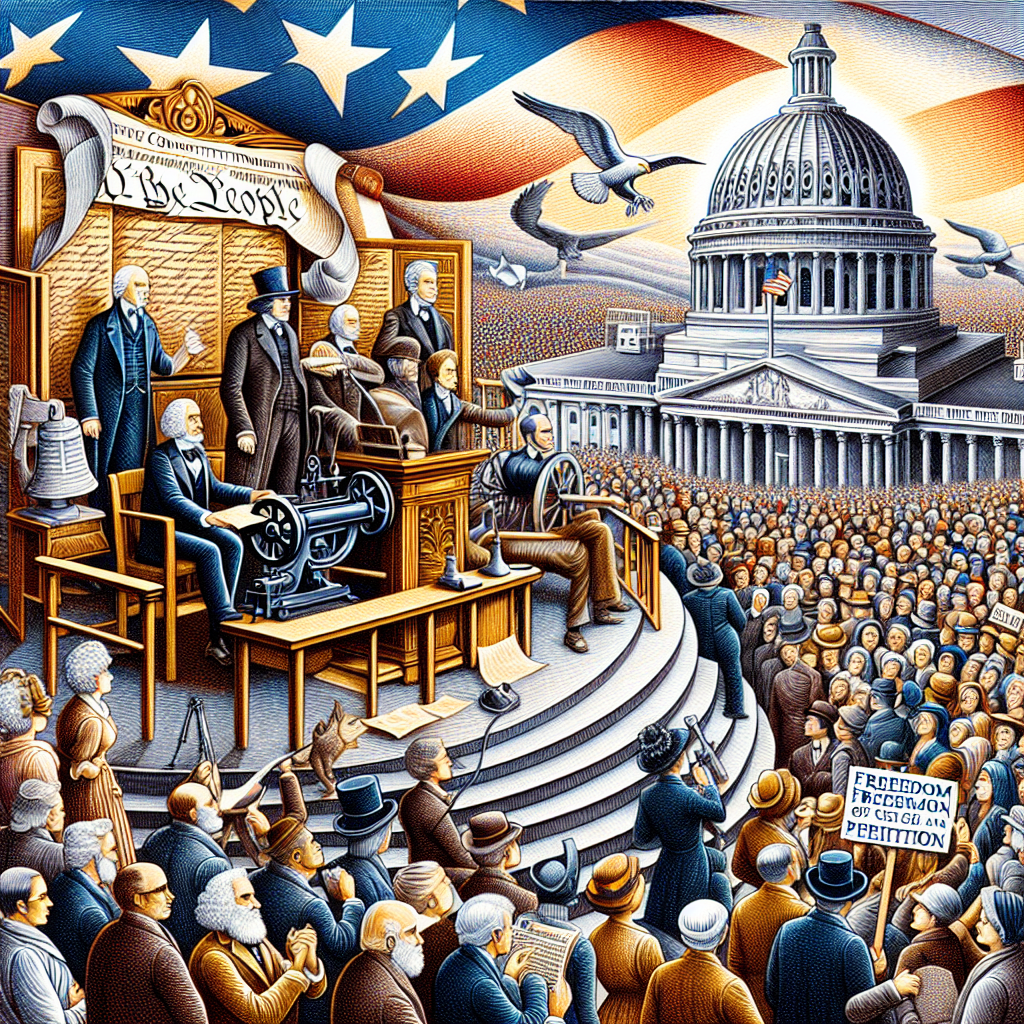
Their families sued with the help of the American Civil Liberties Union. Lower courts upheld the school district. On February 24, 1969, the Supreme Court reversed seven to two. Justice Abe Fortas wrote that it could hardly be argued that either students or teachers shed their constitutional rights to freedom of speech or expression at the schoolhouse gate.
The armbands, he said, were silent, passive expression, unaccompanied by any disorder or disturbance. A school could restrict student speech only if it would materially and substantially disrupt classwork or invade the rights of others, and an undifferentiated fear of disturbance was not enough. Justice Hugo Black dissented sharply, warning of a new revolutionary era of permissiveness in which students would run the schools.
Tinker remains the starting point for student speech law, though later Courts have narrowed it, allowing schools to discipline lewd speech, to control school-sponsored newspapers, and to punish a banner that seemed to promote drug use. In 2021 the Court held that a cheerleader could not be punished for a profane social media post made off campus. Mary Beth Tinker spent much of her later life traveling to schools to talk about the case.


| Citation | 393 U.S. 503 (1969) |
| Decided | February 24, 1969 |
| Vote | 7 to 2 |
| Opinion | Justice Abe Fortas |
| Students | Mary Beth Tinker, John Tinker, and Christopher Eckhardt |
| Test | Material and substantial disruption |
| Date | Decided February 24, 1969 |