The Ku Klux Klan
The white-supremacist terror movement that rose, fell, and rose again
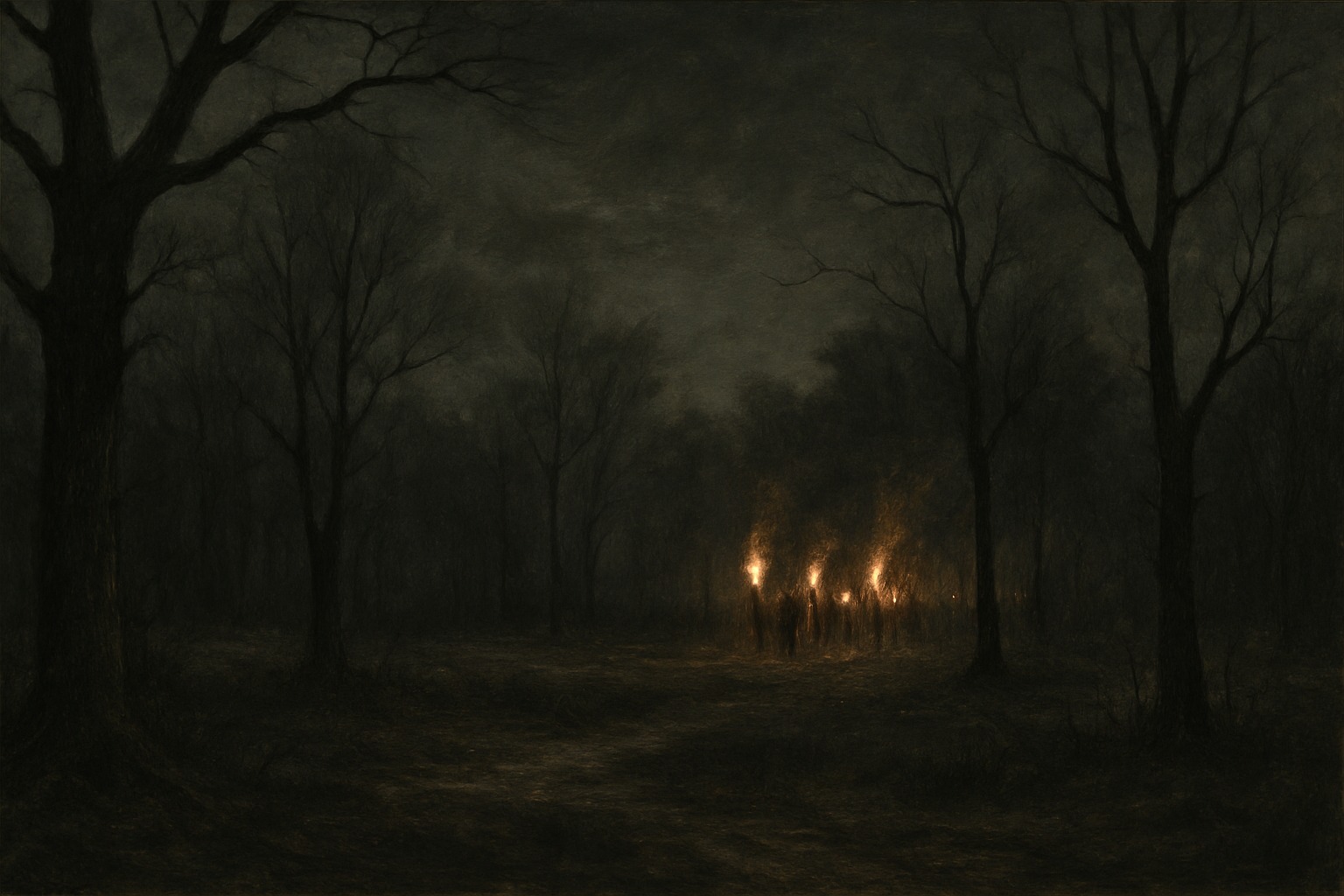
The Ku Klux Klan is the longest-lived terrorist movement in American history, and it has been reborn three times to serve the same purpose: the defense of white supremacy through violence and fear. It began in 1865 in Pulaski, Tennessee, formed by Confederate veterans in the wreckage of their defeat. What started as a secret fraternity quickly became a paramilitary campaign of terror against freed Black Americans and the Reconstruction governments trying to secure their rights.
The first Klan aimed to overthrow Reconstruction by force. Its night riders whipped, burned, and murdered Black citizens and their white allies, targeting Black voters, officeholders, and schoolteachers to drive them from public life. The federal government struck back with the Enforcement Acts, including the Ku Klux Klan Act of 1871, and prosecutions broke the organization by the mid-1870s. But its larger aim was achieved anyway, as the collapse of Reconstruction and the rise of Jim Crow accomplished through law what the Klan had pursued through terror.
The Klan roared back in 1915, revived by the romanticized portrayal in the film The Birth of a Nation and by anxieties over immigration and social change. This second Klan grew into a mass movement of millions, spreading far beyond the South and broadening its hatreds to include Catholics, Jews, and immigrants alongside Black Americans. Its influence reached into state politics before scandal and internal corruption collapsed it in the late 1920s.
A third Klan surged in the 1950s and 1960s to resist the civil rights movement, carrying out bombings and murders — among them the killing of civil rights workers and the bombing of a Birmingham church that killed four Black girls. Federal prosecution and public revulsion pushed it to the fringes, where it has since fractured into scattered groups. Across all its incarnations, the Klan has stood as the enduring emblem of organized racial terror in American life.