Dallas
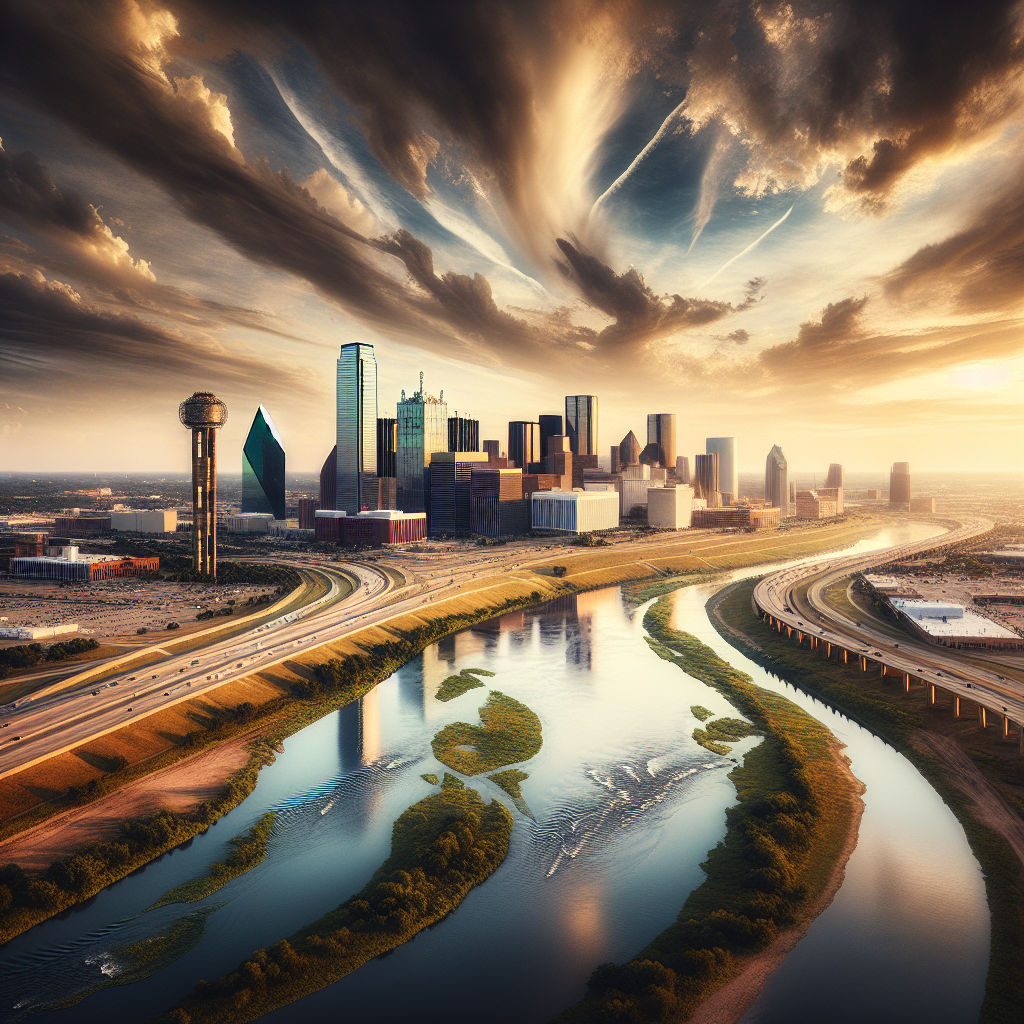
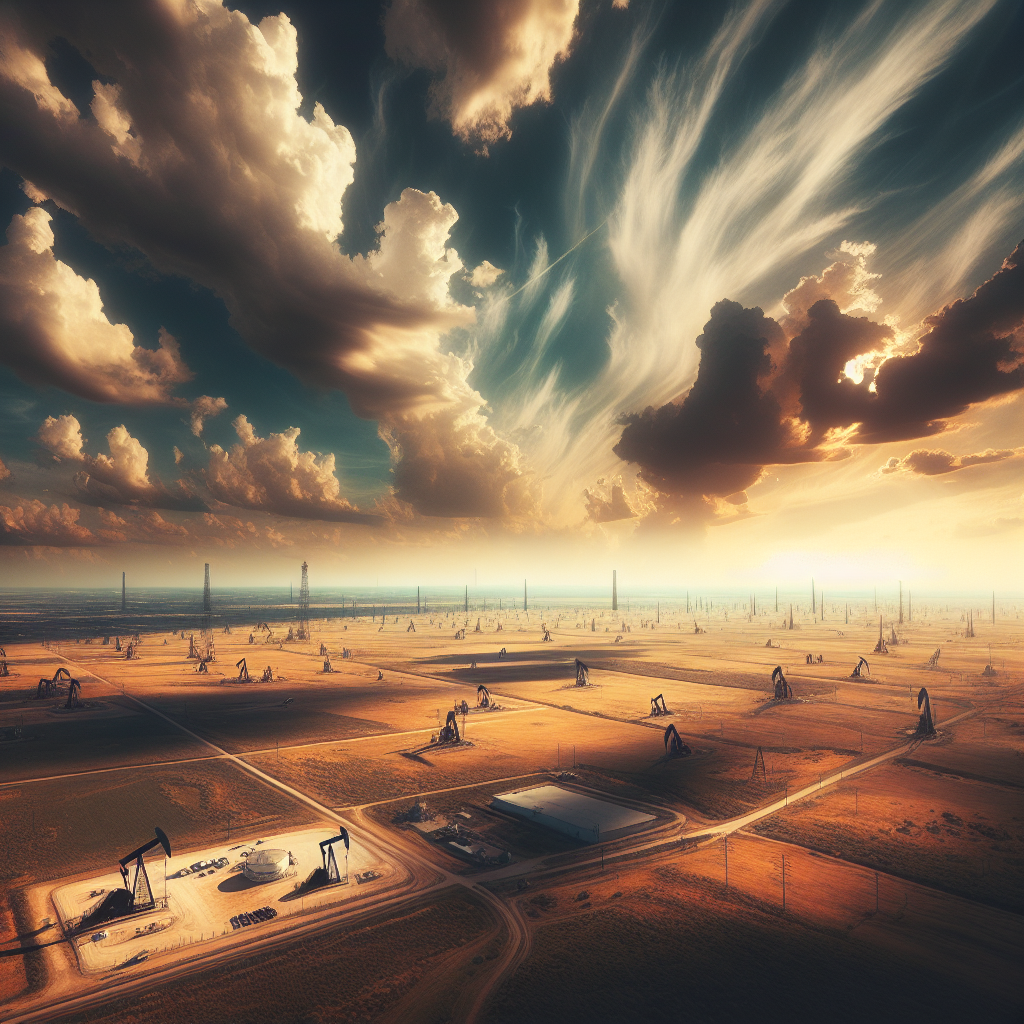
Dallas has no geographic logic. It sits on a flat prairie with no navigable river, no natural harbor, no mineral wealth beneath its immediate soil, and no obvious reason to be larger than a market town. It became one of the largest cities in the United States through a combination of railroad connections, cotton trading, the oil business, and an extraordinary civic energy that treated growth as a moral imperative. By the mid-20th century it was the financial and commercial hub of the Southwest, a city that embodied the booster optimism of the Sun Belt with an intensity that older, eastern cities found baffling.
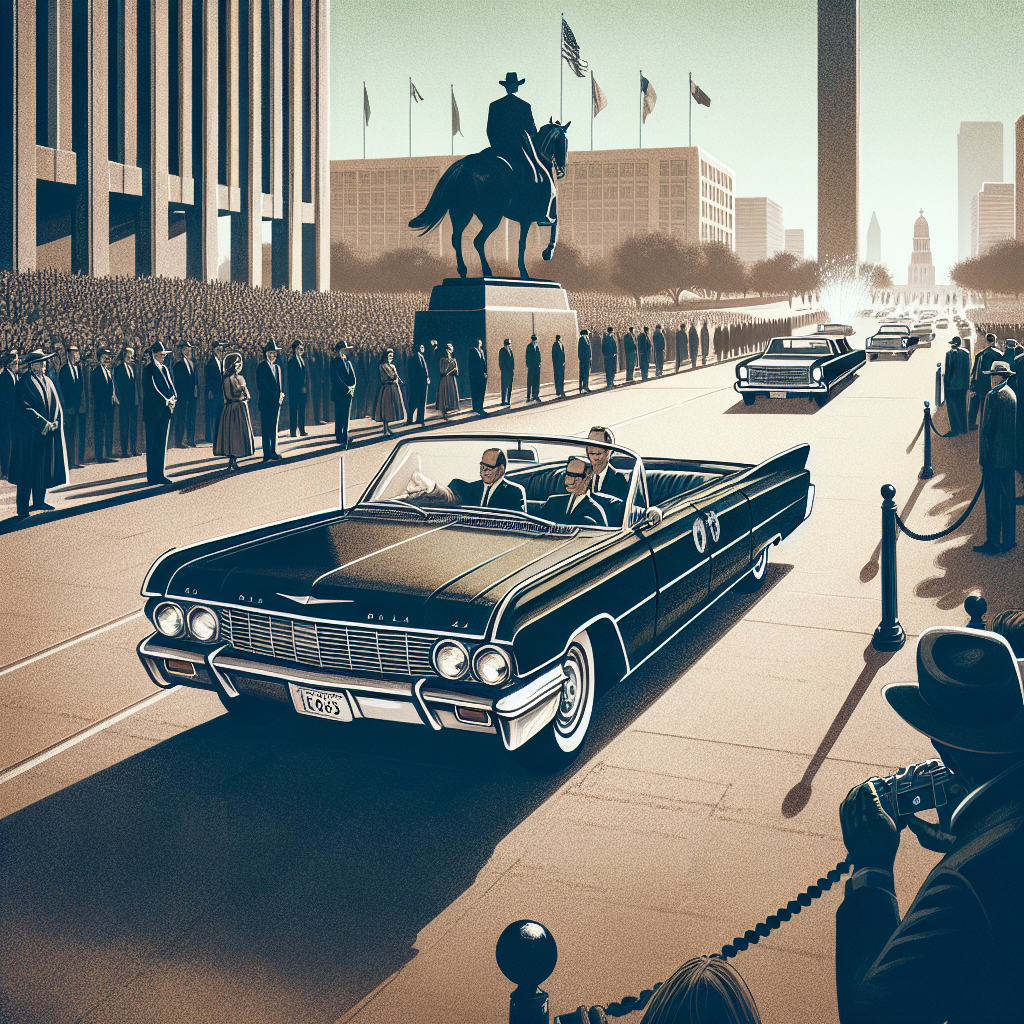
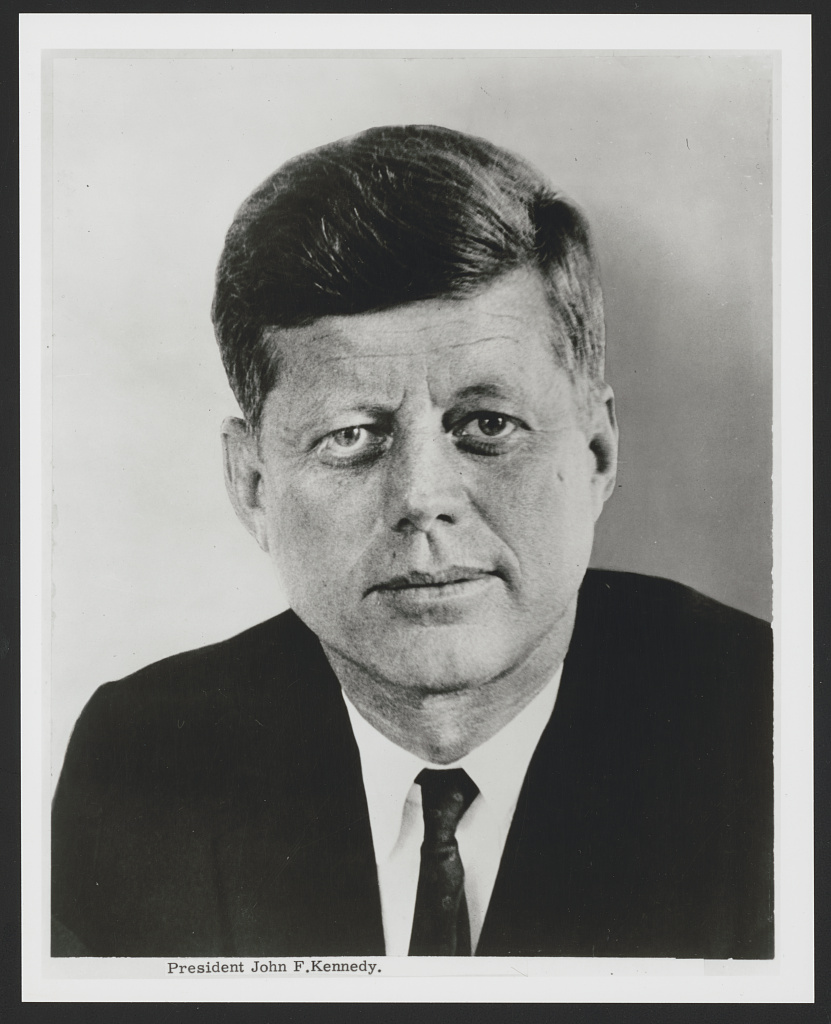
On November 22, 1963, President John F. Kennedy was shot and killed while riding in a motorcade through Dealey Plaza in downtown Dallas. Lee Harvey Oswald was arrested that afternoon and shot dead by Jack Ruby two days later in the basement of Dallas Police Headquarters, before he could be tried. The assassination and its chaotic aftermath produced a trauma from which the city took decades to fully emerge — Dallas was widely blamed in the immediate aftermath for its political climate, which had been hostile to Kennedy, and the city's image was bound to the event for a generation.
The modern Dallas-Fort Worth metroplex is the fourth-largest metropolitan area in the United States, a sprawling complex of suburbs, corporate headquarters, and the world's fourth-busiest airport. The oil and gas industry that made Dallas wealthy remains significant, but the city's economic base has diversified into finance, technology, and telecommunications. The Sixth Floor Museum at Dealey Plaza, which occupies the former Texas School Book Depository from which Oswald fired, draws nearly 400,000 visitors a year — more than any other site in Dallas, because no fact about the city is more consequential than what happened there on a November afternoon in 1963.
| Founded | 1841 |
| State | Texas |
| JFK assassination | November 22, 1963 — Dealey Plaza, downtown Dallas |
| Key museum | Sixth Floor Museum at Dealey Plaza — former Texas School Book Depository |
| Economy | Oil and gas; finance; technology; telecommunications |
| Airport | Dallas/Fort Worth International — fourth busiest in the world |
| Population | Approximately 1.3 million city; 7.6 million metro (2020) |
| Years | 1841 |
| Location | Dallas, Texas |