Texas

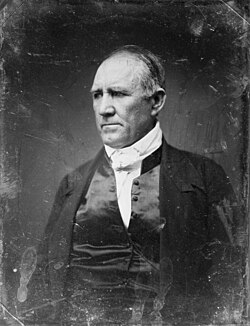
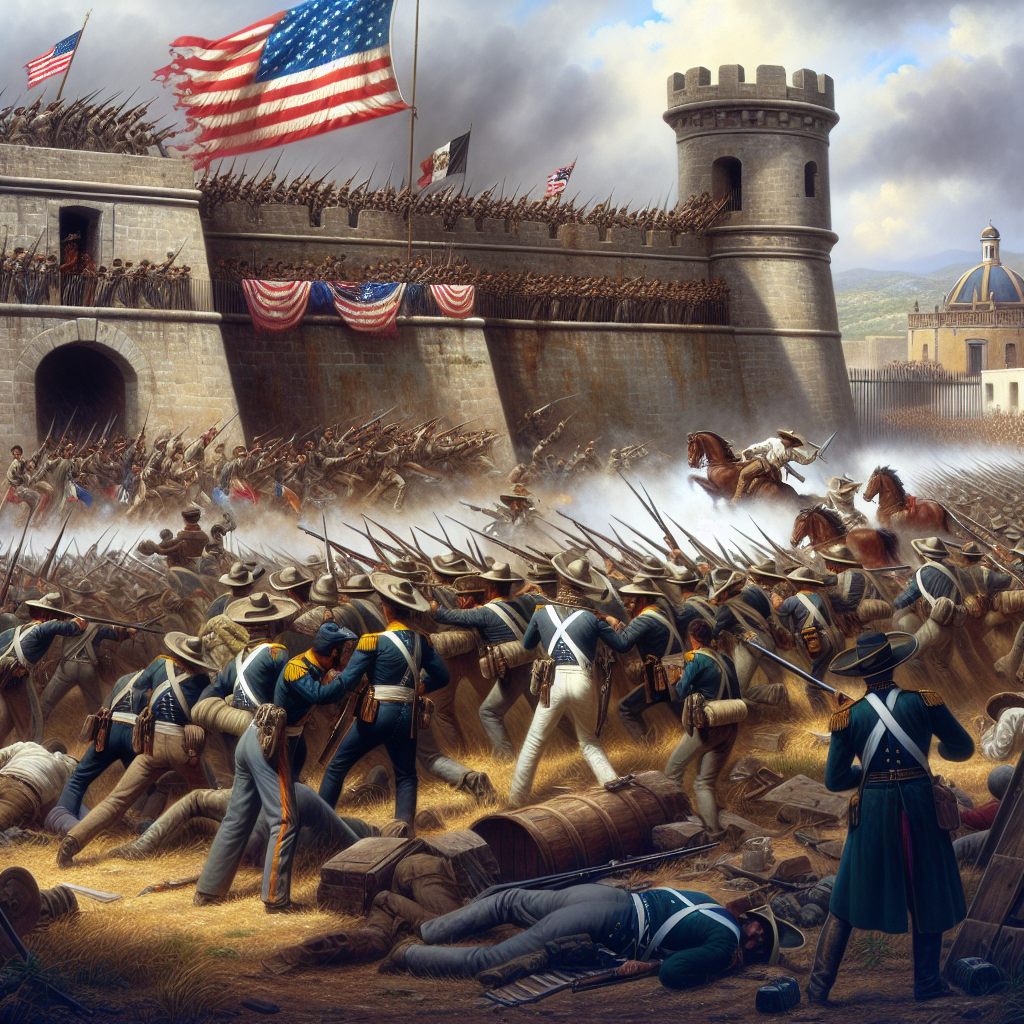
Texas has always operated at a scale that resists normal description. It was an independent republic before it was an American state — the Republic of Texas existed for nine years after winning independence from Mexico at San Jacinto in 1836, with Sam Houston as its president. When it joined the United States in 1845, it brought with it a founding mythology of frontier independence and armed self-reliance that has shaped its political culture ever since. The annexation also triggered the Mexican-American War, which delivered to the United States a third of the North American continent and set off the sectional crisis that led directly to the Civil War.
Texas seceded from the Union in 1861 and supplied the Confederacy with men, cattle, and cotton throughout the war. After Reconstruction, the cattle drives north from Texas ranches along the Chisholm Trail created the cowboy culture that became the dominant mythology of the American West. The Spindletop oil strike of 1901 near Beaumont transformed Texas into an energy empire — by mid-century it was producing more oil than any other state and had developed the political infrastructure, particularly its congressional delegation's grip on energy policy, to protect that position for generations.
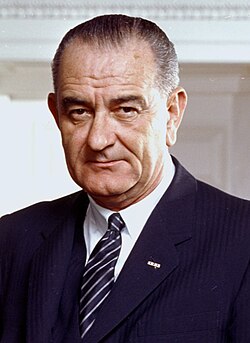
Modern Texas is the country's second-largest state by both population and area, home to four of the ten largest American cities, and one of the fastest-growing states in the country. Its political identity — deeply conservative at the statewide level, increasingly competitive in its major urban areas — mirrors the national polarization in compressed form. Two presidents have called Texas home: Dwight Eisenhower, born in Denison, and Lyndon Johnson, who shaped the Great Society from his Hill Country ranch and is buried there.

| Capital | Austin |
| Admitted | December 29, 1845 (28th state) |
| Nickname | Lone Star State |
| Republic of Texas | Independent 1836–1845; Sam Houston, first president |
| Key resource | Oil — Spindletop strike, 1901 |
| Presidents from | Dwight D. Eisenhower (born); Lyndon B. Johnson (adopted) |
| Area | 268,596 square miles — second largest state |
| Population | Approximately 29.1 million (2020 census) |
| Years | 1845 |
| Location | Austin, Texas |