William Henry Harrison
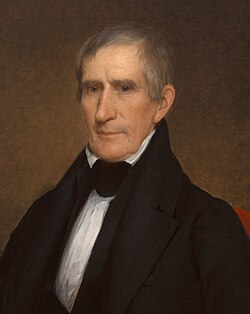
On a raw March day in 1841, William Henry Harrison delivered the longest inaugural address in American presidential history — nearly two hours in bitter cold, without a hat or coat. Thirty-one days later, he was dead. The hero of the Battle of Tippecanoe, who had built a political career on frontier toughness, succumbed to pneumonia, setting in motion a constitutional crisis no one had planned for.
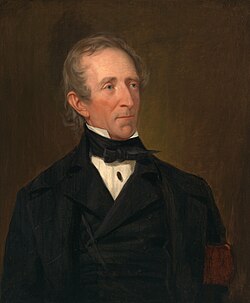
Harrison's brief presidency was less significant than what followed it. His death forced the nation to confront a glaring omission in the Constitution: what exactly did "the Powers and Duties" of the presidency transfer to the Vice President? John Tyler's insistence that he was fully president — not acting president — established the succession precedent that governed the republic for the next 125 years. Harrison's greatest contribution to American history may have been dying.
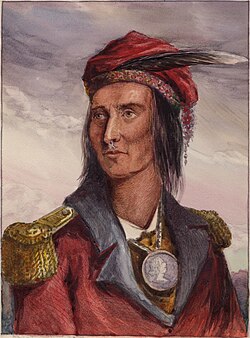
Before politics, Harrison served as governor of the Indiana Territory and became a national hero at the Battle of Tippecanoe in 1811, where his forces defeated a confederacy organized by Tecumseh's brother. His "Tippecanoe and Tyler Too" campaign of 1840 was a masterclass in image-making — presenting a 67-year-old general as a rough-hewn frontier hero to a public that wanted one.
| Born | February 9, 1773 — Charles City County, Virginia |
| Died | April 4, 1841 — Washington, D.C. |
| Party | Whig |
| Term | March 4, 1841 – April 4, 1841 |
| Days in Office | 31 |
| Cause of Death | Pneumonia (possibly enteric fever) |
| Succeeded by | John Tyler |
| Years | 1773–1841 |
| Location | Washington, D.C. |