Affirmative Action
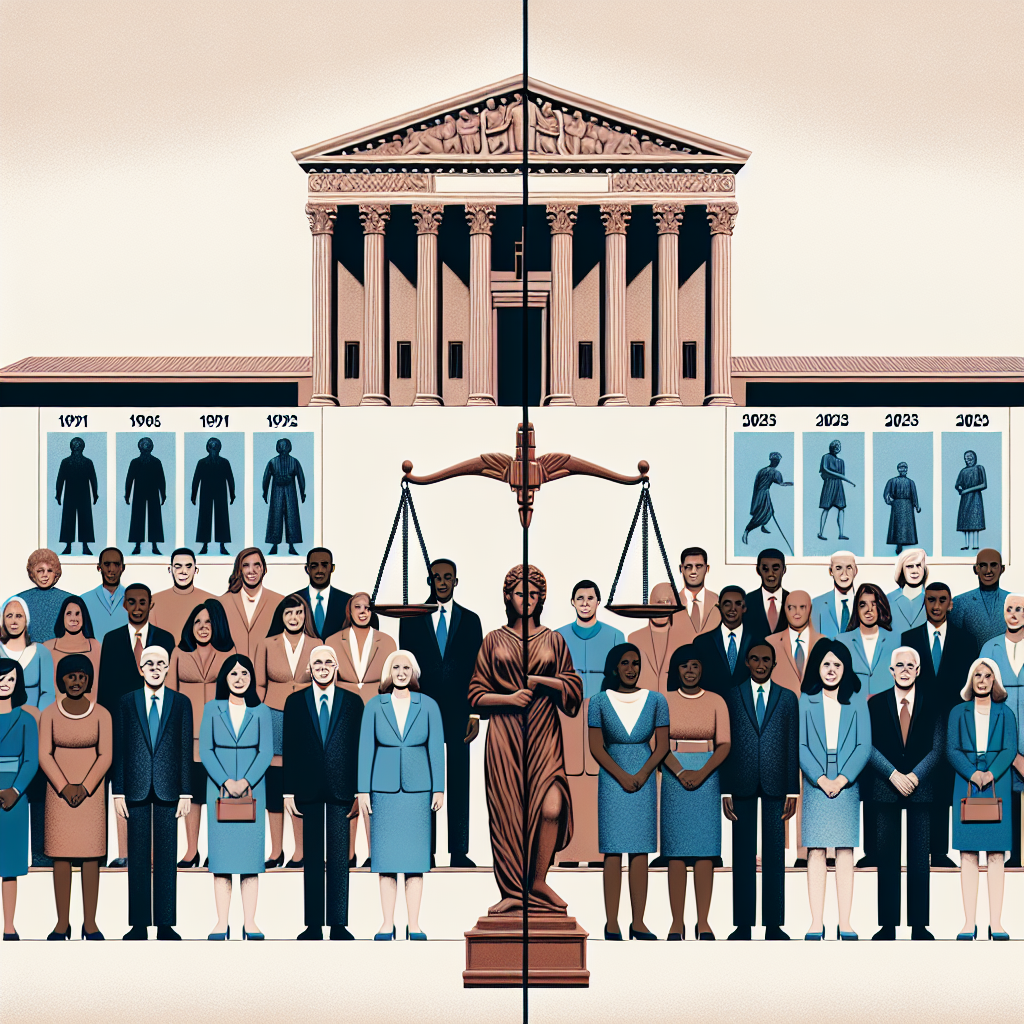
The phrase "affirmative action" entered federal policy in Executive Order 10925, signed by President Kennedy in March 1961, which required federal contractors to take "affirmative action" to ensure employees were treated without regard to race, creed, or national origin. It was not yet a system of preferences but an instruction to act deliberately rather than passively — to do something positive, rather than merely stop doing something harmful. The concept expanded over the following decade into a set of practices that included numerical goals, targeted outreach, and in some cases preferential consideration in hiring and university admissions, as the government grappled with the gap between legal equality and actual equality.
Affirmative action's most contested application has been in higher education, where universities from the 1970s onward used race as one factor in evaluating applicants to build more diverse student bodies. The Supreme Court's 1978 decision in Regents of the University of California v. Bakke prohibited racial quotas in admissions but permitted race to be considered as one factor among many — a compromise that left the core question unresolved and generated four more decades of litigation. The Court reaffirmed race-conscious admissions in Grutter v. Bollinger (2003) before striking them down entirely in Students for Fair Admissions v. Harvard (2023), effectively ending race-conscious college admissions after 45 years.
The debate over affirmative action has always been, at its core, an argument about what equality requires. Opponents contend that the Constitution's equal protection guarantee means colorblind treatment of individuals regardless of background, and that preferences for any group by definition discriminate against others. Supporters argue that treating people without regard to race in a society where race has determined life outcomes for generations produces not equality but the perpetuation of existing inequality — that you cannot undo the cumulative effects of centuries of discrimination by pretending they didn't happen. The legal chapter of race-conscious admissions may be largely closed. The argument it was part of is not.

| Origin | Executive Order 10925 (Kennedy, March 1961) |
| Expanded By | Executive Order 11246 (Johnson, 1965) — federal contractors required to set numerical goals |
| Bakke (1978) | Quotas prohibited; race permitted as one factor in admissions |
| Grutter (2003) | Race-conscious admissions reaffirmed by Supreme Court |
| SFFA (2023) | Race-conscious college admissions struck down by Supreme Court |
| Applies To | Federal contracting, employment, and (formerly) university admissions |
| Central Debate | Colorblindness vs. race-consciousness as paths to genuine equality |
| Years | 1961–2023 |
| Location | Washington, D.C. |