Hull House
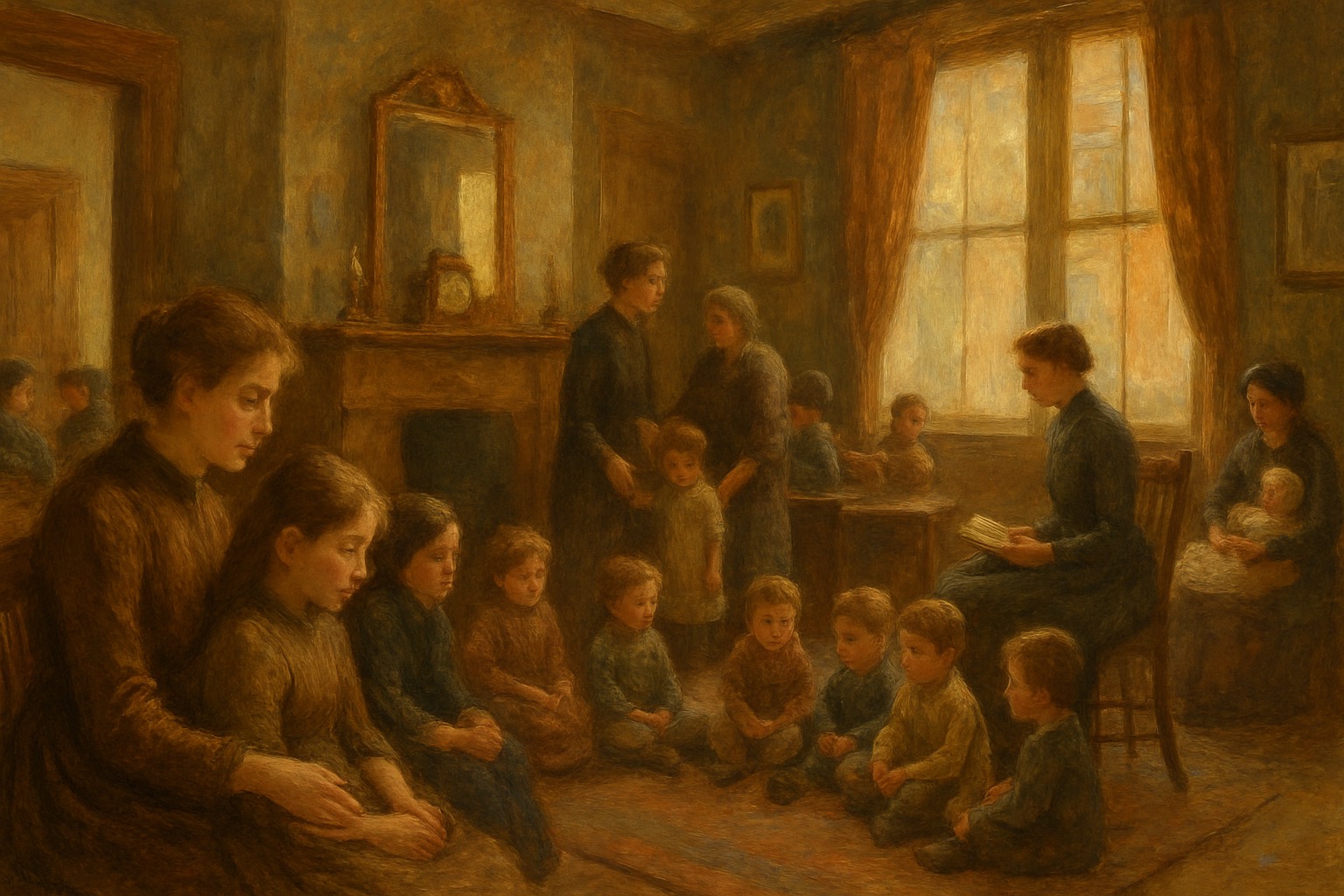
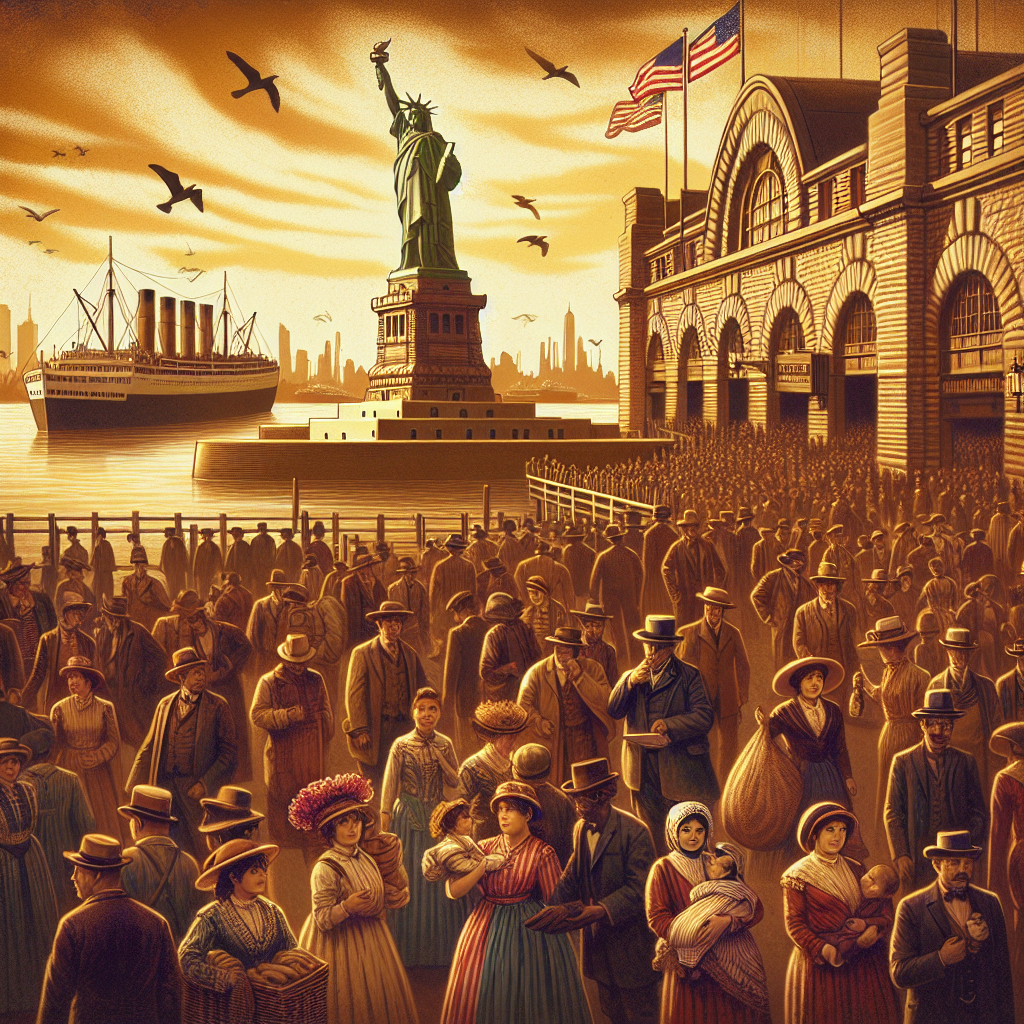
In 1889 Jane Addams and Ellen Gates Starr moved into a decaying mansion in a poor immigrant neighborhood on Chicago's Near West Side and opened Hull House. It was among the first and became the most famous of the American settlement houses — places where educated, mostly middle-class reformers settled among the urban poor to live alongside them, learn their needs, and work for their betterment. It made the neighborhood, not the charity office, the center of reform.
Hull House became a hive of practical help. It ran a kindergarten and a nursery for the children of working mothers, taught English and citizenship classes to immigrants, offered lectures, art, and music, and provided a meeting place for the labor and reform groups of the city. Its residents did not merely serve the poor but studied them, gathering the detailed social research that turned sympathy into evidence for reform.
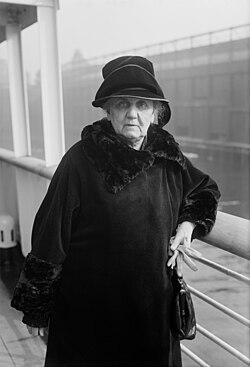
That research became a weapon. The women of Hull House campaigned against child labor, for factory inspection and safer housing, for public health and the rights of immigrants and workers, carrying their findings to the statehouse and to Washington. Jane Addams became a national figure and an international voice for peace, eventually winning the Nobel Peace Prize, while Hull House trained a generation of reformers.
Hull House gave rise to the profession of social work and helped lay the intellectual groundwork for the welfare state that the Progressive Era and later the New Deal would build. Its blend of neighborly service and hard-headed reform made it a model copied across the country — the enduring symbol of a distinctly American answer to the miseries of the industrial city.

| Founded | 1889, Chicago |
| Founders | Jane Addams and Ellen Gates Starr |
| Type | Settlement house |
| Served | Immigrants and the urban poor |
| Legacy | Pioneered social work and Progressive reform |
| Date | Founded 1889 |
| Location | Chicago, Illinois |