A History Lover's Guide to Washington, D.C.

Washington, D.C. was built to be walked through its history on purpose. Pierre Charles L'Enfant's 1791 plan laid broad avenues and a long open mall specifically so that the new republic's monuments and institutions would sit in sight of each other, and more than two centuries later the plan still works: a visitor can cross on foot from the seat of Congress to the memorial of the president who held the Union together, and from there to the archive that holds the documents both of them swore to uphold. Few American cities compress so much of the country's self-understanding into a few square miles of ground that can be covered without a car.
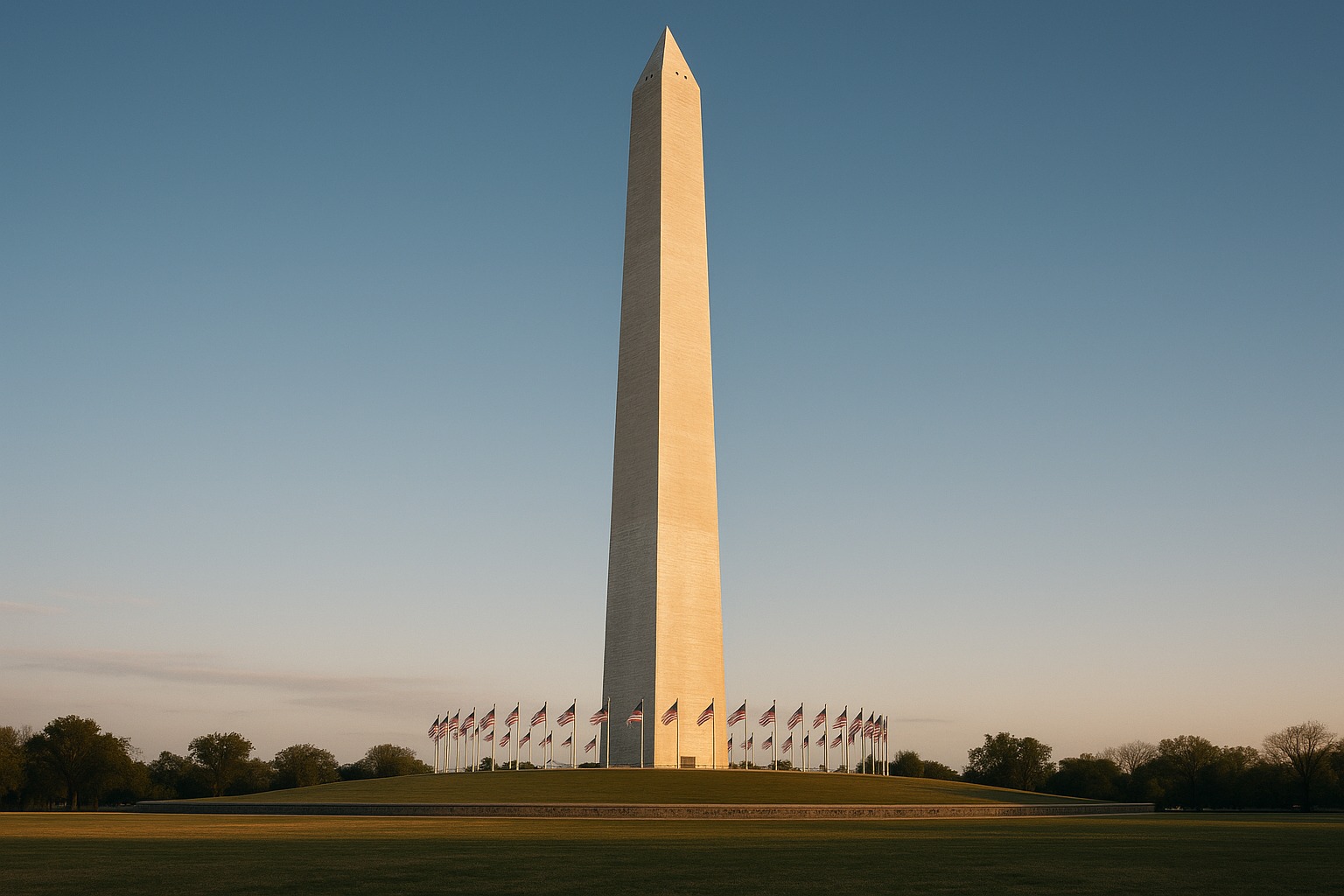
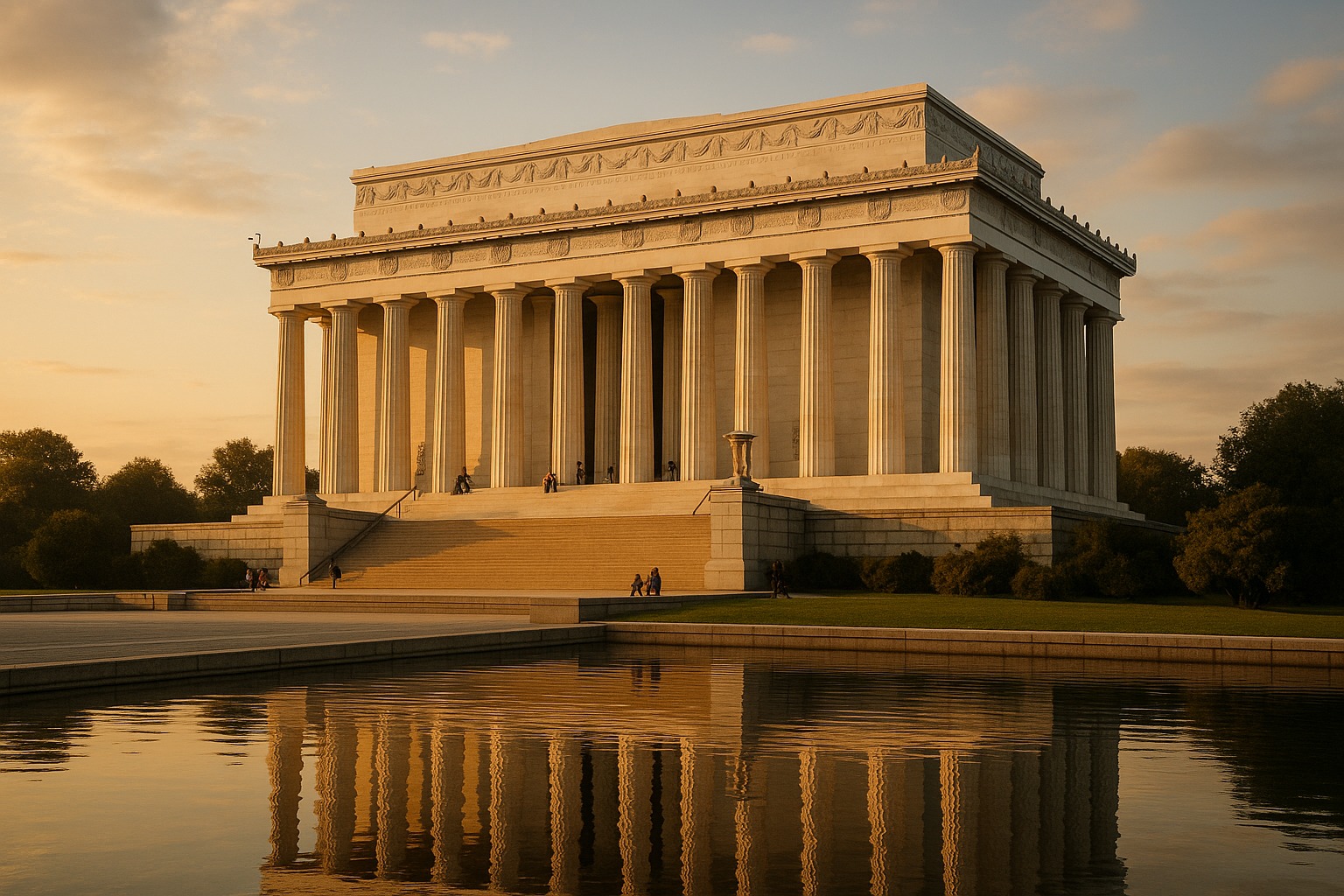
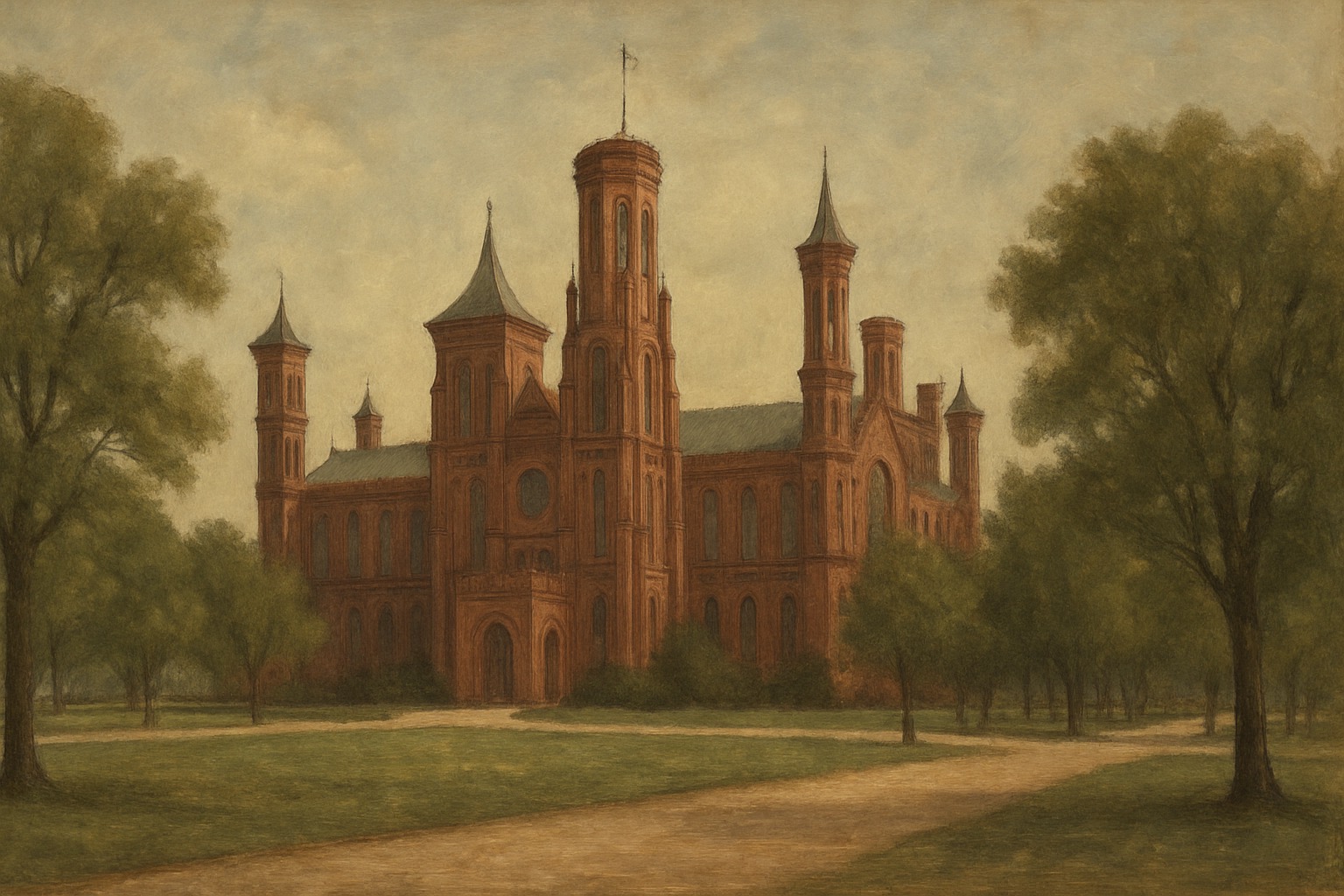
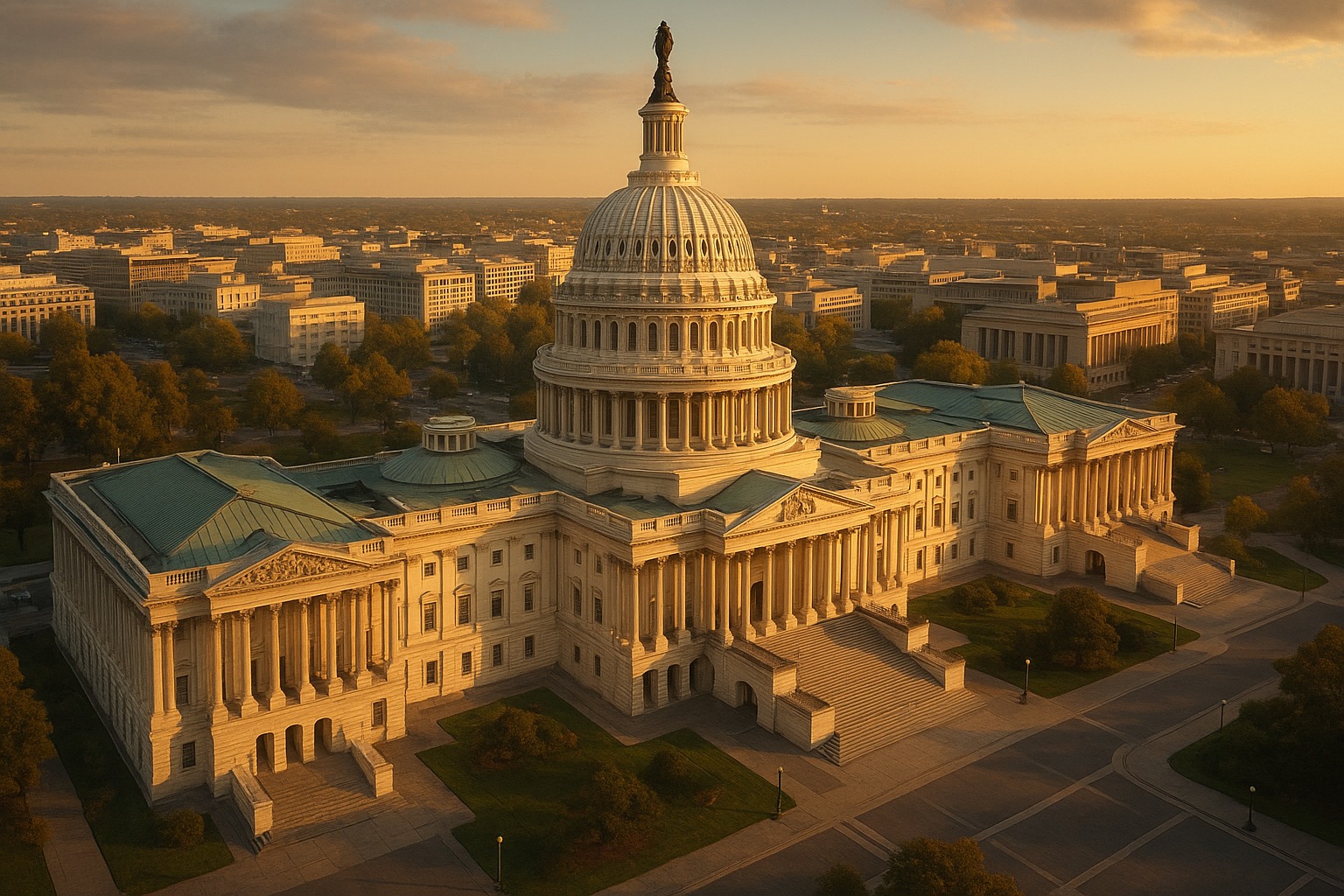
This guide follows the city roughly the way a traveler actually encounters it. It begins on the National Mall, where the Washington Monument, Lincoln Memorial, and Smithsonian Institution sit within a single long sightline, then climbs to Capitol Hill, where the Capitol, the Supreme Court, and the Library of Congress stand close enough to visit in one afternoon. From there it moves to the White House and the National Archives, the capital's two most literal keepers of executive and documentary power, before closing with a second leg across the Potomac River — Arlington National Cemetery and the Pentagon — grouped together because both sit just outside the District in Virginia, a short trip from downtown rather than a stop on the same walk.
Each entry below links to the fuller BriefHistory account of the building or site, with a note on what a visitor should actually look for once they are standing in front of it — a color change in marble, a carved inscription, a room nobody expects to find inside. The annotations are a guide's pointers, not a repeat of the encyclopedia entry; the fuller history is one click away.
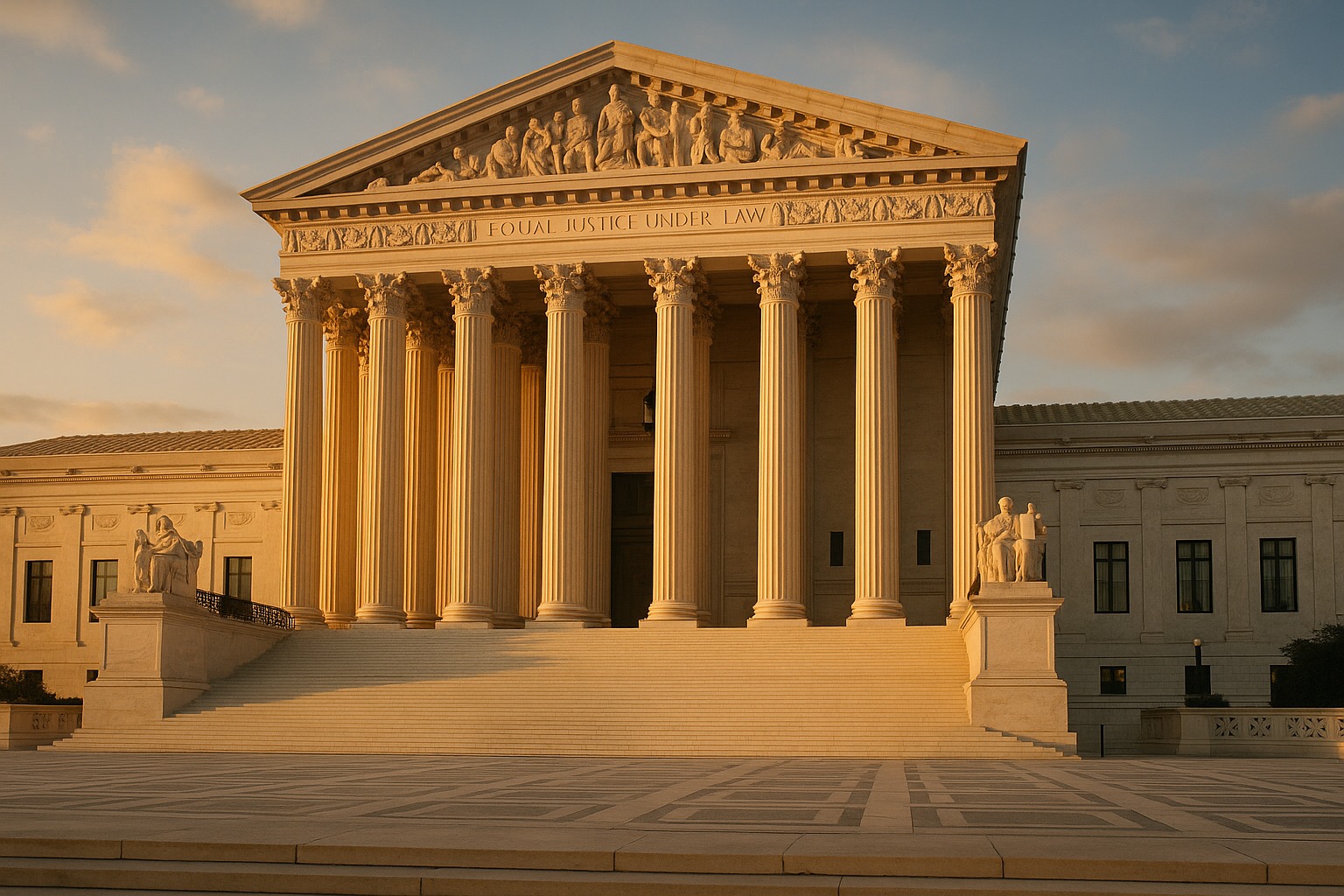
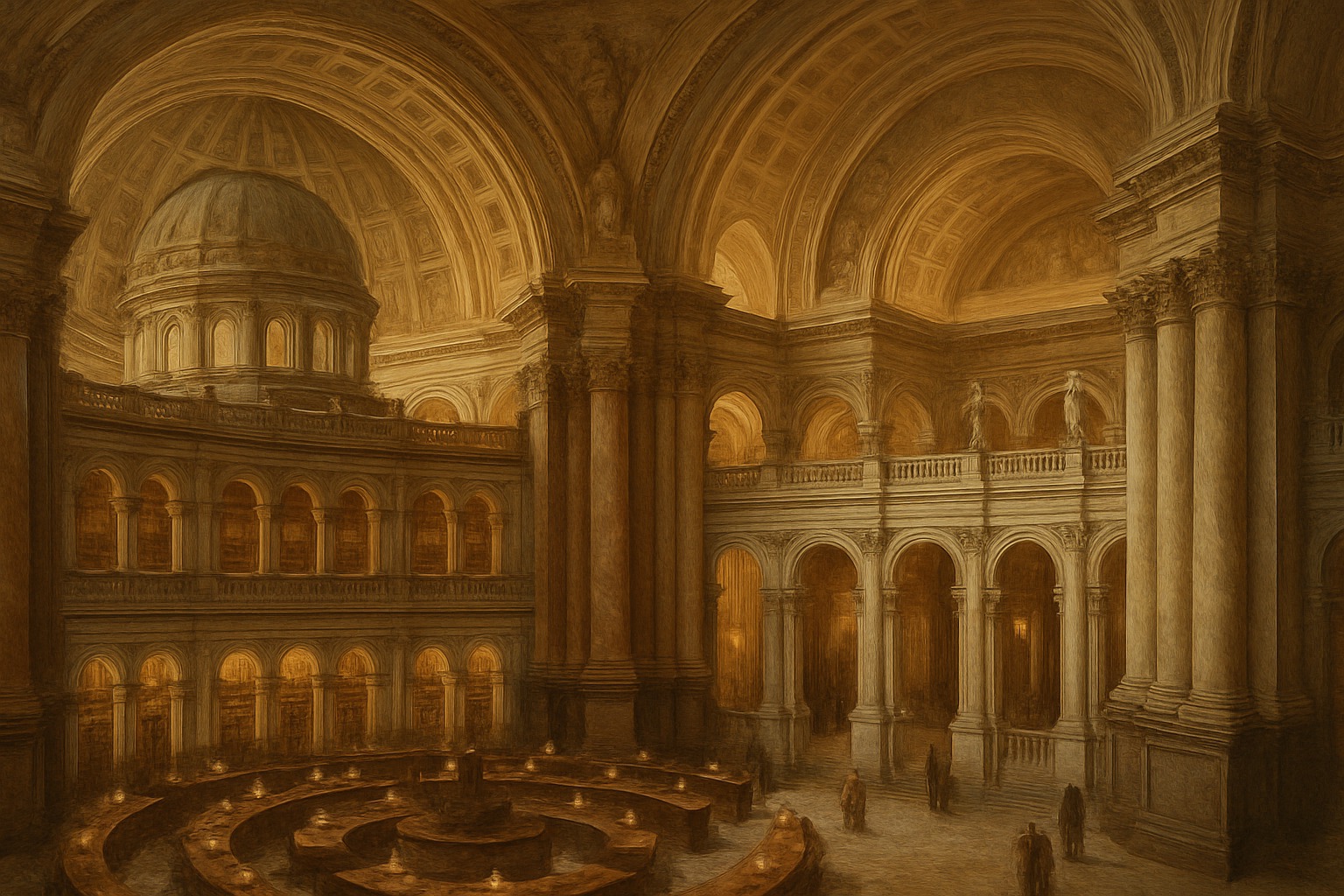
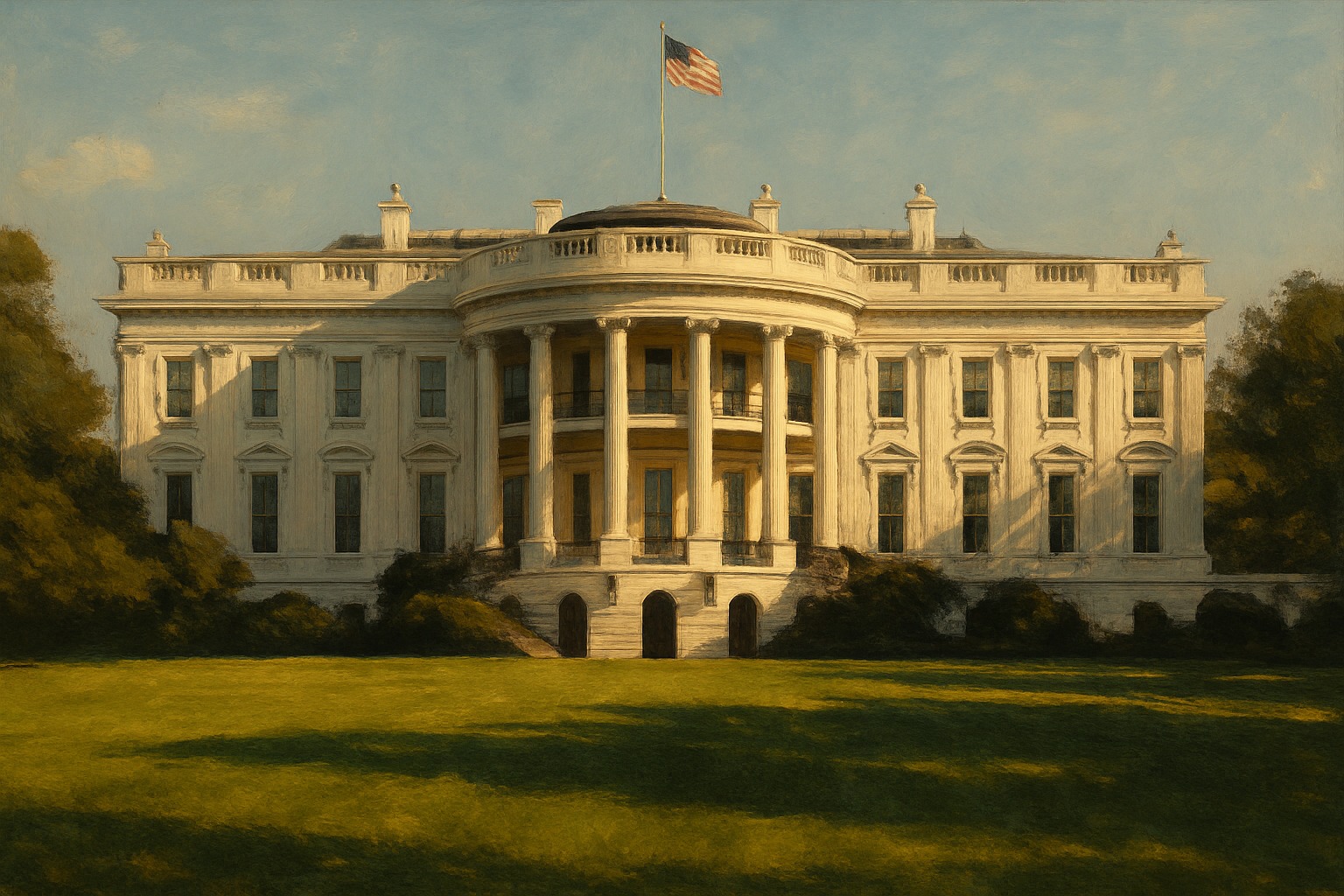
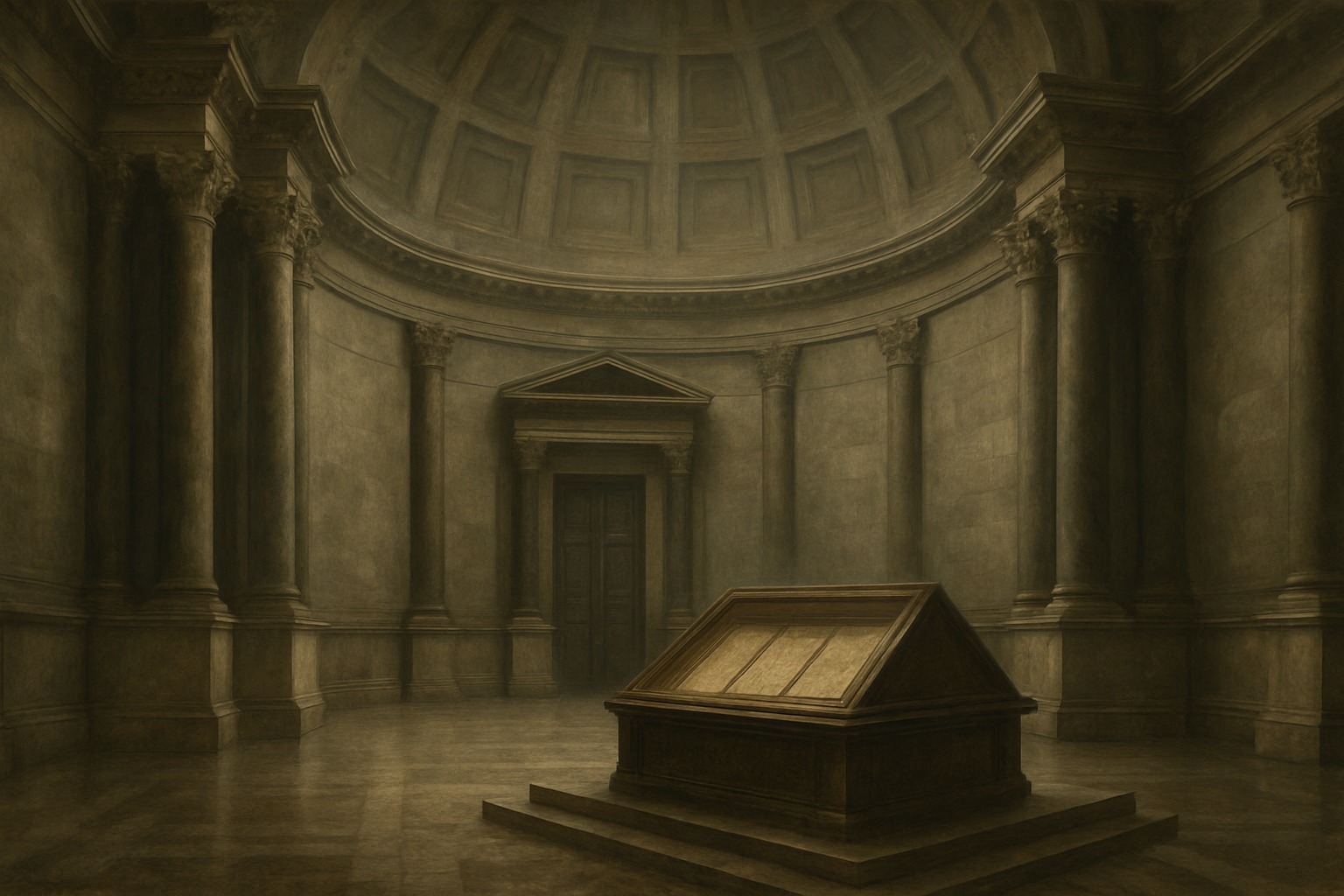


For the men most of these buildings and monuments commemorate, see The Founding Fathers: Who They Were and What They Did. For the document the National Archives and the Supreme Court Building both exist to protect, see The U.S. Constitution: Articles, Amendments, and Why They Matter.