Lincoln Memorial
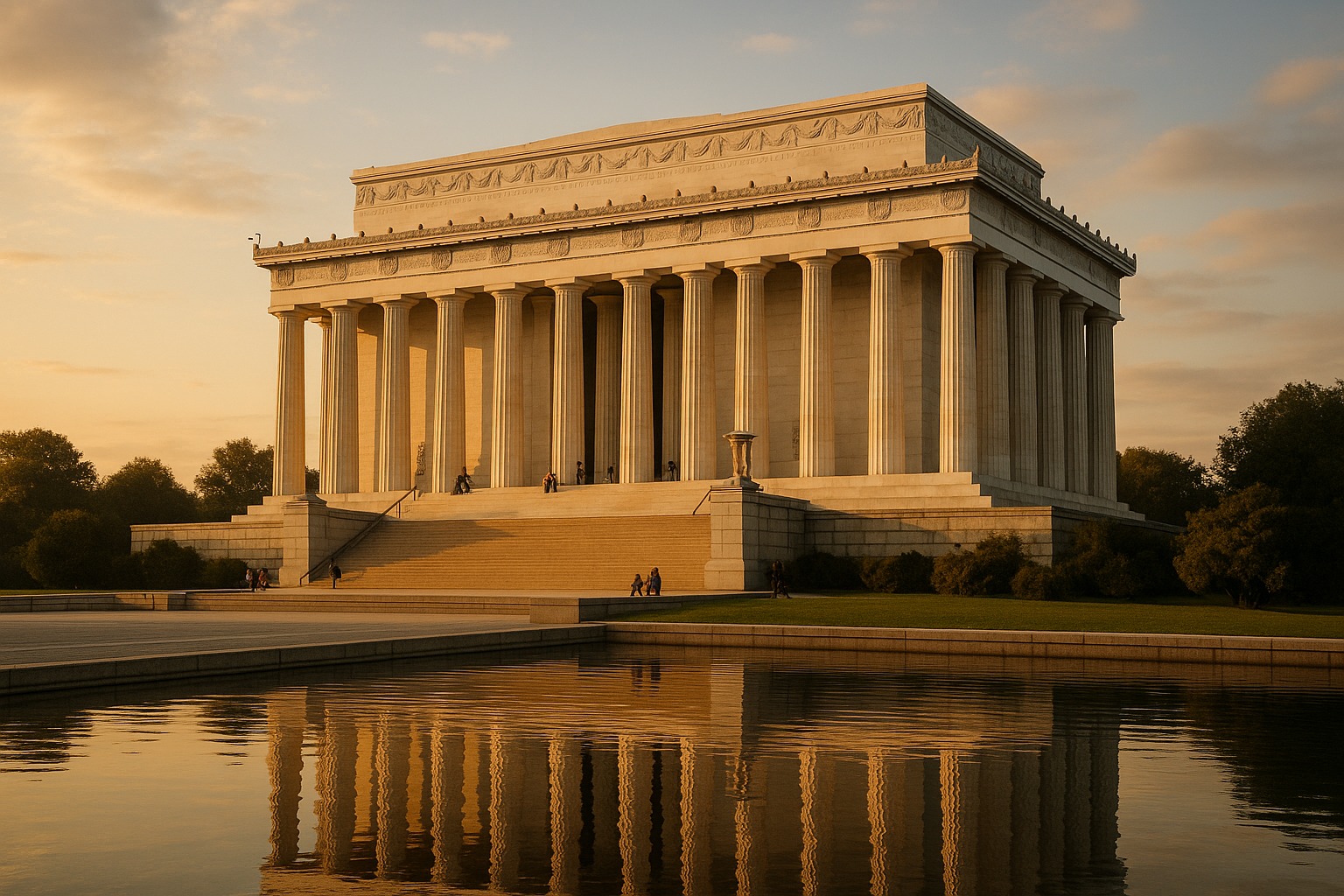
Congress authorized a memorial to Abraham Lincoln in 1911, nearly half a century after his death, and architect Henry Bacon modeled it on a Greek temple — 36 fluted Doric columns, one for each state in the Union at the time Lincoln died, ringing a chamber meant to feel less like a monument than a shrine. Sculptor Daniel Chester French carved the 19-foot seated Lincoln from 28 blocks of Georgia marble, assembled so seamlessly that the joints disappear. The memorial was dedicated on May 30, 1922, on reclaimed swampland at the western end of the National Mall, with Lincoln's only surviving son, Robert, in attendance.
The dedication ceremony seated Black attendees in a segregated section across a service road, a stroke of irony that civil rights leaders did not let pass unremarked. Seventeen years later, in 1939, the Daughters of the American Revolution refused to let contralto Marian Anderson perform in Constitution Hall because she was Black; Eleanor Roosevelt resigned from the organization in protest, and Anderson sang instead from the Lincoln Memorial's steps to a crowd of 75,000. The memorial became civil rights ground. On August 28, 1963, Martin Luther King Jr. delivered his "I Have a Dream" speech from the same steps to an audience of around 250,000.
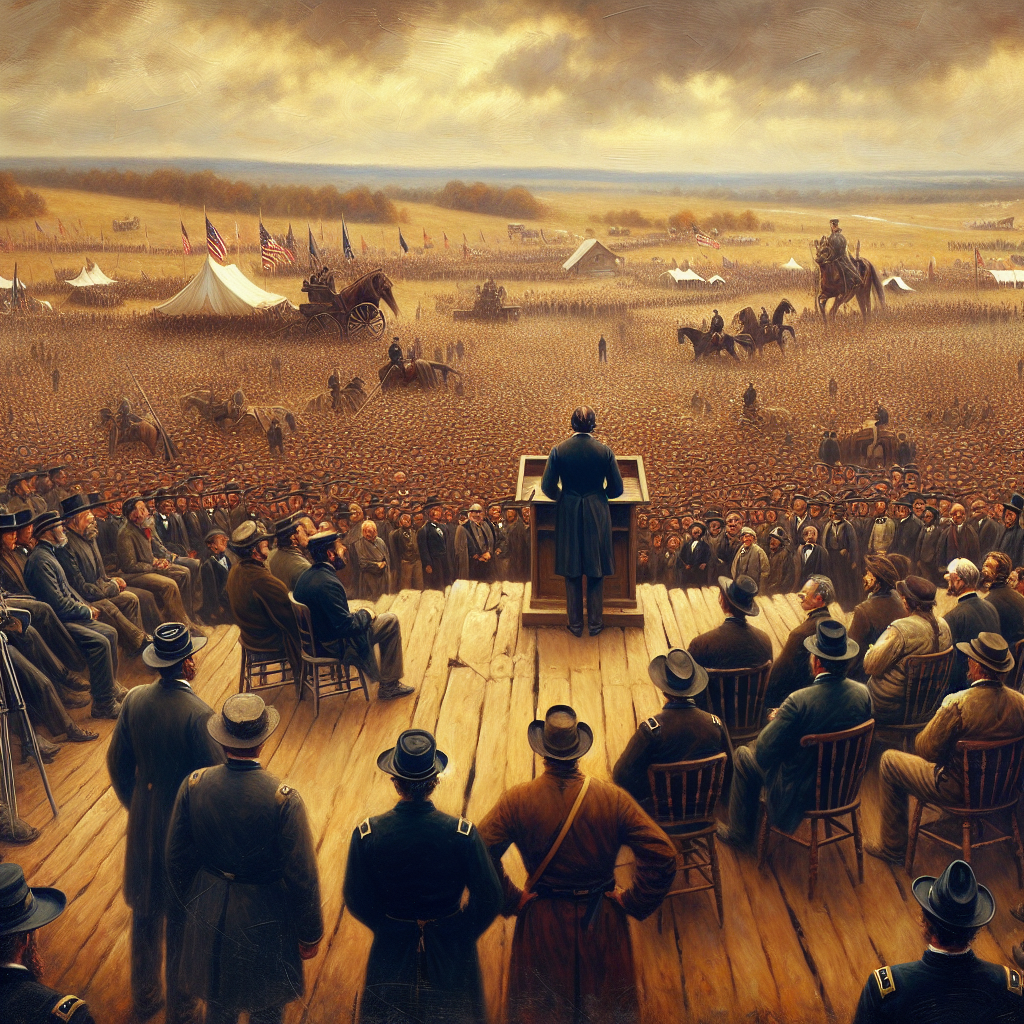
The Gettysburg Address and Lincoln's Second Inaugural Address are carved into the chamber's north and south walls, flanking murals by Jules Guerin. A persistent rumor holds that French carved Lincoln's hands in American Sign Language to spell his initials — a story without documentary support, though it continues to circulate. The reflecting pool stretching east toward the Washington Monument has become one of the most photographed vistas in the country, the backdrop for inaugurations, protests, and almost every image of the capital's monumental core.
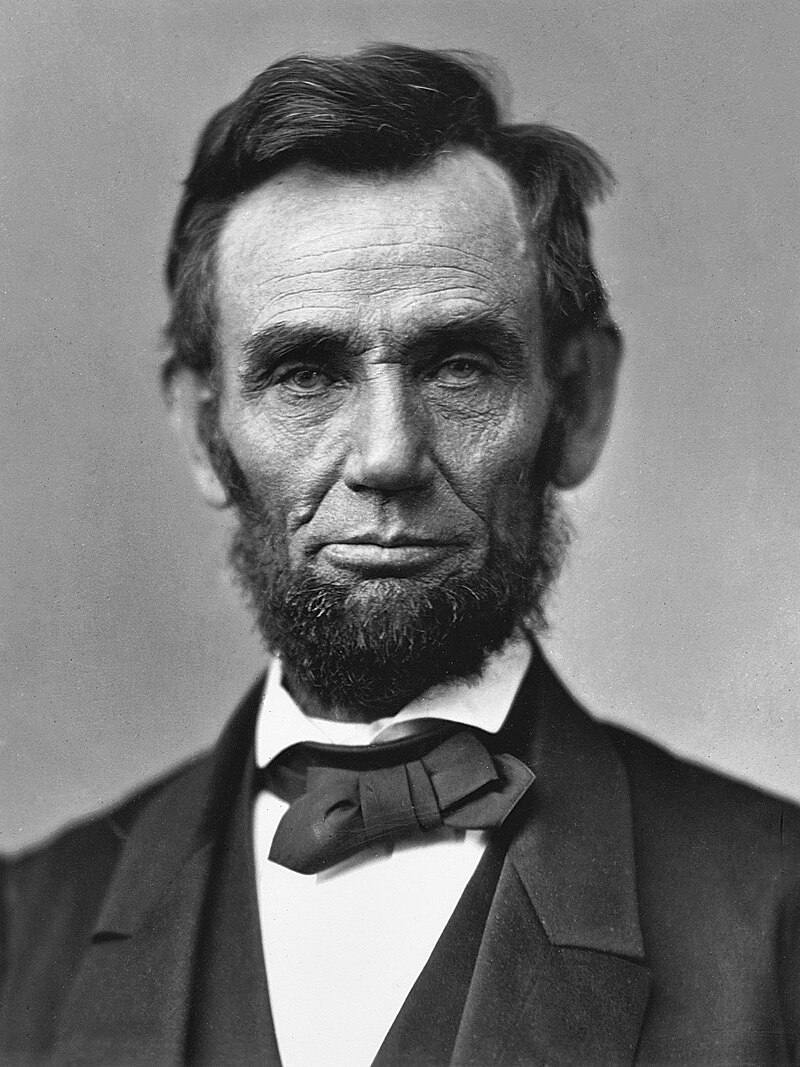
| Architect | Henry Bacon |
| Sculptor | Daniel Chester French |
| Dedicated | May 30, 1922 |
| Columns | 36 (one per Union state at Lincoln's death) |
| 1963 event | MLK's "I Have a Dream" speech, August 28 |
| Location | National Mall, Washington, D.C. |
| Date | Dedicated May 30, 1922 |
| Location | Washington, D.C. |