Library of Congress
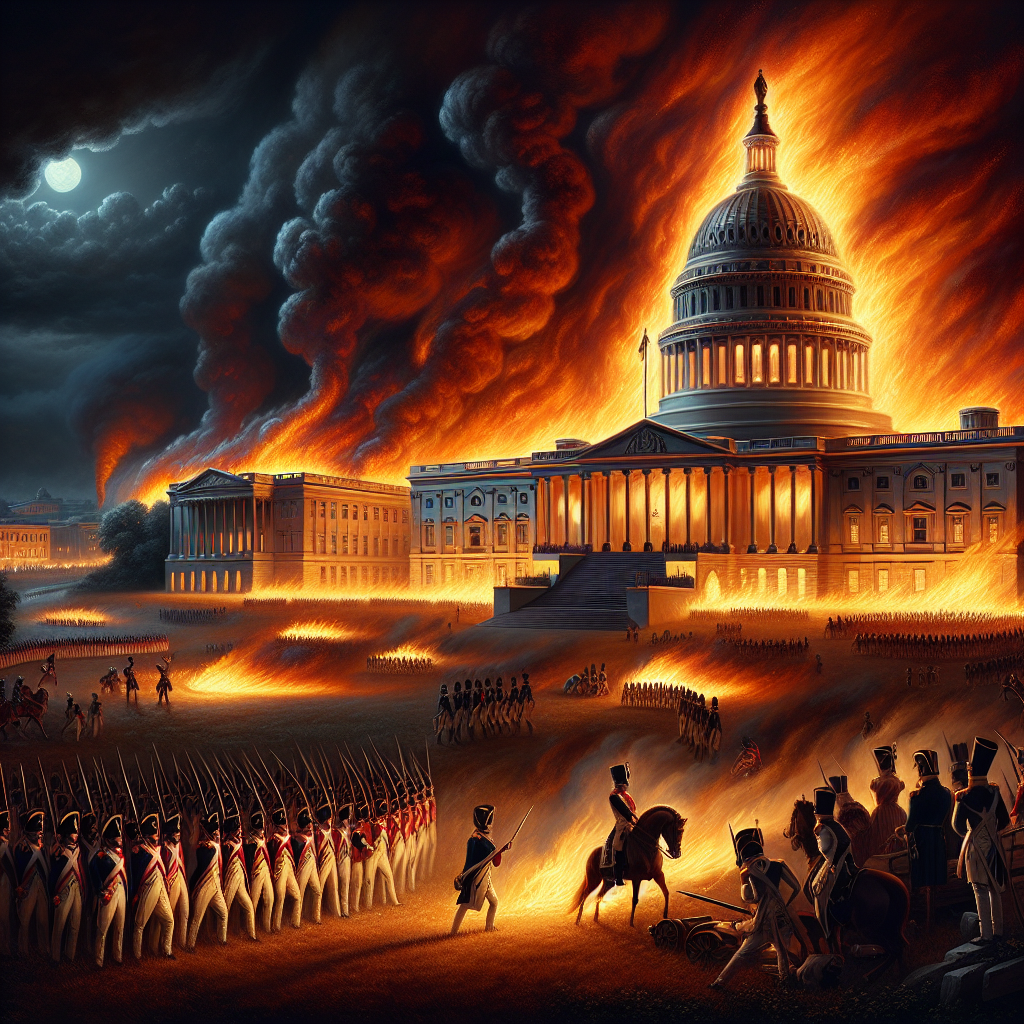
Congress created a reference library for its own use in 1800, appropriating $5,000 to buy books and housing the small collection inside the Capitol building itself. It grew slowly for 14 years, reaching roughly 3,000 volumes, until British troops burned the Capitol on August 24, 1814, and the library burned with it — nearly the entire collection lost in a single night.
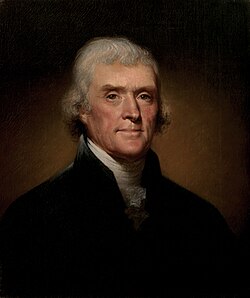
To replace it, Congress made an unusual choice: in 1815 it purchased Thomas Jefferson's personal library, 6,487 books that the former president had spent decades assembling, for $23,950. Jefferson had collected far beyond law and government — philosophy, science, architecture, foreign-language works, even cookbooks — and his conviction that a legislature needed access to every field of human knowledge, not just legal reference, became the founding philosophy of the institution that replaced the burned collection. That expansive mandate has defined the Library of Congress ever since.
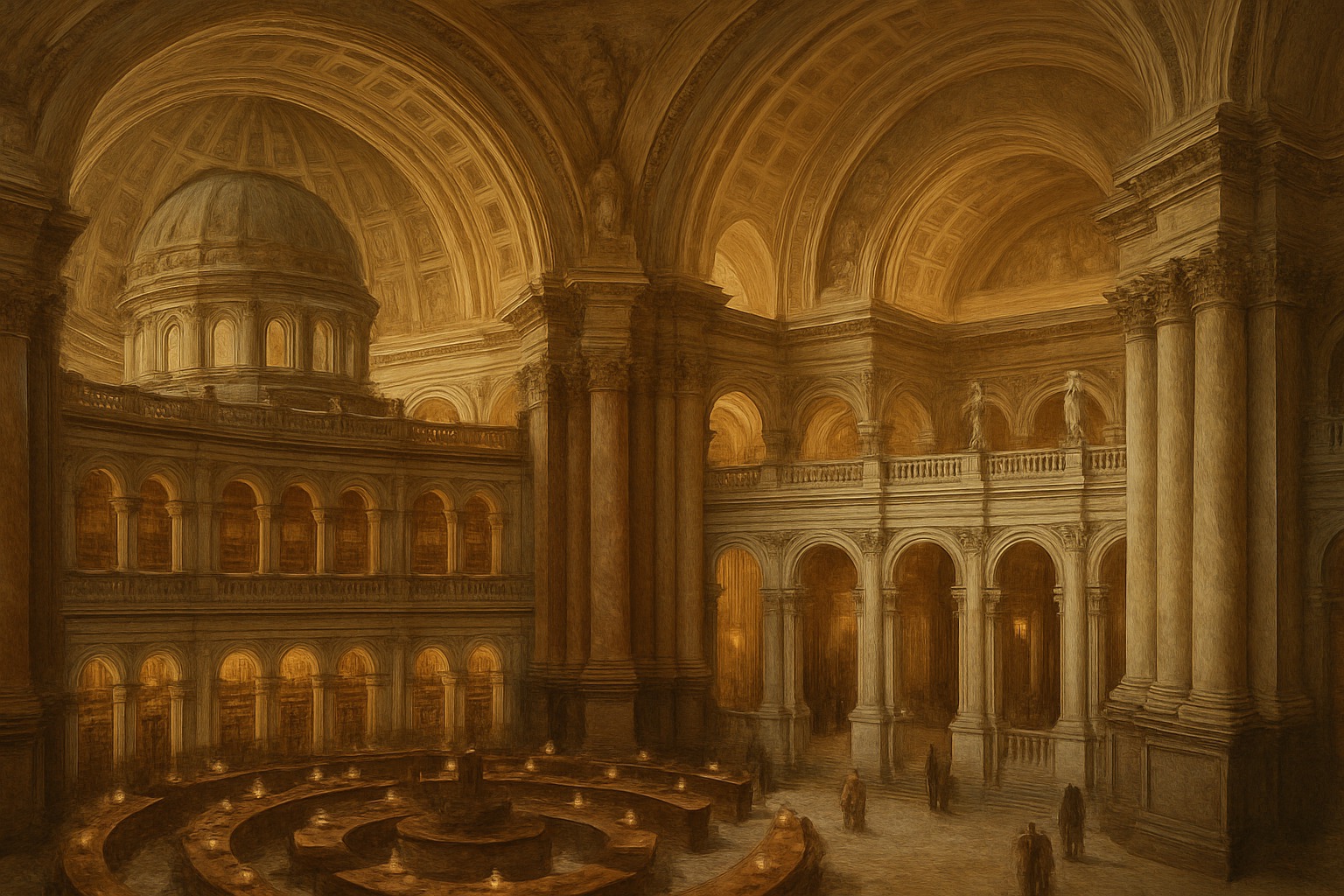
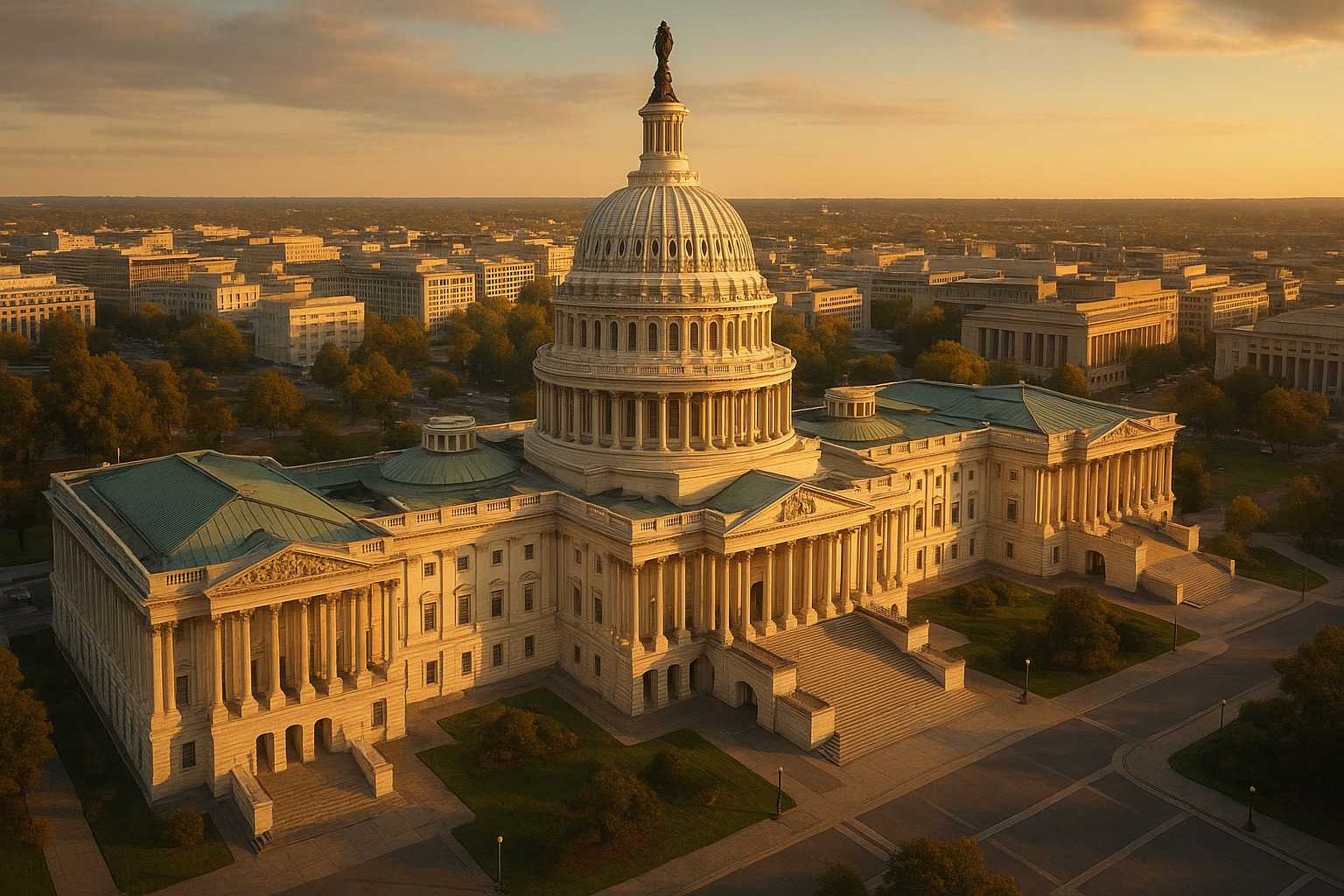
Congress assigned the Library a second, less glamorous role in 1870 when it centralized copyright registration there, requiring publishers to deposit copies of every work they wanted protected — a requirement that filled the shelves faster than any purchase could. The ornate Beaux-Arts building that still serves as the Library's architectural centerpiece opened in 1897 and was formally renamed the Thomas Jefferson Building in 1980. Today the Library holds more than 170 million items and more linear shelf space than any other library on Earth, run by a Librarian of Congress appointed by the president.
Today the Library of Congress holds well over a hundred and seventy million items in hundreds of languages, from Gutenberg Bibles to born-digital archives of the internet. It houses the Congressional Research Service, the Copyright Office, and the world's largest collections of maps, recordings, and photographs. Though it still answers first to Congress, it functions as the closest thing the United States has to a national library, open to any adult researcher and committed, like the Smithsonian, to gathering knowledge on behalf of the whole country.
| Founded | 1800 |
| Original collection burned | August 24, 1814 |
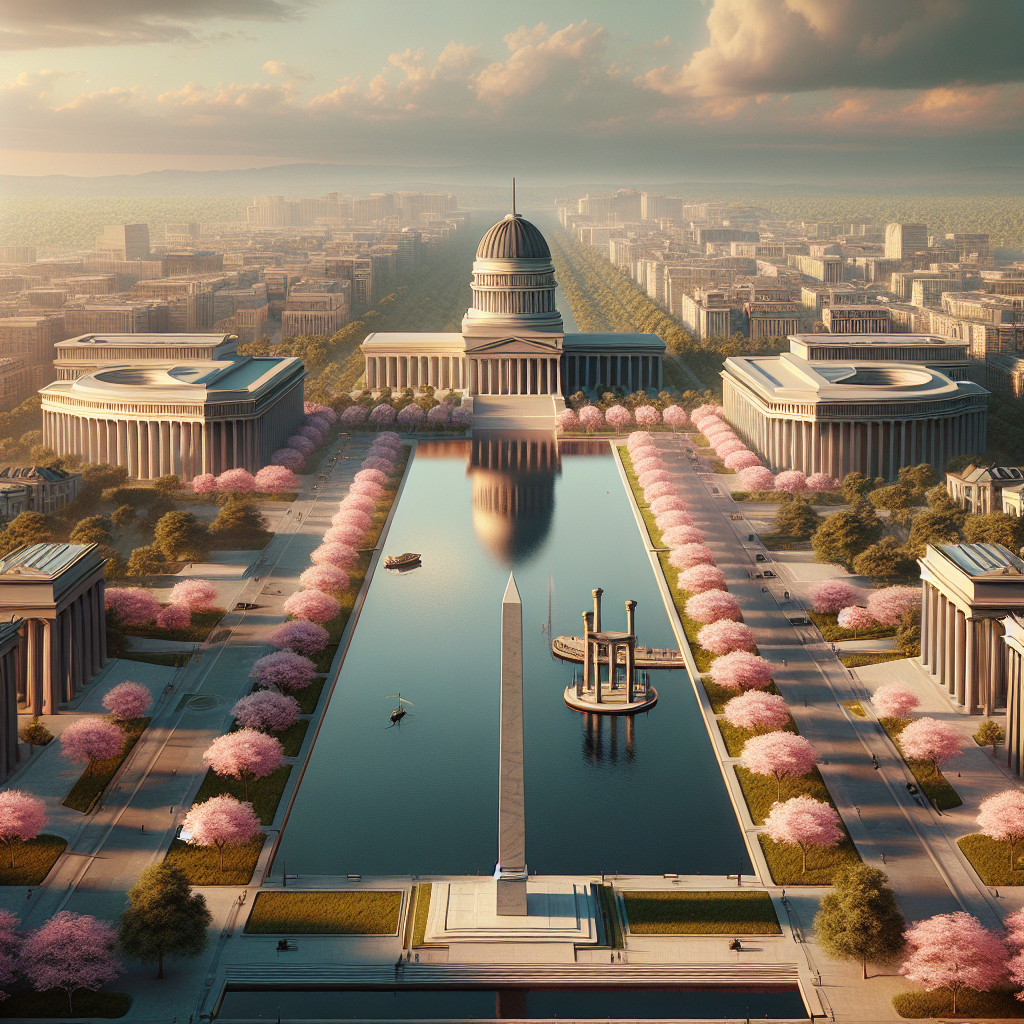
| Location | Washington, D.C. |
| Jefferson's library purchased | 1815, for $23,950 |
| Rebuilt on | Thomas Jefferson's library, purchased 1815 |
| Copyright deposit role began | 1870 |
| Copyright | National copyright deposit since 1870 |
| Jefferson Building opened | 1897 (renamed 1980) |
| Main building | Thomas Jefferson Building (opened 1897) |
| Items held today | More than 170 million |
| Holdings | 170+ million items in hundreds of languages |
| Role | De facto national library and research arm of Congress |
| Date | Established 1800 |
| Location | Washington, D.C. |