The White House
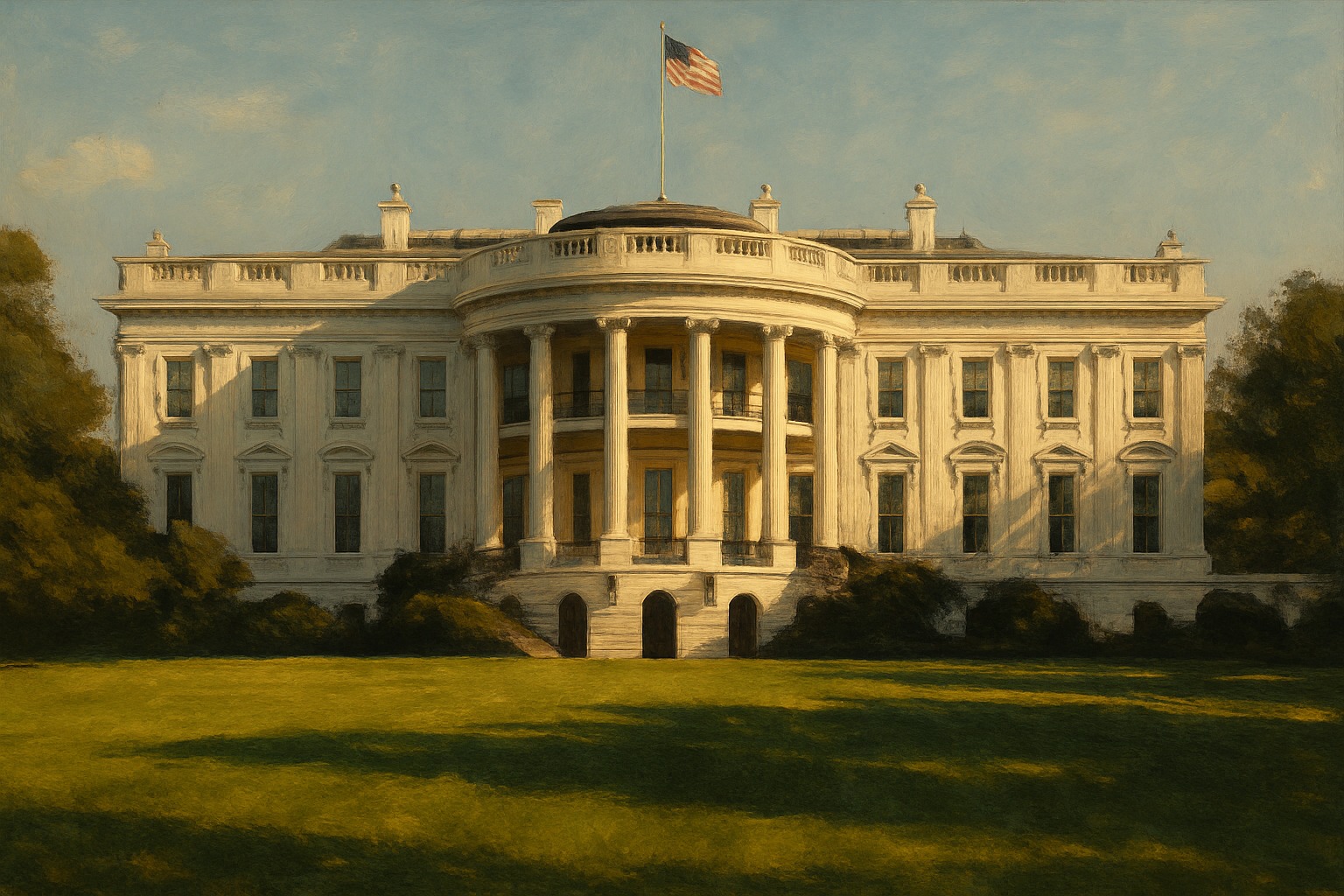
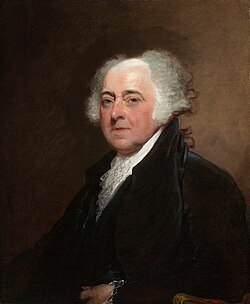
When John Adams moved into the unfinished executive mansion in November 1800, the plaster was still wet, the grounds were a muddy field, and only six of its rooms were ready to live in. The building had risen over eight years on a site George Washington himself selected along the Potomac, designed by Irish-born architect James Hoban in the restrained neoclassical style Washington favored. Adams occupied it for barely four months before losing reelection, but the precedent held: every president since has lived and worked behind its sandstone walls.
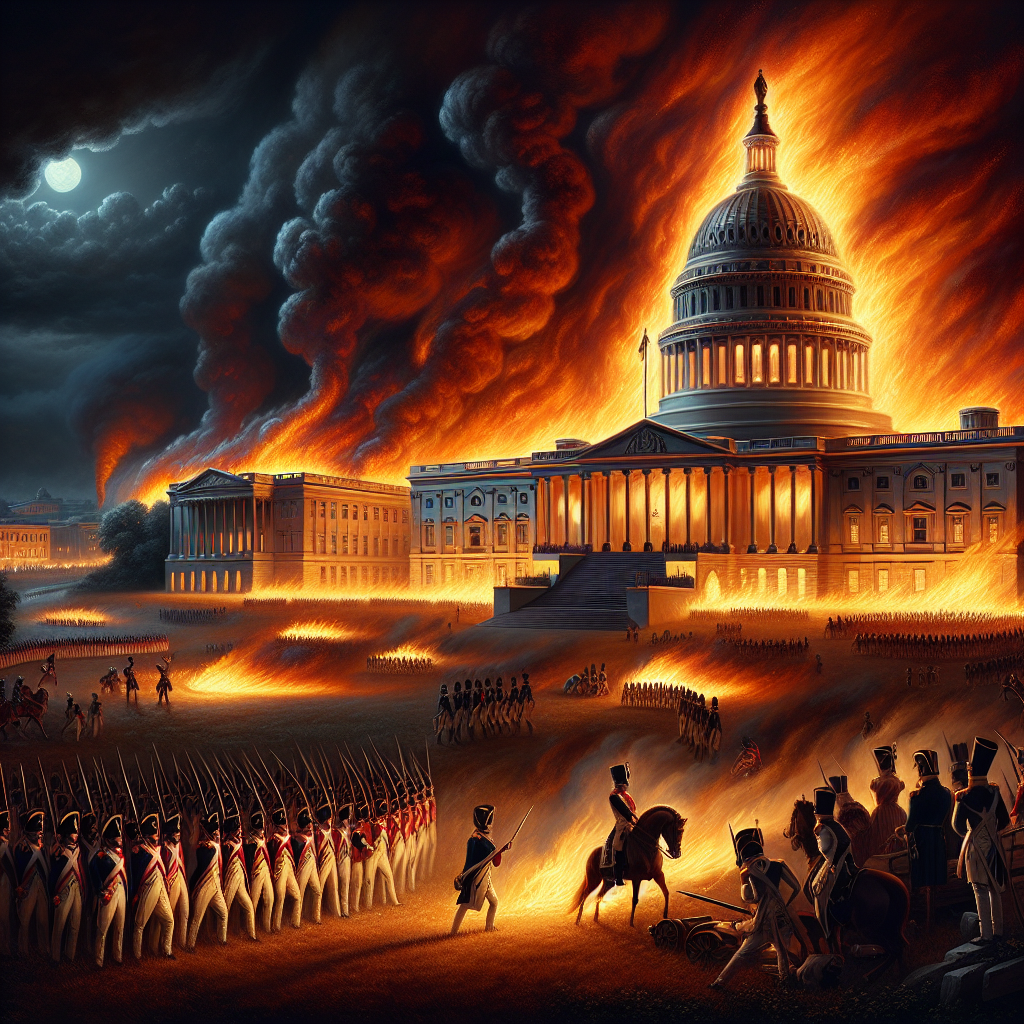
The house nearly did not survive its first generation. In August 1814, during the War of 1812, British troops marched into the new capital and set fire to the mansion, leaving it a gutted shell. Dolley Madison's rescue of the Lansdowne portrait of Washington as she fled became one of the enduring stories of the war. Hoban was called back to rebuild on the original walls, and the restored exterior was painted a brilliant white — the color that, by the early twentieth century, had given the building the name Theodore Roosevelt made official in 1901.
Inside, the building grew with the office it housed. Roosevelt added the West Wing in 1902 to move the working presidency out of the cramped living quarters; the Oval Office took its familiar shape in 1909. By the late 1940s the structure was so dangerously decayed that Harry Truman had the entire interior gutted to the outer walls and rebuilt around a new steel frame, a reconstruction that took nearly four years.
More than a residence, the White House is the closest thing the republic has to a national stage. Lincoln read drafts of the Emancipation Proclamation in its rooms; protesters and celebrants alike gather at its fence; its image stands in for the office of the presidency itself on currency, in cartoons, and in the public imagination. No single building is more bound up with the idea of who holds American power.
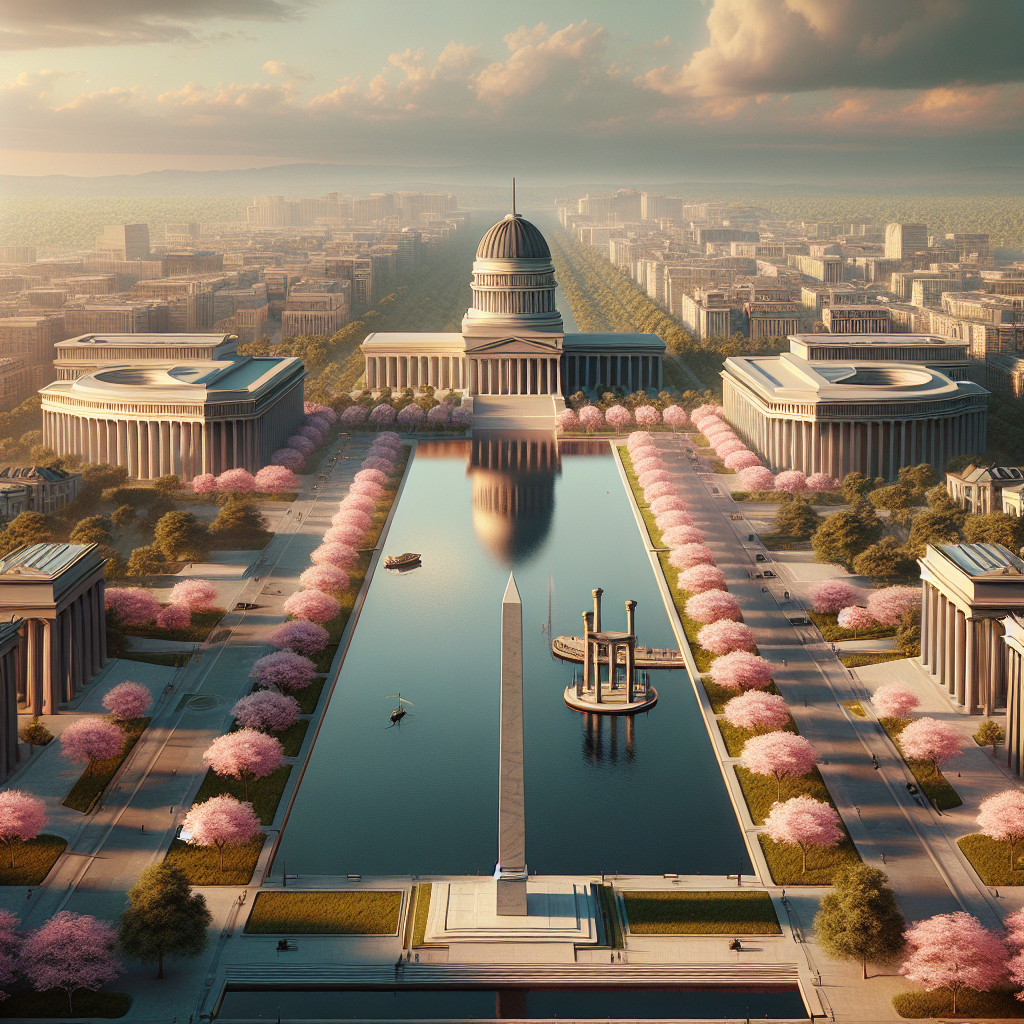
| Location | Washington, D.C. |
| Architect | James Hoban |
| First Occupant | John Adams, November 1800 |
| Burned | By British troops, August 1814 |
| Named | "White House" made official by Theodore Roosevelt, 1901 |
| Rebuilt | Gutted and reconstructed under Truman, 1948–1952 |
| Date | Occupied since November 1800 |
| Location | Washington, D.C. |