U.S.–Mexico Relations

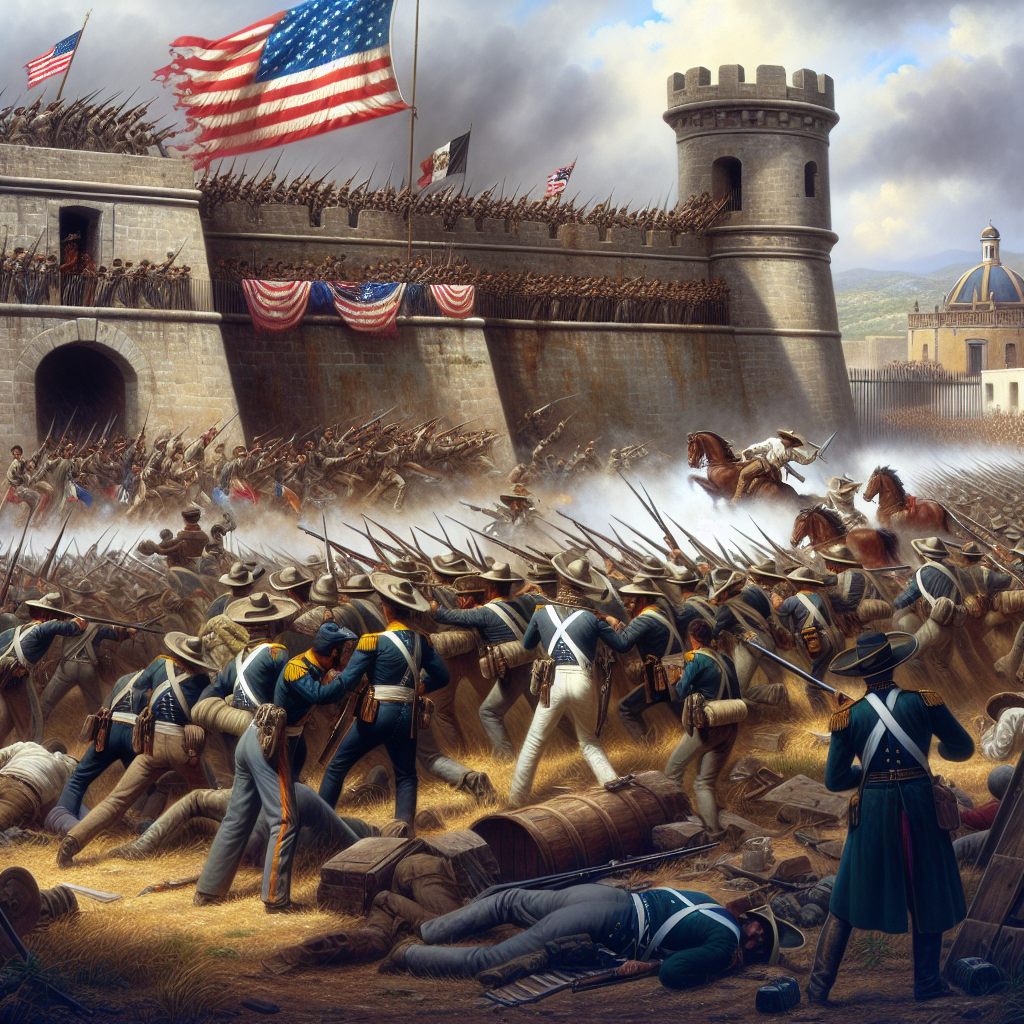
The United States and Mexico share a 1,954-mile border and a relationship shaped by a war one side calls an invasion. The Mexican-American War of 1846–1848 stripped Mexico of roughly half its territory — present-day California, Nevada, Utah, Arizona, New Mexico, and Colorado — in a conflict that Ulysses Grant, who fought in it as a young officer, later described as "one of the most unjust ever waged by a stronger against a weaker nation." That original dispossession sits underneath every subsequent argument about immigration, border enforcement, and economic integration between the two countries.
The 20th century layered deep interdependence over that grievance. The Bracero Program (1942–1964) brought millions of Mexican agricultural workers north under a federal guest-worker arrangement that kept wages suppressed and workers legally vulnerable. The North American Free Trade Agreement, which took effect in 1994, integrated the two economies dramatically — U.S. imports from Mexico grew from roughly $50 billion to more than $500 billion annually over the following decades. The same economic integration displaced Mexican workers in sectors overwhelmed by cheaper competitors and accelerated the agricultural disruption that pushed migration northward.
Immigration and the drug trade have been the dominant fault lines since the 1980s. The American demand for illegal drugs funds the cartels that terrorize Mexican cities; the guns arming those cartels flow south across the same border that the U.S. seeks to control northbound. No administration of either party has resolved either problem, and the politics of the border have grown steadily more charged. Trump's border wall, his deployment of tariff threats as diplomatic leverage, and his invocation of the Alien Enemies Act against cartel members in 2025 placed the relationship under its most acute stress in decades, while Mexico's government — heavily dependent on remittances from its citizens in the U.S. — navigated between its sovereignty and economic necessity.
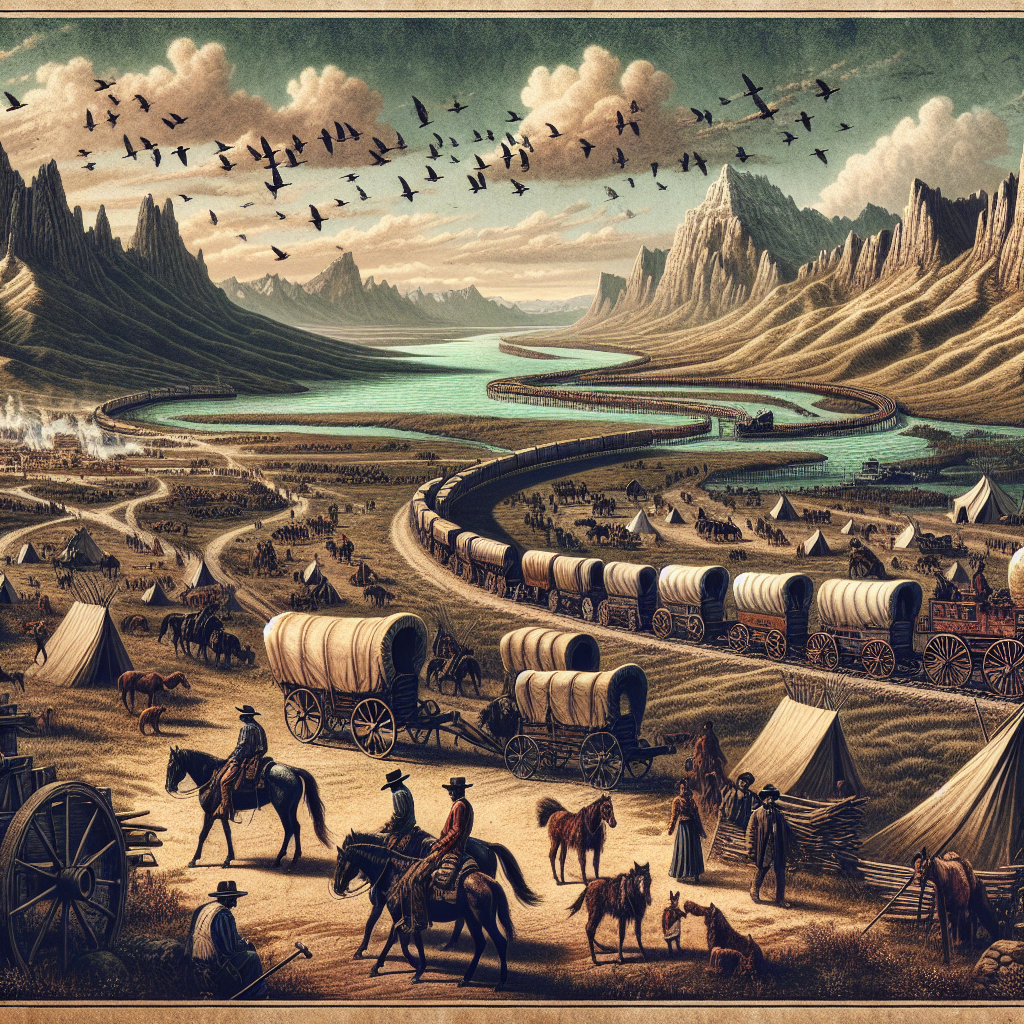
| Shared Border | 1,954 miles (3,145 km) |
| Defining Event | Mexican-American War (1846–1848) — Mexico ceded ~half its territory |
| Bracero Program | 1942–1964 — guest-worker program brought millions of Mexican laborers |
| NAFTA / USMCA | NAFTA (1994); replaced by USMCA (2020) |
| Trade Volume | Mexico is one of the top two U.S. trading partners |
| Remittances | One of Mexico's largest sources of national income |
| Key Tensions | Immigration, drug trafficking, border security, gun flows southward |
| Years | 1848 |
| Location | U.S.–Mexico Border |