America and Mexico: Texas, the War, and the Border

The 2,000-mile line between the United States and Mexico is one of the most consequential borders on earth, and almost none of it was settled peacefully. In a single generation the United States annexed an independent Texas, fought a war that took the capital of Mexico City, and walked away with the land that became California, Arizona, New Mexico, and more — roughly half of Mexico's territory. Everything in the relationship since has been shaped by that founding asymmetry.
This guide follows the relationship from the ideology that drove American expansion, through the Texas revolt and the war it led to, to the treaty that fixed the border and the trade that now binds the two economies. Each entry links to a full account; together they explain how two nations became permanent, deeply entangled neighbors.
Start here for the whole arc of a relationship between neighbors - shaped by war, a shared border, and deep ties of trade and migration. The sections that follow trace it in order.

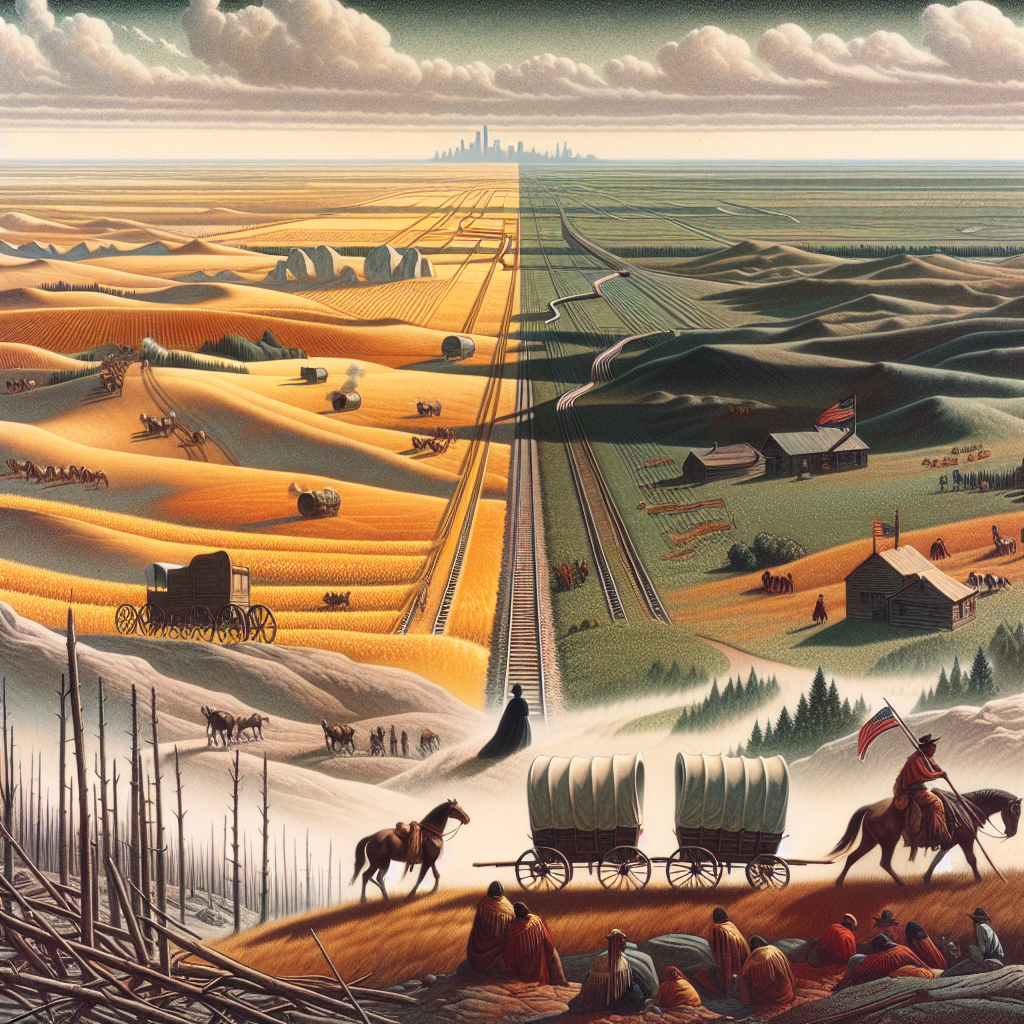
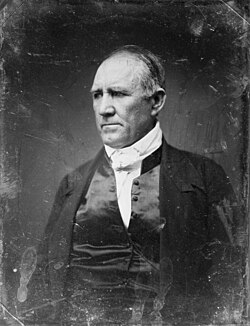
The relationship was forged in American expansion. The belief that the United States was destined to span the continent pushed it into Mexican territory, beginning with the revolt that tore Texas away.

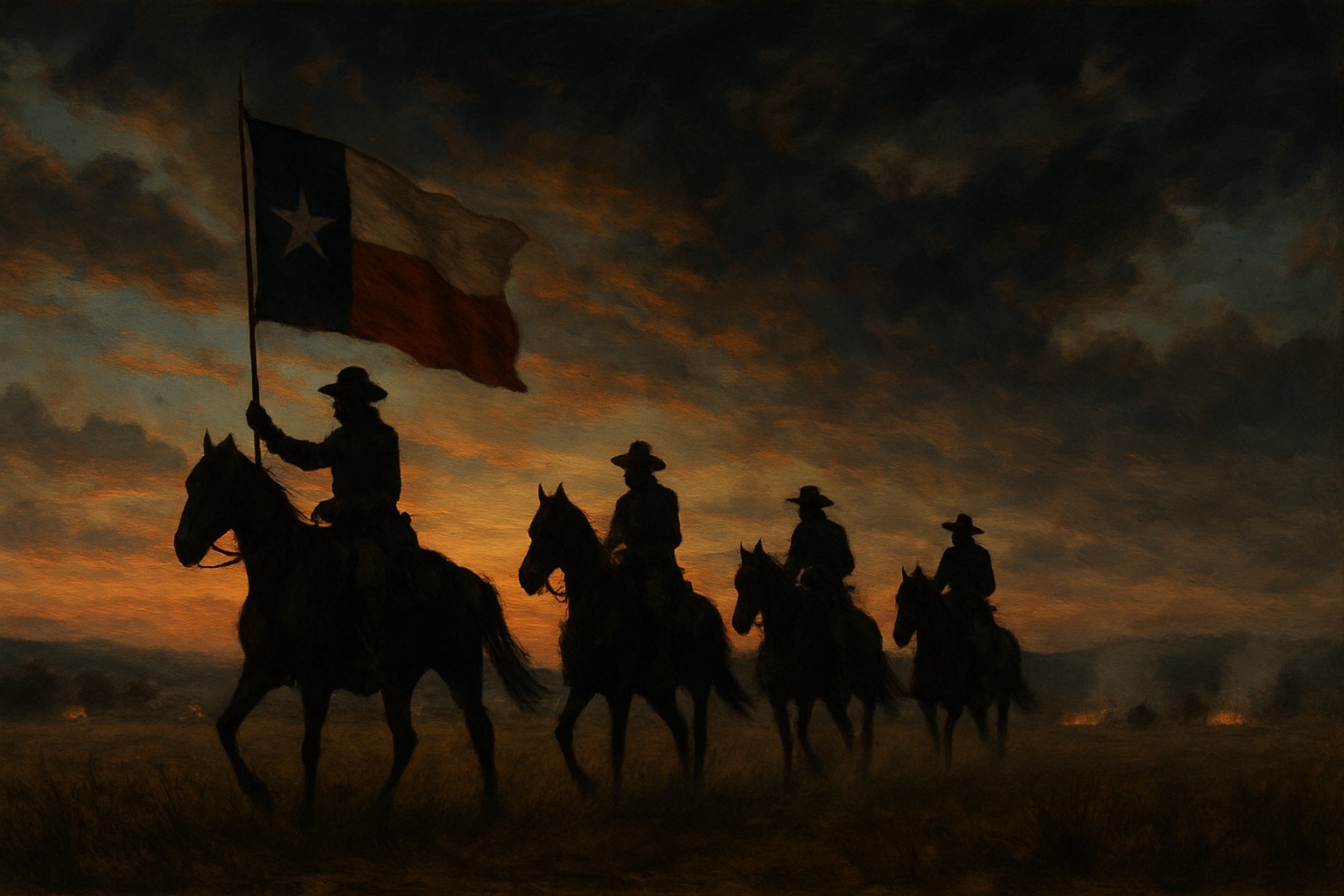
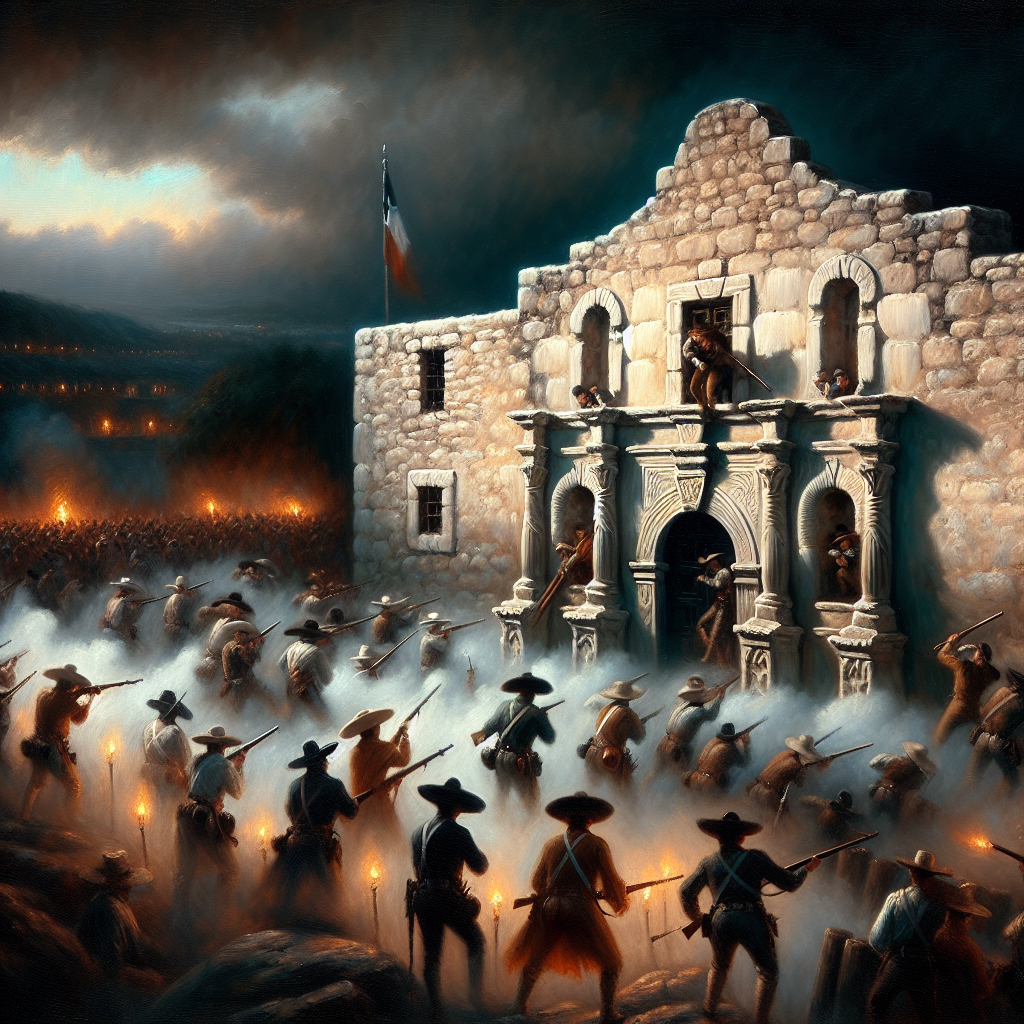
The dispute over Texas became open war - a conflict that ended with Mexico ceding nearly half its territory and the United States reaching the Pacific. Its terms still shape the relationship today.
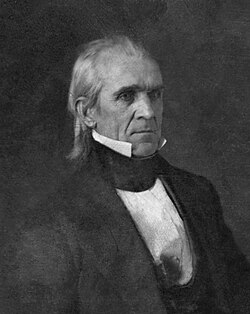
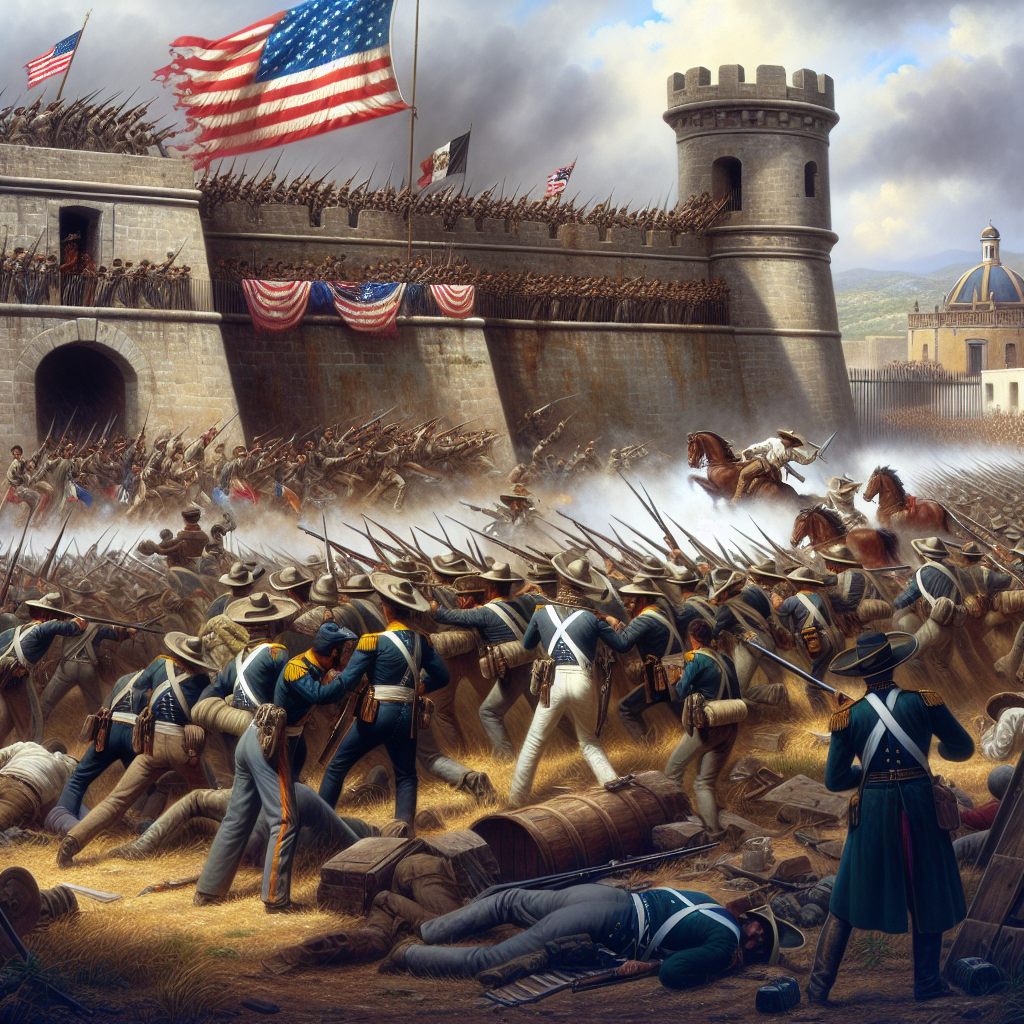
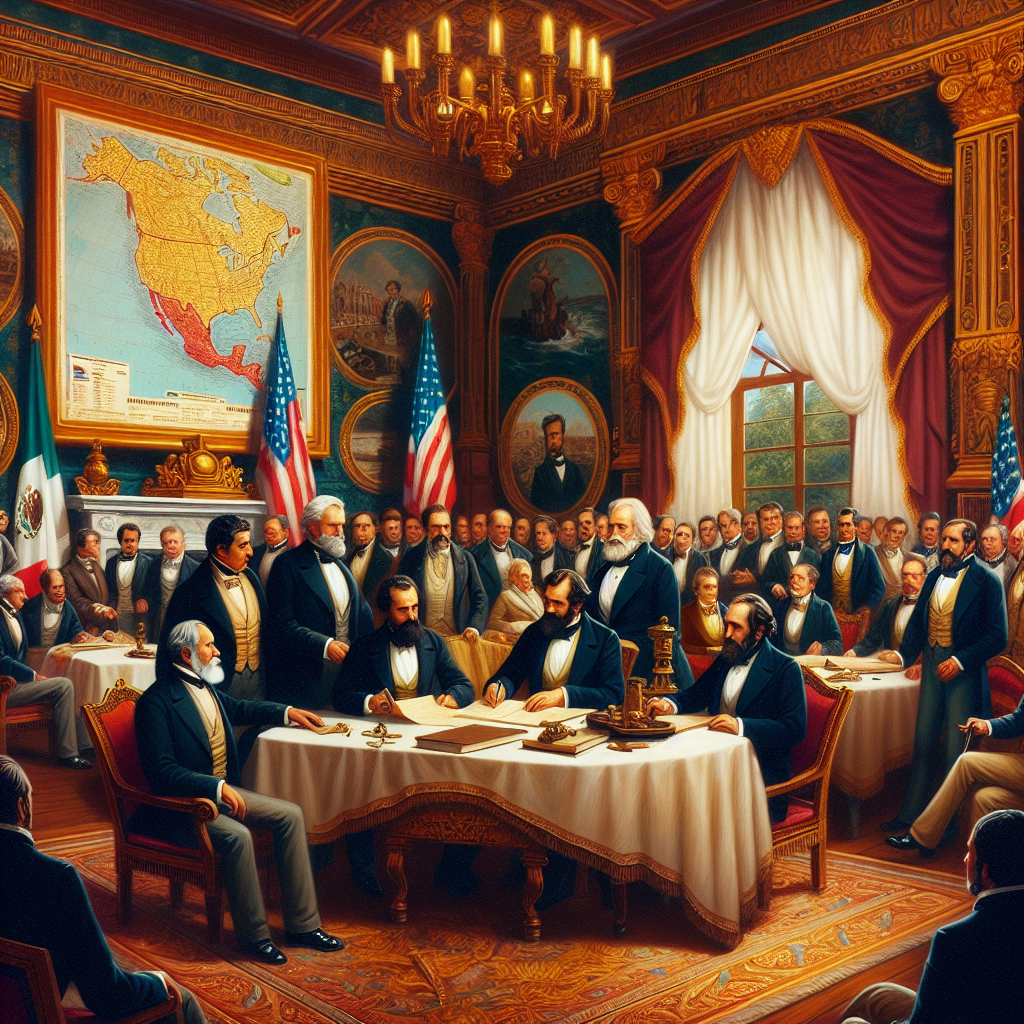
After the war came the long work of settling the border and managing a turbulent neighbor. These entries cover the final boundary adjustments and the spillover of the Mexican Revolution into American policy.


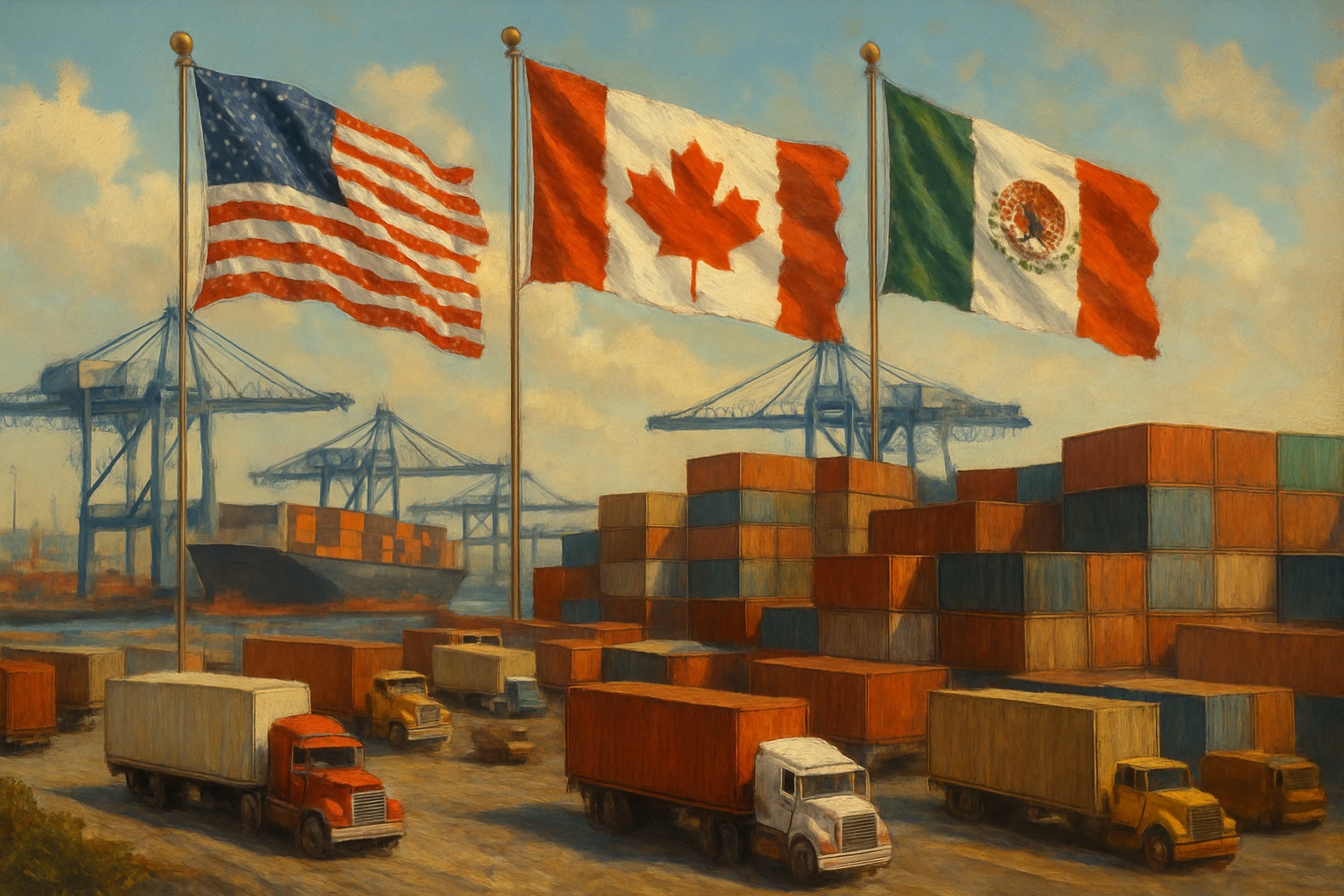
The contemporary relationship is defined less by war than by economics and migration - a deeply integrated border that ties the two nations together as much as it divides them.
The war with Mexico was one chapter in a continental story of expansion — see every U.S. war and major conflict — and the rivalry it left behind echoes the pattern traced in the other relations guides.